Knowledge
Thinking
Communication
Application
Mystery
100
True or False:
The cardiac cycle is the term used to refer to the series of events that occur in the respiratory system.
false!
The cardiac cycle is the term used to refer to the series of events that occurs through one heartbeat.
100
what factors influence the blood pressure of a person?
some factors that affect ones blood pressure is the amount of salt, fat, or cholestrol consumed by that person. other things that might influence ones blood pressure can be kidney or hormone problems, diabetes, or a high cholesterol. another factor that might affect blood pressure is genetics. if the close family of that person is to have a high blood pressure then that itself might affect the person.
100
explain what a heartbeat is.
a heartbeat is a cycle of contraction of the heart muscle. it begins with an electrical impulse in the sinoatrial node, which serves as the normal pacemaker for the heart.
100
Daniel has recently visited the doctor for a monthly check up and the doctor has informed him that his blood pressure is 127/76 mmHg. help daniel find out if that is healthy or not. if not tell him if its too high or too low.
daniels blood pressure is not healthy. his blood pressure is also very high.
100
Which type of blood vessel has valves inside?
- artery
- vein
- capillery
The veins have valves inside.
200
List the 3 main factors that help keep the cardiorespiratory system fit.
frequent exercise, balanced diet and nutrition, and controlled stress
200
list and name the different components that make up the respiratory system.
-nostrils
-mouth
-pharynx
-larynx
-trachea
-lungs
-diaphragm
200
how can stress be harmful? how can one manage their stress?
High blood pressure and cardiovascular disease can be caused by too much stress. Stress also compromises the immune system, making it difficult for the body to fight disease. Exercising can help you cope with stress. Endorphins, which are released during aerobic exercise, help you feel calm and cheerful.
200
determine whether the exercises mentioned are aerobic or anaerobic exercises.
-swimming
-cycling
-sprinting
-jogging
-jump lunges
-jump squats
swimming -> aerobic
cycling -> aerobic
sprinting -> anaerobic
jogging -> aerobic
jump lunges -> anaerobic
jump squats -> anaerobic
200
From which chamber of the heart does blood leave to go to the lungs?
- right ventricle
- right atrium
- left ventricle
blood leaves to go to the lungs from the right ventricle.
300
in simple terms what is the difference between the aerobic system and the anaerobic system?
The term aerobic refers to the body's ability to produce energy through the usage of oxygen. Any workout that lasts more than two minutes falls into this category. Continuous aerobic steady-state exercise is performed. The term anaerobic refers to the body's ability to produce energy without the need for oxygen.
300
compare and contrast the conductive zone and respiratory zone.
the conductive zone is where breathing happens. it is referred to as the conductive zone because it is the area where air enters the lungs.
the respiratory zone is where the gas exchange happens. it is referred to as the respiratory zone because it is the area where the gas exchange between oxygen and carbon dioxide happens.
300
explain what the cardiovascular system is. (in detail)
The heart, blood vessels (the network of arteries, veins, and capillaries), and blood are all part of the cardiovascular system. This system allows for the distribution of oxygen and nutrients throughout the body, as well as the return of blood to the heart and lungs for replenishment. basically, To get oxygen, the circulatory system pumps blood from the heart to the lungs. The heart then pumps oxygenated blood to the rest of the body via arteries. The veins return oxygen-depleted blood to the heart, where it is recirculated.
300
abdullah is overweight and he has been trying to lose weight for a while now. he exercises twice a week, and he manages his stress properly. he tries to manage how and what he eats but most of the time he eats unhealthy. he has been trying to keep this routine for 6 months now but he has seen no results in weightloss. help and give him advice on how he can lose weight.
firstly abdullah needs to exercise more often as twice a week is not enough for weightloss. he also needs to manage his diet and he needs to be on a caloric deficit. he should also eat healthy and things that contain protein more than carbs. its good that he can manage his stress but he needs to eat healthier and workout more often and he can see results over time.
300
Which of these is a common risk factor for heart disease?
- having low blood pressure
- being overweight
- exercising regularily
being overweight is a common risk factor for heart disease.
400
What is blood pressure?
The force exerted by blood against the arterial walls is referred to as blood pressure. It is expressed as a systolic pressure (the contraction phase) over diastolic pressure (the relaxation phase) in millimetres of mercury (mmHg) (the relaxation phase)
400
compare and contrast the aerobic system and the anaerobic system.
Aerobic exercises are endurance workouts that raise a person's heart rate and breathing rate for a long time. Short, intense bursts of physical activity are used in anaerobic activities. Both sorts of exercises are good for a person's heart and circulatory system. They also offer mental health benefits. Aerobic exercise is a type of moderate-intensity, long-duration activity that is fueled mostly by the burning of fuels with oxygen. Anaerobic exercise is defined as a brief, hard, or intense workout that does not require the use of oxygen and lasts only a few minutes.
400
explain what lactic acid is and how its produced.
Lactic acid is a necessary component of human health. Cell respiration, glucose synthesis, and molecular signalling are all aided by it. Lactic acid, contrary to popular perception, does not produce muscle discomfort. During exercise, however, the concentration of lactic acid in the blood rises. Lactate builds up in the muscles when there isn't enough oxygen to break down or metabolize the glucose and glycogen in the blood. Anaerobic metabolism refers to metabolism that occurs without the use of oxygen.
400
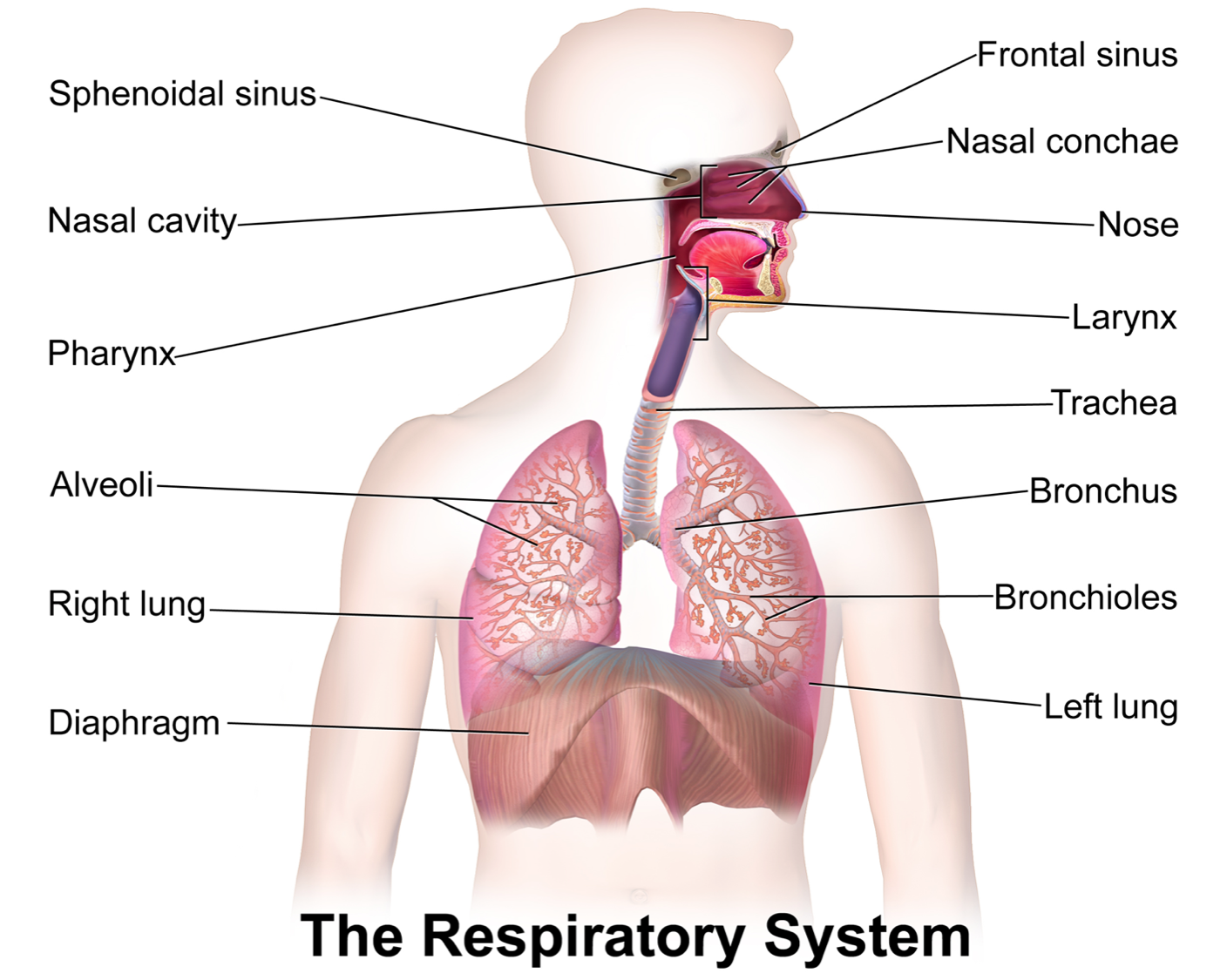
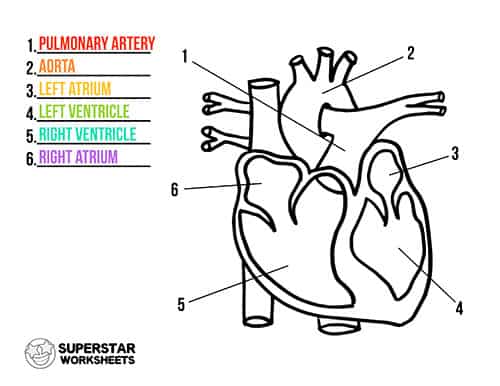
Abid is doing a project for his science course and he is required to name all the sub parts of the respiratory system, and the heart. he tries to remember what he learned in class but he cannot manage to recall. help him list and label all the subs for the respiratory system and the heart.
respiratory system:
- frontal sinus, sphenoidal sinus, nasal conchae, nasal cavity, nose, pharynx, larynx, trachea, alveoli, bronchus, right lung, bronchioles, left lung, diaphragm.
Heart:
- pulmonary artery, aorta, left atrium, left ventricle, right ventricle, right atrium.
400
What is the number one killer in canada?
- drugs
- cancer
- heart disease
- covid-19
- suicide
- respiratory diseases
the number one killer in canada according to health canada is cancer but heart disease is the close second on the leading causes of deaths.