Heat Illness
Risk Factors
Prevention Methods
What do we do?
Wildfire Smoke
100
This heat-related illness results in clusters of red pimples or gooseflesh appearance of the skin
:max_bytes(150000):strip_icc():format(webp)/Health-GettyImages-1252857364-ade68c469a54402cbe3a77df459559a7.jpg)
What is Heat Rash or Prickly Heat?
First Aid Response - move to a cooler, less humid area, keep rash dry, apply powder to increase comfort (do not apply ointments or creams)
100
Alcohol use is this type of risk factor
What is personal?
*Additional personal risk factors include:
Health conditions - diabetes, high blood pressure, being overweight, heart disease, kidney disease, respiratory diseases, etc.
Medications - antihistamines, diarrhea medications, diuretics, muscle relaxants, sedatives, psychiatric medications, etc.
Physical Characteristics - old age, lower physical fitness level, pregnancy, history of heat-illness, acclimatization level, etc.
Behavior Choices - alcohol or caffeine consumption, illicit drug use, lower water consumption, etc.
100
This is the best time of the day to perform heavy work
What is during the cooler parts of the day?
*Early morning or evening
100
Where you can get suitably cool, potable water during work
What is from drinking fountains, portable coolers, and/or ice machines?
TIP: PLAN AHEAD when there is no water at the job site!
100
The Air Quality Index (AQI) level that is unhealthy for everyone
What is 151 AQI or greater?
200
A specific heal illness that includes muscle pain or spasms in abdomen, arms or legs

What is Heat Cramps?
First Aid Response - drink fluids every 15 to 20 minutes, eat a snack or sports drink, get medical help if symptoms do not subside within 1 hour
200
PPE does this to the heat load burden to the body
What is increases?
*So does the level of activity and exertion you are doing, and clothing you are wearing.
200
Amount of water to consume when hot

What is frequent, small quantities, up to 4 cups per hour?
But not TOO MUCH! Too much water can hyponatremia, a severe electrolyte imbalance that can cause headaches, confusion, seizures, and even coma.
200
This is the most common way to judge your hydration level
What is Urine Color?

200
This is the website you can use to view the current Air Quality Index (AQI) for our area
What is www.AirNow.gov?
Other good resource: Watch Duty AQI layer
*During wildfire event = Check AQI before work
300
This heat-related illness comes with symptoms of hot, dry skin
What is Heat Stroke?
Additional Symptoms - confused or altered mental state, slurred speech, loss of consciousness, seizures, very high body temperature
First Aid Response - CAN BE FATAL - CALL 911 IMMEDIATELY, move to cool area, remove outer clothing, cool with water/cold compress/ice/fans, stay with worker until help arrives
300
Heat-illness susceptibility is similar for everyone
What is false?
*It is important you are aware of your risk factors and communicate concerns you have with your supervisor.
300
Process for gradually increasing exposure to heat
What is Acclimatization?
Day 1 = 50%
Day 2 = 60%
Day 3 = 80%
Day 4 = 100%
New workers = 20% increase each day
Applicable during initial heat exposure or during heat waves, monitoring period is 14 days
300
This is the trigger temperature for high-heat provisions
What is 95 degrees?
*Supervisors need to monitor the weather and employees, conduct pre-shift meetings to discuss procedures, implement mandatory buddy system or regular check-ins, remind employees to drink plenty of water, and rights to take a cool-down break when necessary.
Other Heat Illness Prevention elements (Shade-Water-Rest) required at
80 degrees - outdoor work
82 degrees - indoor work
300
This device that can be used to limit exposures to harmful particulate matter
What is a respirator?
NIOSH Certified N95 filtering "dust mask" - shirts/bandanas do not provide protection
Respirator use is voluntary up to AQI of 500, but people with heart or lung problems should ask their health care provider before using.
N95's are not effective if not worn properly (some types of facial hair, where other contaminates are present - such as gases, vapors, or oxygen deficient atmospheres)
DAILY DOUBLE (POINTS) OPPORTUNITY: Demonstrate proper donning
or watch a boring video: https://youtu.be/oiNwfhvhVfI
400
This heat illness includs headache, nausea and dizziness

What is Heat Exhaustion?
Additional Symptoms - weakness, irritability, thirst, heavy sweating, elevated body temperature, decreased urine output.
First Aid Response - Call for medical help or take to health facility for evaluation move to cool area, give cool liquids and encourage frequent sips, remove unnecessary clothing, cool with water/cold compress/ice/fans, stay with worker until help arrives
400
Low or lack of air movement is this type of risk factor
What is environmental?
*Also: High temperature, high humidity, heat from radiant or conductive heat sources (sun, ground, machinery, etc.)
400
The best clothing to wear to minimize the effects of heat
What is light colored, loose fitting?
400
They type of discipline you will receive for exercising your heat prevention rights
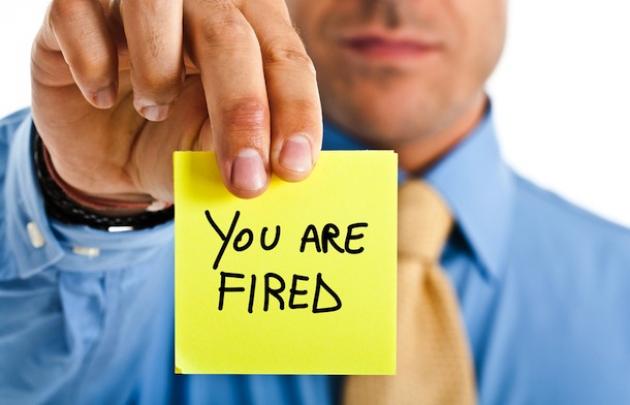
What is NONE?
400
This size of wildfire smoke particulate matter is considered most harmful
What is PM2.5 (the main harmful pollutant)?
A particle with a diameter of 2.5 microns or less is the main harmful pollutant because it can penetrate deep within the respiratory system, irritating lungs and cause persistent coughing, phlegm, wheezing, or difficulty breathing.
People over 65 and those with heart and lung problems are most likely to suffer serious health effects such as reduced lung function, bronchitis, worsening of asthma, heart failure, and early death.
You have the right to obtain medical treatment if you are injured or sick due to wildfire smoke.
500
A critical body function carried out by water
What is
- Facilitating oxygen delivery to cells?
- Assisting with brain cell communication?
- Preserving moist tissue protective barriers (skin, eyes, nose, mouth)?
- Aiding in nutrient absorption?
- Assisting with the detoxification process and healthy function of the digestive system?
- Temperature regulation?
- Lubrication of joints?
- Shock absorption for central nervous system?
500
When consumed in excess, this item can lead to dehydration
What is
- Sodium?
excessive sodium can cause an imbalance of salinity and pH between cells and the bloodstream and pull water out of the cells to assist in regulation
- Protein?
compared to other nutrients, the breakdown of protein creates higher levels of nitrogen in the body which requires more water to metabolize
- Caffeine?
consuming more caffeine than normal can have cause increased urine output, especially when caffeinated beverages replace non-caffeinated fluid intake
500
This food has the highest water content
What is cucumber (96%)?
Other high water content foods:
95% - Lettuce, Celery, Zucchini, Radish, Eggplant
94% - Tomatoes
93% - Bell Peppers, Portobello Mushrooms
92% - Cauliflower, Broccoli, Spinach, Cabbage, Watermelon, Strawberries
90% - Cantaloupe, Honeydew Melon, Grapefruit
500
This is a shade or cool-down area available to you
What is:
-Air-conditioned vehicles?
-Air-conditioned buildings?
-Canopies/pop-up tents?
-Trees or other?
*Supervisor should encourage preventative cool-down rest periods and monitor employees for heat-related symptoms.
Engineering controls to reduce indoor heat exposure should be implemented first. Ex: portable fan
500
This change to work should be considered during a wildfire event
What is:
- Reduce work time in smoke effected areas? (move work indoors, job rotation, or postpone tasks)
- Increase rest time? (preferably in filtered air)
- Reduce physical intensity of work? (lower breathing and heart rate)