Rules & Procedures
Library Basics
Fiction vs Nonfiction
Fact vs Opinion
Research
Picture Book Organization
(2nd grade)
(2nd grade)
100
What voice level should we be at while entering the library?
level zero (0)
100
Libraries are special places where people can ____ books.
borrow
100
Fiction means...
made up story from the author's brain
100
An opinion is something you...
feel and believe.
100
What is research?
Looking things up to get answers to questions.
100
Books with a lot of pictures that help to tell the story are called what kind of books?
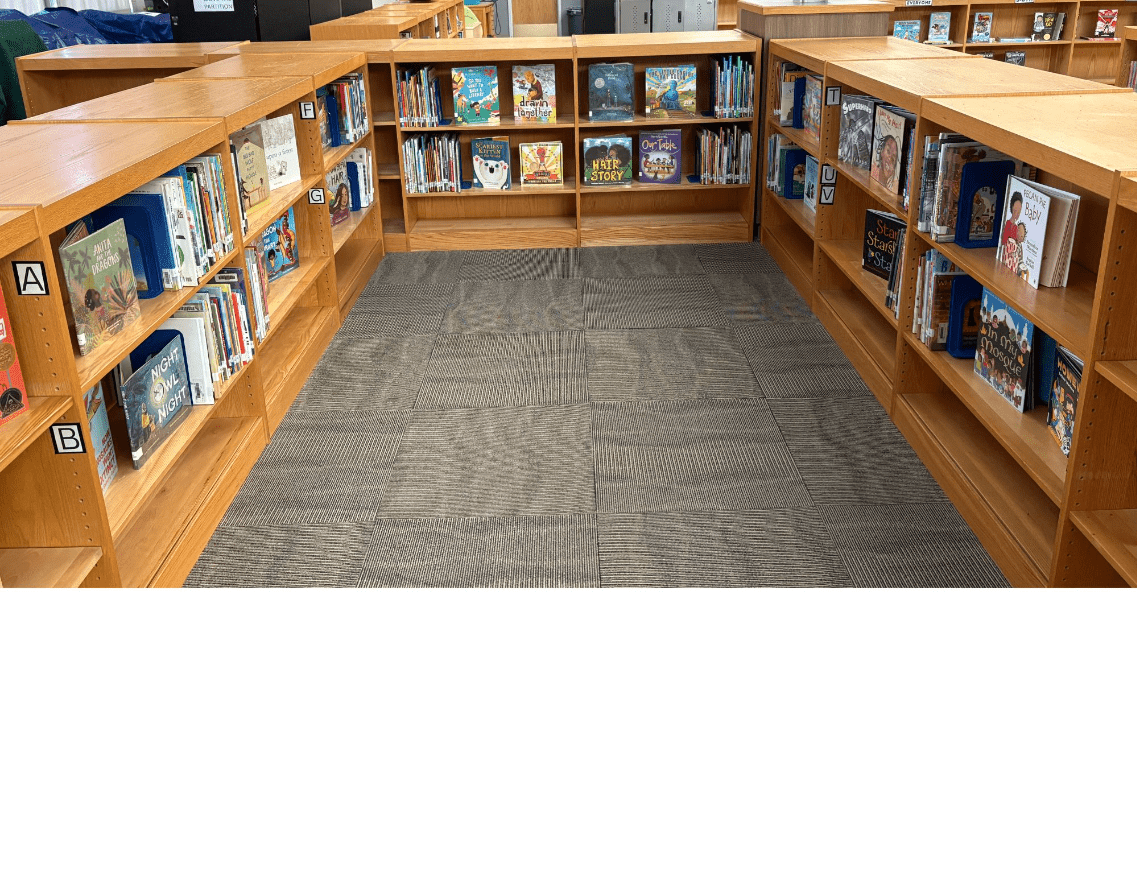
Picture Books
200
How should we move our bodies in the library?
Calm, walking feet, hands to yourself.
200
What kind of people are welcome in the library?
Everyone!
200
Nonfiction means...
Real life facts and information
200
True or False: everyone has to have the same opinion.
false
200
What is the first thing you do when you want to know more about something?
Ask a question!
200
True or False: books have a certain place on the shelf where they belong?
True!
300
Once you find the book you want to borrow, what do you do with it?
97: Bring it to the purple line to check it out.
59: Bring it to the footprints to check it out.
300
How does it help other people in the community when you respect the library and take care of your books?
Other people get to read the books too, others can focus and enjoy the library.
300
A book about a talking and dancing cow would be fiction or nonfiction?
fiction
300
Facts can be ____ to be true or false.
proven
300
Where can we look for answers to our questions?
Books, ask an adult, online (databases (novelNY), Google, Kiddle, etc.).
300
Picture books all have an E on the spine (call number/address). E stands for what?
Everyone
400
Name two ways you can treat your book responsibly.
hold with two hands, keep away from food & drinks, be careful turning the pages, return it on library day.
400
Where do you return your books to after you're done reading them?
97: return cart
59: circulation desk (librarian's desk)
400
A book with facts about Taylor Swift's life would be?
nonfiction
400
What is something you can do if you are having a hard time disagreeing with someone else's opinion?
Compromise, talk it out, agree to disagree.
400
Why do we make posters or presentations after we finish our research?
To share what we learned with other people.
400
How do we know where picture books go?
Color sticker and the first letter under the E.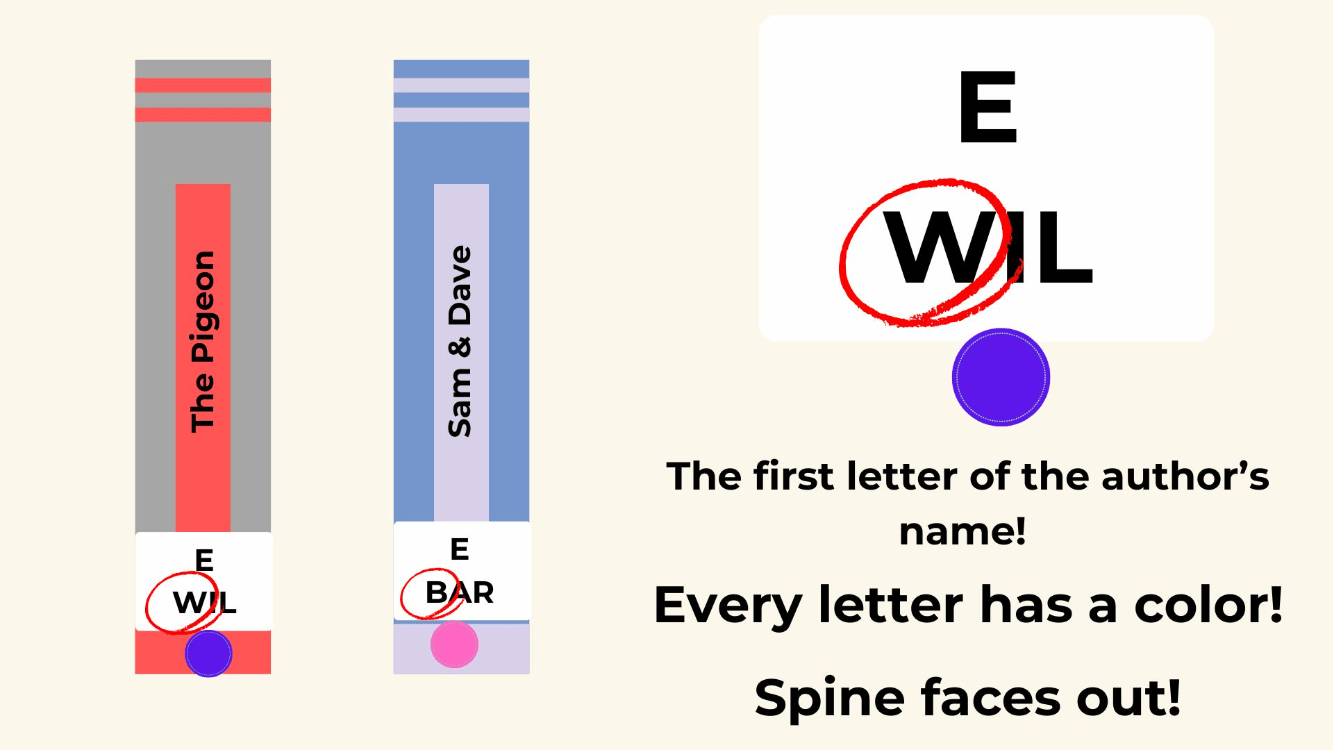
500
What is the part of the book called that Ms. R scans when you check it out?
The barcode
500
A book about Taylor Swift meeting a singing cat would be?
fiction
500
Can there be bits of an author's opinion in a nonfiction book?
Yes! Another reason to fact check.
500
What are picture books called when they have no words?
Think of Chalk and Spencer's New Pet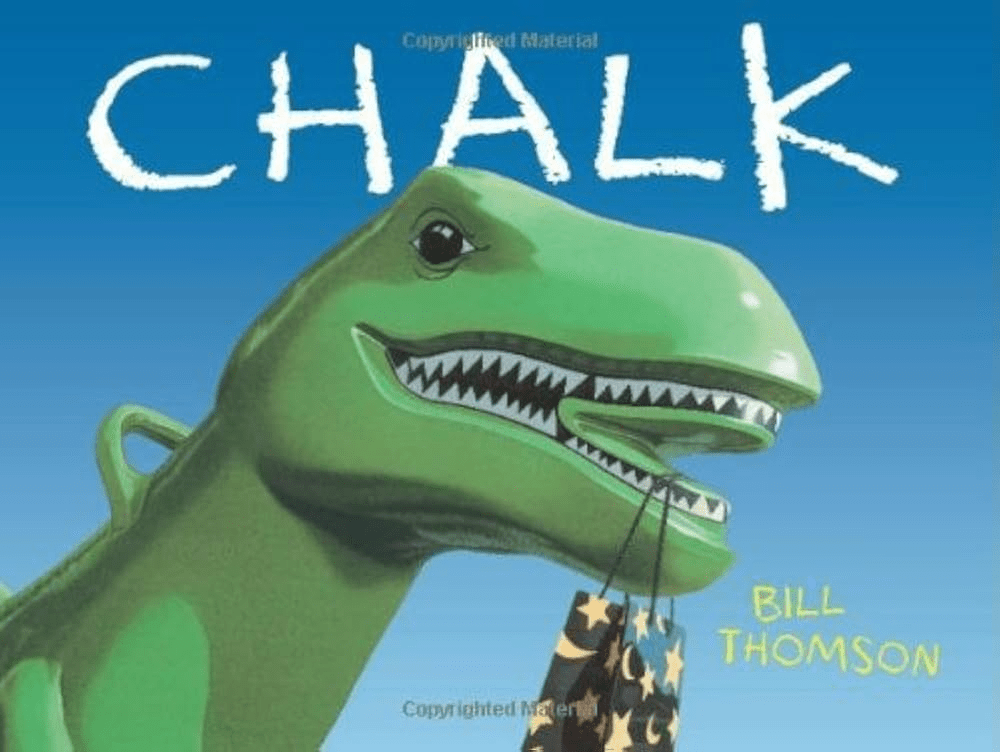
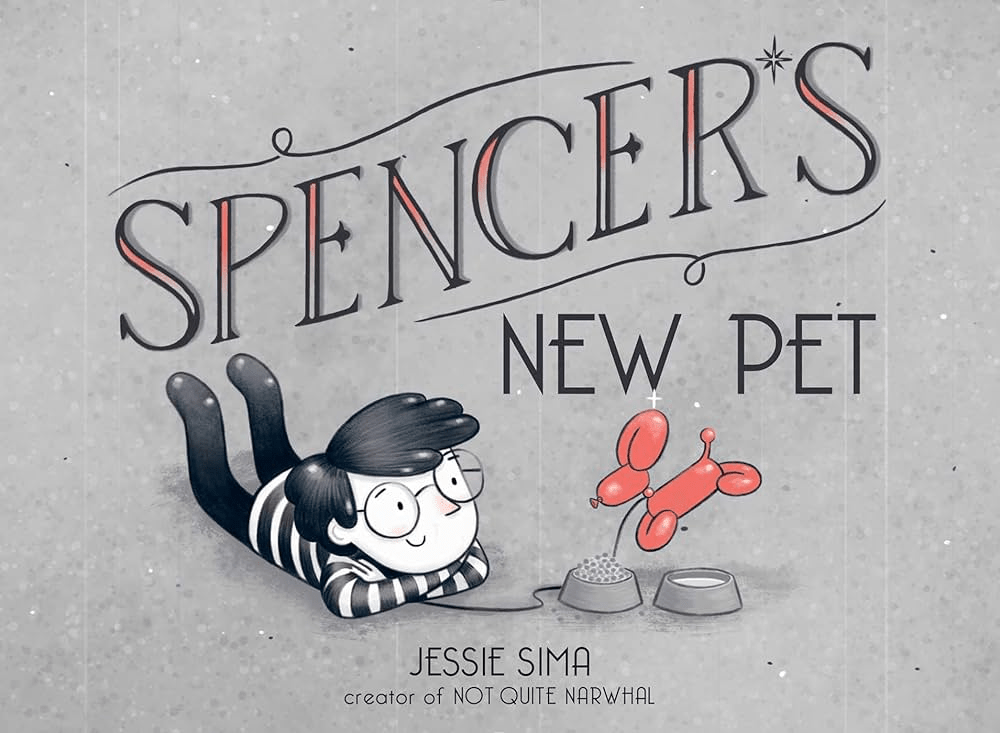
Wordless picture books
600
How should we be sitting/acting during a story?
Sitting silently, hands in our lap (to ourselves), criss-cross on rug, chair on the floor, raise hand for question or comment.
600
Why do we have to check out our books? Why can't we just leave with them?
To know who has it out and what books have/haven't been returned yet.
600
When doing a research project, will you mostly use fiction sources, or nonfiction sources?
nonfiction