What is Forensic Anthropology?
What do Forensic Anthropologists do?
Bones and Joints
Determining Gender
Age, Race and Trauma
100
This field applies the study of human bones to solve crimes.
Forensic Anthropology
100
Determining whether bones belong to a human or an animal is part of this task.
identifying human remains?
100
Babies have more bones than adults because bones do this as they grow.
They fuse together
100
This bone is the most useful for determining gender.
Pelvis
100
Teeth are best used to determine this age range.
Ages 0-5
200
Forensic anthropology is a special branch of this larger field of science
Physical Anthropology
200
Examining injuries or marks on bones helps determine this.
cause of death?
200
A place where two bones meet is called this.
the joint
200
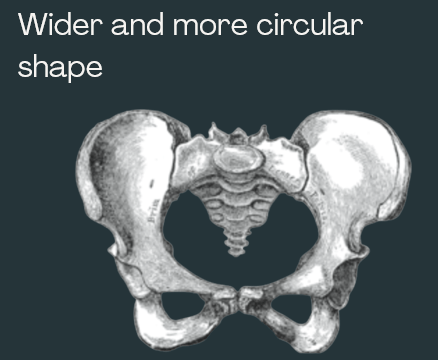 A wider, more circular pelvic inlet usually indicates this gender.
Female
200
The ratio of the width to height of the nose is known as this
The nasal index
300
Forensic anthropology became especially popular during these historical events.
During World War II and the Korean War
300
This estimate is based on how much a body has decomposed.
time of death
300
This connective tissue wraps the ends of bones to protect them.
Cartilage
300
A pubic arch greater than 90 degrees is typical of this gender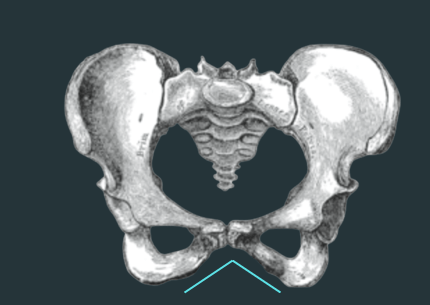 .
.
Female
300
Clean cuts or grooves in bone are signs of this type of trauma.
sharp force trauma
400
Forensic anthropologists often work with skeletal, badly decomposed, or _____ remains.
unidentified human remains?
400
Forensic anthropologists often help identify numerous victims in these situations.
Mass disasters or war zones
400
These bands of tissue connect bone to bone.
ligaments
400
A larger, square jaw and prominent brow ridge suggest this gender. 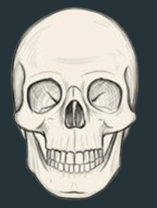
Male
400
Round or oval holes in bone are evidence of this type of trauma.
Projectile trauma
500
One legal reason forensic anthropologists identify human remains is to help with this process.
criminal investigation or legal identification?
500
Age, gender, ancestry, and height are all examples of this type of information
Biometrics or biological pofile
500
These connective tissues connect muscle to bone.
tendons
500
This skull feature is a bony bump located behind the ear.
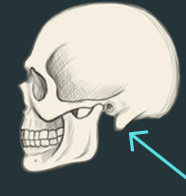
Mastoid Process
500
Small pegs placed on the skull during facial reconstruction represent this.
Tissue depth markers