Digestive System
Urinary System
Nervous System: Med Terms
Nervous System: Structures
Nervous System: Functions
Nervous System:
Disorders
Disorders
100
The medical term prefix gastro- refers to this organ.
Stomach
100
This hollow muscular sac stores urine prior to being released from the body.
Bladder
100
A basic structural unit and cell of the nervous system is known by this term.
Neuron
100
Together, the brain and the spinal cord make up this division of the nervous system.
Central Nervous System
100
These specialized neurons carry nerve impulses away from the brain and spinal cord to muscles and glands.
Motor Neurons
100
A patient presents with confusion, headache, nausea, and different sized pupils after falling from a ladder. What is most likely the cause?
Traumatic Brain Injury
200
This feather-shaped organ produces digestive enzymes and empties them into the duodenum to continue the chemical breakdown of food.
Pancreas
200
Excessive Urination
Polyuria
200
Cerebell/o
Cerebellum
200
What is the part of a neuron that insulates it and allows for faster impulses?
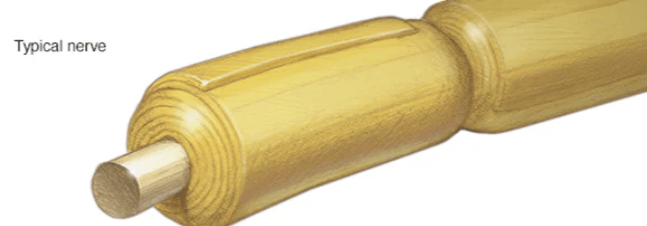
Myelin Sheath
200
Planning, recalling information, reasoning, and decision-making are primary functions of this brain structure.
Cerebrum
200
Progressive memory loss, confusion, poor decision-making, and an inability to recognize loved ones are characteristic of this disorder.
Alzheimer's Disease
300
Water absorption, bacterial action, fecal formation, and defecation are all primary functions of this organ.
Large intestine
300
This outer layer of the kidney contains the functional filtering units known as nephrons.
renal cortex
300
a chemical messenger that carries, boosts, and balances signals between neurons (ex. Acetylcholine)
Neurotransmitter
300
This part of a nerve cell is specially constructed to transmit electrical messages away from the cell body to another neuron.
Axon
300
Nerve impulses travel from one neuron to another across this microscopic gap.
Synapse
300
A patient presenting with a severe headache, nausea, vomiting, and a stiff neck who undergoes a diagnostic lumbar puncture is being evaluated for this condition.
Meningitis
400
A student experiencing severe stress related to final exams and graduation requirements is at risk for developing this digestive condition.
Peptic Ulcer
400
Hemodialysis is a treatment procedure that artificially replaces this primary renal function.
Filtration
400
body perceives danger and prepares to run away or stand and fight; heart rate increases, mouth becomes dry, and pupils and bronchi dilate
Fight or Flight Response
400
Located directly below the cerebrum, this structure coordinates balance, posture, and muscle movements.
Cerebellum
400
Voluntary muscle movement is coordinated by this specific lobe of the cerebrum.
Frontal Lobe
400
An elderly patient experiencing resting tremors, muscle rigidity, and a shuffling gait is displaying signs of this disorder.
Parkinsons Disease
500
People infected with this viral liver condition are often unaware of symptoms and may become chronic carriers.
Hepatitis
500
If a patient has a disorder affecting the release of antidiuretic hormone (ADH), this specific urinary process is affected.
Reabsorption
500
Convolutions
elevated folds on the surface of the cerebrum that increase the surface area of the brain
500
This structure in the diencephalon regulates appetite, body temperature, fluid balance, and weight control.
Hypothalamus
500
When facing sudden danger, an increased heart rate and sweaty hands indicate the activation of this branch of the autonomic nervous system.
Sympathetic Nervous System
500
A 35-year-old patient complaining of fluctuating chronic symptoms of weakness in the extremities, double vision, and speech difficulty may be evaluated for this chronic nerve disorder.
Multiple sclerosis