Hip Anatomy
Hip Injuries
Knee Anatomy
Knee Injuries
Random
100
How many muscles make up the hamstrings?
3
100
A contusion of the iliac crest (hip)
Hip Pointer
100
How many major ligaments stabilize the knee (tibiofemoral joint)?
4
ACL, PCL, MCL, LCL
100
Patellofemoral syndrome is also known as
Runner's knee
100
Lachman's and anterior drawer are special tests used to evaluate the
ACL
200
The largest bone in the body is the
Femur
200
Impact to the relaxed thigh.
The extent of the force and the degree
of thigh relaxation determine the depth
of the injury and the amount of
structural and functional destruction
that takes place.
Quadricep Contusion
200
The knee is a _________ joint. (Type of joint)
Hinge
200
A condition in which repetitive activity can cause the patellar tendon to become inflamed or partially pull away from the attachment on the tibial tuberosity.
Osgood-Schlatter (disease)
200
McMurrays and Apley's Compression are special tests used to help the AT identify _____________ injuries
Meniscus
300
Identify the following muscle (full name)
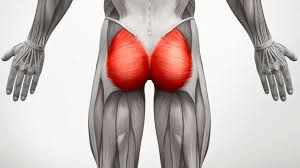
Gluteus Maximus
300
Foot is usually planted and a severe
blow impacts the femur.
Femur Fracture
300
The primary job of the ___________ is to prevent posterior movement of the tibia on the femur.
PCL/ Posterior Cruciate Ligament
300
Jumper's knee is also known as
Patellar tendinitis
300
When treating quad contusions, it is best to have the athlete ice the injured area with the knee in a ___________ position.
Flexed
400
Known as the "hip socket", and is where the head of the femur fits into the cup shaped portion of the pelvis
Acetabulum
400
Excessive Abduction of the high and/or external rotation
Groin Strain
400
The patella is a ___________ bone, or a floating bone, due to it being imbedded in a tendon
Sesmoid
400
You get called out to the field to an athlete with knee pain. You notice their patella sitting more lateral than the uninjured leg. Based on the picture, the athlete has sustained a
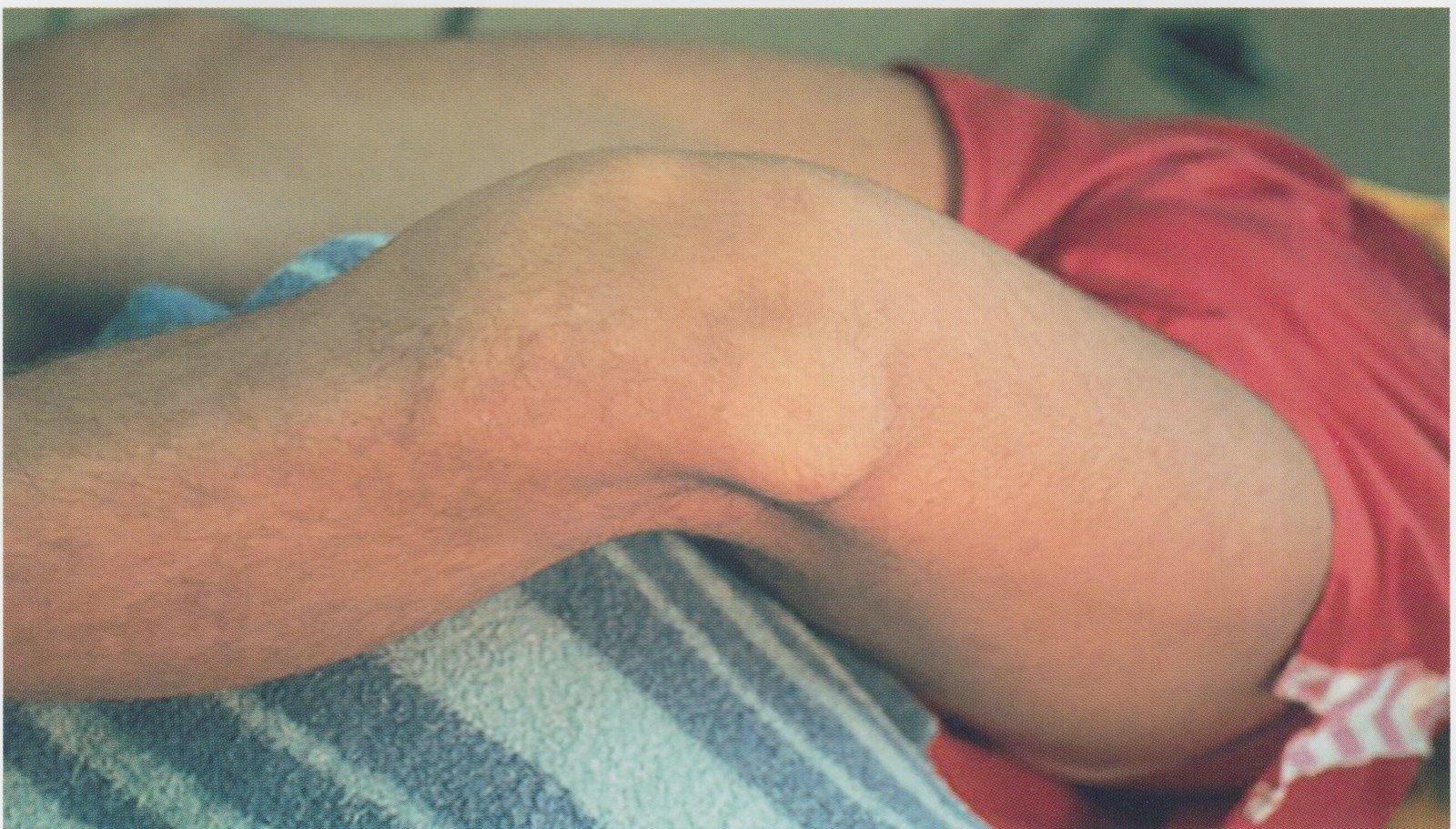
(Patellar) Dislocation
400
If an athlete has problems with their knees, the AT should examine their leg structure to determine if they have genu-varus (bowlegs) or ___________ (Knock-knees)
Genu Valgus
500
A tough piece of fibrous tissue attached to the acetabulum that helps to secure the femur in place and cushion the joint
Labrum
500
Severe blow to the anterior thigh while the muscle are actively engaged in activity
Ruptured Rectus Femoris
500
Identify the following quad muscle
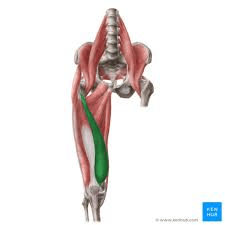
Vastus medialis
500
AT's should also be aware of potential damage to the meniscus when treating ______ (ligament) injuries
MCL
500
Identify the damaged ligament
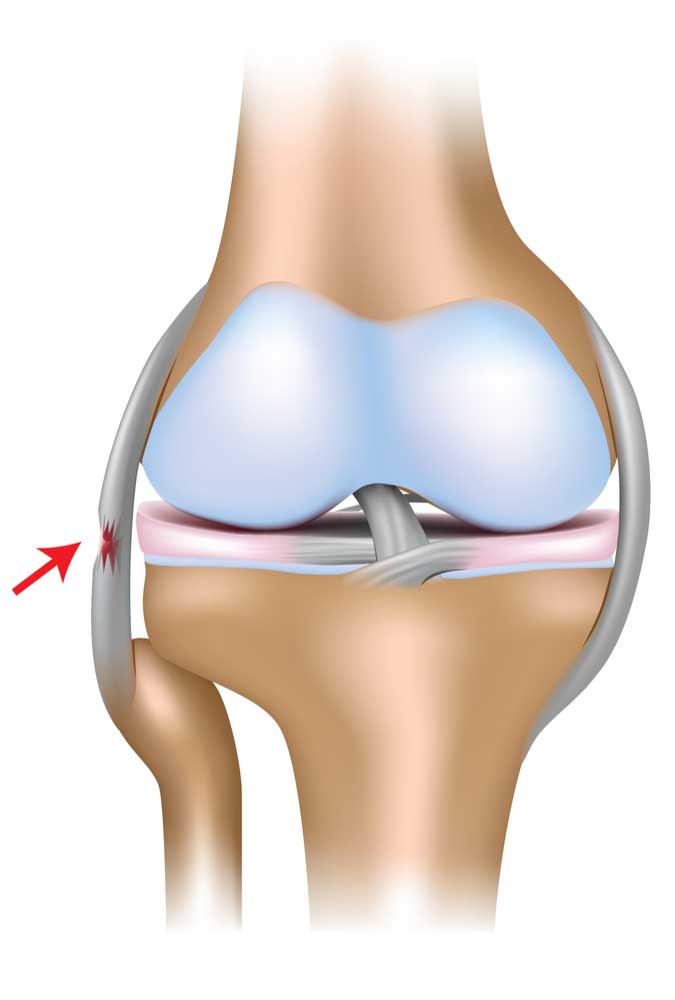
LCL