The Tabernacle
Offerings and Sacrifices
The Day of Atonement
Living a Holy Life
Miscellaneous (Double Points)
100
This portable structure was where the Israelites worshipped God in the wilderness.
The Tabernacle
100
In ancient Israel, what did offerings show to God?
Love, Devotion, Obedience
(Central, often joyful, religious duty to "draw near" to God. Included animal sacrifices, grain, oil, and wine)
100
This holy day happened once a year and helped the whole community be spiritually clean.
the Day of Atonement (Yom Kippur)
100
God told Israel, “Be ___, for I the Lord your God am ___.”
Holy

100
The word "Atonement" is translated from a Hebrew word that means what?
To "cover" or "wipe away"
200
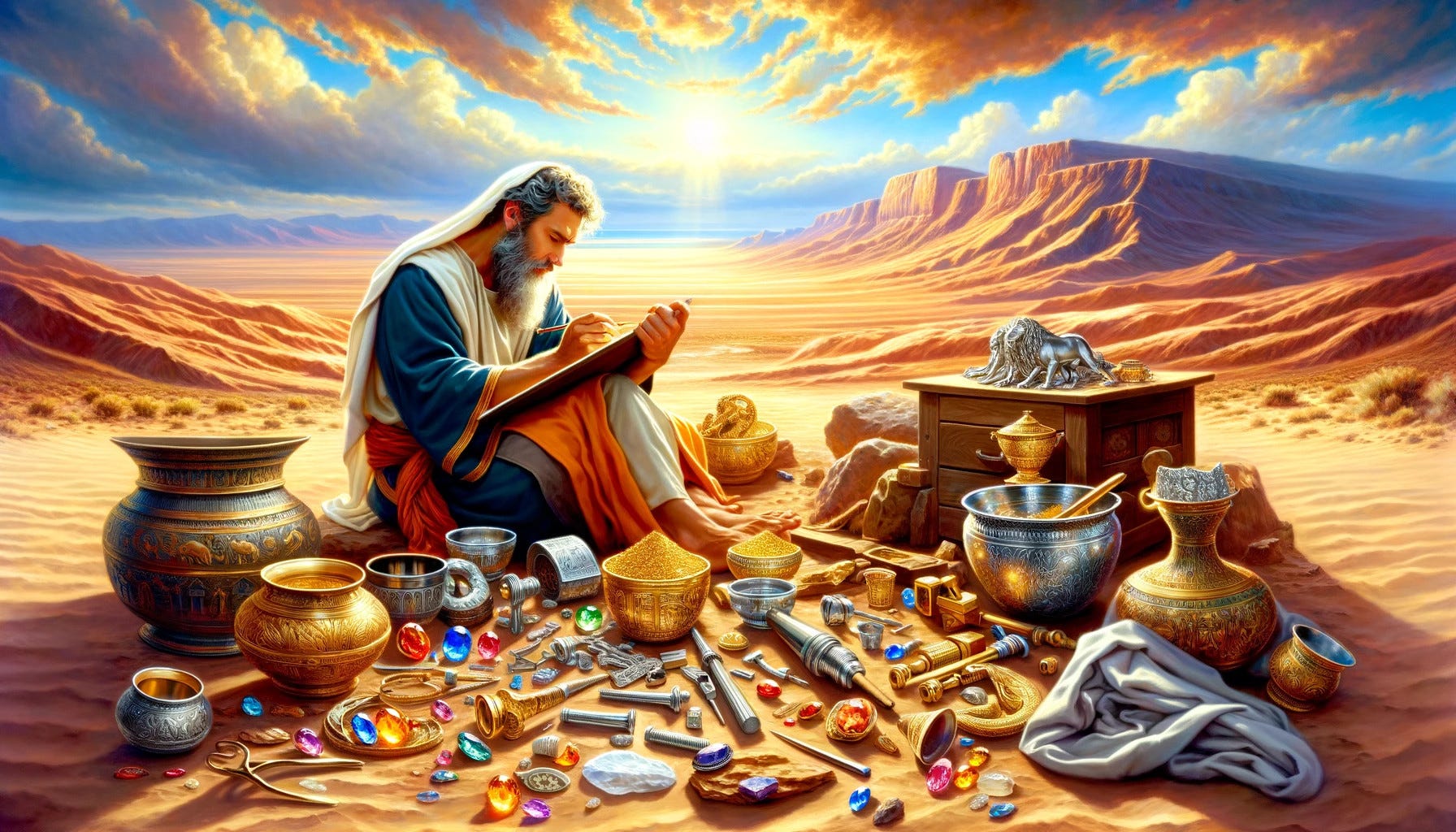
What did God ask the Israelites with a willing heart to donate for the tabernacle?
Materials (Gold, Silver, Brass, Fine Linen)
200
The “burnt offering” symbolized giving this to God.
your whole heart or your whole self
200
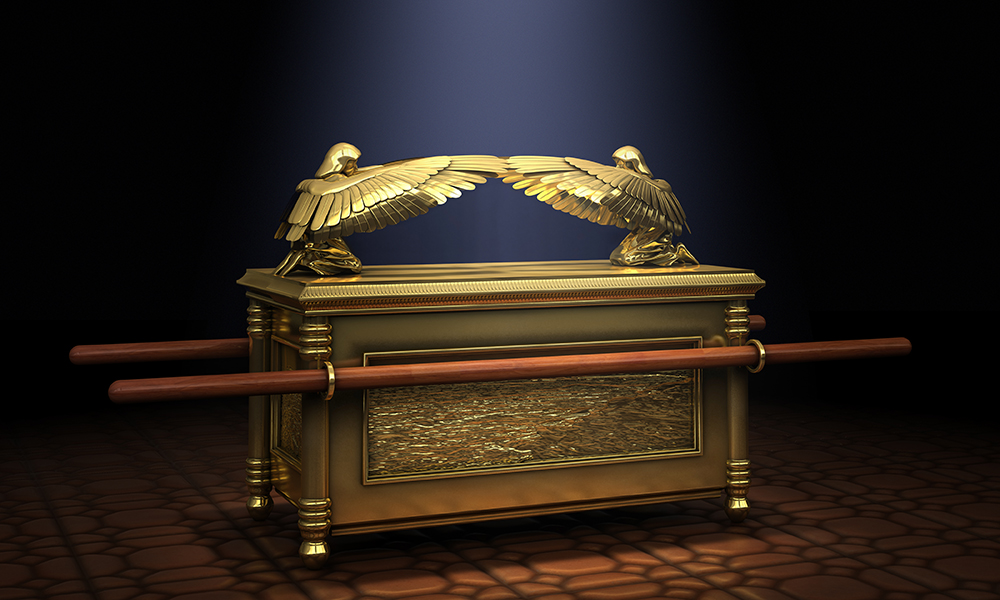
The high priest entered this sacred room only on the Day of Atonement.
What is the Holy of Holies
200
Leviticus 19 teaches us to “love your ___ as yourself.”
neighbor

200
Name at least two parts of the high priest's clothing
Mitre (cap), holy crown, Coat (tunic), Breastplate, Girdle, Ephod, Robe
300
The cloud of the Lord resting on the Tabernacle showed this.
God’s presence was with them
(Additionally, the pillar of cloud and fire came between the Israelites and Egyptians at the Red Sea and then guided the Israelites throughout their journey in the wilderness)
300
The “sin offering” taught the Israelites that mistakes can be forgiven when they do this.
repent or turn back to God
300
One goat was sent into the wilderness to symbolize sins being carried away. What was it called?
the scapegoat

300
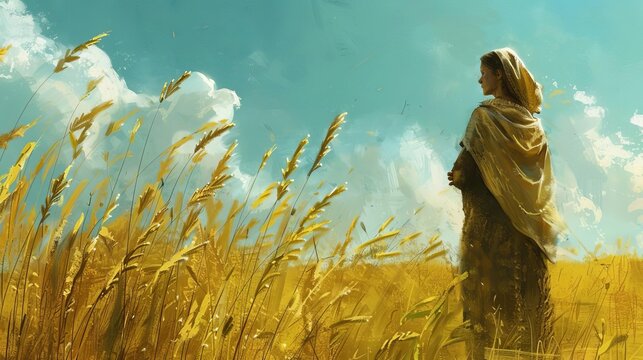
God commanded the Israelites not to “glean” the corners of their fields so they could help these people.
The poor and the stranger
300
Name the three items in the holy place
The Table of Shewbread (Bread of the Presence) - God's provision
The Golden Lampstand (Menorah) - God's light
The Altar of Incense - the prayers of the people
400
The Tabernacle had three main areas. Name one.
the Outer Court, the Holy Place, or the Holy of Holies
400
True or False: God required the same offering from everyone, no matter their situation.
False (God allowed different offerings based on ability)
400
What book mentions the word atonement more than any other book of scripture?
Leviticus
400
This commandment from Leviticus 19:11 teaches honesty in everyday life: “Thou shalt not ___.”
steal or lie

400
What was placed inside the holy of holies and what did it symbolize
The Ark of the Covenant which symbolized:
1. God's presence among His people
2. God's Covenant with Israel (Stone tablets/commandments, Aaron's rod that budded/ God chooses His leaders, pot of manna/God provides for His people)
3. Mercy and Atonement (Mercy seat)
500
This man was filled with the Spirit of God to help build the Tabernacle with skill and wisdom. (Hint, this questions is about the chief artisan of the Tabernacle rather than Moses or Aaron)
Bezaleel
500
Instead of sacrifices today, we show devotion to God by doing these kinds of things.
prayer, kindness, service, obedience, etc.
500
The high priest had to prepare himself carefully before entering the Holy of Holies. Name one way he prepared.
washing, wearing special clothing, offering prayer, etc.
500
Leviticus 19 teaches that holiness includes how we treat others. Name one modern way to live this principle.
Being kind, including others, serving, forgiving, etc.
500
What is inscribed on every modern-day temple?
Holiness to the Lord
The House of the Lord
