Skeletal and Muscular Systems
Digestive and Excretory Systems
Respiratory and Integumentary Systems
Circulatory System
Levels of Organization
100
What are the functions/jobs of the skeletal system?
(3 functions)
Structure
Protection (rib cage, skull)
Create blood cells
100
What are the functions/jobs of the digestive system?
(3 functions)
Break down food
Absorb nutrients
Store and remove solid waste
100
What are the functions/jobs of the respiratory system?
(3 functions)
Breath in oxygen
Exhale carbon dioxide
Transfer gasses from lungs into blood stream
100
What are the purposes/functions of the circulatory system?
Uses blood to move oxygen and nutrients around the body
Uses blood to pick up waste like carbon dioxide from around the body
100
What is the least complex level of organization in an organism?
A cell!
200
What are the functions/jobs of the muscular system?
(2 functions)
Move the body
Pump blood
200
What are the functions/jobs of the excretory system?
(2 functions)
Filters blood
Stores and removes liquid waste (urine)
200
What are the functions/jobs of the integumentary system?
(3 functions)
Protection (Keep germs out)
Temperature regulation/control (keeps body cool or warm)
Sensory (feel the environment)
200
What are the main organs of the circulatory system?
(Name 3)
Heart, Arteries, Veins, Blood vessels, Capillaries, Blood
200
cells with the same function team up to form a...
Tissue!
300
How does the skeletal system work with the muscular system?
The skeletal system provides a framework for muscles to form around. Muscles then work to move the skeletal system along with the rest of the body!
300
What are the organs of the digestive system?
(Name at least 4)
Esophagus, Stomach, Small Intestines, Large Intestines, Liver, Gall Bladder
300
What organs are a part of the respiratory system?
(do your best :)
Lungs, Trachea (windpipe), Nose
300
How does the skeletal system assist the circulatory system?
Skeletal system creates blood cells within bones
300
Tissues with different jobs come together to form an...
Organ
400
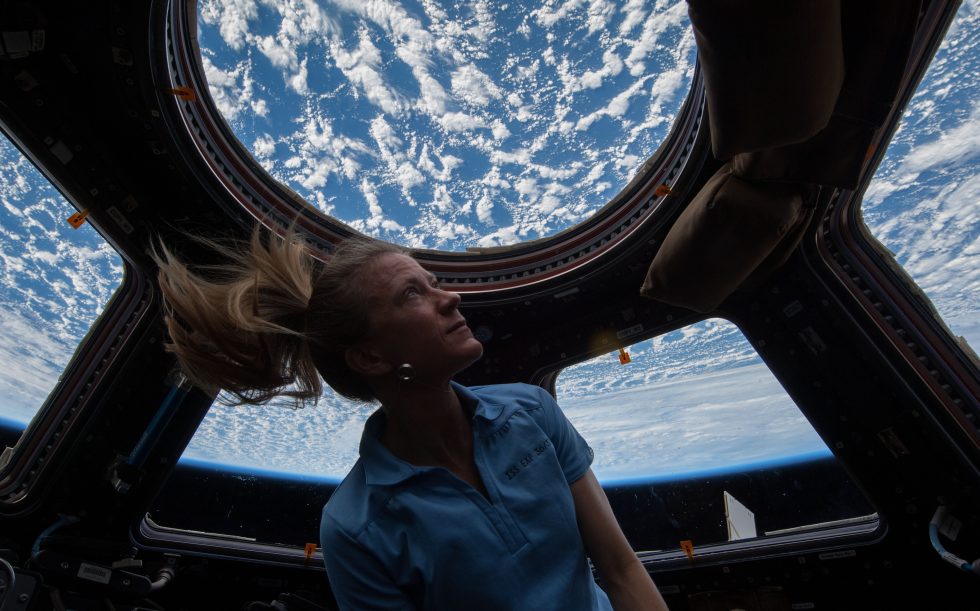
How is the muscular system affected by being in space, a microgravity environment?

Muscles atrophy, or weaken, while in microgravity because they do not have to work as hard in outer space. This causes astronauts to lose strength while in the international space station.
400
How does the excretory system work with the circulatory system?
Excretory system filters blood at the kidneys by removing toxins
400
How does the integumentary system work with the nervous system?
Nerves from the nervous system run beneath our skin to allow our bodies to feel our surroundings
400
How does the circulatory system work with the respiratory system?
Respiratory system brings in oxygen and transfers the oxygen to the circulatory system.
Circulatory system moves oxygen around body then picks up carbon dioxide.
At the lungs, the circulatory system transfers carbon dioxide back over the respiratory system to be breathed out
400
Organs doing their own job but working with other organs to accomplish a goal create an...
Organ System
500
How is the skeletal system affected by being in space, a microgravity environment?
Bones are constantly being broken down and rebuilt by your body to ensure that the parts of your body under the most stress have the strongest bones.
In space, when your bones are under less stress due to little gravity, your bones do not rebuild as strong as they would on Earth leading to more fragile, less dense, bones.

500
Specialized cells working together in the intestines to absorb specific nutrients is an example of a...
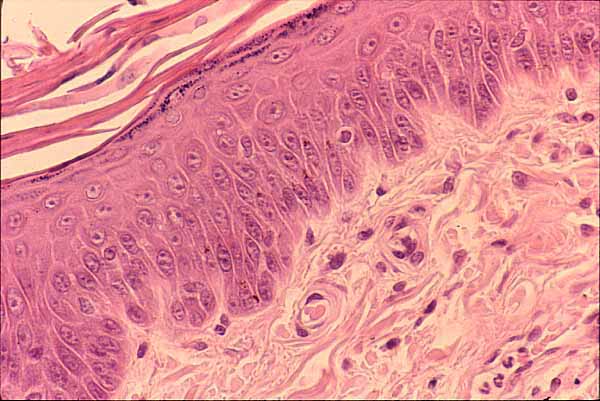
Tissue

500
When you exercise, your muscles need more oxygen to work properly. With this in mind, why do both your breathing rate and heart rate increase during exercise?

Exercise causes your muscles to need more oxygen than when you are resting (make that ATP in the mitochondria!)
Heart rate increases as the circulatory system reacts to muscles needing more oxygen.
Breathing faster allows the respiratory system to deliver more oxygen to the circulatory system.
500
Organ System Question:
Which of the following provides the best evidence that organ systems in the human body interact with one another?
a) skin keeping bacteria and viruses out of the body
b) sweating in response to a hot environment
c) the heart pumping blood around the body
d) protecting vital organs via the rib cage or skull
b) sweating in response to a hot environment
Sweating requires nervous system to detect temperature and integumentary system to sweat, regulating body temperature
500
A specialized cell is most like...
a) another cell within the same tissue
b) the tissue that the cell is a part of
c) the organ the cell is a part of
d) another cell within a different tissue
a) another cell within the same tissue