Vocabulary
Function
More Vocabulary
Infectious Agents
More
100
Breaks down food into nutrients.
A. Respiratory System
B. Musculoskeletal System
C. Digestive System
D. Excretory System
C. Digestive System
100
The diagram shows a human body system.
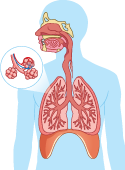
If an individual had a disorder that affected the function of this system, which is the most likely effect of this disorder?
A. difficulty producing red blood cells
B. difficulty regulating body temperature
C. difficulty reacting to stimuli in the environment
D. difficulty getting enough oxygen to supply the needs of body cells
D. difficulty getting enough oxygen to supply the needs of body cells
100
Supports the body and allows movement.
A. Reproductive System
B. Musculoskeletal System
C. Immune System
D. Circulatory System
B. Musculoskeletal system
100
Single-celled organisms that can reproduce on their own.
A. Virus
B. Fungus
C. Parasite
D. Bacteria
D. Bacteria
100
A student developed this model to help explain the functions of the digestive system.
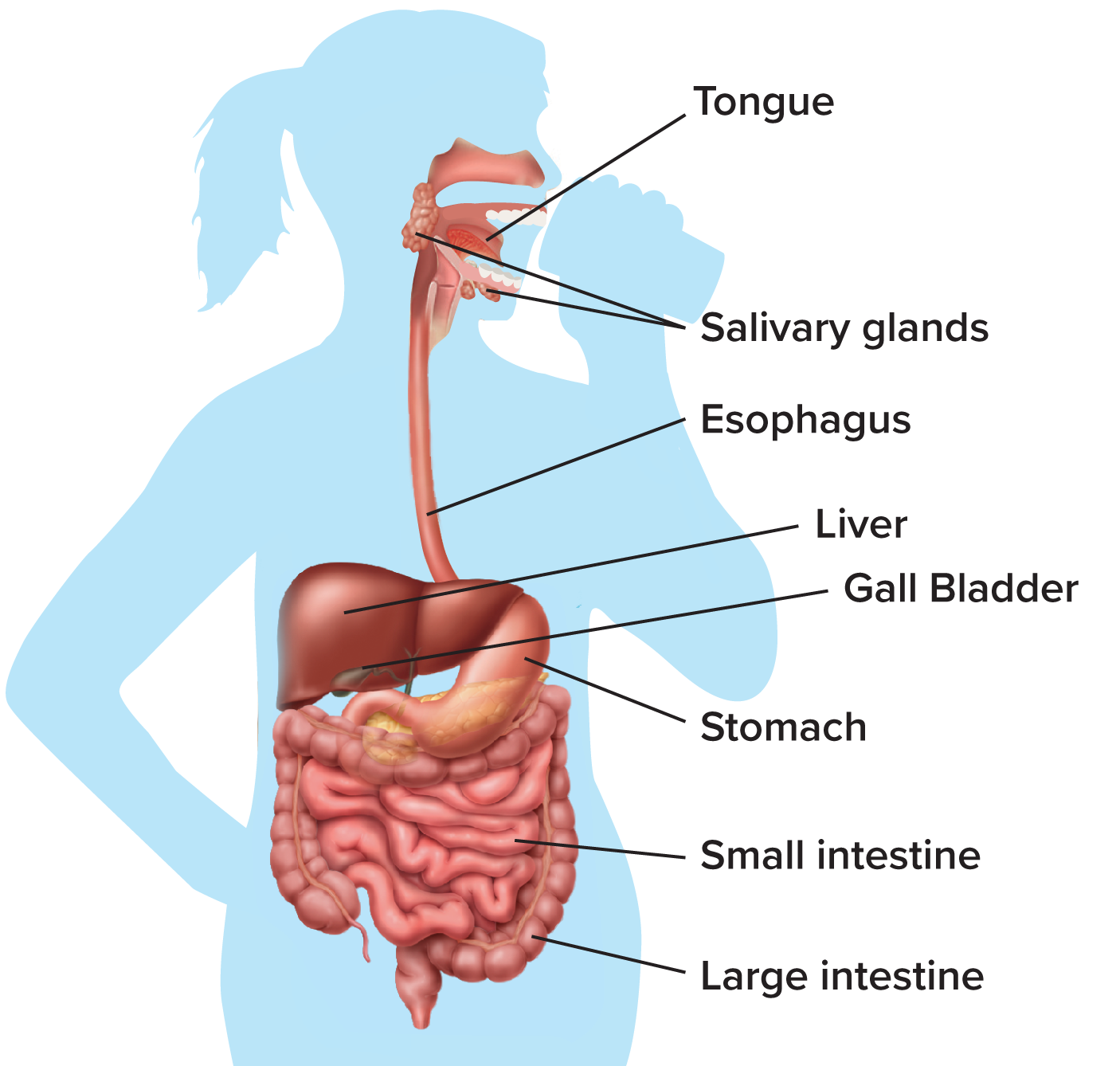
In which organ of the digestive system does most digestion take place?
A. mouth
B. stomach
C. small intestine
D. large intestine
B. stomach
200
Takes in oxygen and removes carbon dioxide.
A. Digestive System
B. Musculoskeletal System
C. Respiratory System
D. Nervous System
C. Respiratory System
200
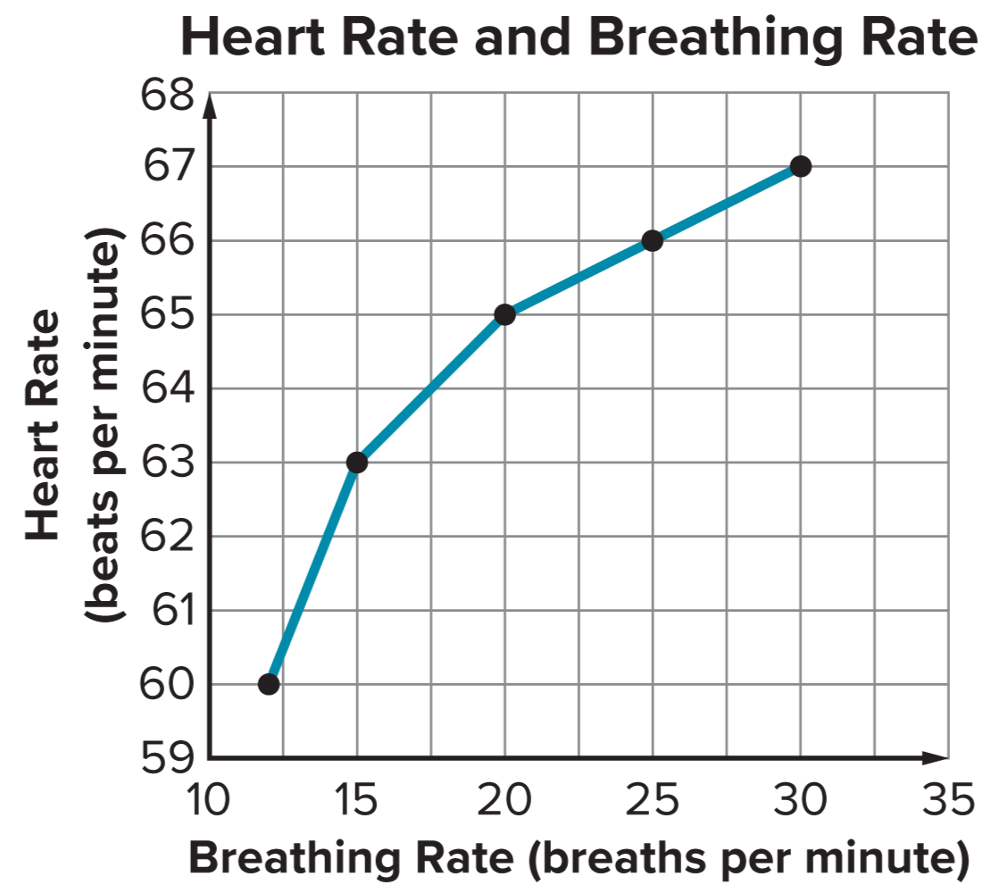
Two students conduct an experiment to see how deep breathing affects heart rate as observed in the graph. What should their conclusion be? FSAS SC.6.L.14.5, SC.6.N.3.4
A. The respiratory system and circulatory system are not connected.
B. At 20 breaths per minute the heart rate is 65 beats per minute.
C. Deep and slow breathing can lower heart rate.
D. Faster breathing can lower heart rate.
C. Deep and slow breathing can lower heart rate.
200
Allows living things to create new life. It helps organisms reproduce, which means to make more of their own kind.
A. Nervous System
B. Digestive System
C. Reproductive System
D. Immune System
C. Reproductive System
200
Nonliving infectious agents that need a host to reproduce.
A. Fungus
B. Parasite
C. Virus
D. Bacteria
C. Virus
200
Which statement correctly describes the function of the parts of the body systems you have learned about?
A. The ureters connect the kidneys to the liver.
B. The mouth digests proteins with the help of saliva.
C. The large and small intestine absorbs water and nutrients, respectively.
D. The kidney filters blood, while the bladder stores food.
C. The large and small intestine absorbs water and nutrients, respectively.
300
Transports oxygen, nutrients, and waste through the body via the heart, blood, and vessels.
A. Excretory System
B. Circulatory System
C. Digestive System
D. Reproductive System
B. Circulatory System
300
Examine the diagrams of some of the systems of the human body.
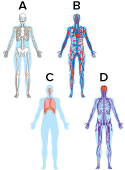
Which of these systems helps the body sense and respond to the environment?
A. skeletal system, labeled A
B. circulatory system, labeled B
C. respiratory system, labeled C
D. nervous system, labeled D
D. nervous system, labeled D
300
Protects the body from infectious agents.
A. Immune System
B. Musculoskeletal System
C. Nervous System
D. Respiratory System
A. Immune System
300
Organisms like molds or yeasts that can cause infections.
A. Fungus
B. Bacteria
C. Virus
D. Parasite
A. Fungus
300
A living thing (like bacteria, virus, etc.) that can cause disease.
A. Immune System
B. Infectious Agent
C. Animal
D. Plant
B. Infectious Agent
400
Sends messages throughout the body to control functions.
A. Nervous System
B. Reproductive System
C. Circulatory System
D. Respiratory System
A. Nervous System
400
The diagram shows a human body system.
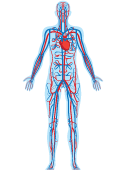
Which is a function of the body system shown in the diagram?
A. supporting the body
B. producing hormones
C. breaking down food for use by the body
D. moving materials to and from body cells
D. moving materials to and from body cells
400
The body's way of maintaining a stable internal environment.
A. Homeostasis
B. Virus
C. Parasite
D. Immune System
A. Homeostasis
400
A living thing that lives on or inside another living thing and harms it.
A. Fungus
B. Parasite
C. Virus
D. Bacteria
B. Parasite
400
Removes waste from the body.
A. Respiratory System
B. Digestive System
C. Circulatory System
D. Excretory System
D. Excretory System