Attachment
Enculturation of Social Norms
Peer Influence
Role of Childhood Experiences
Exam Prep
100
Attachment styles are based on this theory.
Attachment theory.
100
What are two ways enculturation happens?
- Parents
- Peers
- School
- Media
100
Having more friends is correlated with higher self-esteem. What type of correlation is this?
Positive
100
Which of the following is NOT relevant for an essay question on the role of childhood experiences?
- Attachment
- Peer influence
- Enculturation
Trick question - they're ALL relevant.
100
True or False: Enculturation could be asked as an SAQ.
True. It's a topic in the sociocultural approach so it could be an SAQ topic. (Paper 1, Section A).
200
The test used to identify a child's attachment style.
The Strange Situation Procedure
200
What cultural norm is being socialised during rough-and-tumble play? (Tip: the self)
Self-control
200
Free play with peers has been shown to improve this aspect of self-development. (S... E...)
Self-esteem
200
Which of the following childhood experiences is NOT influential in the development of a child's self-esteem?
- Attachment style
- Parenting style (of their parents)
- Number of siblings
- Number of friends
Number of siblings
200
True or False: You don't need to study the human development option for the essay question in Paper 1.
True. There are two questions from two different contexts. That means if one is from human development you would simply answer the other question.
300
The parenting programme that aims to improve attachment by teaching parents how to interpret their child's behaviour and be responsive to their needs.
Circle of security
300
Why are "rites of passage" an example of enculturation?
They are designed to teach adolescents the beliefs, traits, values and/or customs needed to be successful adults in their culture.
300
This unstructured, unrestricted play with no adult supervision is excellent for kids development. What is it?
Free play
300
The parenting style(s) of an individual's parents are an important childhood experience. What are the four parenting styles?
- Authoritarian
- Authoritative
- Permissive (indulgent)
- Neglectful (uninvolved)
300
What are the "six concepts" in IB Psychology?
Change
Perspective
Measurement
Causality
Responsibility
Bias
400
A child with this kind of attachment style will show little emotion when mum leaves them alone with the stranger and when she returns.
Avoidant (Anxious-avoidant).
400
In the German-Cameroon marshmallow study, what were the different values of each culture's parents?
i.e. what did German parents value and encourage in their children and what did the Cameroonian parents value and encourage?
German: individuality and personal freedom
Cameroonian: Obeying elders and conforming
400
Research has shown that having friends can boost self-esteem, but high self-esteem also makes it easier to make more friends. This is an example of what? (Tip: B... A...)
Bidirectional ambiguity
400
When the IB asks to write about the "role of childhood experiences" in the development of self, what could you explain?
- How they influence self-esteem
- How tey influence self-control
- How they influence personality trait development
- All of the above
All of the above.
400
True or False: It's a good idea to write about how research methods are used in the Paper 1 essays.
True. This makes it easier for you to link the concept to the topic.
For example: if you're asked to discuss causality and attachment, you can explain research methods used to study attachment styles and their effects and why these can (or can't) establish causality.
500
A child with this kind of attachment style will be upset when the parent leaves but will refuse consolation and will be hard to settle when she returns.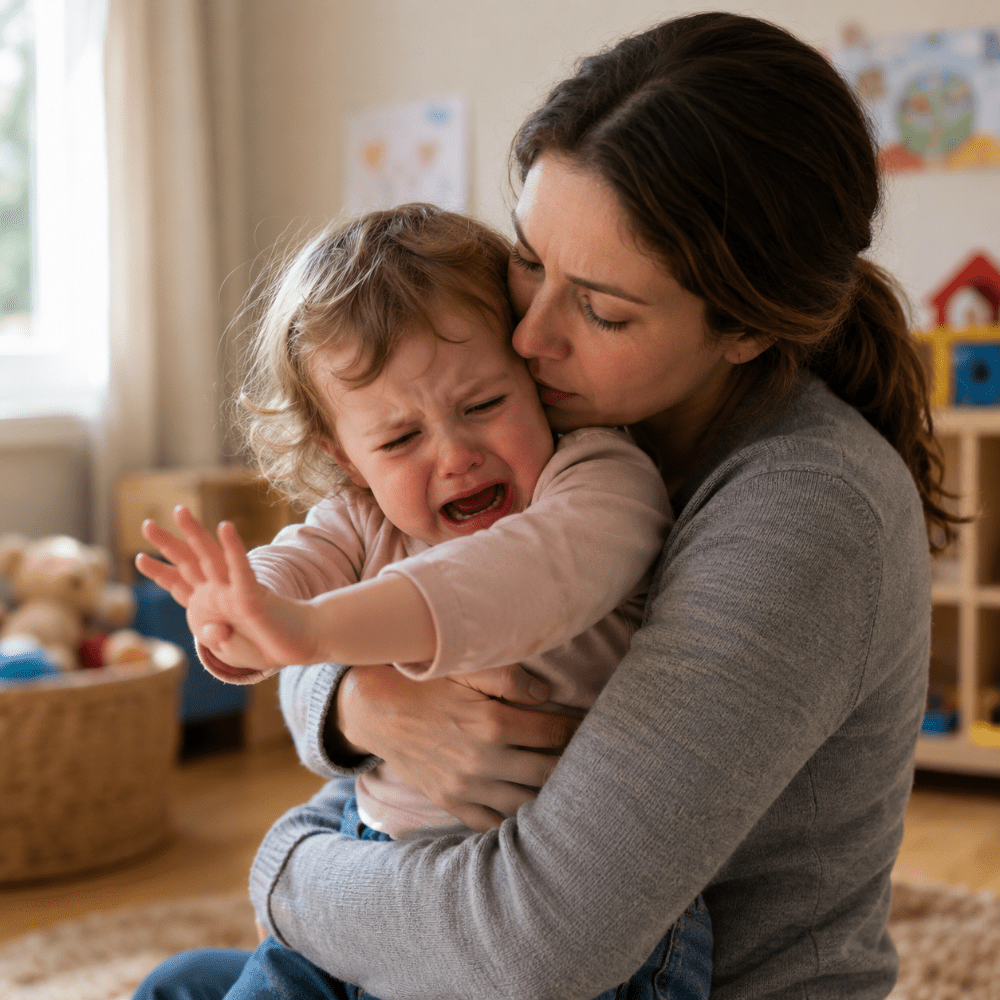
Resistant (Anxious-resistant)
500
Why is enculturation important?
It gives kids the tools (values, beliefs, knowledge) of their own culture so they can be successful members of that culture.
500
In the study "Does playing pay?" by Greve et al., what was the mediating variable* in the relationship between childhood free play and adult success?
*A mediating variable is one that explains why two variables are correlated.
Self-esteem
500
What parenting style has the best outcome for Western kids? Which one has the best outcomes for Asian kids?
Western = authoritative
Asian = authoritarian
500
The Human development context is relevant to which questions in the exam?
- Paper 1 only
- Paper 2 only
- Paper 1 and 2
- Paper 1, 2 and 3
Paper 1, 2 and 3
Paper 1 Section B: The scenario or situation might be based on human development.
Paper 1: Section C - essays (although you could choose the other of the two questions to answer)
Paper 2: B Unseen Study: It might be based on a topic from human development.
Paper 3: The stimulus material might be based on human development topics.