Cells
PLANT Structure and Transport
PHOTOSYNTHESIS
CELLULAR RESPIRATION
METABOLISM
100
A cell place in this type of solution will have water leave the cell causing it to shrivel (crenation)
What is hypertonic
100
This tissue is responsible for transporting water and dissolved minerals from the roots to the leaves where it will be used for photosynthesis.
What is the xylem?
100
Chlorophyll is found here in plant cells.
What is the thylakoid membrane?
100
Without this molecule the Krebs Cycle and the Electron Transport Chain shuts down. The result it that only the ATP formed during glycolysis is produced.
What is oxygen?
100
This type of molecule will block the active site of an enzyme preventing the substrate from entering.
What is a competitive inhibitor?
200
Two things that contain 70s ribosomes and circular DNA
What are a prokaryote, mitochondria, and chloroplast.
200
Spiral thickening of the walls of the vessel elements which give extra strength allowing the vessels to remain rigid.
What is Lignin?
200
Any organism that can make their own food without the need to consume organic molecules from other organisms?
What are autotrophs?
200
The location of the Electron Transport Chain used in cellular respiration.
What is the inner mitochondrial membrane?
200
This level of protein structure is responsible for the shape and chemical properties of the active site.
What is the tertiary structure of the enzyme?
300
Two cells obtained from the same organism are analyzed and found to contain vastly different types and concentrations of proteins. What does this suggest?
Cell differentiation has occurred
300
This device can be used to measure the rate or transpiration from a leaf clipping.
What is a potometer?
300
What molecules do A and D represent?
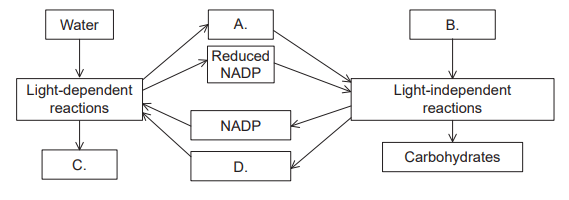
What are A: ATP and D: ADP?
300
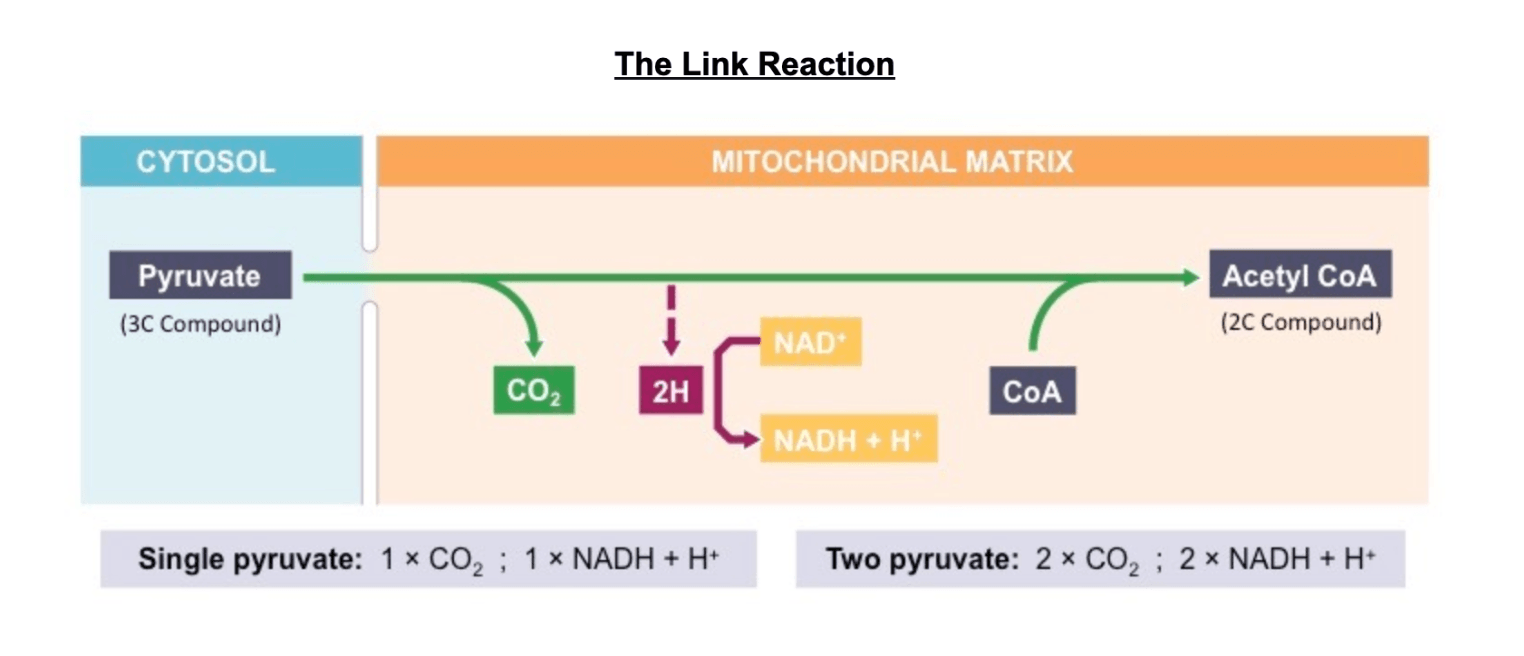
Name of the reaction below:
Pyruvate →→ Acetyl CoA + CO2
What is the LINK REACTION or pyruvate decarboxylation?
The link reaction is named thus because it links the products of glycolysis with the aerobic processes of the mitochondria
- Pyruvate is transported from the cytosol into the mitochondrial matrix by carrier proteins on the mitochondrial membrane
- The pyruvate loses a carbon atom (decarboxylation), which forms a carbon dioxide molecule
- The 2C compound then forms an acetyl group when it loses hydrogen atoms via oxidation (NAD+ is reduced to NADH + H+)
- The acetyl compound then combines with coenzyme A to form acetyl coenzyme A (acetyl CoA)
300
Any reaction where the reactants contain more energy than the products and free energy is released. Typically a catabolic reaction.
What is exergonic?

400
Example of types of cells / tissues that do not conform to a standard notion of what constitutes a cell.
Striated muscle fibres:
- Muscle cells fuse to form fibres that may be very long (>300mm)
- Consequently, they have multiple nuclei despite being surrounded by a single, continuous plasma membrane
- Challenges the idea that cells always function as autonomous units
Aseptate fungal hyphae:
- Fungi may have filamentous structures called hyphae, which are separated into cells by internal walls called septa
- Some fungi are not partitioned by septa and hence have a continuous cytoplasm along the length of the hyphae
- Challenges the idea that living structures are composed of discrete cells
Giant Algae
- Certain species of unicellular algae may grow to very large sizes (e.g. Acetabularia may exceed 7 cm in length)
- Challenges the idea that larger organisms are always made of many microscopic cells
400
Increasing the K+ concentration OUTSIDE of a guard cell will cause the guard cells to do this.
What is lose water, become flaccid, and close.
400
The flow of electrons (the path they the electrons take) from H2O to NADPH in the light reactions of photosynthesis.
What is H20 --> Photosystem II --> Electron transport chain --> Photosystem I --> NADP+ (making NADPH)
400
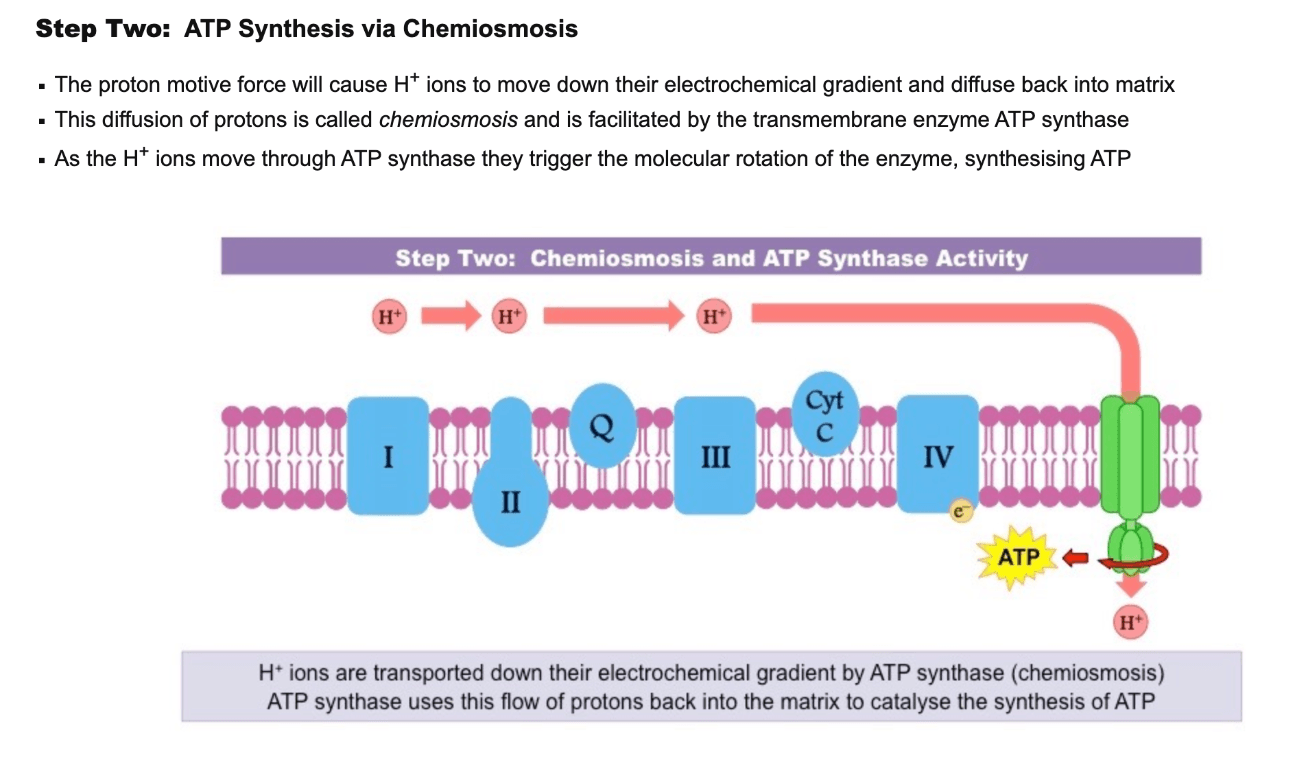
The diffusion of H+ ions from high to low concentration across the inner mitochondrial membrane.
What is chemiosmosis.
400
Level of protein structure bonds the α and β chains together?
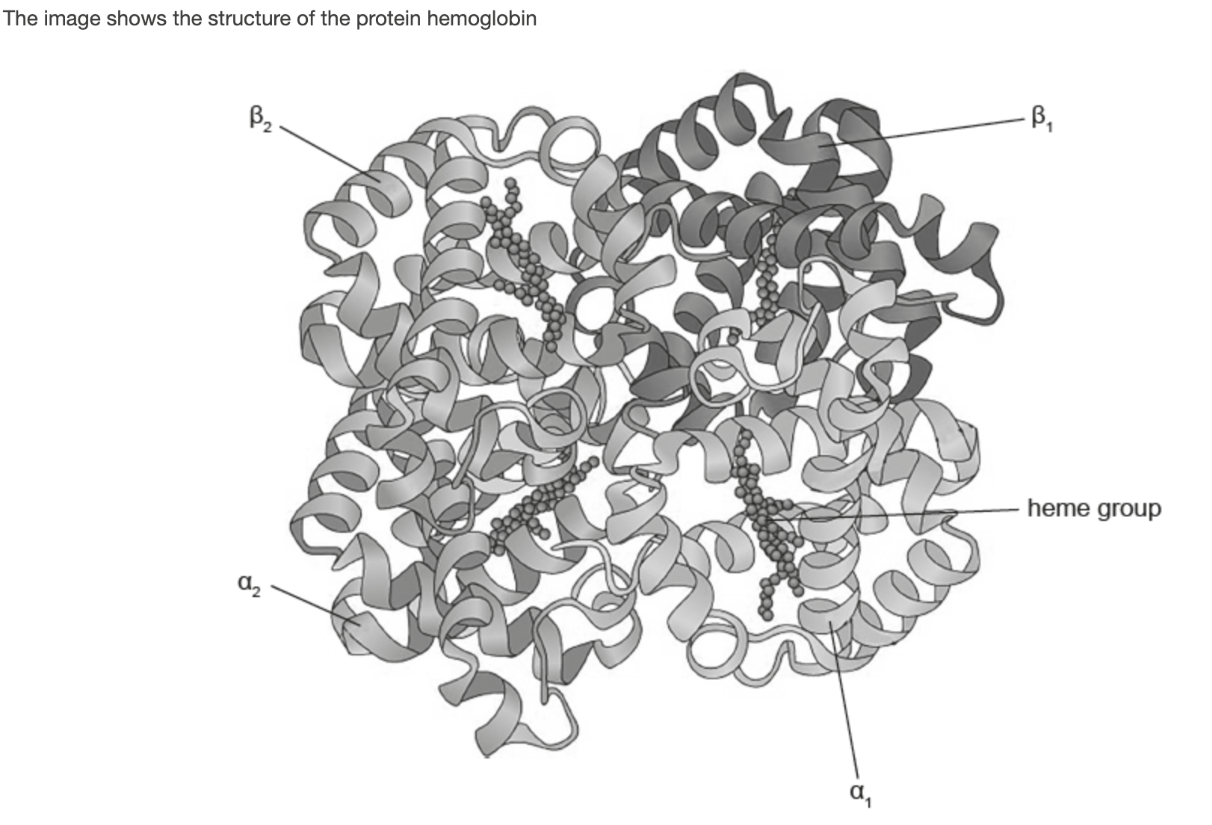
What is the quaternary structure?
500
Name an observation that helped falsify the Davson-Danielli Model and support the Singer-Nicolson Model?
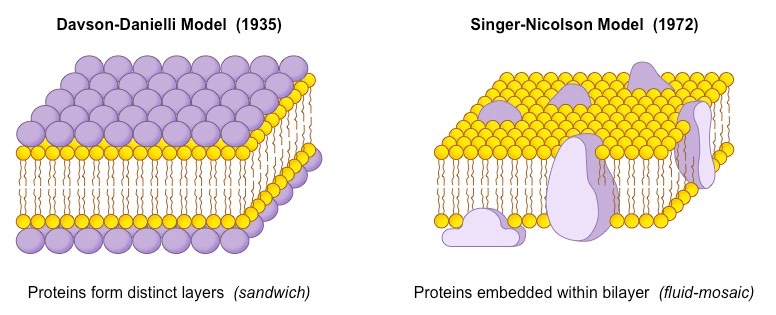
(1) Membrane proteins were discovered to be insoluble in water (indicating hydrophobic surfaces) and varied in size
(2) Fluorescent antibody tagging of membrane proteins showed they were mobile and not fixed in place
(3) Freeze fracturing was used to split open the membrane and revealed irregular rough surfaces within the membrane
500
Explain 3 structures and/or processes that allow plants growing in hot, dry conditions to replace the water lost from transpiration.
Evaporation of water «in leaf/mesophyll» creates tension/low pressure/negative pressure «potential»/pulling force/transpiration pull
Water drawn through cell walls/out of xylem «in leaf» by capillary action/adhesion «to cellulose»
Low pressure/tension/suction/pulling force in xylem
Hydrogen bonds make water cohesive/allow water to be pulled up under tension/allow the transpiration pull «to move water»
Xylem resists tension/low pressure/collapse with thickened/lignified walls
Water travels from the roots to the leaves in xylem
Water absorbed in roots by osmosis
Active transport of ions/solutes into roots «enabling osmosis»
Deep/wide ranging/extensive root systems/taproots/many root hairs
Thick/waxy cuticle reduces transpiration/water loss/evaporation
Small/no leaves/reduced surface area of leaves/thorns instead of leaves
Few stomata/stomata in pits/rolled leaves
Hairs on leaf surface «to reduce air flow near the leaf/reflect sunlight»
Stomata open at night/CAM physiology to reduce water loss
500
In Calvin's lollipop experiment, he exposed this organism to radioactive carbon-14.
What is green algae (Chlorella)?
500
Name the molecule being (1) reduced, (2) oxidized and (3) decarboxylated in the image below:
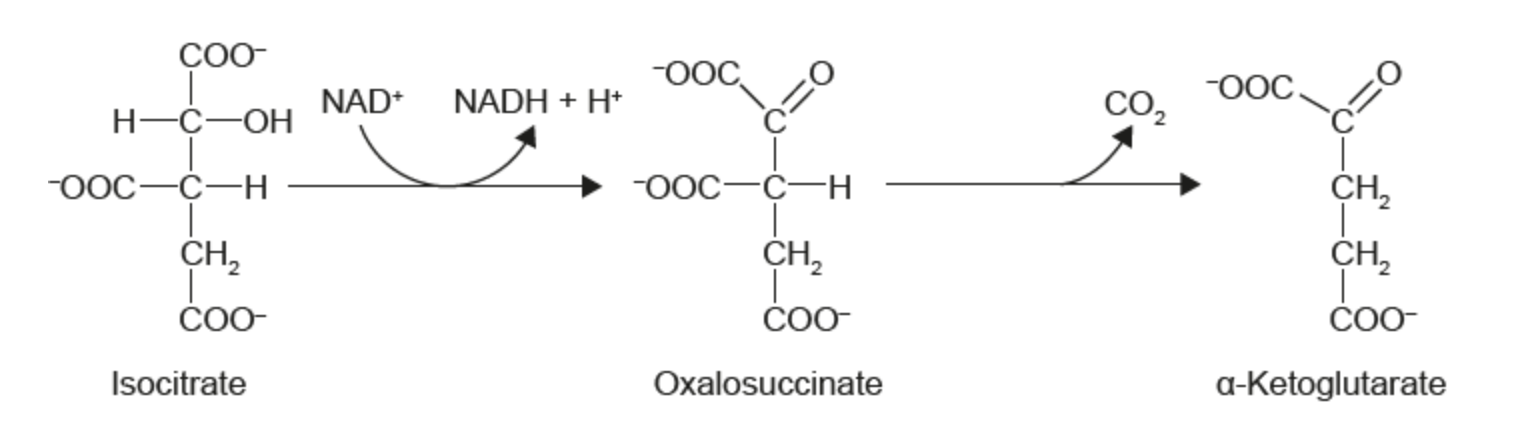
1 - NAD+ is reduced
2 - Isocitrate is being oxidized
3 - Oxalosuccinate is being decarboxylated
500
A valid conclusion that can be supported by this data
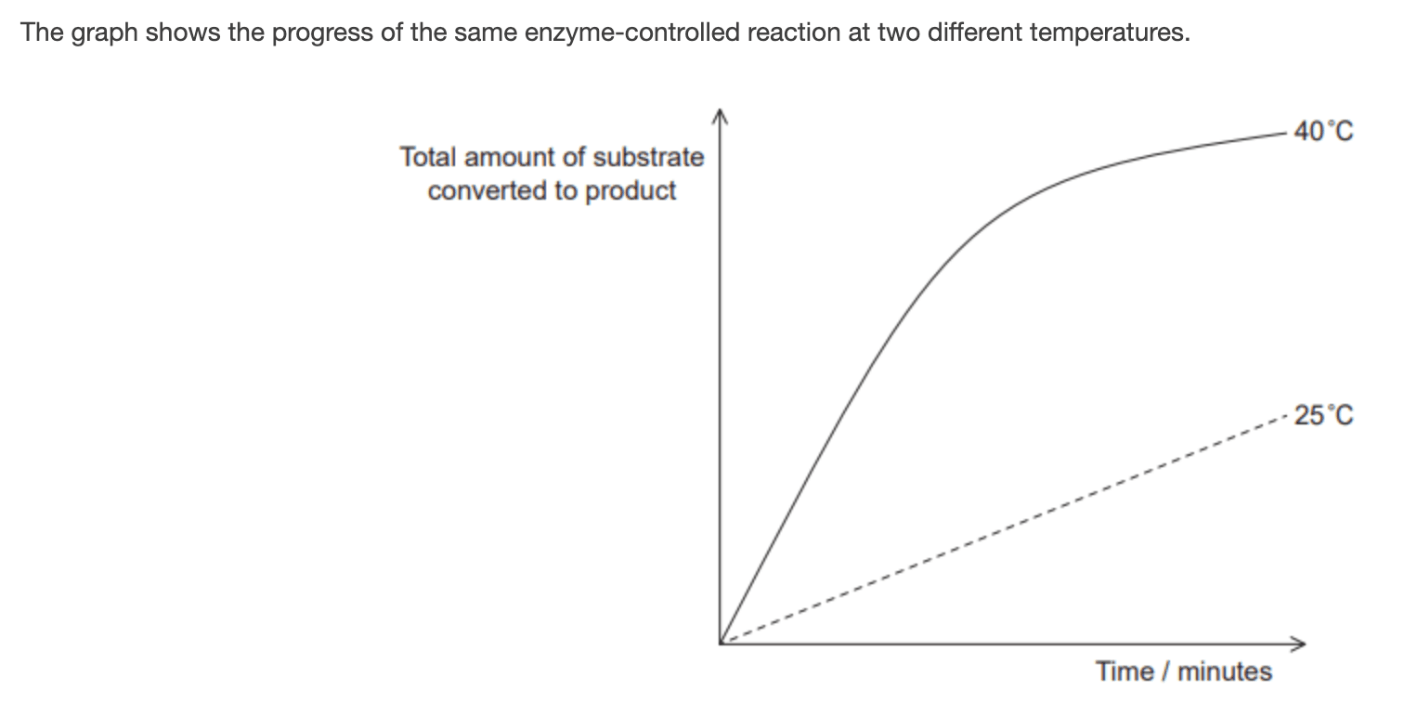
The lower the temperature, the slower the rate of the reaction
600
The SEM below is of a mouse hepatocyte. Identify structures A and B and provide a named specific function of each.
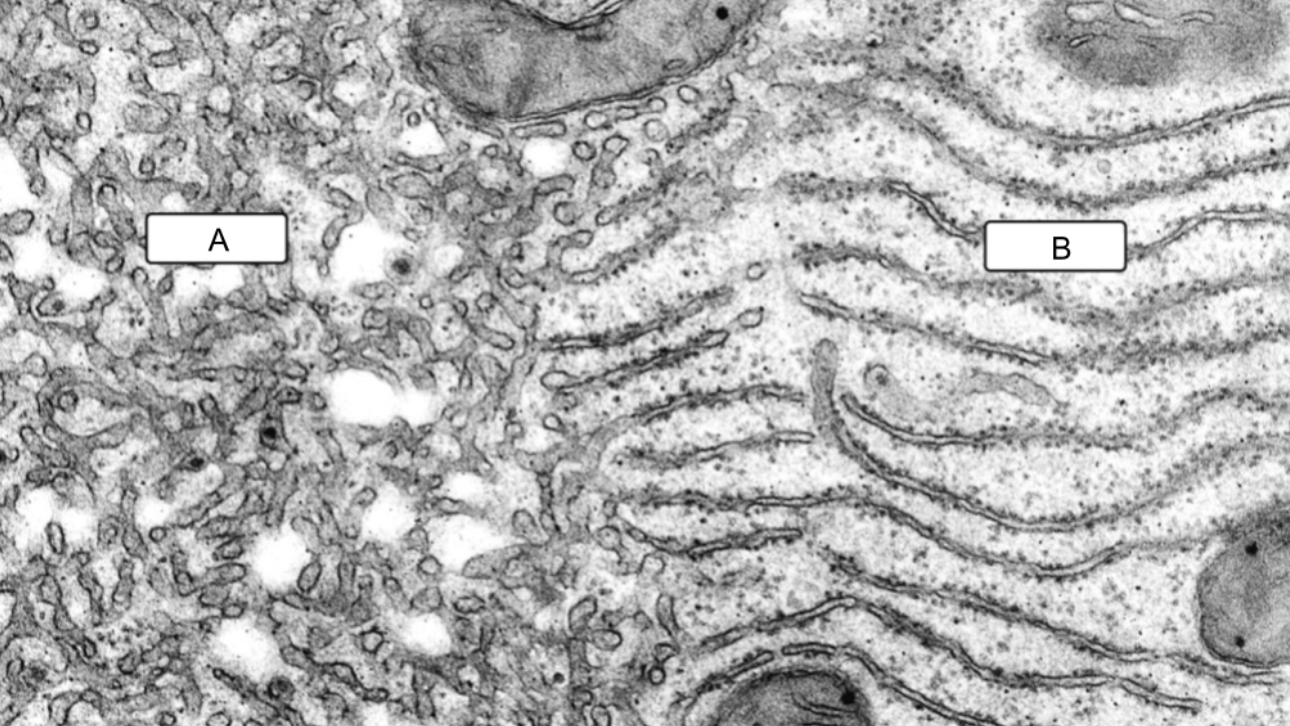
A: Smooth ER - detoxify the blood and produce cholesterol
B: Rough ER - production of blood plasma proteins such a globin and albumin
600
The tissue where you would expect to find the greater solute potential AND one named structure that helps you identify each tissue.
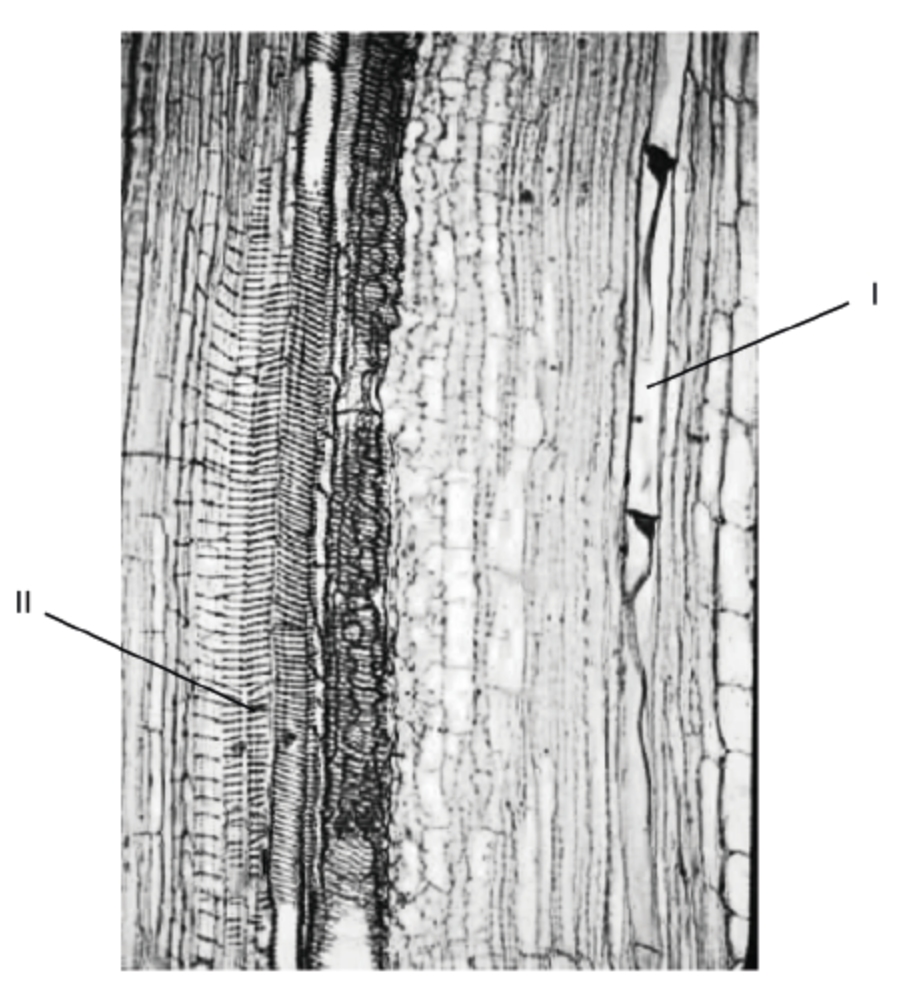
What is I (the phloem) and
II has lignin
I has perforated sieve plates
600
Phase of Photosynthesis identified by letter "C" in the diagram below.
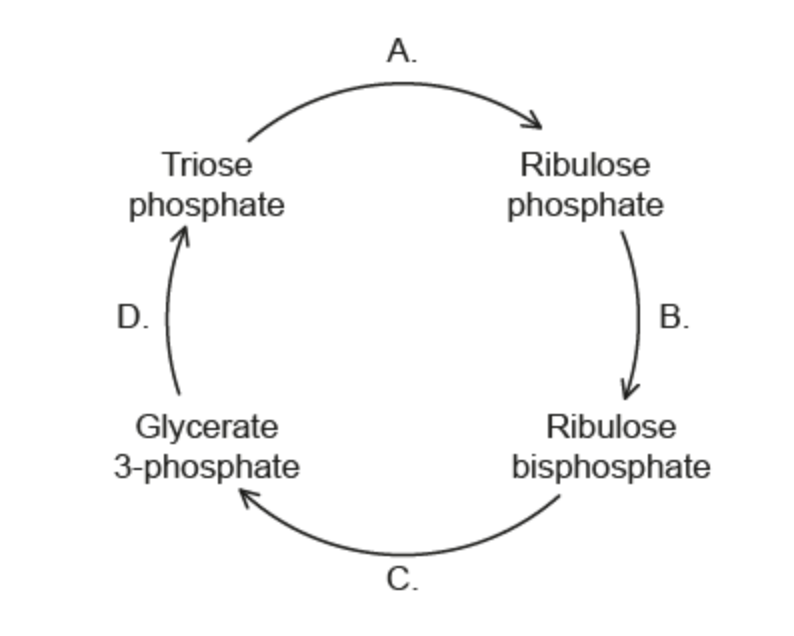
What is Carbon fixation or carboxylation?
600
State 2 similarities and 2 differences between aerobic and anaerobic respiration.
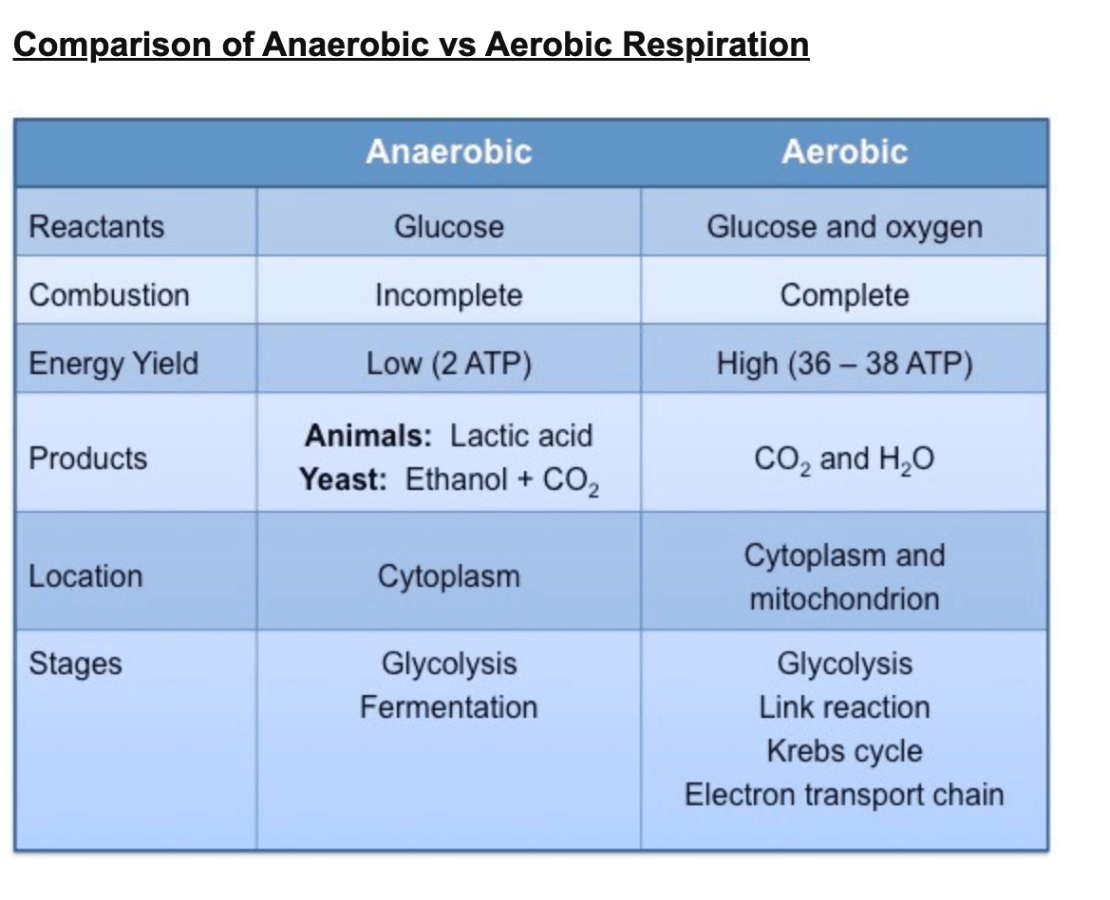
600
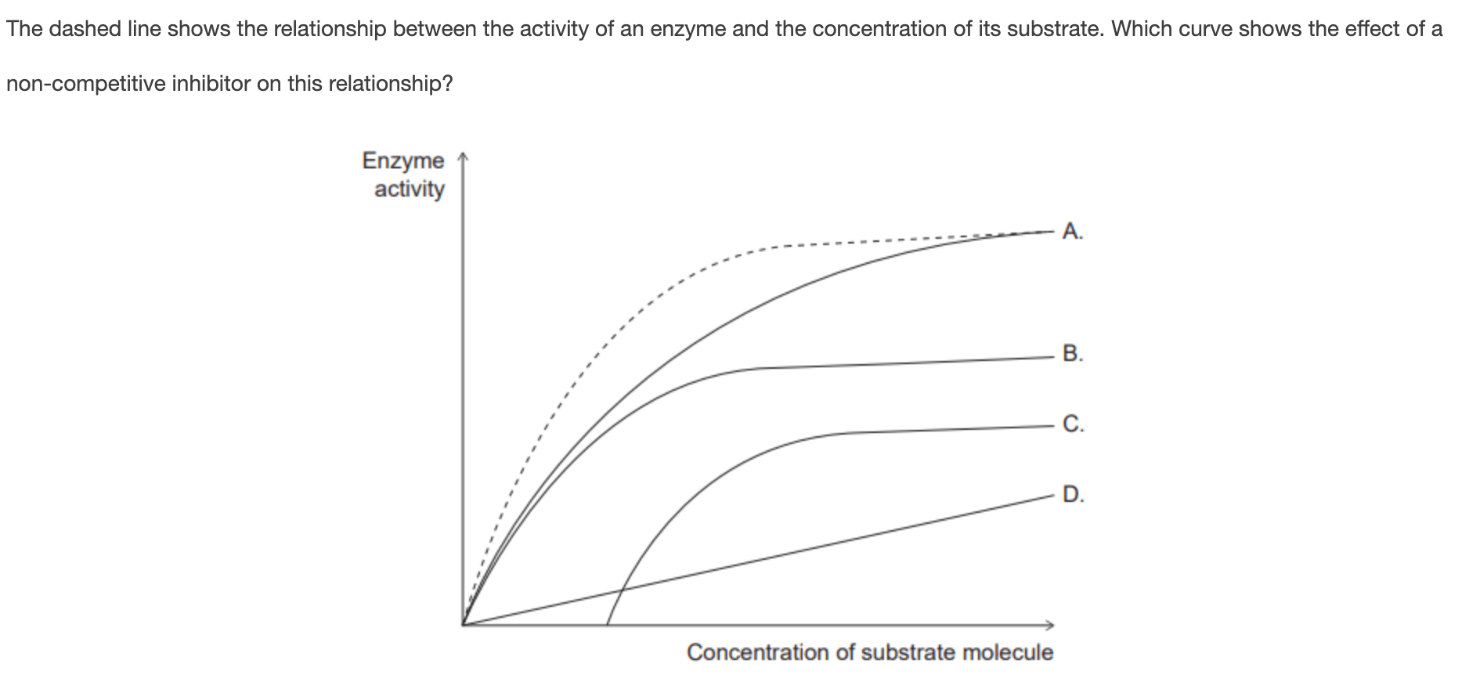
What is B?
A - competitive inhibitor.
700
A specific named example of secondary active transport through a symporter and the location within the human body where it occurs.
Various responses but one example is:
- Glucose and amino acids are co-transported across the apical membrane of the proximal convoluted tubule of the kidneys with sodium (symport)
- Glucose transport is active while the sodium passively diffuses down its gradient.
- Sodium gradient was established with Na+/K+ pump.
700
The IDENTITY and LOCATION of structures A, B, C, and D.
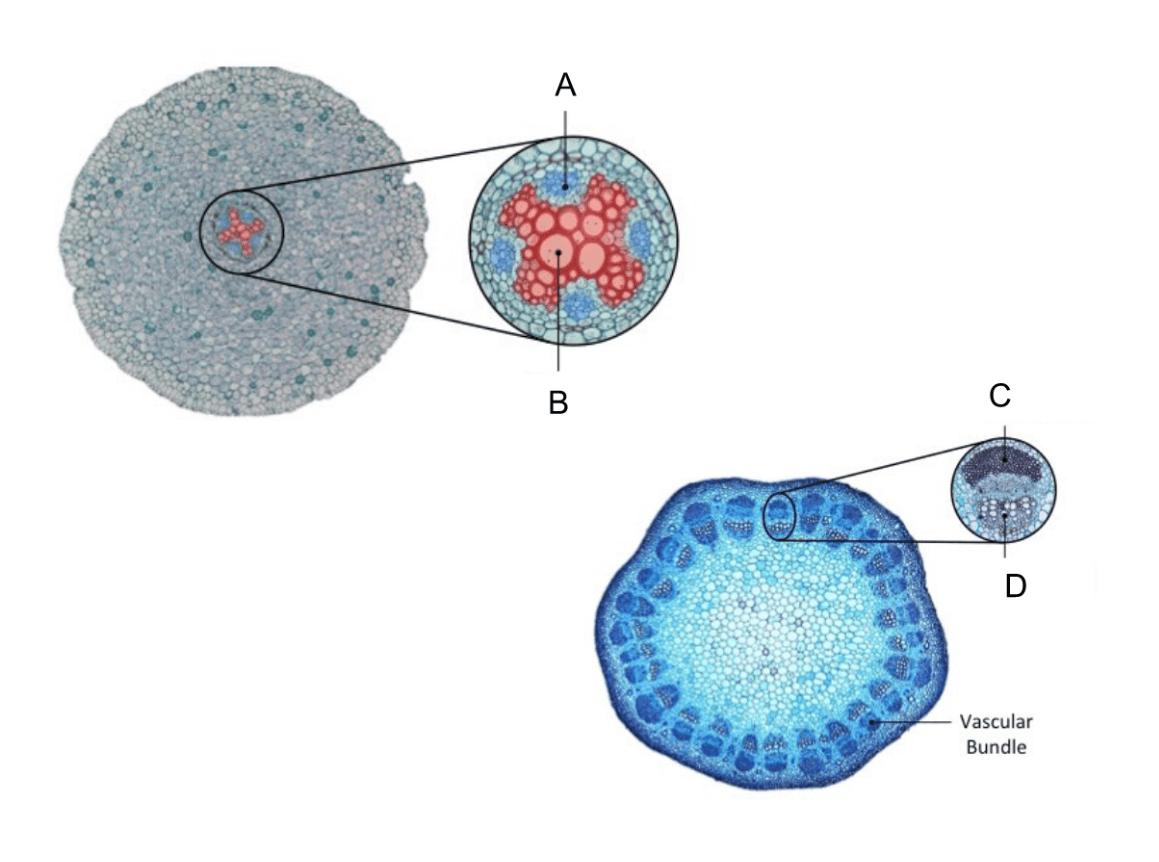
What are
A: Phloem Root (relatively uniform vessel size)
B: Xylem Root (irregular sized vessels - closer to middle)
C: Phloem Stem (relatively uniform vessel size)
D: Xylem Stem (irregular sized vessels - closer to middle)
700
Explain the the process of noncyclic photophosphorylation.
Non-Cyclic Photophosphorylation
- Non-cyclic photophosphorylation involves two photosystems (PS I and PS II) and does involve the reduction of NADP+
- When light is absorbed by Photosystem II, the excited electrons enter into an electron transport chain to produce ATP
- Concurrently, photoactivation of Photosystem I results in the release of electrons which reduce NADP+ (forms NADPH)
- The photolysis of water releases electrons which replace those lost by Photosystem II (PS I electrons replaced by PS II)

700
Energy that generates the proton motive force (conc. gradient) across the inner membrane of the mitochondria
Oxidation of (NADH and FADH2) and release high energy electrons and protons (H+)
700
The final product in a series of reactions inhibits an enzyme from an earlier step in the sequence
(name process and give specific example)
End-product inhibition
End-product inhibition of the pathway that converts threonine to isoleucine
