Leaders
Communication
Teaching
Planning
Leadership Styles
100
Primary link between a Troop’s Scouts and adults. Responsible for leading meetings of the Troop and the PLC and provide leadership in planning and carrying out the Troop’s program
Senior Patrol Leader (SPL)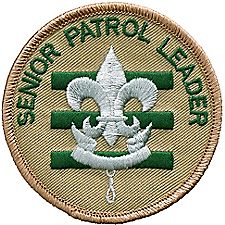
100
Must happen for communication to occur.
Message must be received and understood.
100
What does E.D.G.E stand for?
Explain, Demonstrate, Guide, and Enable
100
Monthly meeting where details of the annual plan are developed and refined.
PLC Meeting
100
The time when the responsability of a leader is passed off to another person.
Never, until a new leader is chosen or apointed.
200
Carry out planning, leading, and evaluating patrol meetings and activities, and assure patrols are prepared to participate in all troop activities. They keep their patrol intact so they can work together.
Patrol Leader (PL)
200
Repeating back what is heard/received is an example of what?
Active Listening
200
The preferred method of teaching in Scouting.
The EDGE Method.
200
What is a plan?
A point from which to deviate!
200
Learn from their mistakes and teach others to avoid them in the future. Leverage the strength of their team. These people do not: Abandon their followers, pass blame to people under them, make excuses for their actions. They correct others mistakes with the same KINDness they would hope for.
Leaders
300
Though not a voting member, they attend meetings of the PLC and keep a record of discussions. They cooperate with the patrols to record attendance at Troop meetings and to maintain troop advancement records.
Scribe
300
Must be followed during all electronic communication between Scouts and Adults.
Two Deep Leadership (A second adult must be on the communication)
300
Fill in the blanks..._D_E
E for Explain
G for Guide
300
When is planning finished?
Never
300
The best leadership style in any situation.
The one that fits the needs of team and the goal.
400
Members of the Patrol Leaders Council.
Senior Patrol Leader (SPL), Assistant Senior Patrol Leader (ASPL), Patrol Leaders (PL's), Troop Guide (TG), Scribe.
400
Parts of Communication
Sender, Receiver, Message, Medium
400
What part of the EDGE method is the most important?
They all are.
400
The topics you should consider when making a plan.
Who, what, when, where, how, and why.
400
Telling (or ordering), Persuading (or selling), Consulting, Delegating, Joining
Leadership Styles
500
Who are the Troop Key-Three?
Charter Org Rep., Committee Chair, Scoutmaster
500
Parts of the Communication Cycle
Giving, Receiving, Interpreting, Storing, Retrieving
500
What is the hidden part of the EDGE method?
Feedback
500
At its core, what is planning?
Being Prepared
500
Enables the success of those they lead, removing barriers and creating an environment for the team to succeed. Cares about others and about helping them succeed as individuals and as a group.
Servant Leader