Screaming Valves
Cardiac drugs
Crazy Waves
Weird Heart Issues
Pump it up
100
Valvular disorder characterized by a late-peaking systolic murmur, a delayed weak pulse, and diminished S2
Aortic stenosis (accept severe aortic stenosis)
- Late-peaking crescendo–decrescendo systolic murmur
- Pulsus parvus et tardus: weak, delayed carotid upstroke
- Soft or absent A2, causing a diminished S2
100
Recommended endocarditis prophylaxis for a patient with native valve aortic stenosis undergoing dental extraction
None
- Prosthetic cardiac valve or prosthetic material used for valve repair
- Prior infective endocarditis
- Certain congenital heart diseases:
- Unrepaired cyanotic CHD
- Repaired CHD with residual shunt or valvular regurgitation adjacent to prosthetic material
- Cardiac transplant recipients with valvular regurgitation from a structurally abnormal valve
100
Time duration that differentiates sustained from non-sustained ventricular tachycardia
30 seconds
sustained VT carries a higher risk of hemodynamic collapse, syncope, cardiac arrest, and sudden death and often requires urgent treatment.
100
Condition also known as Kounis syndrome
Allergic acute coronary syndrome (accept hypersensitivity AMI or hypersensitivity angina)
- Type I: coronary spasm in normal arteries
- Type II: allergic event triggers plaque rupture in existing CAD
- Type III: allergic stent thrombosis
Treat both the allergic reaction and myocardial ischemia; use epinephrine cautiously because it may worsen coronary spasm.
100
Second-degree heart block with progressive prolongation of the PR interval until a beat is dropped
Wenckebach (accept Mobitz type 1)
200
Valvular abnormality associated with systolic and diastolic 'pistol shot' sounds heard over the femoral artery
Aortic regurgitation
Traube sign, caused by the wide pulse pressure of severe AR.
200
First SGLT2 inhibitor approved for the treatment of heart failure with reduced ejection fraction in adults with and without type 2 diabetes
Dapagliflozin (accept Farxiga)
200
Condition suggested by the extra deflection at the end of the QRS complex shown here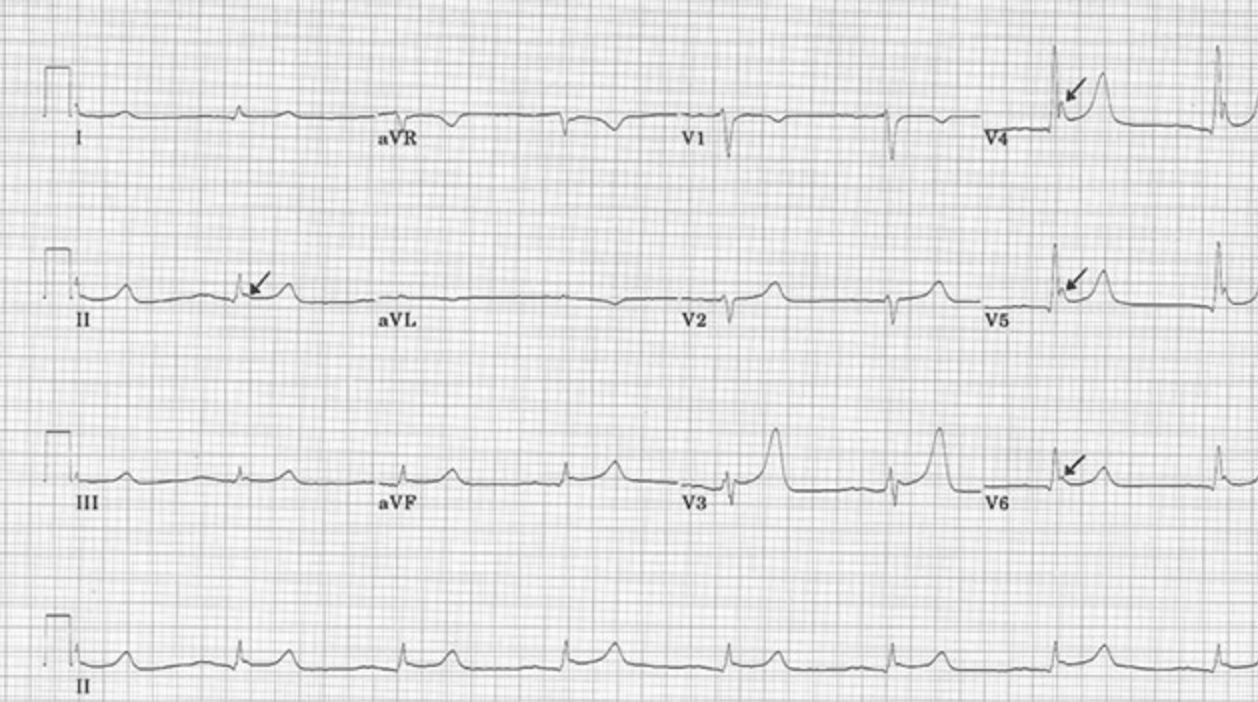
systemic hypothermia (typically when core body temperature drops below 32°C)
positive deflection at the J point, best seen in the inferior and lateral leads, classically associated with systemic hypothermia.
200
Restrictive cardiomyopathy that has a 'speckled pattern' in echocardiogram
Cardiac amyloidosis (accept amyloidosis)
Increased ventricular wall thickness and a “granular sparkling” or speckled appearance on echocardiography.

200
Eponym for syndrome of chest pain, diffuse ST-segment elevation, PR depression and pericardial friction rub weeks after MI
Dressler syndrome
300
Two cardiac valves in which regurgitation can cause a pulsatile liver
Tricuspid and aortic (regurgitation)
- TR: causes systolic, expansile hepatic pulsations from venous backflow.
- AR: may cause hepatic pulsation from a widened pulse pressure—called Rosenbach sign.
300
Antiplatelet prodrug that requires two enzymatic conversions in the liver before being active
Clopidogrel (accept Plavix)

300
Eponymous name of criteria for evaluating acute myocardial infarction in the setting of left bundle branch block
Sgarbossa criteria
300
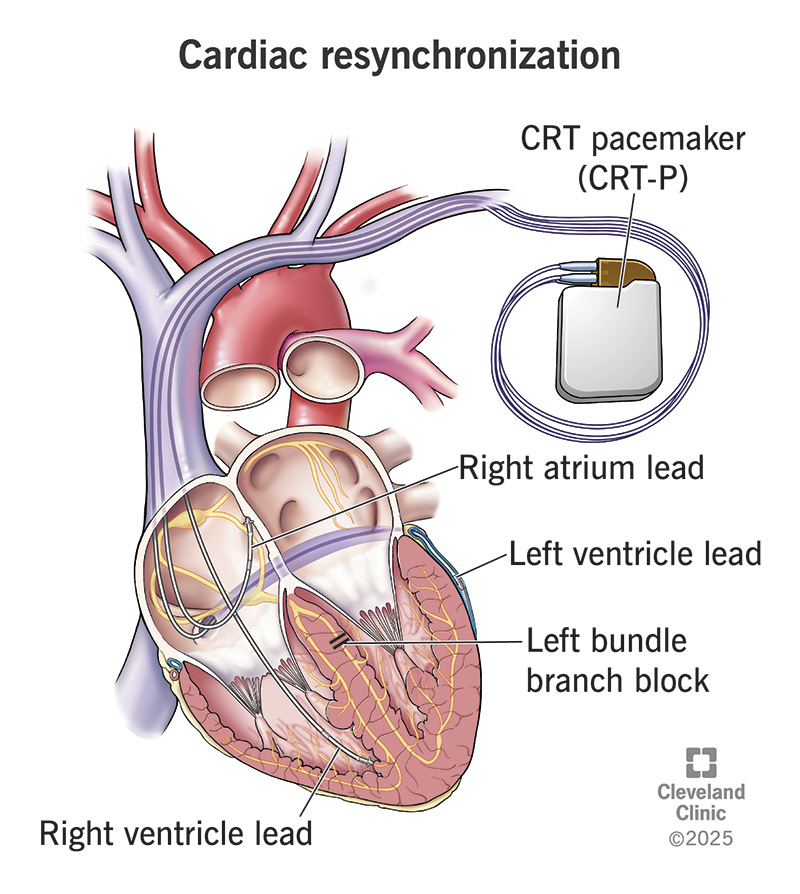
Heart failure therapy involving biventricular pacing to improve cardiac output
Cardiac resynchronization
- Biventricular pacing to improve ventricular synchrony and heart failure
- An implantable cardioverter-defibrillator (ICD) to detect and terminate VT/VF and prevent sudden cardiac death
By contrast, CRT-P provides pacing only, without defibrillation capability.
300
Ejection fraction cutoff for the diagnosis of heart failure with reduced ejection fraction
40%
400
Eponymous congenital heart disease presenting as severe pulmonary hypertension resulting in right-to-left shunt reversal
Eisenmenger syndrome

400
Two Contraindications to start MRAs
1. eGFR < 30 mL/min/1.73m2
2. Serum K+ > 5.0 mEq/L
400
Term for intermittent and irregular jugular venous pulsations of greater amplitude than normal reflecting simultaneous atrial and ventricular contraction
Cannon a waves
large jugular venous pulsations caused by right atrial contraction against a closed tricuspid valve during AV dissociation.
Seen in conditions such as complete heart block, ventricular tachycardia, and ventricular pacing.

https://drsvenkatesan.com/2013/08/27/when-do-you-get-regular-and-irregular-cannon-waves/
400
In patients with HFrEF, what are the laboratory criteria that indicate initiation of IV iron therapy?
Ferritin <100 ng/mL
OR
ferritin 100–299 ng/mL with TSAT <20%
Iron deficiency in HFrEF is defined by low ferritin or low transferrin saturation, and IV iron improves symptoms, functional status, quality of life, and reduces heart failure hospitalizations; independent of hemoglobin levels
AFFIRM-AHF (ferric carboxymaltose)
400
Sinoatrial node modulator approved by the FDA for the treatment of heart failure with reduced ejection fraction
Ivabradine (accept Procoralan or Corlanor)
selectively inhibits the If (“funny”) current in the sinoatrial node, lowering heart rate without reducing contractility.
Used in symptomatic HFrEF with:
- LVEF ≤35%
- Sinus rhythm
- Resting heart rate ≥70 bpm
- Despite maximally tolerated guideline-directed therapy, including a beta-blocker, or when beta-blockers are contraindicated.
500
Classic parameters of severe aortic stenosis?
Aortic valve area: ≤ 1.0 cm2
Transaortic velocity: ≥ 4.0 m/second
Mean aortic pressure gradient: ≥ 40 mm Hg
Last two are variable, depending on subdivision
Low-flow, low-gradient AS can still be severe despite a lower gradient.
500
Inhibition of this endopeptidase raises levels of circulating natriuretic peptides for treatment of heart failure
Neprilysin (do not accept sacubitril)
Inhibition of neprilysin increases natriuretic peptides, promoting natriuresis, diuresis, and vasodilation.
500
Pictured arrhythmogenic syndrome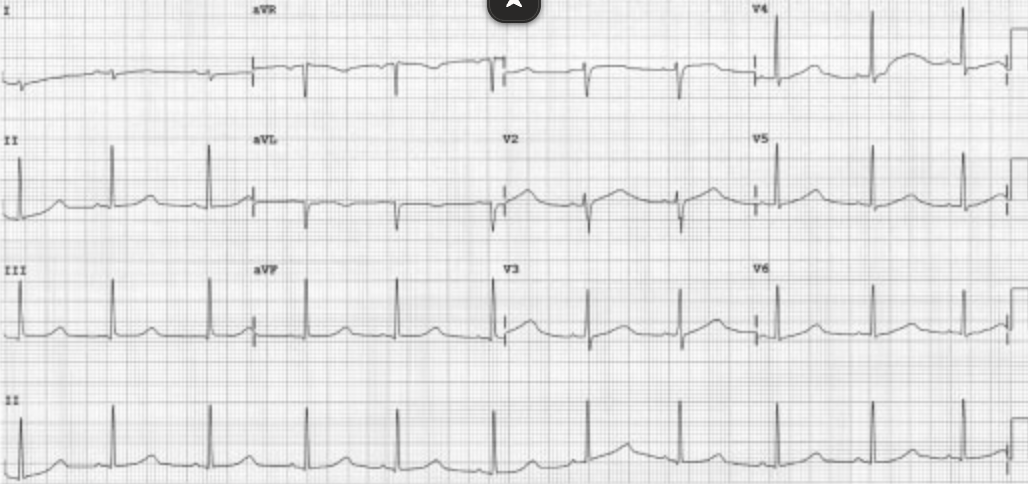
Long QT syndrome (accept long QT, LQTS)
QT interval extends beyond about half of the preceding RR interval.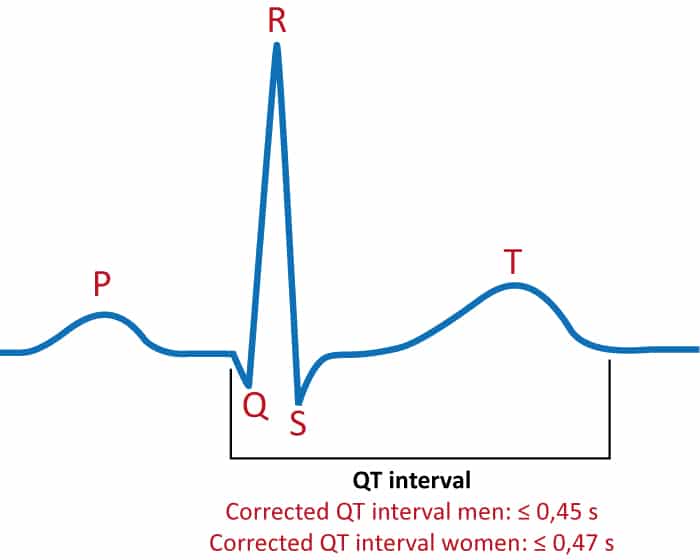
500
Cardiac abnormality associated with platypnea-orthodeoxia syndrome
Interatrial shunt (accept patent foramen ovale (PFO); atrial septal defect; fenestrated atrial septal aneurysm)
- Platypnea: shortness of breath that worsens when sitting or standing
- Orthodeoxia: oxygen saturation falls in the upright position
Symptoms improve when the patient lies down. It is often caused by a PFO or ASD with positional right-to-left shunting.

500
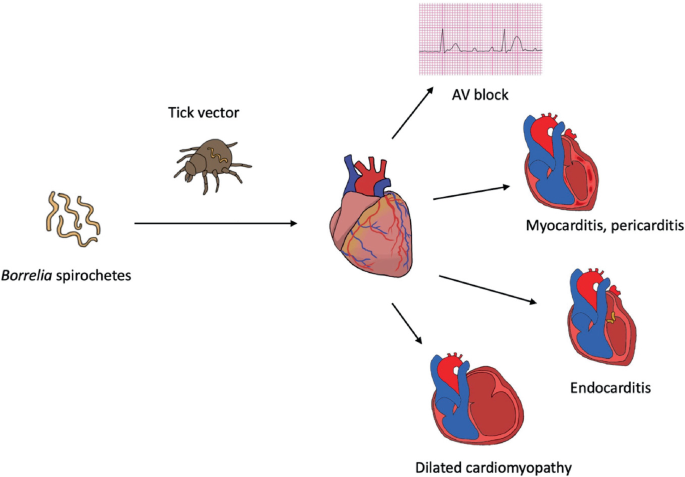
Most common objective finding of Lyme carditis
Atrioventricular conduction block (accept AV nodal block or AV block)