Atoms
What Kind is it?
Periodic Table
Elements
Element Characteristics
100
Electrons have a ________ Charge.
Negative
100
A chemical reaction with other elements
Reactivity
100
This section of the periodic table has vertical columns top to bottom of elements or "family."
Groups
100
The number of protons in the nucleus of an atom; the atomic number is the same for all atoms of an element.
Atomic Number
100
What has a high electrical conductivity
high luster (shiny looking)
malleable (can deform, stretching, bending)
Metal
200
Neutrons are found where in an atom?
The center
200
What is it called when a certain type of metal is a good conductor?
Conductivity
200
This section of the periodic table has horizontal row from left to right of elements. Helps finds the energy level of an element.
Periods
200
A region around the nucleus of an atom where electrons are likely to be found.
Electron Cloud
200
Which group of elements are in the upper-right coroner of the periodic table
Not lustrous (not shiny)
Poor conductors of electricity
Non-metals
300
This is where you will find Protons and Neutrons
The Nucleus
300
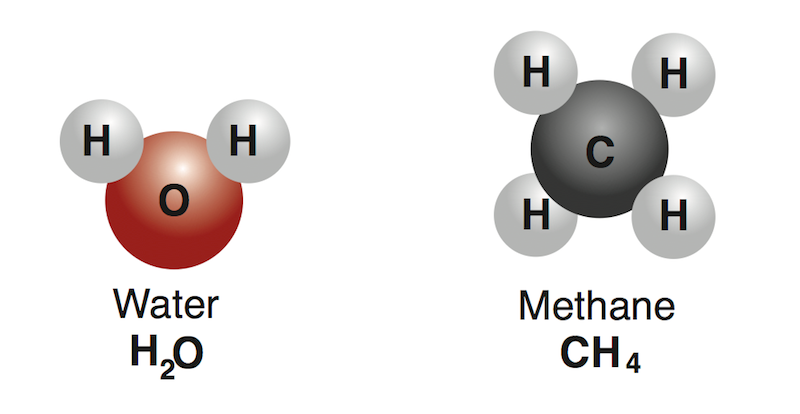
This a example of a
Compound
300
What are the three groupings of the Periodic Table?
Metals, Non-metals, Metalloids
300
The sum of the numbers of protons and neutrons in the nucleus of an atom.
Mass Number
300
Alkali Metals are _______solids
soft
400
A particle smaller than an atom
Subatomic
400
This is an example of an
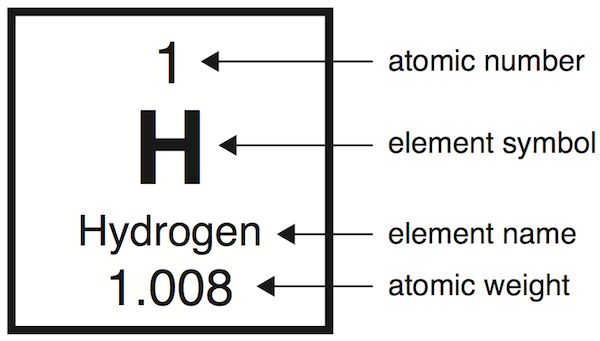
Element
400
Where are the non-metals located on the periodic table?
Upper-right corner
400
A subatomic particle that has a positive charge
Proton
400
Alkaline Earth Metals are found in the_____
earth
500
This is the smallest part of matter
Atom
500
This is an example of a
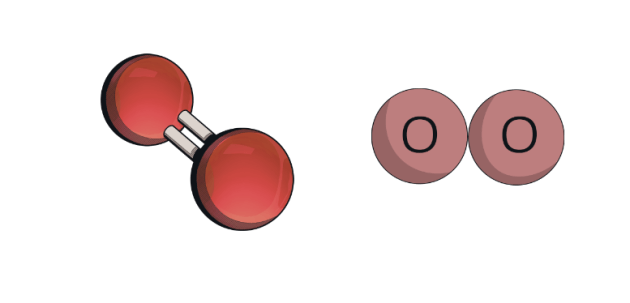
Molecule
500
Where are the Metalloids located?
On the stair-step line
500
The smallest unit of element that maintains the properties of that element.
Atom
500
Give one example of a transition metal
Answers may vary