Definitions
Context explanations
Random
Photo questions
Giving examples
100
Mutualism
An interspecific relationship between members of different species where both benefit.
100
In the mutualistic relationship of pollination, name a benefit AND cost to the flower.
Benefit - gets pollinated.
Cost - has to produce nectar to attract pollinators - wasted energy.
100
What is resource partitioning?
When the similar species co-exist but each species only uses part of the available resources.
100
Explain this relationship (i.e., name, costs, benefits)
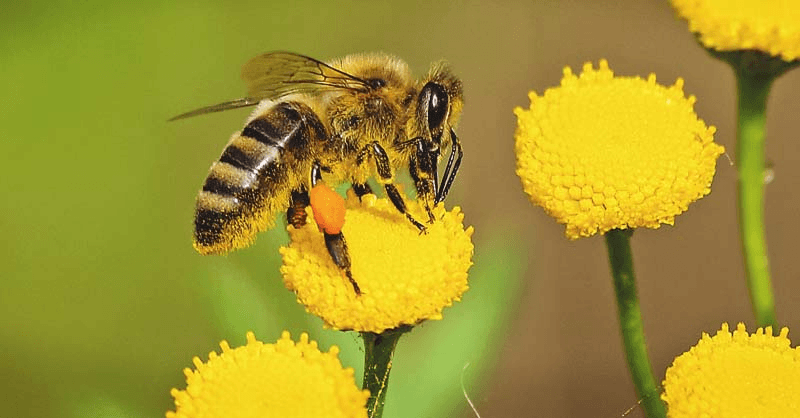
Mutualism
Benefits: Flower gets pollinated, bee gets nectar.
Costs: Flower produces nectar only for pollinator attraction, bee expends energy in finding flowers.
100
Give an example of a predator-prey relationship (that has not been discussed already).
Benefits predator.
Harms / kills prey.
200
Predation
An interspecific relationship between members of different species where one species benefits (predator) and the other does not (prey).
200
In the parasitism relationship of tapeworms, name a benefit AND cost to the tape worm.
Benefit: gets nutrients and safe environment.
Cost: if host dies, tapeworm dies as well.
200
What is facultative mutualism and one possible reason for this?
Both species benefit from their interaction but can survive without the interaction – in many cases, a species may interact mutualistically with many similar species and are not reliant on the other species for survival.
200
Explain this relationship (name, benefits, costs).
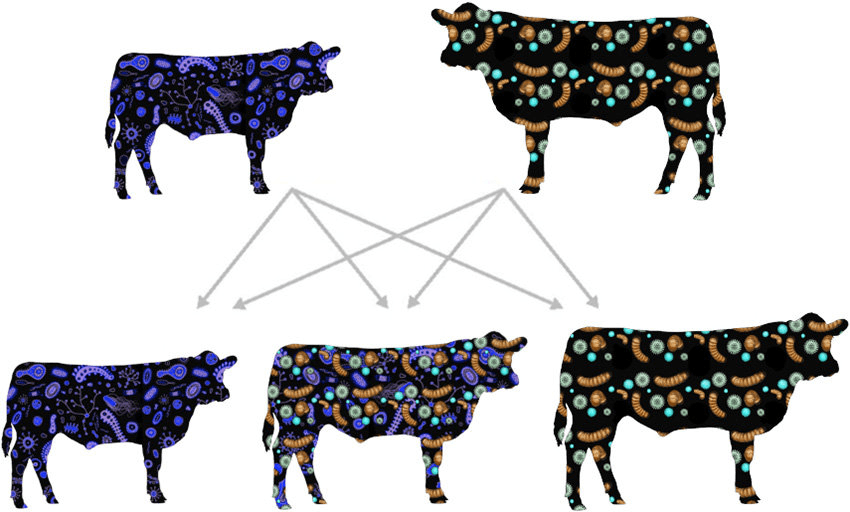
Mutualistic.
Benefits: Cow gets food digested, microbes get nutrients and safe place to live.
Costs: Loss of nutrients from cow to microbes, if cow dies, microbes also die.
200
Give an example of a mutualistic relationship (that has not been discussed already). Explain how it is mutualistic.
Must benefit both.
300
Parasitism
Include 2 main types.
An interspecific relationship between members of different species where one species benefits (parasite) and the other is harmed (host).
Includes endoparasites and ectoparasites.
300
In predation, explain the benefits AND cost to the predator. Explain the cost to the prey.
Predator:
Benefit = food for survival and reproduction.
Cost = energy in searching/hunting for food.
Prey:
Cost = death / harmed
300
What is the difference between camouflage and aposematism?
Camouflage reduces the likelihood of detection, whereas aposematic signals communicate directly with predators.
300
Explain this relationship (name and benefits).
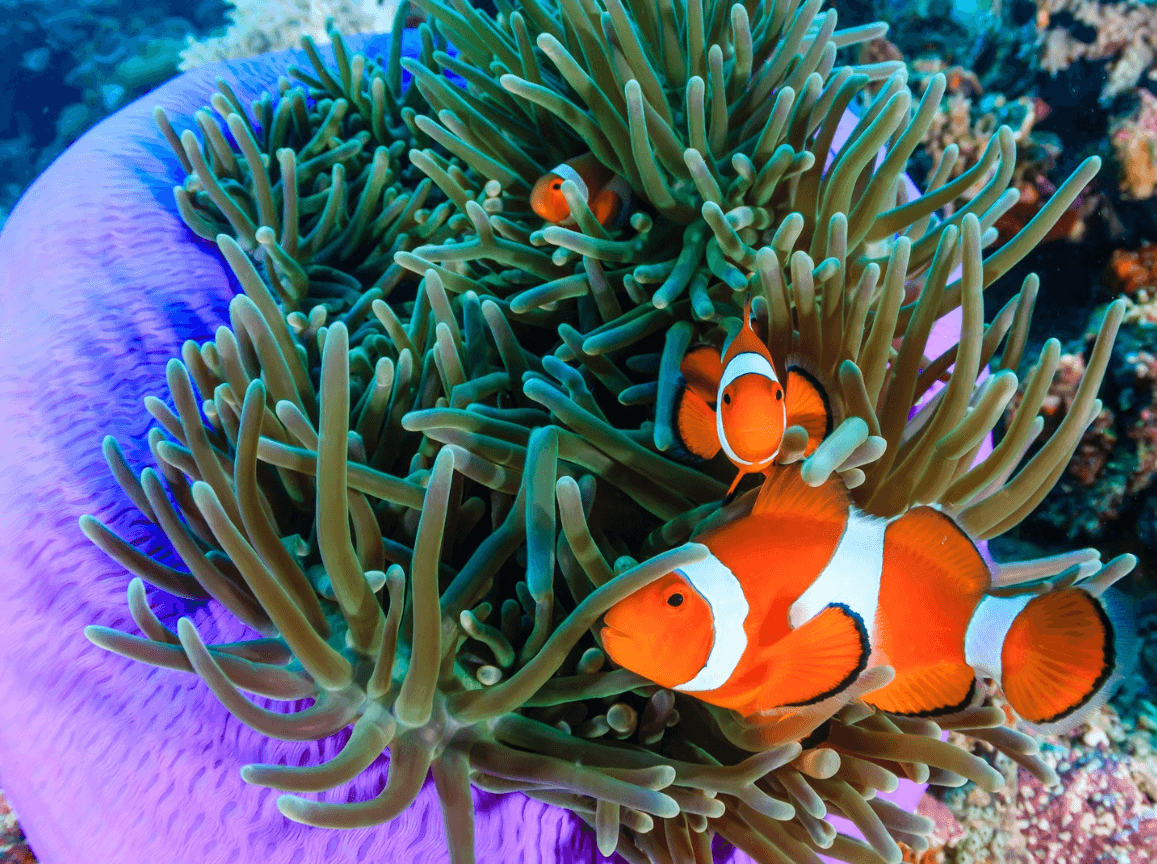
Mutualism.
Benefits: Clownfish gets protection and shelter. Anemone gets food from waste and predators scared off.
300
Give an example of mimicry (that has not been discussed already). Explain how it is advantageous.
Appearing toxic / toxic species having similar colouration.
For predator avoidance.
If batesian, don't have to waste energy producing toxins.
400
Commensalism
An interspecific relationship between members of different species where one species benefits and the other is not affected.
400
In the commensalistic relationship between remora (sucker fish) and sharks, name a cost AND benefit to the remora.
Benefit = gets a free ride, protection, food scraps.
Cost = if dislodged, may die.
400
What is character displacement and name one advantage?
When competitors evolve niche differences or anatomical differences that lessen the intensity of competition. It prevents driving local extinction.
400
Explain this relationship (name and benefits).
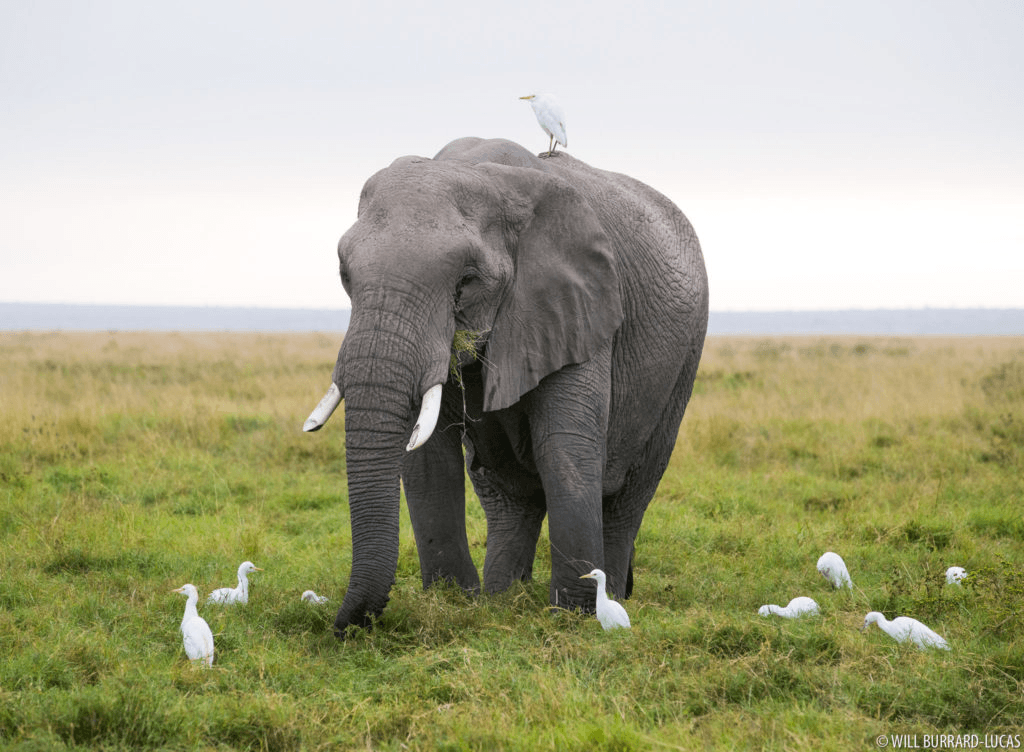
Mutualism.
Benefits: egrets get food from insects that are disturbed as elephant walks. Elephant gets warning about predators.
400
Give an example of a parasitism relationship (that has not been discussed already). Explain how it is parasitism.
Benefit parasite.
Harm host.
500
Interspecific competition
An interspecific relationship between individuals of different species who compete for the same resources – a niche overlap.
500
Explain the benefit to epiphytes (don't get confused with hemi-parasite).
Benefit = may have more access to light for photosynthesis. Avoids competition with plants on forest floor.
Only on another plant for physical support.
500
What is competitive exclusion and the name of the principle?
One species is eliminated as a result of competing for the same limited resource
Gause's principle
500
What is this? Why is it advantageous to non-toxic species?
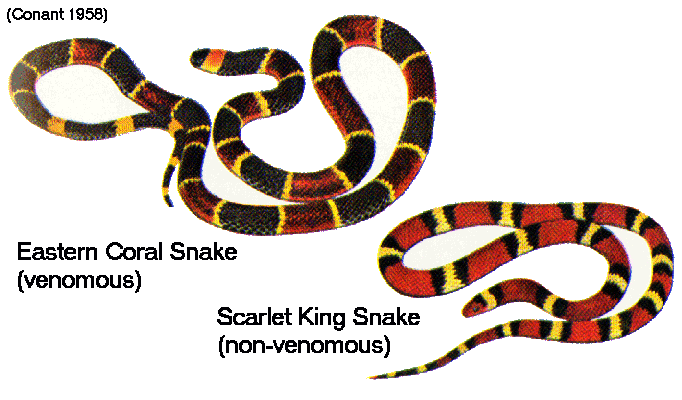
Batesian mimicry.
Predators avoid non-venomous snake. Doesn't have to waste energy in producing toxins etc.
500
Give an example of a commensalism relationship (that has not been discussed already). Explain how it is commensalism.
Must benefit one and not affect the other.