History Detective Words
Meet the Experts
Cave Clues
Art and Artifacts
Think Like a Social Scientist
100
What do social scientists study?
Human society
100
Which type of social scientist digs up & studies artifacts such as tools, pottery, and weapons?
An archaeologist
100
Name one thing scientists can learn from cave paintings.
Possible answers include the animals that lived in an area, hunting methods, or people’s beliefs.
100
What artifact helped prehistoric artists see inside dark caves?
Lamps that burned animal fat
100
Scientists find a grinding stone stained with red powder. What is one reasonable conclusion they could make?
The stone may have been used to grind red minerals for paint.
200
What is an artifact?
An object made or used by humans
200
Which type of social scientist studies diaries, letters, and other written records?
A historian
200
What do some scientists think handprints on cave walls represented?
They may have been the artists’ signatures.
200
What were grinding stones used for by cave artists?
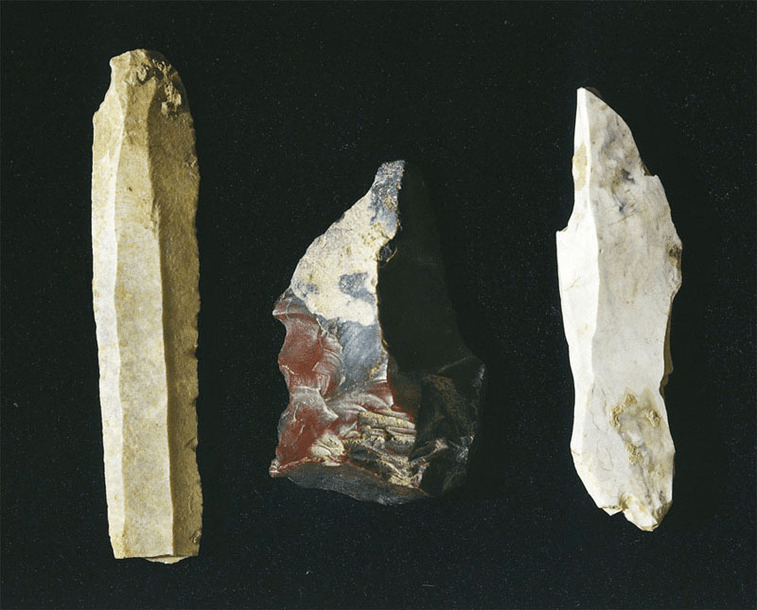
Grinding colored minerals into powder
200
Why might artwork located behind a narrow passage deep inside a cave remain undiscovered for thousands of years?
The artwork was in a difficult-to-reach location.
300
What does prehistoric mean?
The time before people invented writing or kept written records
300
Which type of social scientist studies Earth’s natural and human-made features?
A geographer
300
What evidence suggests that cave artists may have built scaffolding?
Some paintings are too high to have been reached from the cave floor.
300
How did prehistoric artists turn powdered minerals into paint?
They mixed the powder with animal fat or plant oil.
300
A prehistoric campsite has just been discovered. Write one open-ended question an archaeologist could investigate.
What do the artifacts reveal about how the people lived?
400
What is a hypothesis?
An educated guess based on evidence
400
Why are social scientists often compared to detectives?
They ask questions, examine evidence, and form hypotheses about the past.
400
How did prehistoric artists use the uneven surfaces of cave walls?
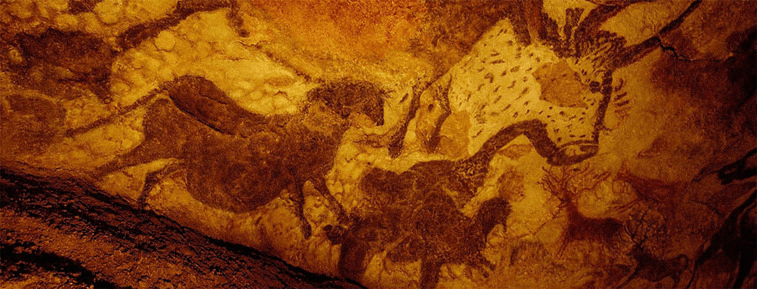
They included the uneven surfaces as part of their artwork or composition.
400
What does the discovery of a spear thrower suggest about the person who used it?
The person was probably a hunter.
400
Write one open-ended question a historian could investigate about a newly discovered ancient settlement.
What happened at this settlement, and what evidence supports that conclusion?
500
What is a ritual?
A set of actions performed for a special belief, purpose, or ceremony
500
How does the evidence studied by archaeologists usually differ from the evidence studied by historians?
Archaeologists mainly examine objects, while historians often examine written records.
500
Why is it difficult to know exactly why prehistoric people created cave paintings?
They left no written explanation, so scientists must form hypotheses from limited evidence.
500
How do young people’s footprints near the clay bison support the idea that the sculptures were used in a ceremony?
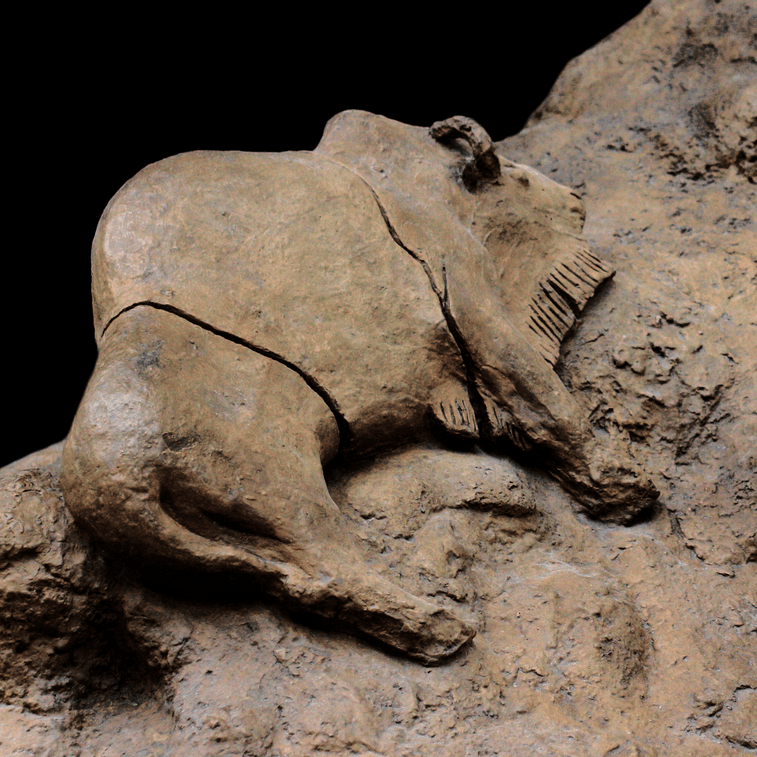
They suggest that young people may have visited the cave for a coming-of-age ceremony.
500
Write one open-ended question a geographer could investigate about a newly discovered ancient settlement.
How did the location and environment affect the way the people lived?