Safety Management
Accident Prevention
Workplace Violence
It's Gettin' Hot in Here
Grab Bag!
100
The term used to define a collection of shared safety beliefs, values, and attitudes within a workplace.
What is "Safety Culture"?
100
The standard color for warnings, such as a trip hazard or wet floor sign.
What is yellow?
100
This word describes yelling, threatening, or intimidating a coworker in a way that makes them feel unsafe.
What is a threat?
100
This word describes the body's condition when it can't cool itself down fast enough while working in hot temperatures.
What is heat stress?
100
This term describes designing tools, tasks, or workstations to fit the human body and reduce strain, especially from repetitive motion.
What is ergonomics?
200
Unsafe incidents or hazards that almost caused harm but didn't — often considered valuable warning signs when reported.
What is a near miss?
200
This word describes gear like gloves, goggles, or ear plugs that workers wear to protect their bodies from harm.
What is PPE?
200
This word describes repeated, unwanted, hostile behavior at work like insults or intimidation — that isn't necessarily physical.
What is bullying?
200
This milder heat illness causes painful muscle spasms, often in the legs or abdomen, from losing too much salt through sweat.
What heat cramps?
200
This term describes the electrical hazard that occurs when a person's body becomes part of a live circuit.
What is electrical shock?
300
Typically the best way for a company to identify potential hazards before they cause an injury.
What is a safety inspection?
300
This term describes fixing a small, unsafe condition — like a trip hazard right away, before it causes an injury.
What is corrective action?
300
This is the name for a plan employees should know so they can quickly and safely leave the building during a dangerous situation.
What is an evacuation plan?
300
This is the most severe heat illness, a medical emergency where the body's temperature rises dangerously high and the person may become confused or lose consciousness.
What is heat stroke?
300
This piece of gear protects a worker's feet from heavy falling objects and punctures on a job site.
What are steel toe (or safety) boots?
400
Considered an effective way to inform employees on recognizing and addressing hazards.
What is safety training?
400
The leading cause of accidents at work are the result of unsafe ____________.
What are actions?
400
In this type of emergency, keep the caller on the phone as long as possible.
What is a bomb threat?
400
This common prevention strategy involves taking scheduled breaks in a cool or shaded area to help the body recover during hot work.
What is a rest break?
400
This item, kept on hand in most workplaces, contains basic supplies for treating minor injuries.
What is a first aid kit?
500
This safety concept holds that frontline workers have the right and responsibility to halt a task if they believe it's unsafe.
What is stop work authority?
500
This action takes a new hire through the specific hazards and safe procedures for their job before they start working alone.
What is safety orientation?
500
This three-word phrase is often taught for surviving an active shooter situation: leave if you can, hide if you can't, and fight only as a last resort.
What is run, hide, fight?
500
This condition, caused by extreme tiredness from long hours or poor sleep and made worse in heat, can slow reaction time and lead to mistakes on the job.
What is fatigue?
500
The maximum penalty (fine) for a serious OSHA violation.
What is $16,536?
1000
Any method of hazard control that is better than PPE.
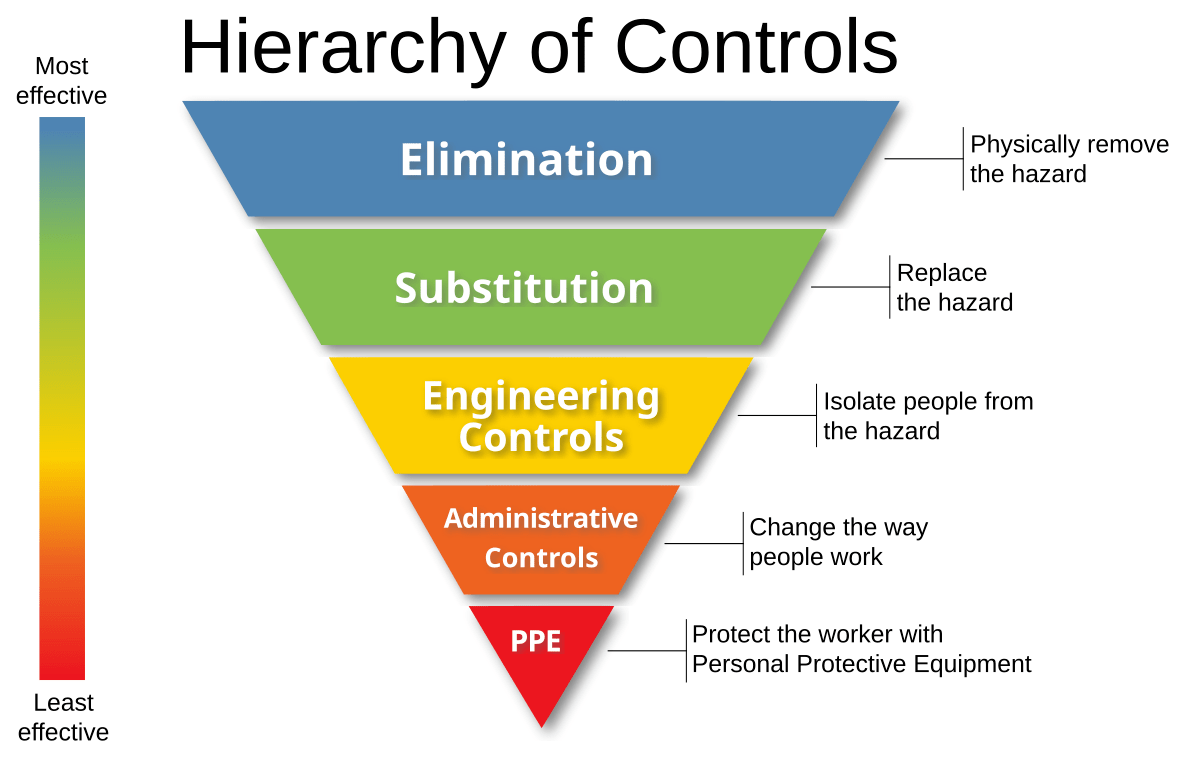
1000
This word describes keeping walkways, floors, and workspaces free of clutter, spills, and debris to prevent trips and falls.
What is housekeeping?
1000
This term describes an angry customer or client who becomes verbally abusive or physically aggressive toward staff.
What is third party violence?
1000
This gradual process, usually taking one to two weeks, allows a worker's body to adjust to working in hot conditions before taking on a full workload.
What is acclimatization?
1000
This system uses labels to quickly identify the hazards of chemicals stored or used in a workplace.
What is hazard communication?