Dead Guys Bones
Don't Let It Bleed
Niche and Notorius
Pop It Like It's Hot
Knives Out
100
A distal radius fracture with distal volar displacement, classically resulting from a FOOSH - typically on a bent wrist.
Sometimes known as a "reverse Colles"
Smith Fracture
100
This strategy involved targeting a systolic blood pressure (SBP) of 80 to 90 mm Hg (or a mean arterial pressure [MAP] around 50–60 mm Hg) in actively bleeding trauma patients without brain injury until surgical bleeding control is achieved
Permissive Hypotension
100
A patient with a painfully throbbing, dark-purple subungual hematoma covering 60% of their nailbed needs this simple bedside procedure for relief.
Trephination
100
The Cunningham, Spaso, FARES, and Davos techniques are used to reduce this most frequent major joint dislocation.
MUST be able to demonstrate one example above.
Anterior Shoulder
100
In the ED setting, a resuscitative thoracotomy is generally indicated for penetrating chest trauma with a loss of vital signs for less than this many minutes.
15 minutes
200
A transverse fracture through the base of the 5th metatarsal at the metaphyseal-diaphyseal junction that carries a high risk of non-union.
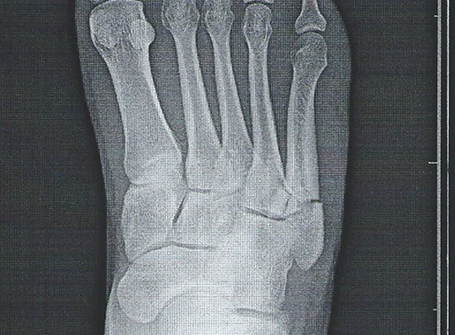
Jones Fracture
Facts:
nonunion risk - occurs in a poor blood-supply area with a high non-union rate. surgical management and NWB.
1.5 - 3cm from distal end of bone

MUST not mistaken for pseudo-jones (tip avulsion) that is managed conservatively with WBAT
200
Standard trauma resuscitation based on the CRASH-2 trial dictates giving tranexamic acid (TXA) as a loading dose of this amount over 10 minutes, followed by an equal infusion over 8 hours.
1g
200
A painter presents with a tiny pinhole puncture on his index finger from a paint gun. What intervention is required?
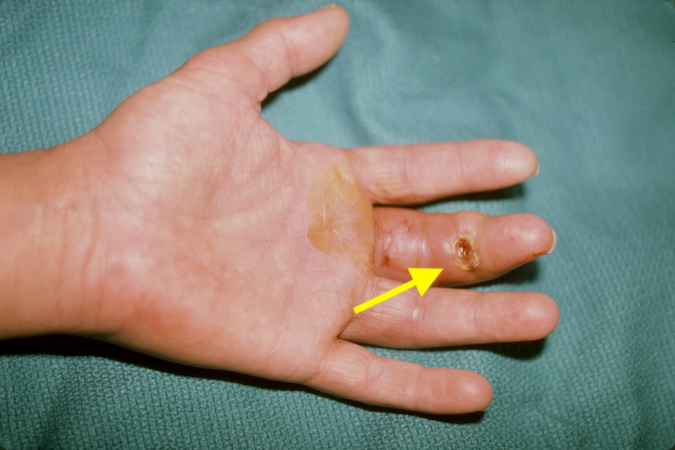
surgical washout / operative debridement
high pressure injection injury
- dissects through soft tissue planes of least resistance (neurovascular bundles)
- extensive soft tissue injury and subsequent necrosis
200
The "extra-oral" technique to reduce this dislocation can typically be accomplished without sedation.
MUST demonstrate.
Mandibular
200
This procedure is indicated for a facial trauma patient presenting with a retrobulbar hematoma, proptosis, and an intraocular pressure greater than 30-40 mmHg.
Name two variations.
Lateral canthotomy/cantholysis
Vertical Lid Split
300
A burst fracture of the C1 ring, classically caused by an axial loading mechanism like diving into a shallow pool.

Jefferson Fracture
300
A trauma patient will typically not show a drop in systolic blood pressure until they have lost 30-40% of their blood volume, placing them in this Class of hemorrhagic shock.
Class III shock
BEWARE: situations where this may be delayed include
peds, pregnancy, physically active young adult
300
In primary blast injuries, this injury is the most common clinical finding and serves as an indicator to look for pulmonary barotrauma.
tympanic membrane rupture

300
A posterior dislocation of this joint carries a high risk of entrapment or injury to the ulnar nerve and brachial artery.
MUST show technique
Elbow
300
To maximize the chance of intact fetal and maternal survival, a resuscitative hysterotomy (perimortem C-section) should be initiated within this many minutes of maternal cardiac arrest.
4 minutes
400
This fracture-dislocation involves a fracture of the proximal third of the ulna with an associated anterior dislocation of the radial head.
Monteggia Fracture.
400
During an MTP, the rapid infusion of banked blood products can cause the preservative citrate to chelate this specific electrolyte, which can precipitate cardiac arrhythmias and worsen coagulopathy.
Calcium
Dose and form??
400
This acronym describes a pediatric spinal cord injury presenting with severe neurologic deficits despite completely normal X-rays and CT scans.
SCIWORA
Maintain spinal precautions, MRI.
400
The Captain Morgan and Whistler techniques utilize the physician's knee to gain leverage when reducing this large joint.
MUST one of the above techniques
Posterior hip dislocation
400
Because of the funnel shape of the pediatric larynx and the high risk of catastrophic subglottic stenosis, standard ATLS guidelines state a surgical cric is contraindicated in children under this age, mandating a needle cricothyrotomy instead.
I NEED THE UPPER LIMIT.
12
500
This injury consists of a fracture of the distal third of the radius with an associated dislocation of the distal radioulnar joint (DRUJ).

Galeazzi Fracture
Mandatory ortho consult in ED.
Children: closed reduction of radius and DRUJ, usually do not require operative intervention
Adults: closed vs. open reduction of radius and DRUJ, always followed by ORIF of radius and stabilization of DRUJ
500
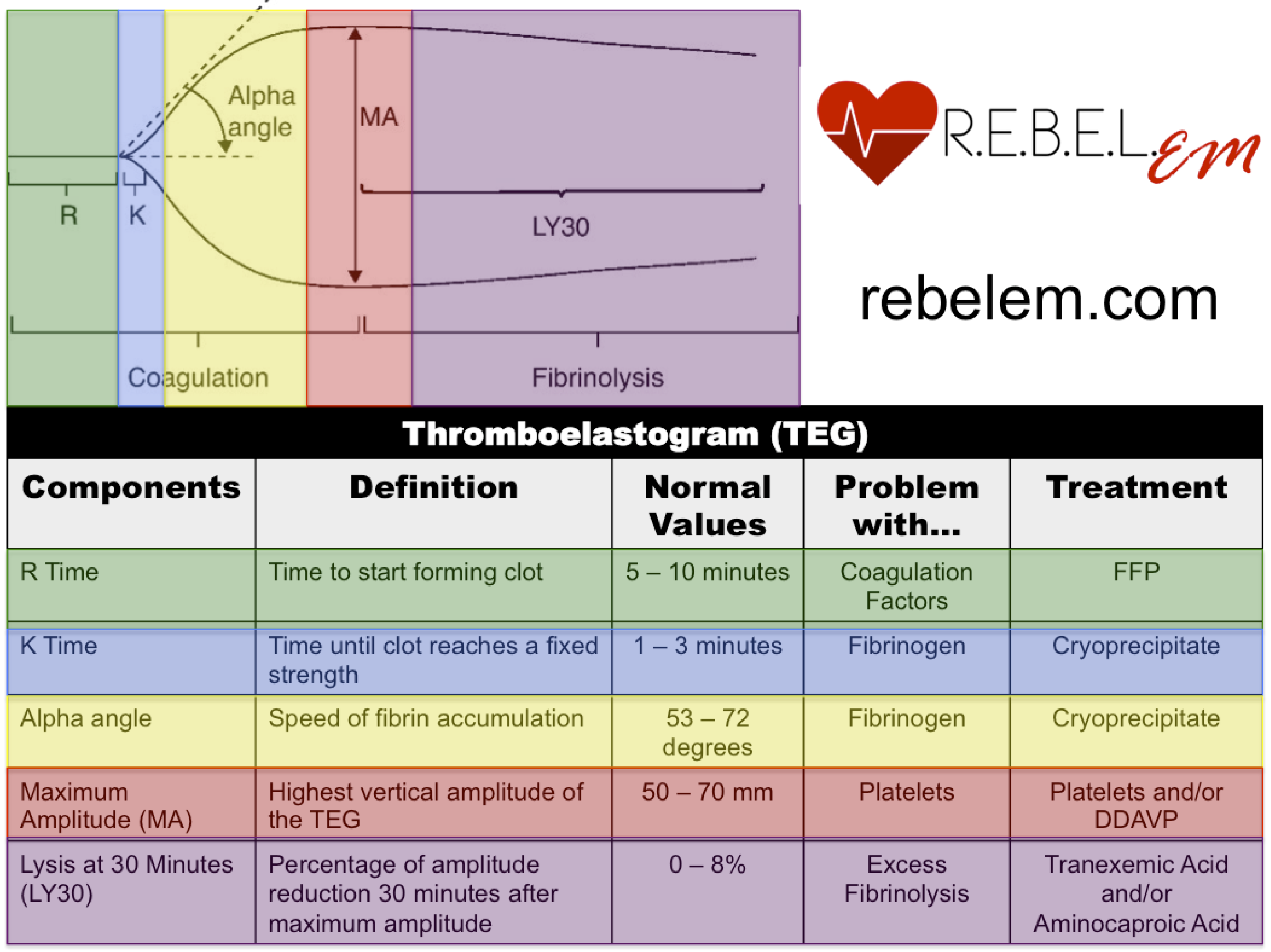
When utilizing TEG (Thromboelastography) in a massive transfusion, a prolonged r-time indicates a deficiency in coagulation factors and should prompt the administration of this specific blood product.
500
This type of bladder rupture is managed non-operatively with a Foley catheter.
extraperitoneal bladder rupture
Extra: most common (80%), pelvic trauma
Intra: direct trauma, bladder dome injury
retrograde cystogram
500
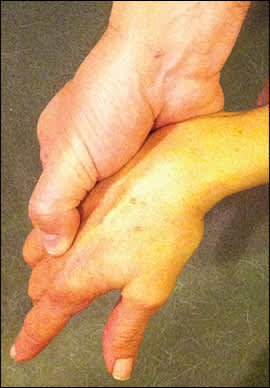
Simple axial traction for a dorsal MCP dislocation is a pitfall that can entrap the volar plate. You must perform this specific sequence of movements instead.
MUST show technique.
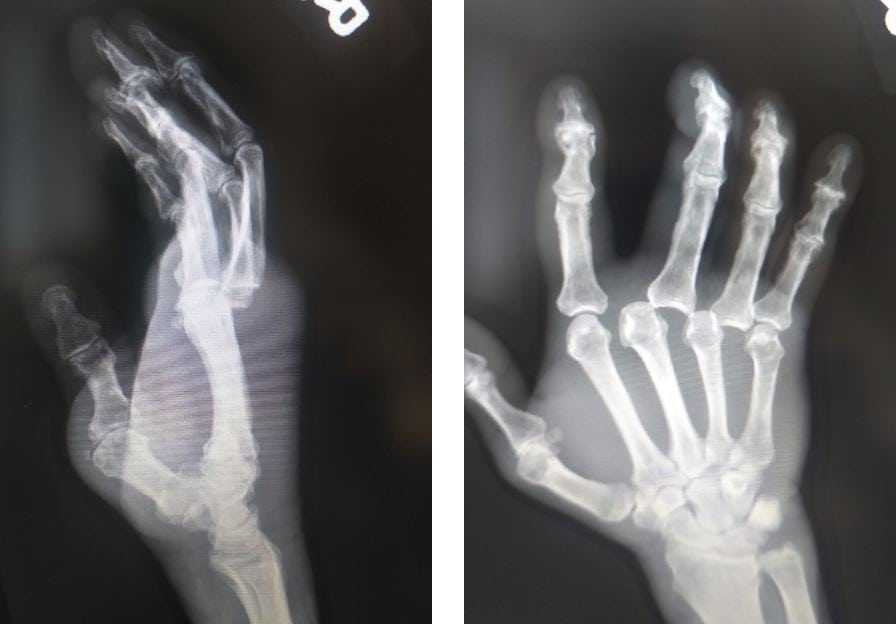
hyperextension of the proximal phalanx, followed by pushing the base of the phalanx distally and volarly over the metacarpal head
500
When performing a resuscitative thoracotomy, you must open the pericardium longitudinally. You must make this incision anterior to what important structure.
Phrenic Nerve.