Traditions
History
Language
Religion
Arts
100
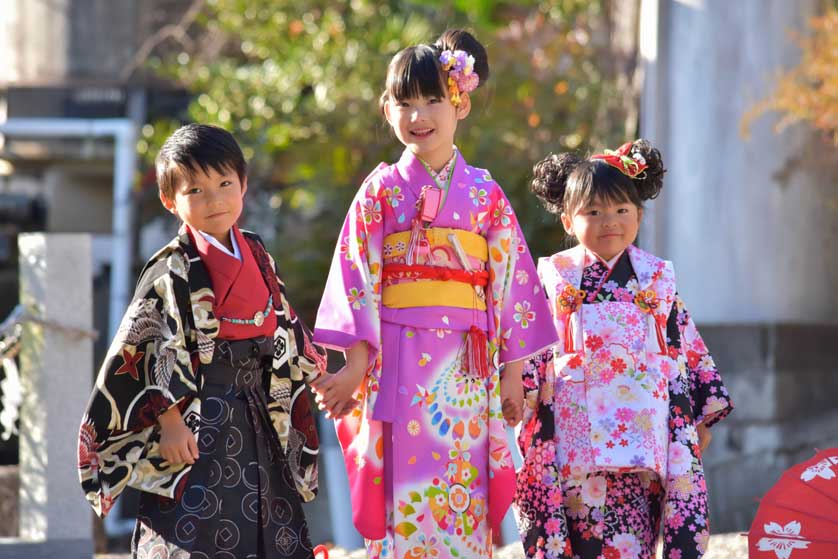 What is the mainpurpose of Shichi-Go-San?
A) to celebrate children's growth
B) to mark the begining of the school year
C) to celebrate the harvest season
D) to honor
A) to celebrate children's growth
"In feudal times, high infant mortality made reaching the ages of 3, 5 and 7 significant milestones worthy of celebration and giving thanks to the gods."
100
What was the title of Japan’s military ruler?
A) Emperor
B) Shogun
C) Daimyo
D) Samurai
B) Shogun
" shogun (supreme military commander)"
100
Which of the following is one of the three writing systems used in Japanese?
A) Cyrillic
B) Hiragana
C) Arabic
D) Greek
B) Hirgana
100
This is Japan’s earliest indigenous religious tradition, associated with nature, spirits, and community rituals.
A) Buddhism
B) Shinto
C) Christianity
D) Confucianism
B) Shinto
100
100 points
This Japanese art form uses a brush and ink to write characters artistically.
A) Ikebana
B) Shodo
C) Origami
D) Ukiyo-e
B) Shodo
200
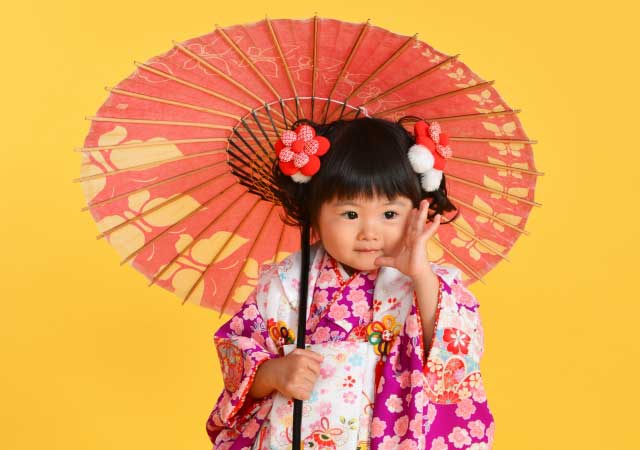
Which ages are traditionally celebrated during Schichi-go-san?
A) ten, eleven, tweleve
B) six, nine, eleven
C) three, five, seven
C) three, five, seven
"In Japanese culture, the ages of three, five, and seven hold special significance, symbolizing stages of growth and development as children transition from early childhood to greater maturity."
200
What is the modern name of the city formerly known as Edo?
A) Kyoto
B) Osaka
C) Tokyo
D) Nara
C) Tokyo
"After the unification of Japan, Tokugawa Ieyasu established a shogunate, headquartered in Edo (present-day Tokyo)."
200
What is katakana commonly used for in Japanese writing?
A) Writing only historical documents
B) Replacing all kanji
C) Writing foreign words and emphasizing certain words
D) Showing sentence endings only
C) Writing foreign words and emphasizing certain words
200
This religion reached Japan in the sixth century after spreading through China and Korea.
A) Hinduism
B) Christianity
C) Buddhism
D) Islam
C) Buddhism
200
Japanese calligraphy arrived from this country during the 6th century.
A) Korea
B) India
C) China
D) Thailand
C) China
300
When is Shici-Go-San traditionally observed?
A) November 15
B) May 5
C) February 10
D) March 6)
A) November 15
"It is widely believed that the first official Shichi go san celebration was held by Shogun Tokugawa Tsunayoshi on November 15, 1681, when he took his eldest son Tokumatsu to pray for his health at a Shinto shrine. This set the precedent for celebrating on November 15th, as it was considered an auspicious day."
300
Which historical period began in 1868 and brought major modernization to Japan?
A) Heian period
B) Edo period
C) Kamakura period
D) Meiji period
D) Meiji period
"Saigo Takamori (1828–1877) was one of the last defenders of the old order, and his defeat in 1877 symbolized the end of the samurai era and the cementing of the new Meiji government."
300
Where does the verb usually appear in a Japanese sentence?
A) At the beginning
B) Immediately after the subject
C) In the middle
D) At the end
D) At the end
300
In Shinto, this term refers to spirits or deities that may be associated with natural features such as mountains, rivers, and trees.
A) Kami
B) Koan
C) Sutra
D) Mantra
A) Kami
300
This writing system was developed in Japan from Chinese characters to represent Japanese linguistic elements.
A) Kana
B) Hangul
C) Cyrillic
D) Latin
A) Kana
400
Where do many families go to pray for their children's health and continued growth?
A) A Shinto shrine
B) A sports stadium
C) A school auditorium
D) A shopping center
A) Shinto Shrine
"In contemporary Japan, celebrating shichi go san with shrine visits, formal attire, and professional photos remains popular, though some families opt for more casual approaches."
400
Which group of warriors played an important role in feudal Japan?
A) Merchants
B) Samurai
C) Monks
D) Artisans
B) Samaurai
400
What are on-yomi and kun-yomi?
A) Two ways of reading kanji
B) Two types of Japanese punctuation
C) Levels of Japanese politeness
D) Names for hiragana and katakana
A) Two ways of reading kanji
400
This branch of Buddhism became associated with meditation, discipline, and aspects of Japanese culture such as the tea ceremony.
A) Pure Land
B) Shingon
C) Zen
D) Theravada
C) Zen
400
This Japanese New Year tradition involves writing characters that express personal hopes or resolutions for the coming year.
A) Hanami
B) Kaki-zome
C) Shichi-Go-San
D) Obon
B) Kaki-zome
500
What is chitose ame, which children may receive during Shichi-Go-San?
A) A paper lantern used in a parade
B) A special long candy symbolizing wishes for a long, healthy life
C) A traditional musical instrument
D) A decorative fan given to parents
B) A special long candy symbolizing wishes for a long, healthy life
"Traditionally, children received the number of candy sticks corresponding to their shichi go san age - 3, 5 or 7. The candy's elongated shape also represents the wish for a long, healthy life."
500
In what year did the Meiji Restoration begin?
A) 1603
B) 1868
C) 1945
D) 710
(Hint: Modern History)
B) 1868
500
What does a small tsu (っ) generally indicate in Japanese writing?
A) The sentence should be spoken more politely
B) The preceding vowel should always be lengthened
C) A brief pause or doubled consonant sound
D) The word must be written in katakana
Correct answer: C) A brief pause or doubled consonant sound
500
This Chinese philosophical tradition emphasized respect for parents and elders, loyalty, proper conduct, and learning, later influencing Japanese society.
A) Shinto
B) Confucianism
C) Christianity
D) Pure Land Buddhism
B) Confucianism
500
In Japanese calligraphy, this element is considered just as important to a composition's beauty as the written characters themselves.
A) Brightly colored paint
B) Decorative borders
C) Empty space
D) Gold leaf
C) Empty space