Dermatology
Nephrology
Rheumatology
Hematology and Oncology
Cardiology
100
A 67-year-old man is evaluated for multiple scaly spots on the forehead, cheeks, ears, and hands. The lesions are thin and have a rough, sandpaper-like quality when palpated. What is the most appropriate treatment?

Topical fluorouracil cream
topical chemotherapy creams, such as fluorouracil, imiquimod, or ingenol mebutate; however, a randomized clinical trial demonstrated that fluorouracil is the most effective treatment.
100
A 55-year-old woman is evaluated for worsening muscle weakness. She has end-stage kidney disease.
Serum potassium level is 8.0 mEq/L (8.0 mmol/L) and blood glucose is 114 mg/dL (6.3 mmol/L).
What is the first finding you will see on an EKG?
tall, peaked T waves.
100
This test is the most specific antibody for rheumatoid arthritis.
anti-CCP
100
Elderly patient with isolated thrombocytopenia, no splenomegaly, normal smear except large platelets
immune thrombocytopenia (ITP)
100
This murmur becomes louder with Valsalva and standing, and softer with squatting.
hypertrophic obstructive cardiomyopathy (HOCM)
200
This skin cancer has the highest metastatic potential.
melanoma
200
This electrolyte abnormality is the most common cause of refractory hypokalemia.
Hypomagnesemia
200
This disease presents with proximal muscle weakness, high CK, and a rash on the knuckles.
dermatomyositis
200
Patient on heparin develops platelets <50% baseline and new thrombosis. Best test?
PF4 ELISA followed by serotonin-release assay
200
Cardiac stress testing is contraindicated in patients with this ECG finding
left bundle branch block (requires vasodilator nuclear test instead)
300
This life-threatening dermatologic emergency presents with mucosal involvement and >30% BSA detachment
Toxic Epidermal Necrolysis (TEN)
300
This diagnostic ratio differentiates prerenal azotemia from intrinsic AKI.
BUN:Cr ratio (>20:1
300
What is the treatment used as a steroid-sparing agent in Giant cell arteritis?
Tocilizumab
300
Painless lymphadenopathy, “waxing and waning,” and t(14;18).
follicular lymphoma
300
A patient with tearing chest pain, acute diastolic murmur, and widened mediastinum most likely has this condition.
acute aortic regurgitation from aortic dissection
400
This neutrophilic dermatosis is associated with IBD, hematologic malignancy, and painful ulcerations with violaceous borders.
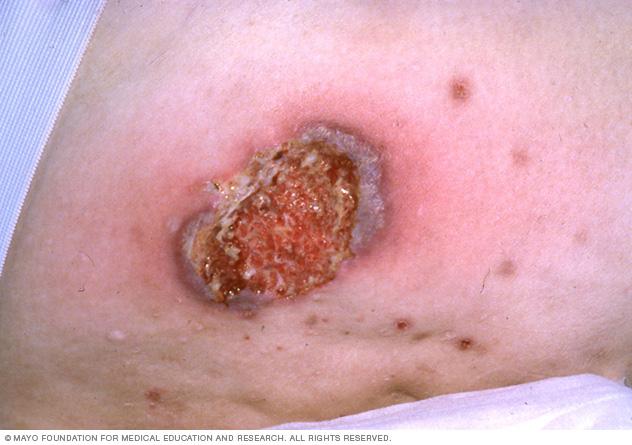
pyoderma gangrenosum
400
This type of renal tubular acidosis is associated with kidney stones and inability to acidify urine (pH >5.5).
Type 1 (distal) RTA
400
This condition presents with purpura, arthralgias, low complement, and Hepatitis C. What is the most common type of that disease?
Mixed type II most common cryoglobulinemia
400
Young patient with mediastinal mass, ↑β-hCG, ↑AFP
non-seminomatous germ cell tumor
400
Post-MI complication within 2–7 days presents with acute pulmonary edema and a new holosystolic murmur.
papillary muscle rupture causing acute MR
500
This dermatologic condition presents with target lesions and is commonly caused by HSV.
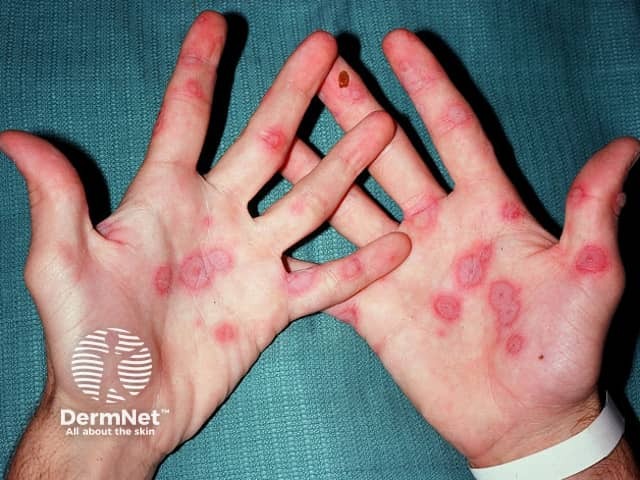
erythema multiforme
500
This electrolyte abnormality presents with QT prolongation and perioral numbness and is treated with IV calcium gluconate.
hypocalcemia
500
This serologic marker is highly specific for limited cutaneous systemic sclerosis and predicts pulmonary arterial hypertension.
anti-centromere antibody
500
Microcytic anemia, normal ferritin, normal iron studies, high RBC count.
thalassemia trait
500
This arrhythmia must never be treated with AV nodal blockers if WPW is present.
AF with WPW