Hematology
Nephrology
Cards
GI
Oncology
100
The patient developed this skin condition after starting warfarin. What is the causative factor?
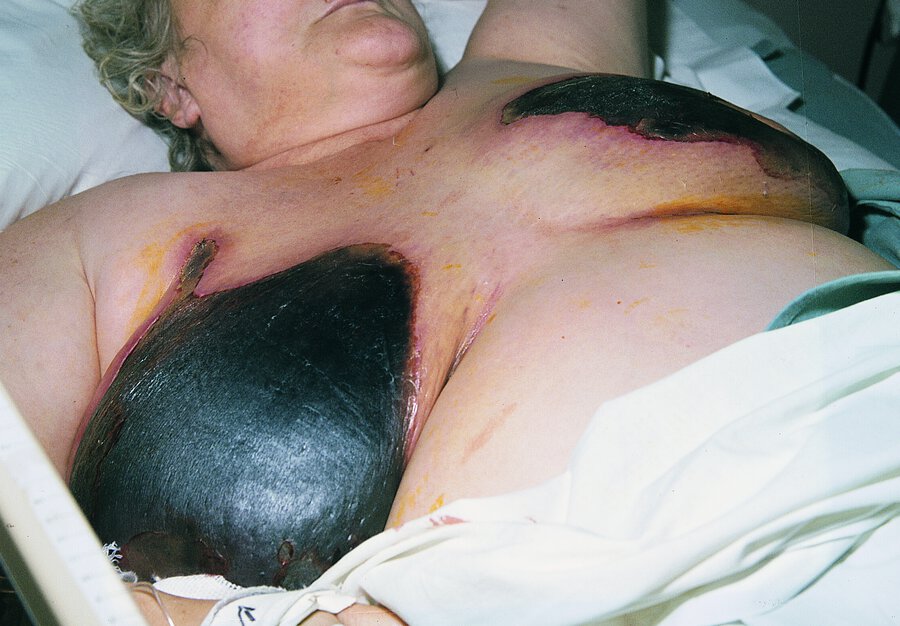
Protein C deficiency
100
Q: High-risk genotype associated with focal segmental glomerulosclerosis and other kidney diseases
A: Apolipoprotein L1 gene (accept APOL1, apolipoprotein 1)
100
Q: Term for intermittent and irregular jugular venous pulsations of greater amplitude than normal reflecting simultaneous atrial and ventricular contraction
A: Cannon a waves
100
Q: The most common cause of lymphocytic gastritis
Celiac disease (accept celiac sprue, nontropical sprue, endemic sprue, gluten enteropathy)
100
Eponym for gastrointestinal metastases to the ovary:
Krukenberg tumor
200
Q: PNH is characterized by a lack of expression of these two on erythrocytes
CD55 and CD59
200
Q: Aquaretic medication used to slow the increase in kidney size and the decrease in function in adult polycystic kidney disease
A: Tolvaptan (accept Samsca, Jynarque)
200
Q: First SGLT2 inhibitor approved for the treatment of heart failure with reduced ejection fraction in adults with and without type 2 diabetes:
Dapagliflozin(Farxiga)
200
Q: Initial medical therapy for primary biliary cholangitis
A: Ursodeoxycholic acid (accept UDCA, ursodiol)
200
Q: Cancer associated with highest levels of cancer antigen 15-3
A: Breast cancer (accept metastatic breast cancer)
300
Q: Inborn error of metabolism that precludes use of rasburicase
A: Glucose-6-phosphate dehydrogenase deficiency (accept G6PD deficiency)
300
Q: Split urine collection (daytime and nighttime) used to diagnose this condition:
Orthostatic (accept positional) proteinuria
300
Q: Two cardiac valves in which regurgitation can cause a pulsatile liver
A: Tricuspid and aortic
300
Q: Eponymous stratification tool that identifies upper GI bleeding patients who are “low risk” and candidates for outpatient management
A: Glasgow-Blatchford score (accept Blatchford score or Rockall score)
300
Q: Enzyme used to treat tumor lysis syndrome
A: Rasburicase (accept Elitek, do not accept allopurinol)
400
Q: Hematologic condition for which crizanlizumab is approved to treat
A: Sickle cell disease
400
Q: Condition characterized by a normal anion gap metabolic acidosis with a negative urine anion gap
A: Diarrhea (Also accept laxative abuse or GI losses)
400
Q: Antiplatelet prodrug that requires two enzymatic conversions in the liver before being active
A: Clopidogrel (accept Plavix)
400
Q: Syndrome characterized by common hepatic duct obstruction caused by an extrinsic compression from an impacted stone in the cystic duct
Mirizzi syndrome
400
Q: Oncogenic protein seen in 1/4 of gastroesophageal cancers, also known as CD340
A: HER2/neu (accept receptor tyrosine-protein kinase erbB-2, proto-oncogene Neu, HER2, or human epidermal growth factor receptor 2)
500
Q: Scoring system used to predict ADAMTS13 deficiency in suspected thrombotic thrombocytopenic purpura
A: PLASMIC score
500
Q: Toxin implicated in Balkan endemic nephropathy
A: Aristolochic acid
500
Pictured arrhythmogenic syndrome
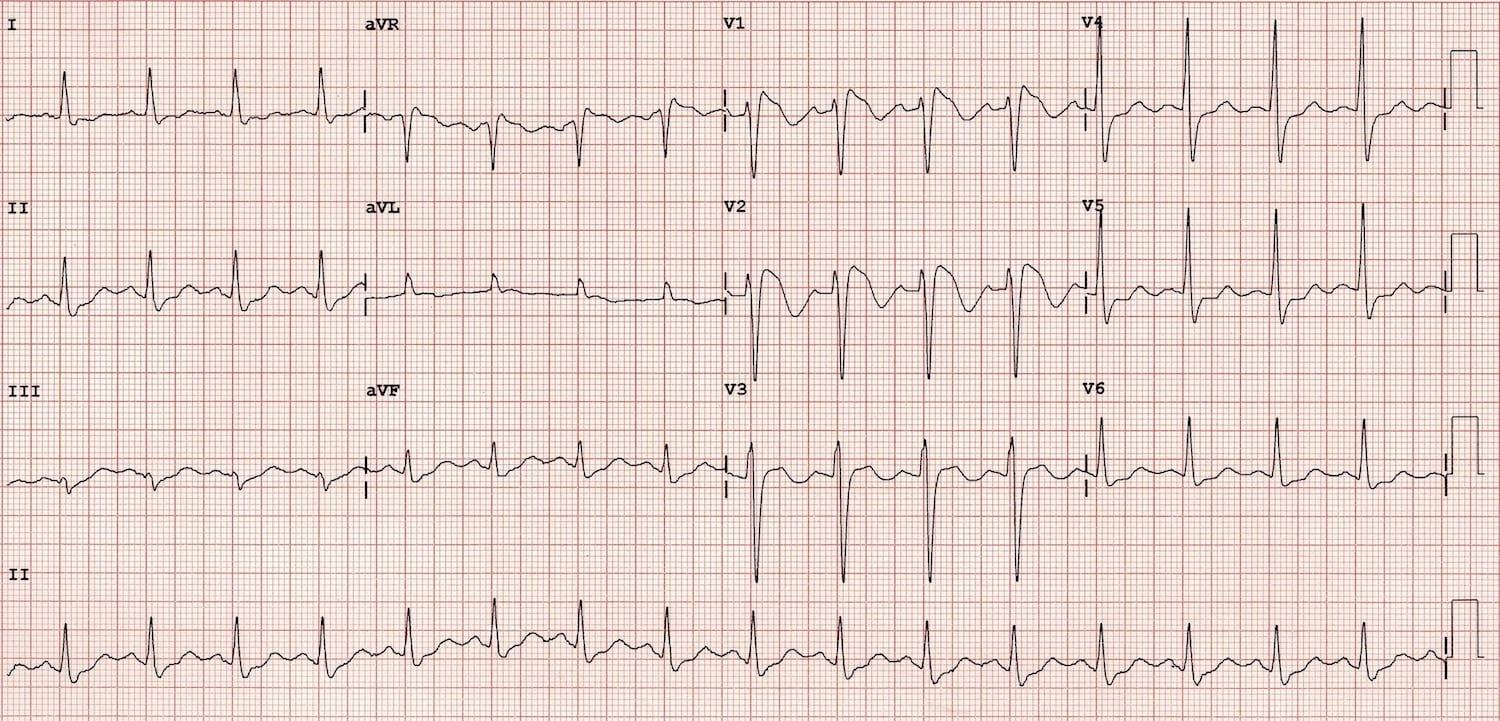
Brugada Syndrome
500
Q: Syndrome of gastrointestinal bleeding from angiodysplasia in the presence of aortic stenosis
A: Heyde syndrome (Triad of aortic stenosis, acquired vWS, and GI bleed)
500
Q: Tumor marker also known as gamma-seminoprotein or kallikrein-3
A: Prostate-specific antigen (accept PSA)