Personal Life
His Research
100
 He is the scientist I chose for my scientist spotlight project
Who is Carlos M. Herrera?
100
As one of these biologists, Herrera studies how species change over generations as well as how they interact with each other and their surroundings
What is an evolutionary ecologist?
200
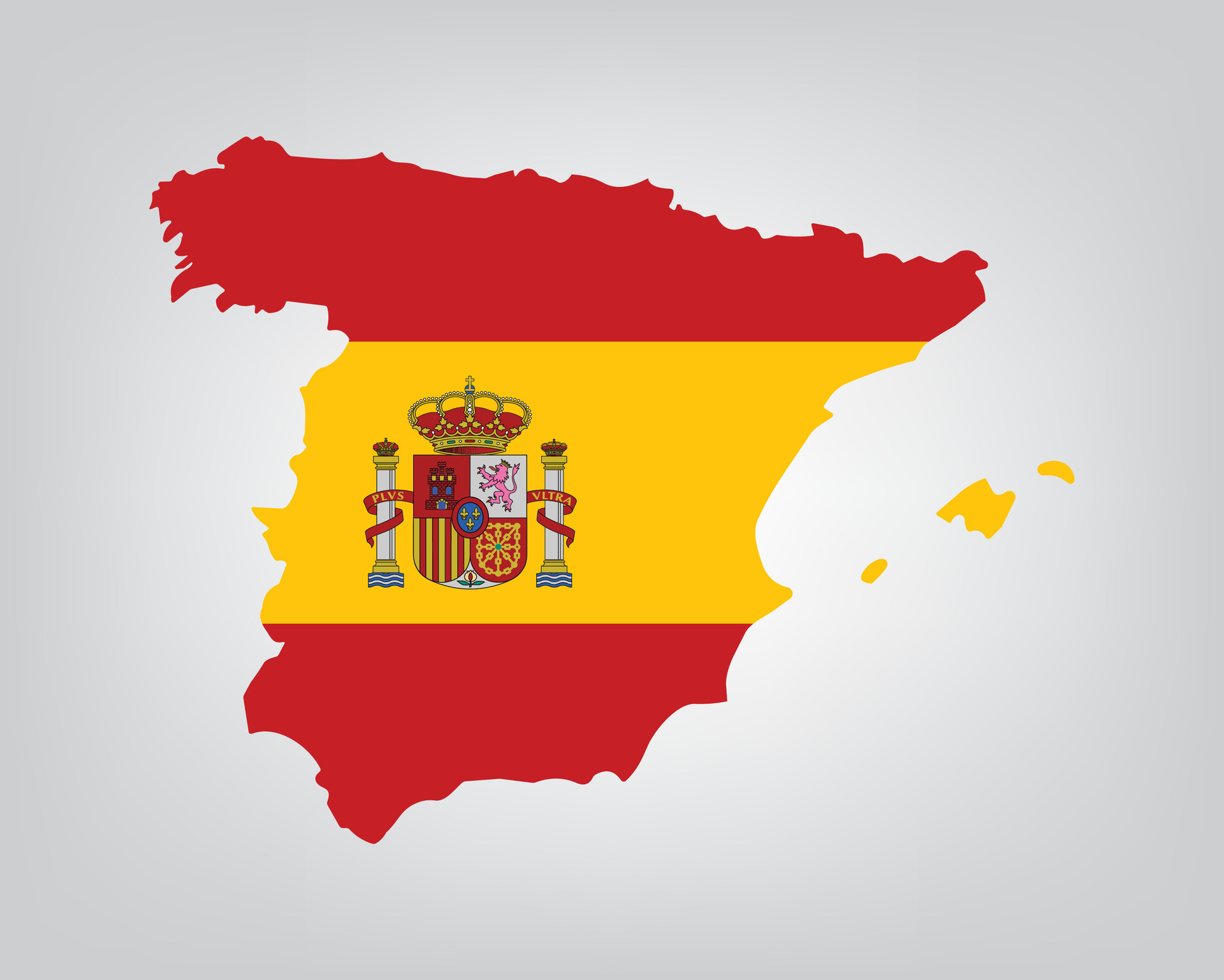 Herrera has spent his entire career at the Estación Biológica de Doñana (Biological Station of Doñana) in his home city of Seville in this country
What is Spain?
200
In 2019, Herrera published a paper on how we can use flower and insect traits as well as the environment to predict service at the Sierras de Cazorla-Segura-Las Villas Natural Park in southeastern Spain of this, the transfer of pollen grains from the male reproductive part of a flower to the female receptive surface (by insects, birds, bats, wind, or another agent), enabling fertilization and the production of seeds
What is pollination?
300
Herrera's interest in ecology was a result of his first contacts with people at the Estación Biológica de Doñana but also his desire to make a living from going out to the field, watching birds and other living creatures and going home to read, think, and take notes on what he'd seen, which was one of these enjoyable activities for him and only later became his job
What is a hobby?
300
Herrera's general research interests include the ecology and evolution of plant-animal interactions, the thermal ecology and evolution of wild bees, and when it comes to plants, their ecological genetics and this, changes caused by modification of gene expression rather than alteration of the genetic code itself
What is epigenetics?
400
Herrera has earned many honors and awards, including Honorary Membership in the ESA, this professional organization for ecologists
What is the Ecological Society of America?
400
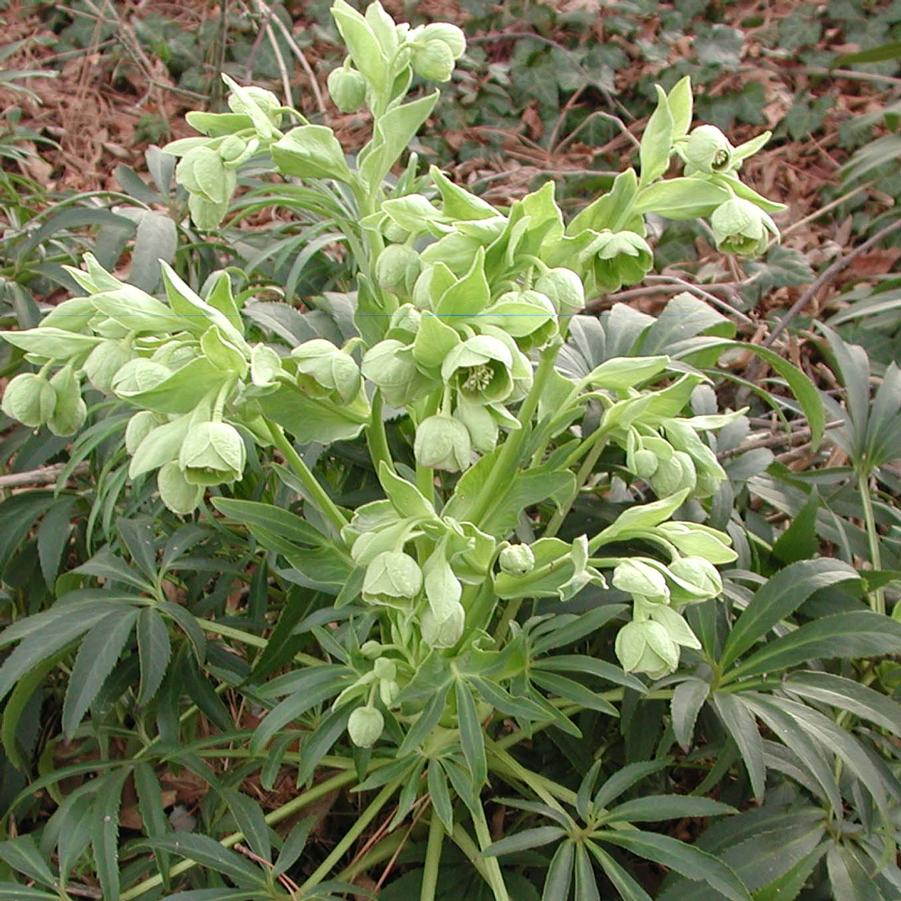 Herrera's main research project focuses on the geographical variation, at the scale of the Iberian Peninsula, of the interactions between Helleborus foetidus, a perennial herb, and its whole set of pollinators (mainly bumble bees), flower and fruit predators (caterpillars and mice), and these seed dispersers (hint: this is called myrmecochory)
What are ants?
500
In his early thirties, Daniel Janzen's publications on tropical ecology sparked his early interest in plant-animal interactions and taught him the essential importance (and immense personal pleasure) of incorporating into his research detailed, first-hand natural history observations and this, the view that all human systems must be designed and managed within the immutable physical and biophysical limits of the Earth system
What is ecological realism?
500
Herrera's research with the Alonso lab focuses on "interactions between plants and animals, and their leading role in the micro and macroevolutionary processes underlying the astounding variety of morphological, functional, reproductive and chemical traits associated with the spectacular diversification of" this largest group within the kingdom Plantae (with approximately 352,000 species), also known as flowering plants
What are angiosperms?