Transportación
Clases y Opiniones
Personas en la Escuela
Lugares en la Escuela
Adjetivos
100
Say in Spanish: “I arrive by bus.”
Yo llego en autobús.
100
Say in Spanish: “My art class is easy.”
Mi clase de arte es fácil.
100
Translate: “la maestra”
the (female) teacher
100
Translate to Spanish: “library”
la biblioteca
100
What adjective means “new”?
nuevo(a)
200
Name two ways you can arrive to school.
Any two (e.g., autobús, carro/coche, bicicleta, a pie, metro, taxi/uber, bote, caballo)
200
Which adjective describes something “hard/difficult”?
Difícil
200
What is the Spanish word for “principal”?
director / directora
200
Is a Costa Rican gym “similar or different”?
diferente because... (students choose).
200
What adjective means “boring”?
aburrido(a)
300
Translate to English: “Yo llego a pie.”
I arrive on foot.
300
Answer in Spanish: Do you like English class? (Positive response).
Sí, me gusta la clase de inglés. Es interesante.
300
Say one adjective you can use to describe a friend.
simpático(a), popular, interesante, etc
300
Describe the cafeteria using an adjective (in Spanish).
La cafetería es grande / pequeña / moderna / vieja.
300
Give two opposite adjectives from the unit.
moderno/viejo, fácil/difícil, grande/pequeño
400
Fill in the blank: “Yo llego en _______.” 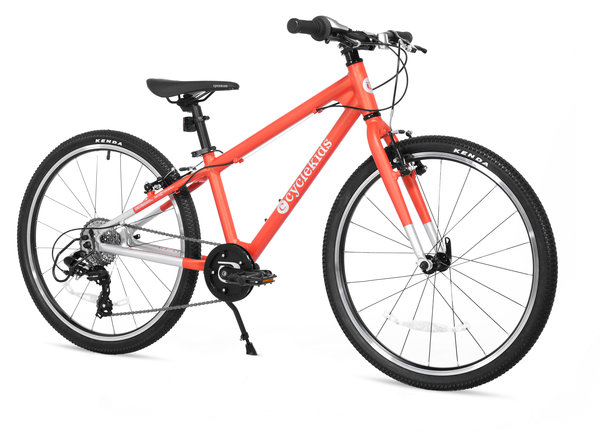
bicicleta
400
Describe your favorite class using an adjective.
Examples:
Mi clase favorita es español. Es divertida.
Mi clase favorita es ciencias. Es importante.
400
Describe the nurse using an adjective (in Spanish).
La enfermera es amable / simpática / interesante
400
Name two places you can find in a school.
biblioteca, cafetería, auditorio, gimnasio, oficina, patio, aula.
400
Use an adjective to describe a class AND a place.
Example:
- La clase de inglés es interesante.
- La biblioteca es grande.
500
Ask a friend in Spanish how they arrive to school.
¿Cómo llegas tú a la escuela?
500
Say in Spanish: “No, I don’t like math. The class is difficult.”
No me gusta la clase de matematicas. Es dificil.
500
Create a full sentence describing the secretary.
La secretaria es simpática.
500
Describe your school using two adjectives.
Mi escuela es...
500
Cierto o falso this statement makes sense: “La escuela es moderno.”
Falso, moderna.