Careers in Forensic Psychology
Introductory Concepts
Interrogation
Lie Detection
Criminal Profiling
100
What do you call a forensic psychologist who educates a judge and/or jury about research and/or theories relevant to the court case?
Who is an expert witness or trial consultant?
100
This legal standard determines whether evidence and expert testimony are scientifically admissible in federal courts.
What is the Daubert Standard?
100
This constitutional warning informs suspects of their rights before custodial interrogation.
What are Miranda rights?
100
This commonly used device measures physiological responses such as heart rate and respiration during questioning.
What is a polygraph?
100
The unique, personal behaviors an offender commits that are NOT necessary to complete the crime.
What is a signature?
200
Describe one major responsibility of a forensic psychologist working in correctional settings.
What is conducting risk assessments, treatment, rehabilitation, or behavioral evaluations of inmates?
200
This is a Latin legal term that translates to "guilty mind." It refers to the mental state or intent a person must have at the time they commit a criminal act.
What is mens rea?
200
This type of interrogation technique, which can include lying, has been criticized for potentially increasing the likelihood of false confessions.
What is the Reid Technique?
200
What is the last name of a psychologist who studied "micro expressions" or brief moments in which people being interrogated might show their true emotions?
Who is Eckman (Dr. Paul Eckman)?
200
The Latin phrase that is used to describe the specific methods, techniques, and tools a criminal uses to successfully commit a crime, ensure its completion, and escape undetected.
What is modus operandi?
300
Compare the roles of an expert witness and a consulting forensic psychologist.
An expert witness provides testimony in court, while a consultant advises attorneys and legal teams outside the courtroom.
300
Sometimes called the Father of Forensic Psychology, this German-American Psychologist pioneered the application of psychological principles to the legal system. 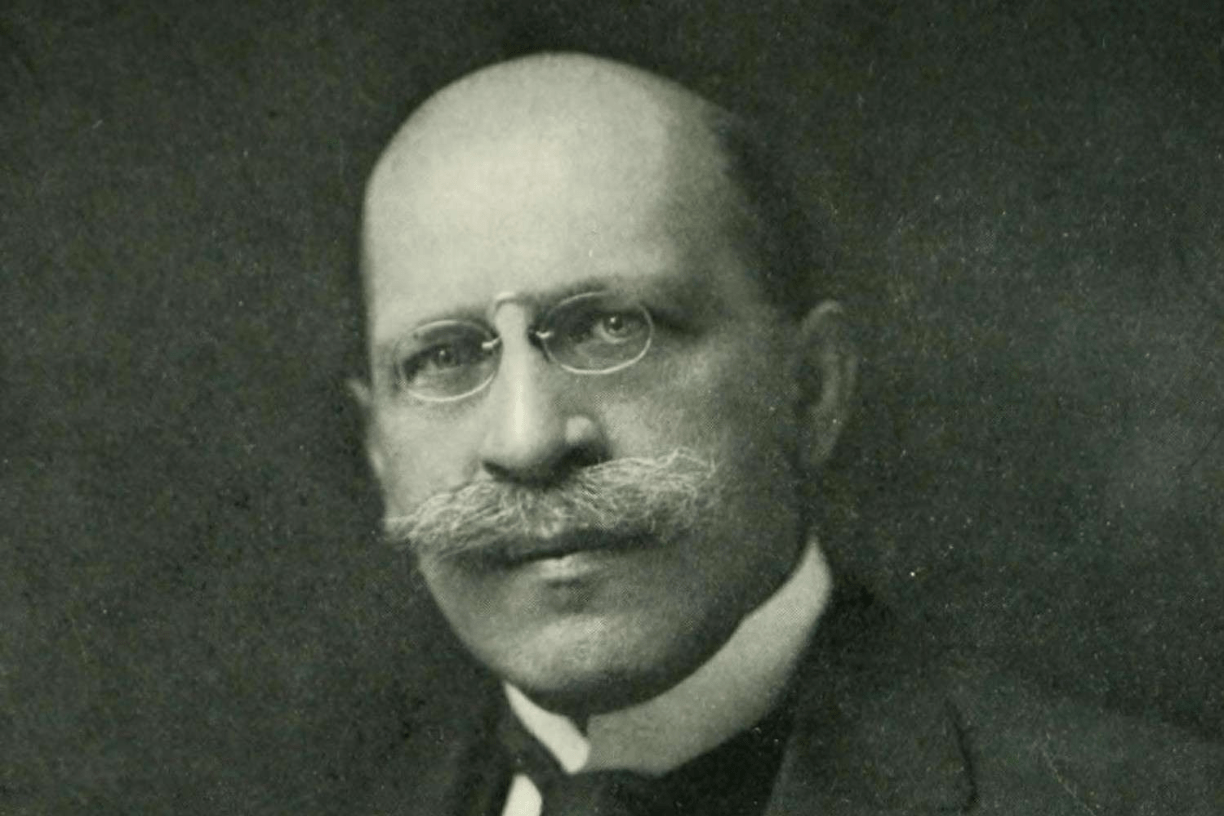
Who is Hugo Münsterberg?
300
This is a type of bias in which an investigators may focus on evidence supporting guilt while overlooking contradictory information.
What is confirmation bias?
300
Prolonged questioning, youth, intellectual disability, mental illness, sleep deprivation, or coercive tactics all increase the odds of this occurring during interrogation.
What is a false confession?
300
This type of offender acts impulsively and leaves evidence behind.
What is disorganized?
400
A forensic psychologist who serves as an ____ is asked to conduct research to find out if a youth prevention program actually works.
What is a psychologists as evaluator?
400
Latin for "friend of the court."
What is amicus curiae?
400
Compare information-gathering interview approaches with accusatory interrogation approaches.
Information-gathering focuses on obtaining accurate information through rapport and open-ended questions; accusatory approaches presume guilt and seek confessions.
400
Name a specific lie detection method.
What is relevant-irrelevant technique, comparison question technique, or guilty knowledge test?
400
The first criminal profiler for the FBI (featured in "Mindhunter," a Netflix series).
Who is John Douglas?
500
This APA division was established to serve forensic psychology in 1969.
What is the Psychology-Law Society (Division 41)?
500
If an APA ethical standard is in conflict with a state or federal law, the forensic psychologists should do the follow...
What is try to declare and resolve the conflict? If the conflict remains unresolved, then a forensic psychologist may legally comply with the law.
500
This is something that can be done during interrogation to avoid false confessions.
What is rapport-building, open-ended questions, avoiding coercion, documenting procedures, and considering individual vulnerabilities?
500
William Marston developed this in 1917.
What is a lie detector or polygraph test?
500
This person kills people thought to be abusive bullies (clearly, not the ethical choice). This type of motive for a serial killer is called...
What is mission-oriented?