You can win with Heparin
LifePak15
Don't Drop The Beat (BLS/ACLS)
Ready, Set, JCOH!
Guts of Glory
100
Name 3 adverse effects that may be caused by Heparin?
Epistaxis (nosebleed), melena (black tarry stool; Upper GI), hematochezia (bright red stool; lower GI), hemoptysis (coughing up blood), hematemesis (vomiting blood), hematomas, bleeding gums, and/or bleeding at IV sites.
100
Demonstrate:
-Turning the LifePak15 on
-Switching from leads to pads
-Taking BP
-Connecting ETCo2
100
What is the correct compression rate for CPR on an adult patient?
100 to 120 per minute
100
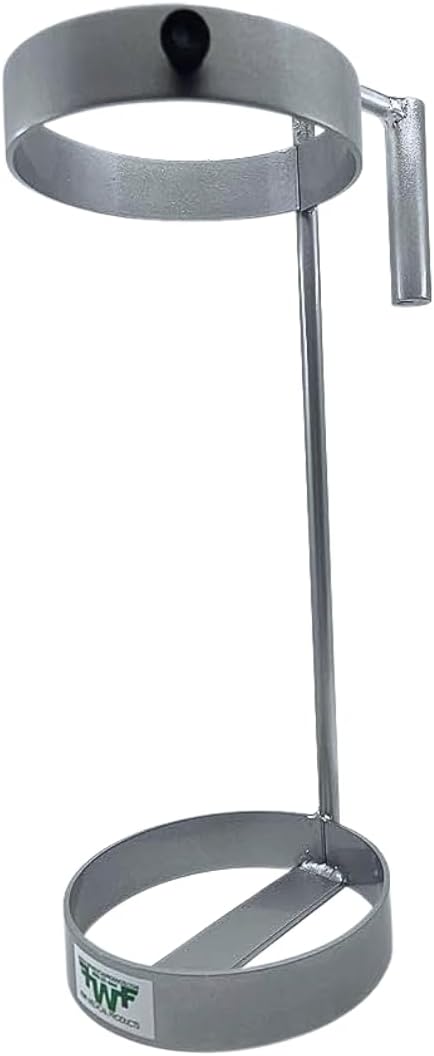
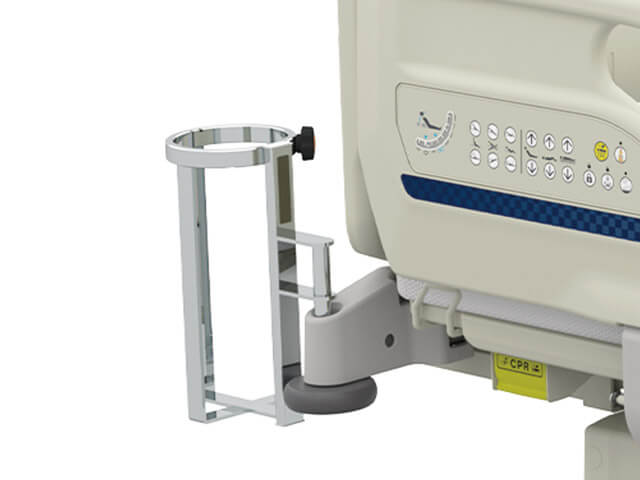
What is the proper way to store and transport Oxygen Tanks?
Full oxygen tanks are stored separately from empty oxygen tanks.
Oxygen tanks must be transported in one of the devices below at all times.

100
When your patient has a BMI of 35 and above and they would like to discuss anything weight related, what protocol order do you place in EPIC?
Inpatient consult to Bariatric Coordinator
200
What is the reversing agent for Heparin? how is the dosage determined?
Protamine sulfate.
1.Slow intravenous injection.
2.Dose: 1mg Protamine Sulfate for every 100 units of heparin administered over the last 4 hours.
200
Demonstrate
- AED set up
200
Your adult patient is choking but is responsive. What actions will you take?
Alternate between 5 back blows and 5 abdominal thrusts until the object is expelled or the patient becomes unresponsive.
200
What are National Patient Safety Goals NPSG? Give one example.
NPSGs help us improve patient safety.
-Identify patients correctly: AT LEAST 2 patient identifiers
-Use medicines safely: Label meds, extra care for pts on blood thinners
-Prevent infection: Hand cleaning
-Safety risks:Risk for suicide
200
This imaging study is preferred to evaluate suspected internal hernia in a post-gastric bypass patient?
Bariatric CT with oral contrast, patients are given contrast on the table to ensure it is in the stomach during the time of scan
300
Your patient's las aPTT result was 189. What are your next interventions?
1. Recognize this to be a critical result (aPTT>180)
2. Stop the infusion
3. Assess the patient for complications
4. Notify provider
300
Demonstrate:
-Steps in cardioversion
300
The American Heart Association (AHA) BLS Algorithm now explicitly includes the use of what medication for a patient with cardiac or respiratory arrest who has a suspected opioid overdose?
Naloxone (Narcan)
300
How do we provide patients with education about end-of life care?
On admission patients receive AHCW policy on Advanced Directives:
-Regarding life-saving methods and the use withdrawal of life support mechanisms
-Access to palliative care and hospice providers
300
This common class of medications should be avoided after bariatric surgery due to increased ulcer risk?
NSAIDS
400
Your patient has been on Heparin infusion over the last 48 hours. Reaching therapeutic levels during the last shift. Your patient's daily labs showed platelet count below 150. You suspect your patient has developed which condition?
Heparin Induced Thrombocytopenia.
400
Demonstrate
-Pace
400
What body part of the compressor should be aligned with the patient's torso either through kneeling or use of a stool?
Knees.
400
How does the hospital assess and manage the use of patient restraints?
-Maintaining a policy and procedure that supports the regulations provided by TJCo, CMS, and Florida Statutes
-Appropriate EMR documentation
-Performance improvement data is collected and reported through the Quality improvement committee
-Any deficiency is reviewed with the nurses and physicians involved in the patient's care.
400
This serious complication typically presents with tachycardia, abdominal pain, and fever, often within the first week after bariatric surgery.
Anastomotic leak
500
Nurse Dana is caring for a patient on Heparin infusion. She knows she must report to the provider ANY of the following critical S&S (name 3):
-Hemoglobin 2g/dL lower than baseline.
-Platelets drop 50% or below 100.
-S&S of bleeding or neurological changes.
500
Demonstrate:
- Defibrillate (200J)
500
What treatment should be initiated for a patient who is normothermic or hypothermic and is unresponsive to verbal commands after ROSC.
Temperature Control. Maintain patient's temperature between 32 °C (89.6 F) and 37.5 °C (99.5 F)
500
Does your organization have a list of HIGH ALERT medications? Name one and give examples of how to prevent errors with this medication.
- The hospital has one list of HIGH ALERT medications. For these meds, a second independent check of five right and infusion programming is required.
-Examples: Heparin gtt, chemotherapy, and insulin gtt.
500
Failure to replace thiamine in a deficient bariatric patient can precipitate this neurologic syndrome.
Wernicke’s Encephalopathy, needs 100mg of IV or banana bag.