Geography
Trade
Religion
Historical Figures
Miscellaneous
100
Name the country that is to the north of China.
Mongolia.
100
A person who trades.
A merchant.
100
The official religion of the Byzantine Empire.
Christianity
100
Original leader of the Mongols- ruthless. United all the Mongol Tribes, and conquered most of Eurasia, including northern China.
Genghis Khan
100
The half of the Roman Empire that survived, and what it was renamed
Eastern Roman Empire, renamed Byzantine Empire
200
 Send a Representative from your team to come point to Japan. Wherever they touch will be considered a final answer.
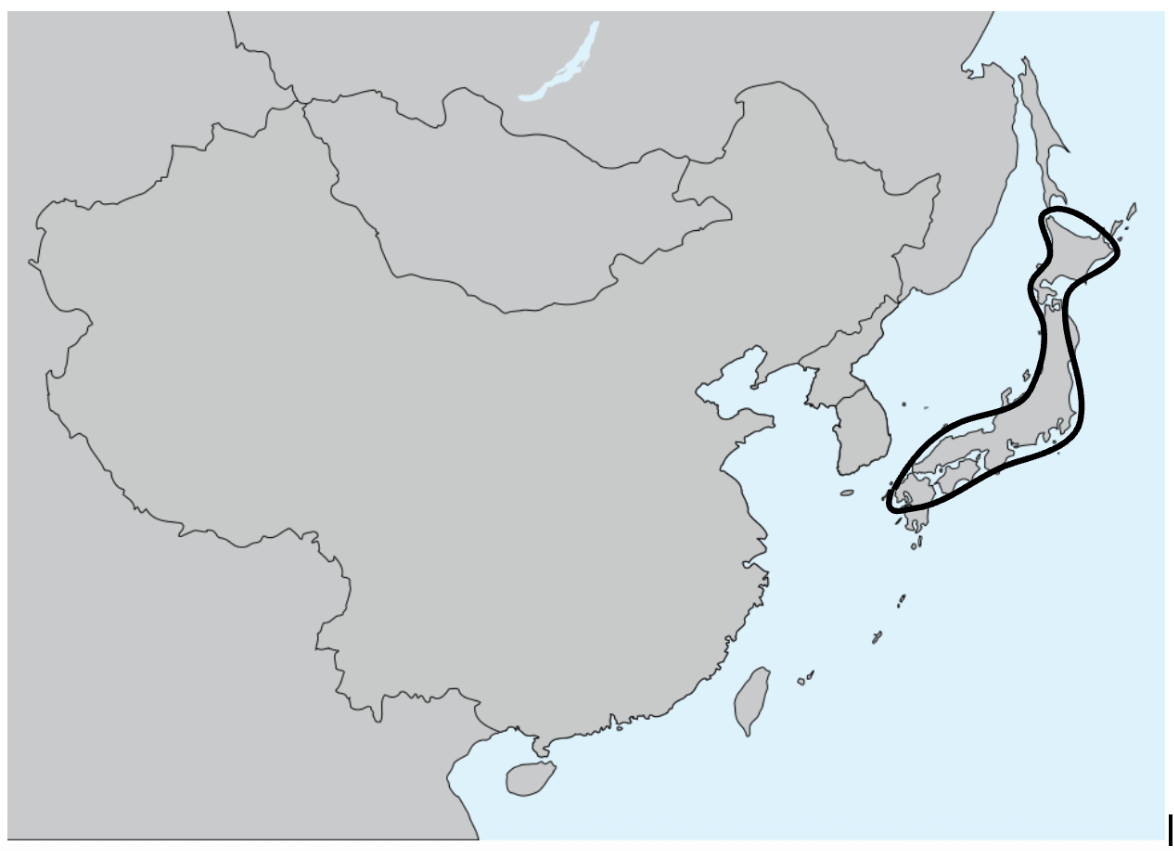
200
Name one reason why Constantinople was a good location for a capital city. (HINT: consider the title of this category, and be specific about its location)
It was located on the Mediterranean sea which made it easy to trade.
200
Describe a kami.
a nature spirit that's worshipped in Shintoism.
200
Wife of Justinian. Argued for Women's rights. Baddie. Legend. Icon.
Theodora.
200
How Japanese culture was created.
Cultural Diffusion. (Korean and Chinese culture combined)
300
Name the river that is furthest NORTH in China.
the yellow river
300
The construction of this caused both trade to increase and the spread of Buddhism.
The Grand Canal.
300
Belief in more than one god.
Polytheistic.
300
Name Kublai Khan's bestie. (worked for the Chinese government) and the title of his most famous work.
Marco Polo, travels of Marco Polo
300
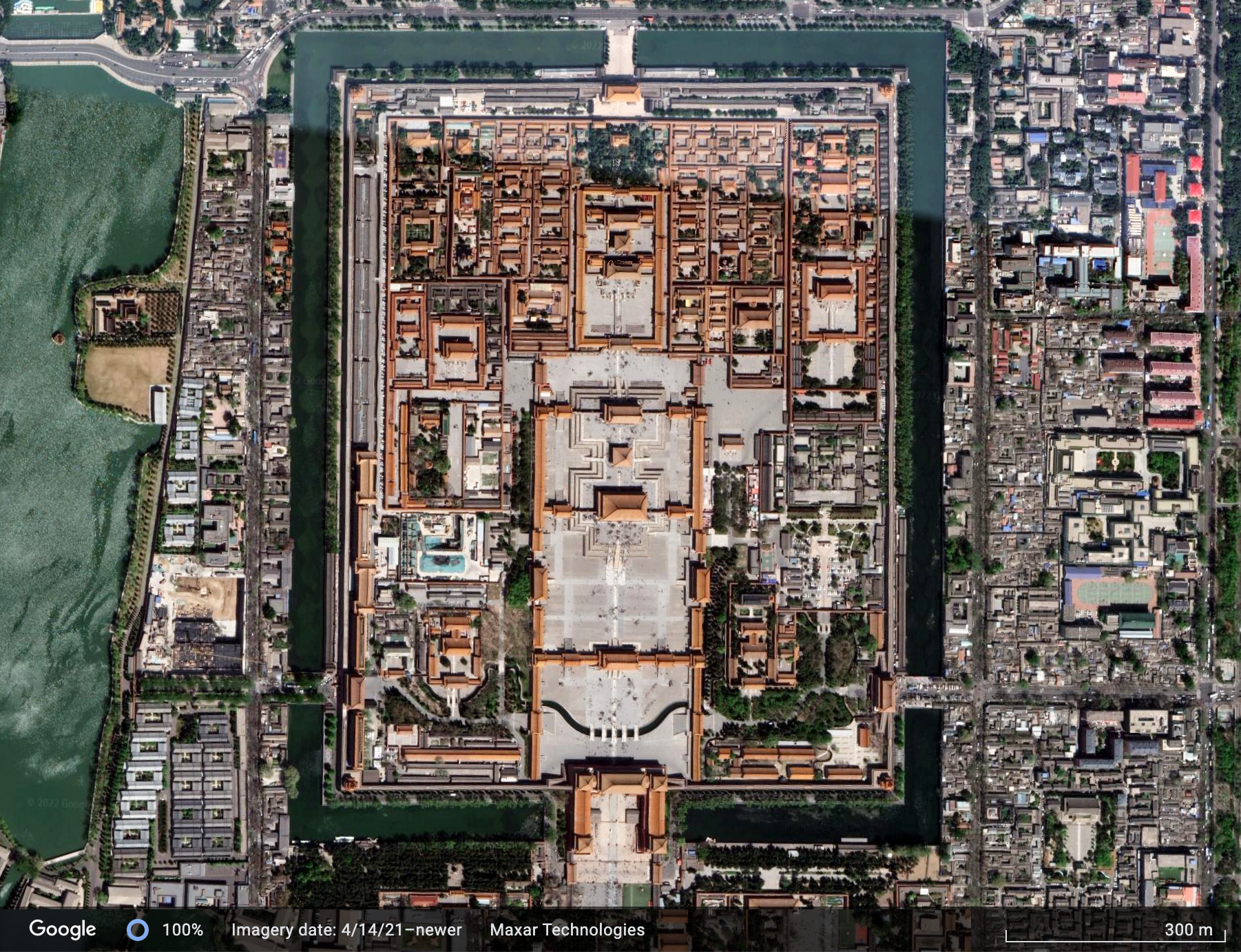
This is a map of a structure in China where only the emperor and the Chinese government could live. State the name of this structure, its purpose, and the dynasty in which it was created.
The Forbidden City. To protect the emperor and the government from attacks.
400
Send a Representative from your team to come point to China. Wherever they touch will be considered a final answer.
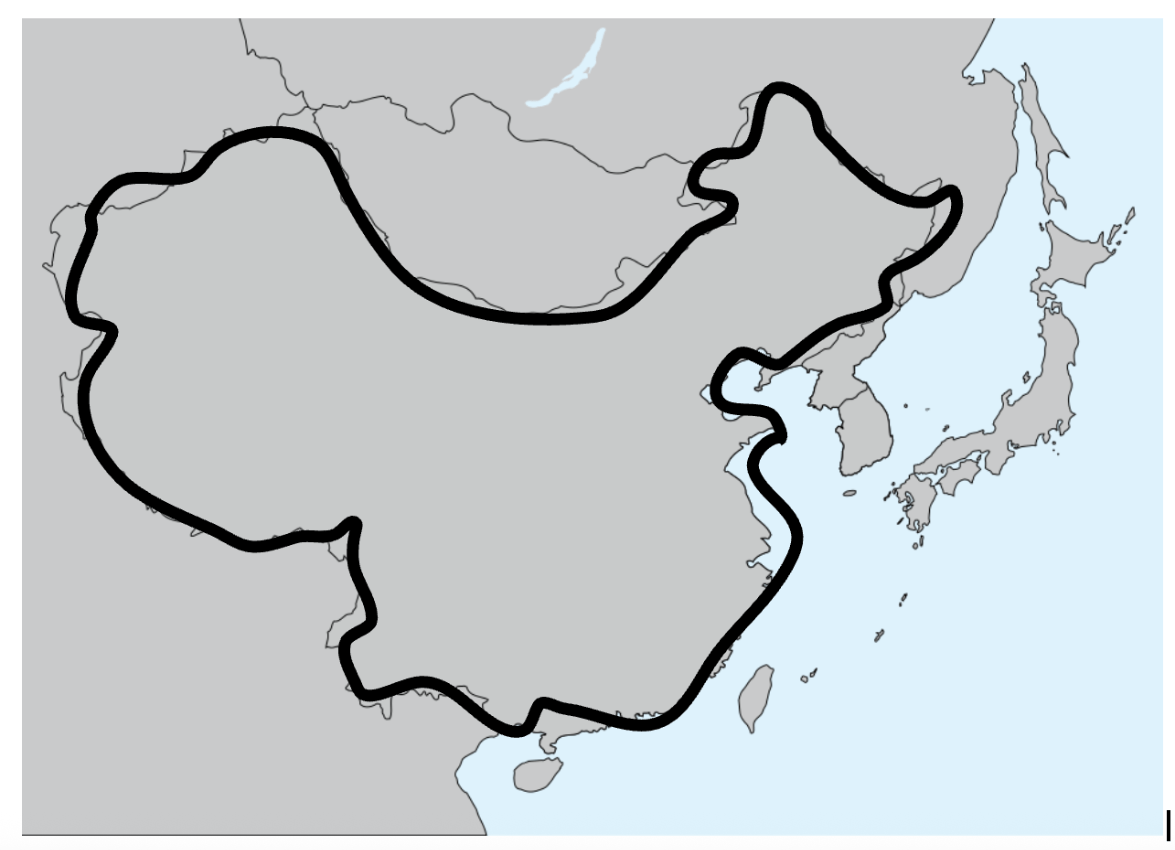
400
This wasn't a priority during the Heian period because the Heian only cared about this one thing.
Making art (and performing ceremonies)
400
The religion that spreads during the Tang Dynasty.
Buddhism
400
Describe the Daimyo in the Japanese feudal system.
The wealthy landowners. Samurai work for them.
400
State why the Chinese sent Zheng He on sea voyages during the Ming Dynasty.
To prove China was strong so they wouldn't be conquered by the Mongols.
500
the natural border between China and India.
The Himalayan Mountains.
500
This is how the Mongols made money off of Silk Road trade.
They taxed merchants.
500
Explain what's shown in this image.
A Shinto Shrine (a home for kami in the religion of Shintoism)
500
Mongol who founded the Yuan Dynasty and worked with Chinese advisors to ensure that there was peace in China during his rule.
Kublai Khan
500
Name the group in charge during the Yuan Dynasty.
The mongols.
600
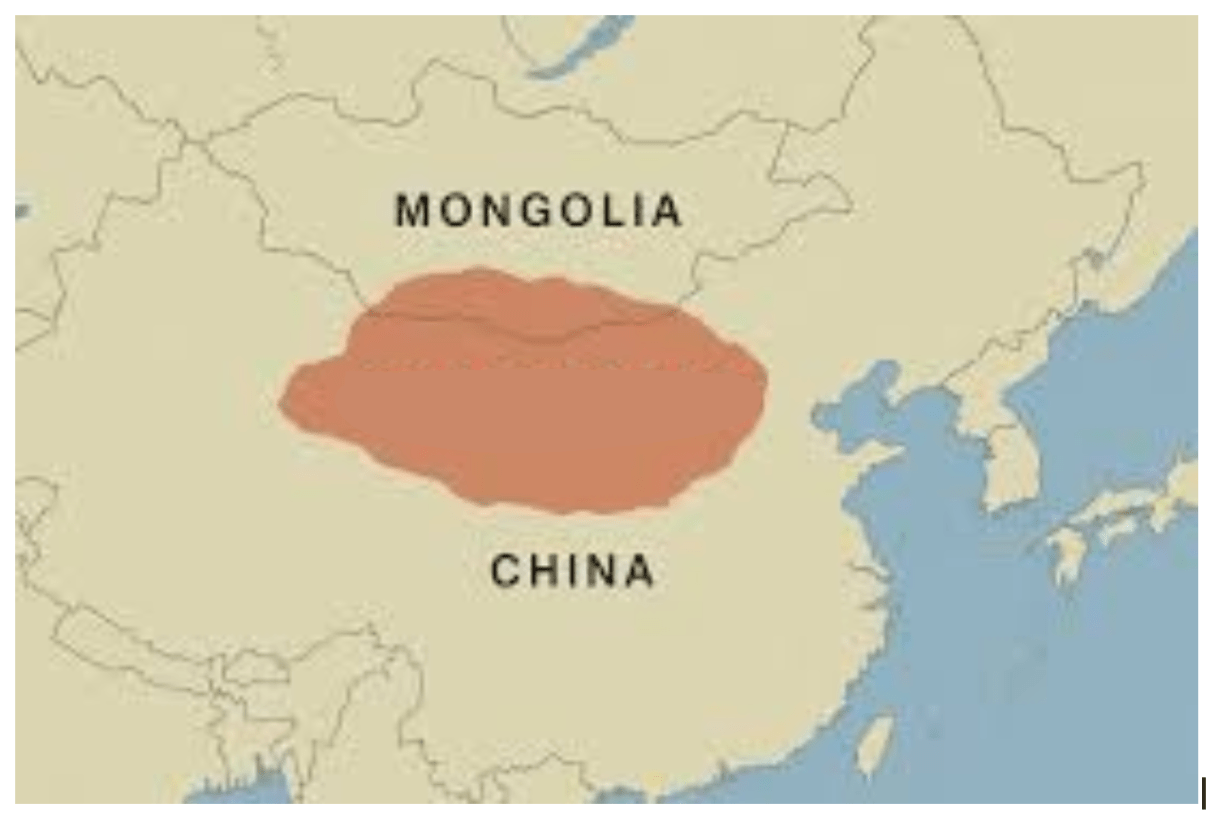 Name the geogrpahic feature that is in the orange area on this map.
The Gobi Desert.
600
During the Ming Dynasty in China, the Chinese did not practice trade or interact with outside nations because of this practice. Name it.
Isolationism.
600
The religion that is indigenous to Japan.
Shintoism
600
Name Justinian's political achievement and why it was important.
Justinian's code. It organized all Byzantine Laws, as well as old Roman laws and helped people know what was legal and illegal.
600
The group that takes over after the Heian period.
The shogun. (military government)
700
 Name the term for this geographic feature.
A plateau.
700
This is how Mongols helped trade on the Silk Road to increase.
They made it safe for people to trade on the silk road. (hired security to protect from thieves)
700
Name the religion that's used in the Constitution of Prince Shotoku, and the philosophy that's used. Specify which is which and where they came from.
Buddhism (religion from Korea), and Confucianism (philosophy from China)
700
Japanese emperor who wrote a Constitution to organize the Japanese government.
Prince Shotoku.
700
Describe the Song Dynasty and the general state of China during this Dynasty.
When China is thriving (agricultural achievements, population increase, trade increase, innovations- compass, gunpowder, movable type printing, paper money)