Limits
Derivatives
Formulas
Integration
Random :)
100
The limit as x approaches 4 of
x3- 4x2 / x2- 16
Hint: factor
-2
100
-3x2
-6x
100
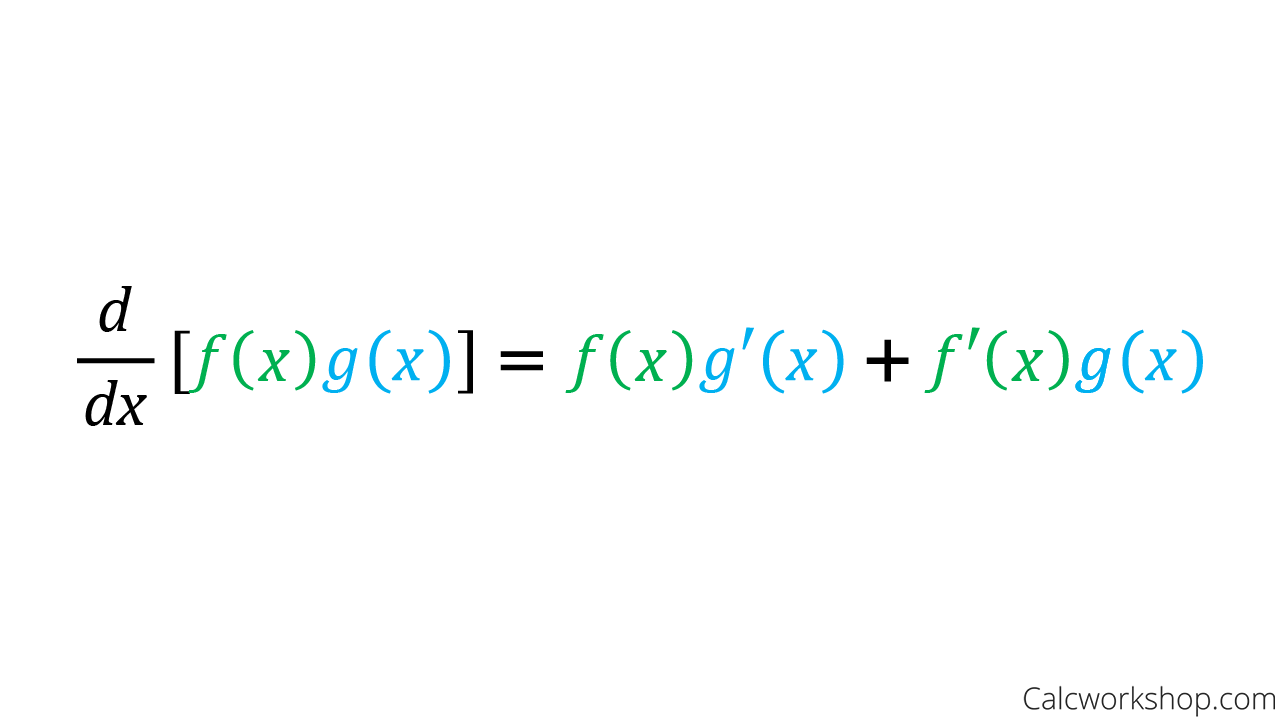
Formula for Product Rule
100
Antiderivative of 3x2
x3
100
Let h(x) = 1/4(x3) + 2x - 1 and let g be the inverse function of h. Notice that h(2) =5.
g'(5) =?
1/5
200
The limit as x approaches -4 from the right of
-x3 + 5x2 - 6x/ -x3 - 4x2
Negative infinity
200
(tan x + 10)21
21 (tan x + 10)20 sec2x
200
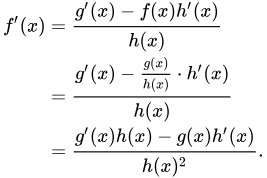
Formula for Quotient Rule
200
Antiderivative of sin x
-cos x
200
f(x) = 2+ sin x [-3/2, pi]
HINT: It's a long Riemann boy

300
Let h be a continuous function on the closed interval [0, 4] where h (0)= 2 and h(4)= -2 Which of the following is guaranteed by the Intermediate Value Theorem?
A) h(c)= -1 for at least one c between 0 and 4
B) h(c)= 3 for at least one c between 0 and 4
C) h(c)= 3 for at least one c between -2 and 2
D) h(c)= -1 for at least one c between -2 and 2
A :)
300
y = sin3 x
3 sin2 x cos x
300
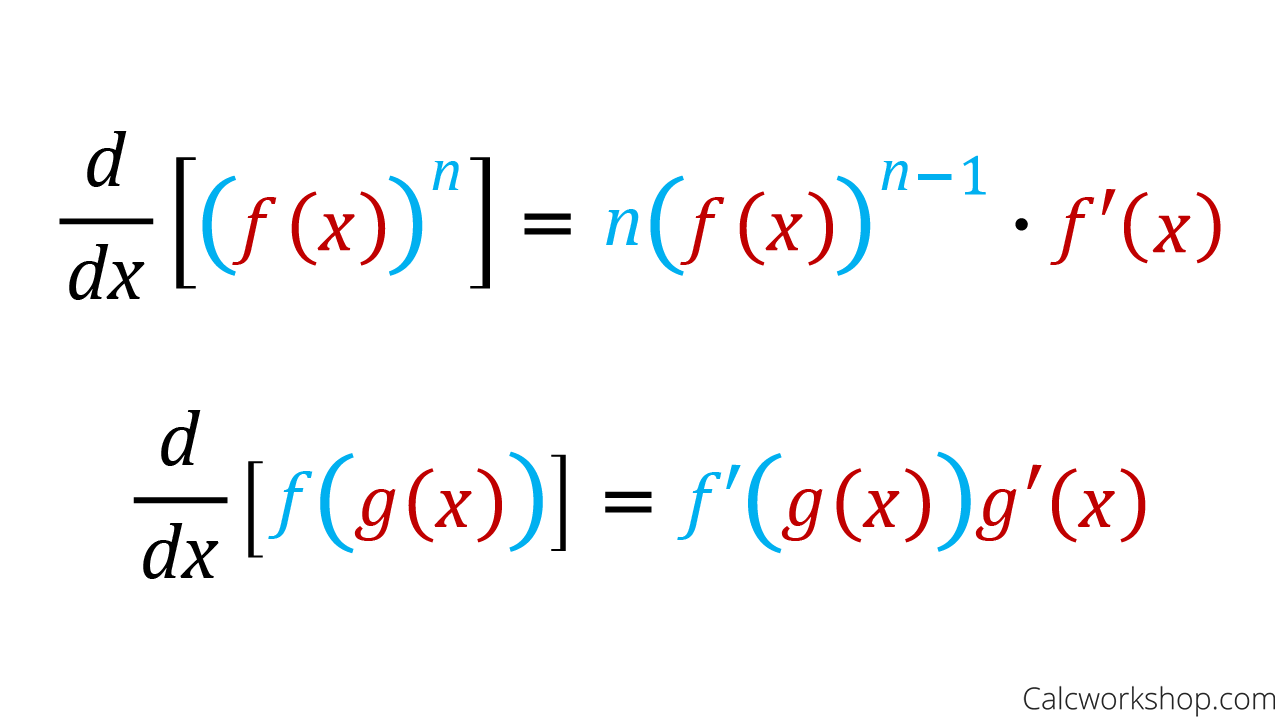
Formula for chain rule
300
Indefinite Integral of
(3x2 + 2 - 5 rad x) dx
x6/2 + 2x - 10x3/2/3 + C
300
Derivative of x
1
400
The limit as x approaches infinity of
5x4+ x2/ 2x4- x3- 4
5/2
400
y = [(x+ 2)(x2+ 1)]4
4(x+ 2)3 (x2 + 1)3 (3x2 + 4x +1)
400
Area for Trapezoidal Approximation
you guys can read it
400
Indefinite Integral for
(3t2 + sec2 2t) dt
t3 + 1/2 tan 2t + C
400
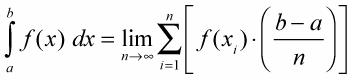
Limit definition for Riemann Sum
500
Consider the position function
s(t)=-16t2 + 100t representing the position of an object moving along a line. Sketch a graph of s with the secant line passing through (0.5, s(0.5)) and (2, s(2)). Determine the slope of the secant line and explain its relationship to the moving object.
msec= 60; the slope is the average velocity of the object over the interval (0.5, 2).
500
What is the limit definition of a derivative
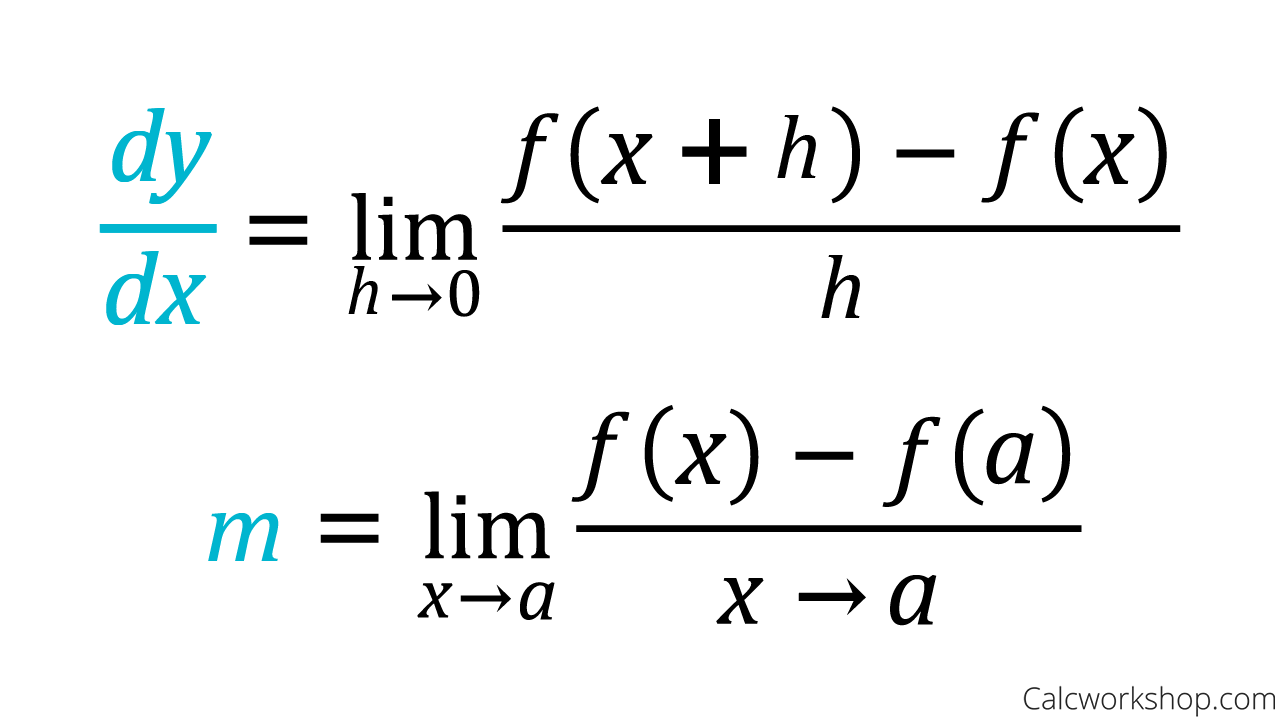
500
Formula for surface area and volume of a cone

500
Indefinite Integral of
e-10t dt
-1/10 e-10t + C
500
When is Mrs. Ramsey's birthday?
March 19