LOTO/Electrical Safety
GHS/SDS, & Chemical Safety
Hot Works Safety
Bonus Category
100
What is the purpose of locking out equipment or machinery during repairs or maintenance?
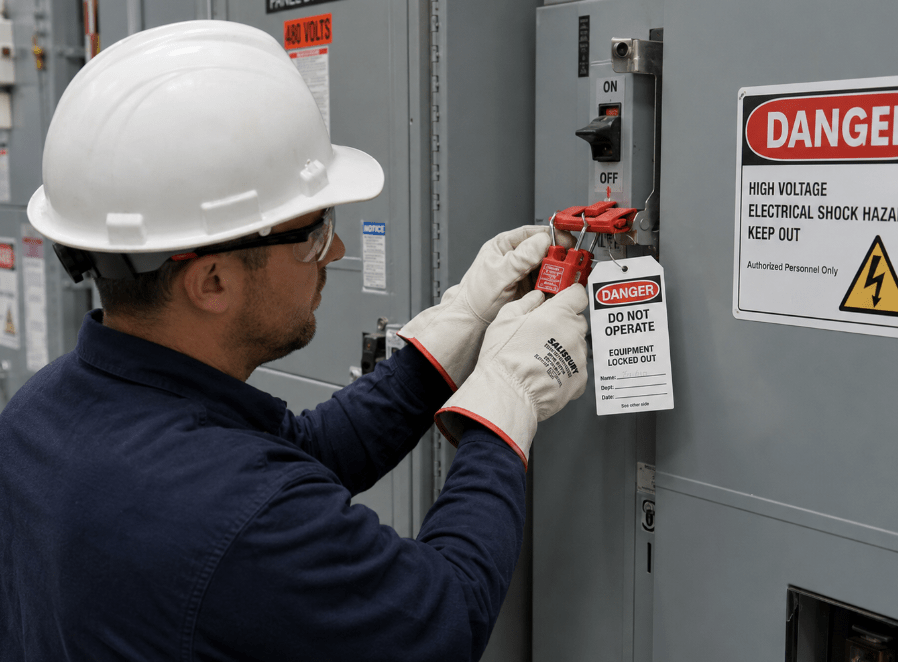
What is: To prevent equipment from unexpectedly starting/energizing/turning on.
100
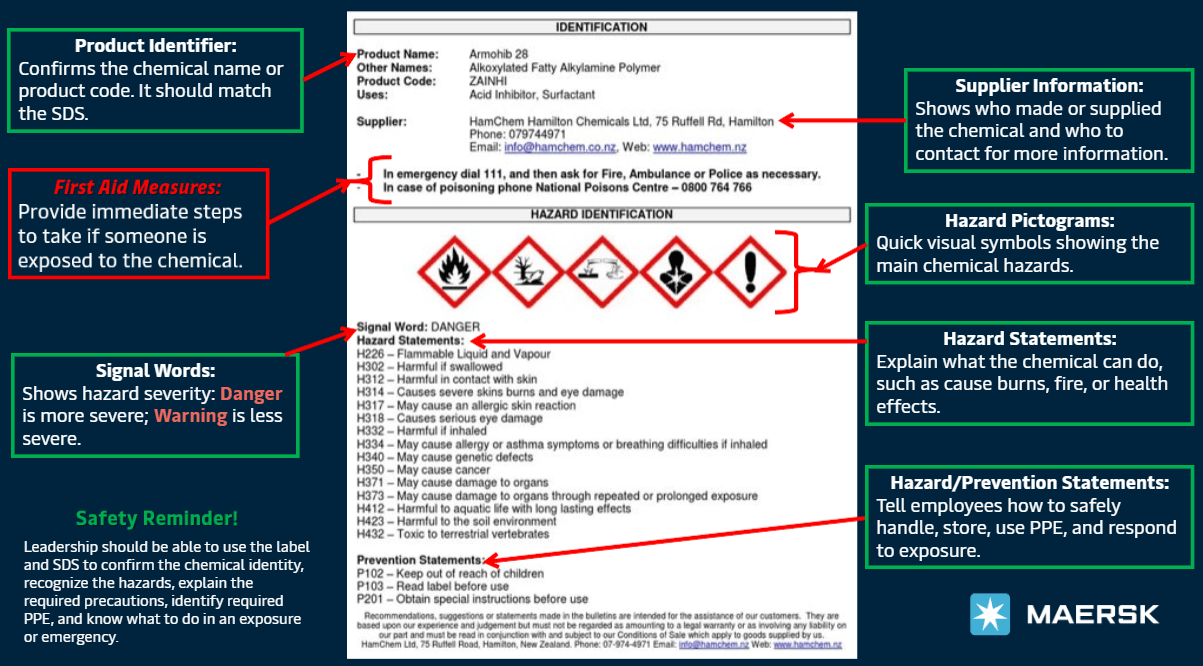
What is the binder in our facilities that provides the detailed safety information about a chemical in our facility?
What is: a Safety Data Sheet (SDS)? Formally known as Material Safety Data Sheets (MSDS).
100
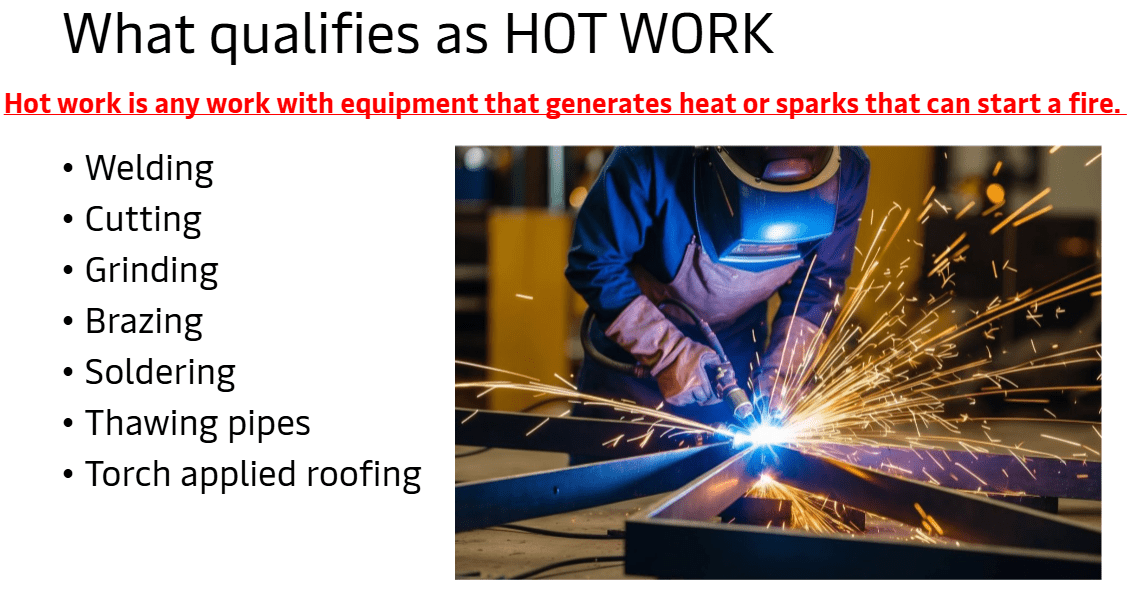
What is Hot Work?
What is: Any work with equipment that generates heat or sparks that can start or produce a fire.
100
Bonus - Lockout/Tag out (LOTO):
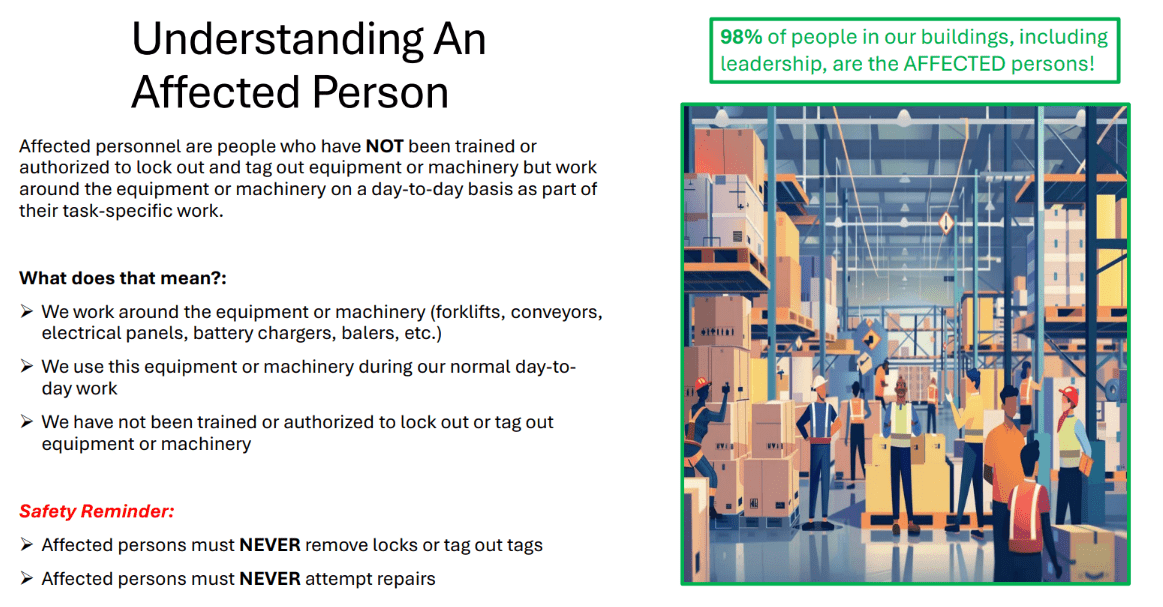
True or False: An affected person is allowed to remove a lock and/or tag if the authorized person is not available.
What is False: Only the authorized person who applied the lock and tag can remove it.
200
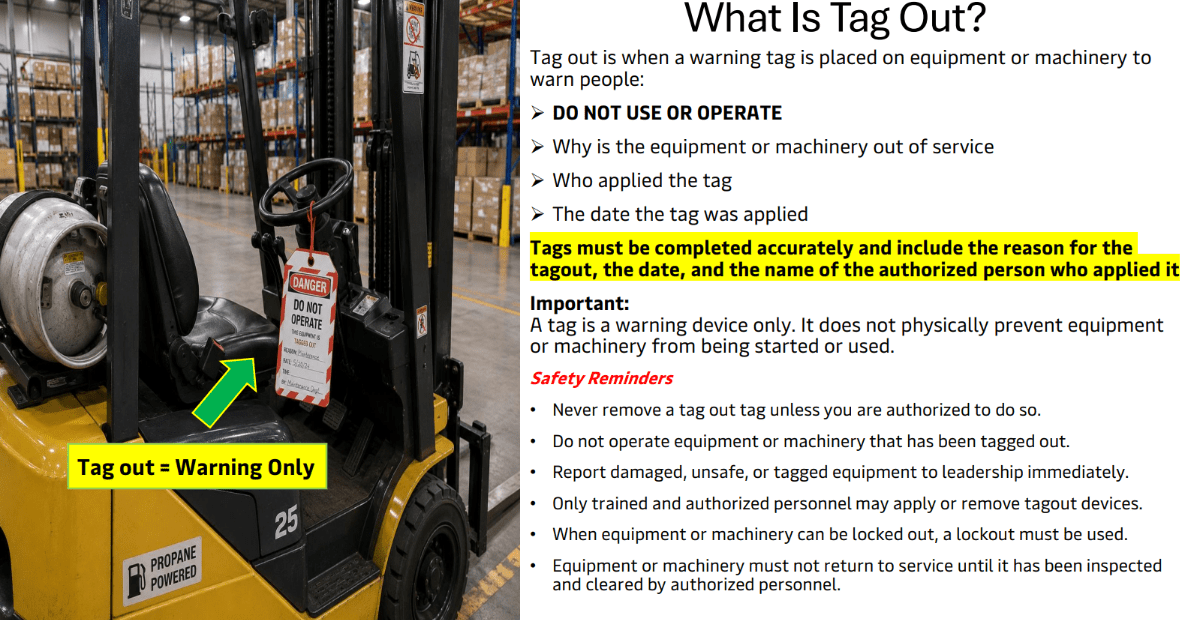
True or False: A Tag out tag physically prevents employees from operating equipment.
What is False: A tag out tag only warns employees and does not physically stop equipment or machinery from operating. (This is only HALF of the process)
200
True or False: Employees can use an unlabeled spray bottle if they think they know what the chemical is inside. (ex. The associate wants to clean a table in the breakroom)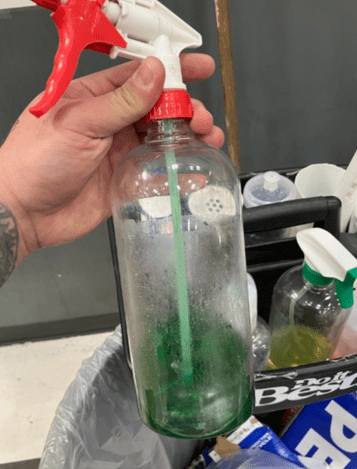
What is False: If it is not labeled, employees shall not use it and report it to a Manager/Supervisor
200
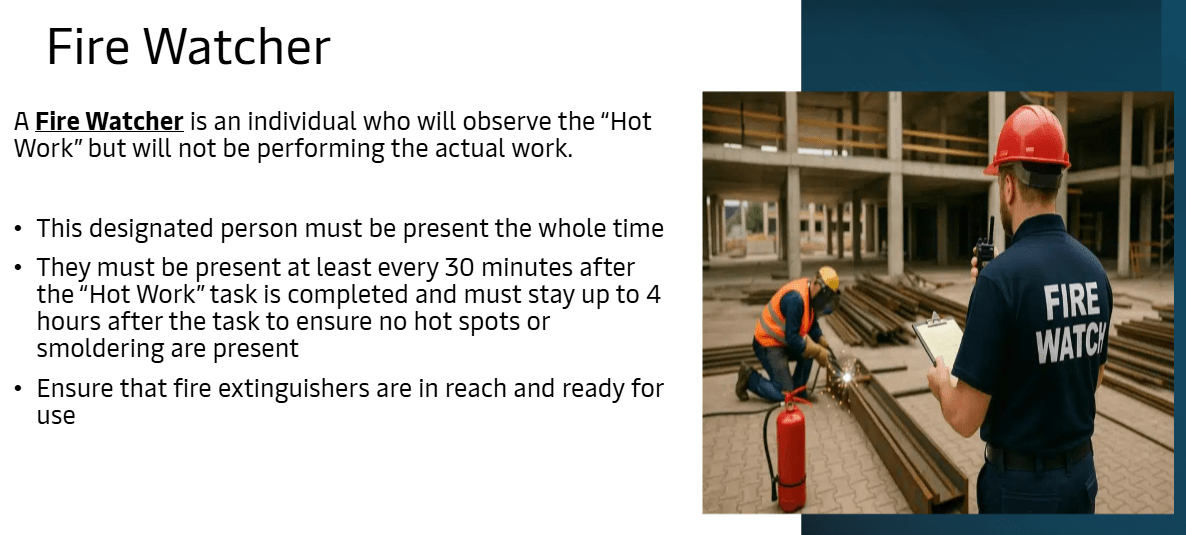
How long, in terms of minutes, is a Fire Watcher required to stay in the area after the hot work has been completed?
What is: 30 minutes to ensure no sparks, hot spots, or smoldering are present.
200
Bonus - GHS/SDS & Chemical Safety:
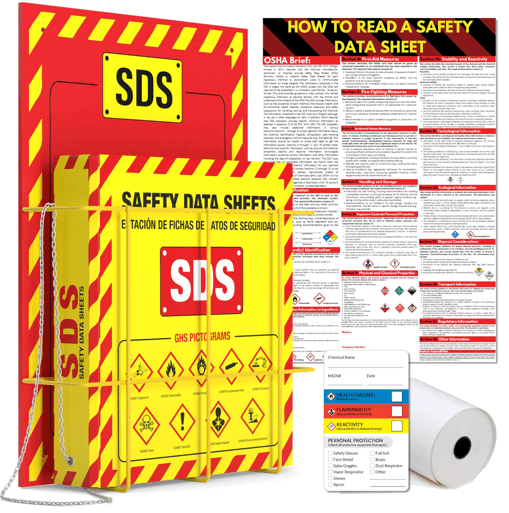
A leader must verify this document is available on-site before directing an employee to use a new bottle of window cleaner.
What is: The SDS.
300
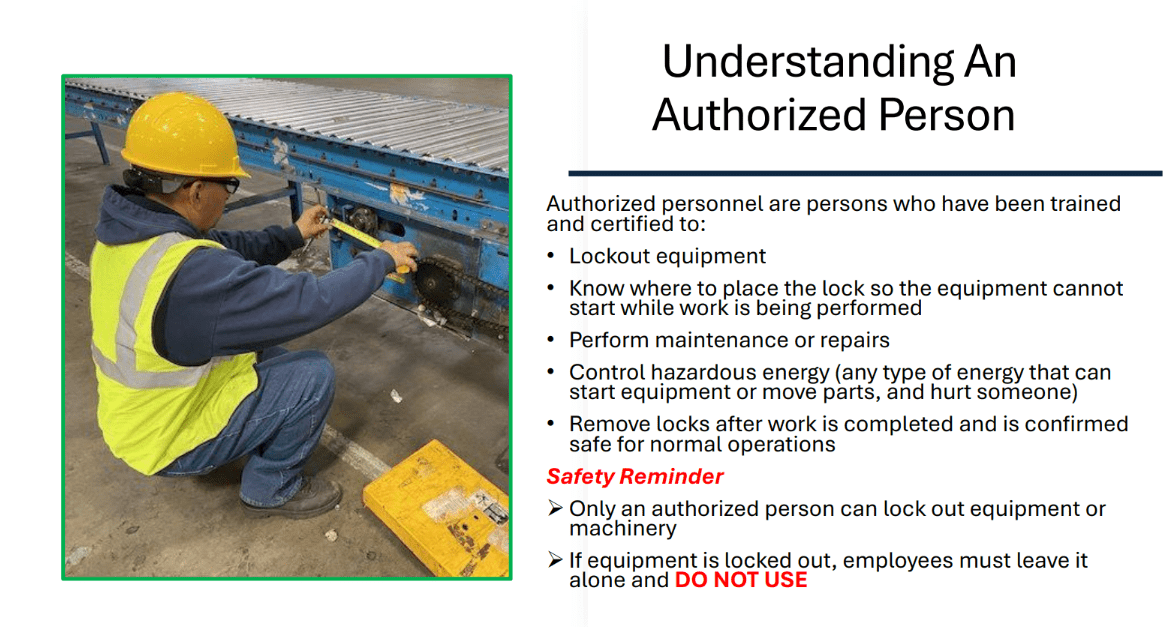
Who is allowed to apply/remove a lock from a piece of equipment or machinery?
What is: Only an authorized person who is trained.
300
What are these red diamond symbols on chemical labels that warn employees about the types of danger, called?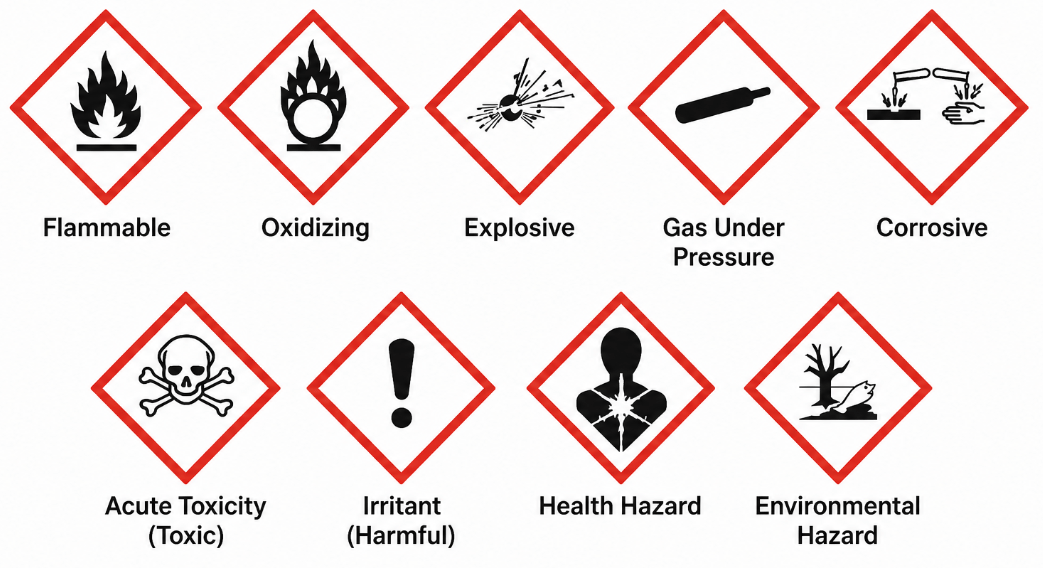
What is: Hazard pictograms? (Which are used as a universal language to identify hazards easily)
300
True or False: Would the manual wiring of an electrical panel be considered Hot Work?
What is False: This is not considered hot work unless the equipment/tools being used have the potential to create an open flame or spark, and only after confirming the electrical current has been locked out, tagged out, and power has been restricted before wiring begins.
300
Bonus - Hot Works:
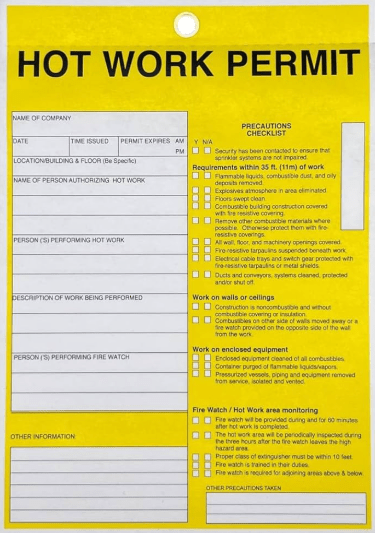
What details shall be captured on the hot work permit?
What is: Date of the Hot Work task, Start Time, End Time, Location of the hot work task, Name of the person performing the hot work task, Name of the Fire Watcher
400
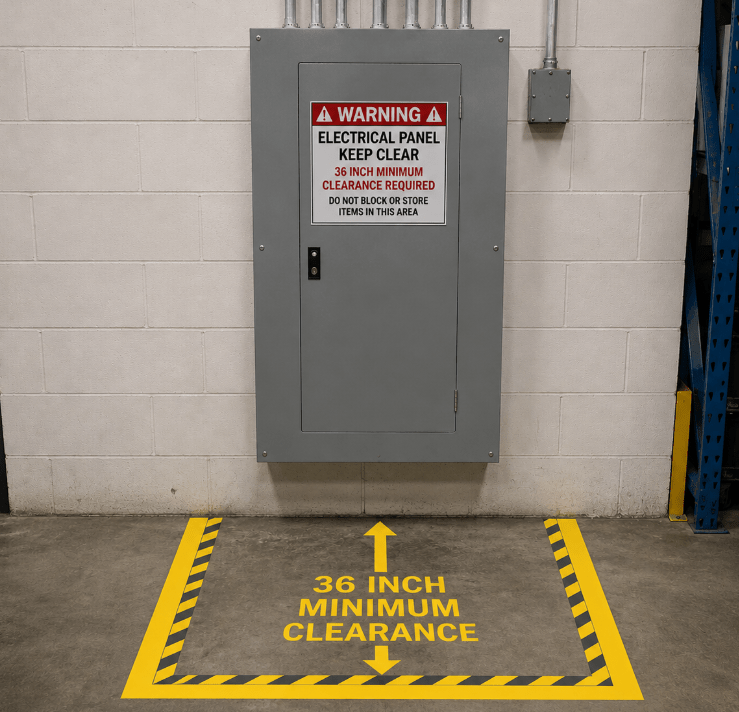
How much clearance (in terms of inches) is required around electrical panels and electrical cabinets?
What is: 36 inches of clearance
400
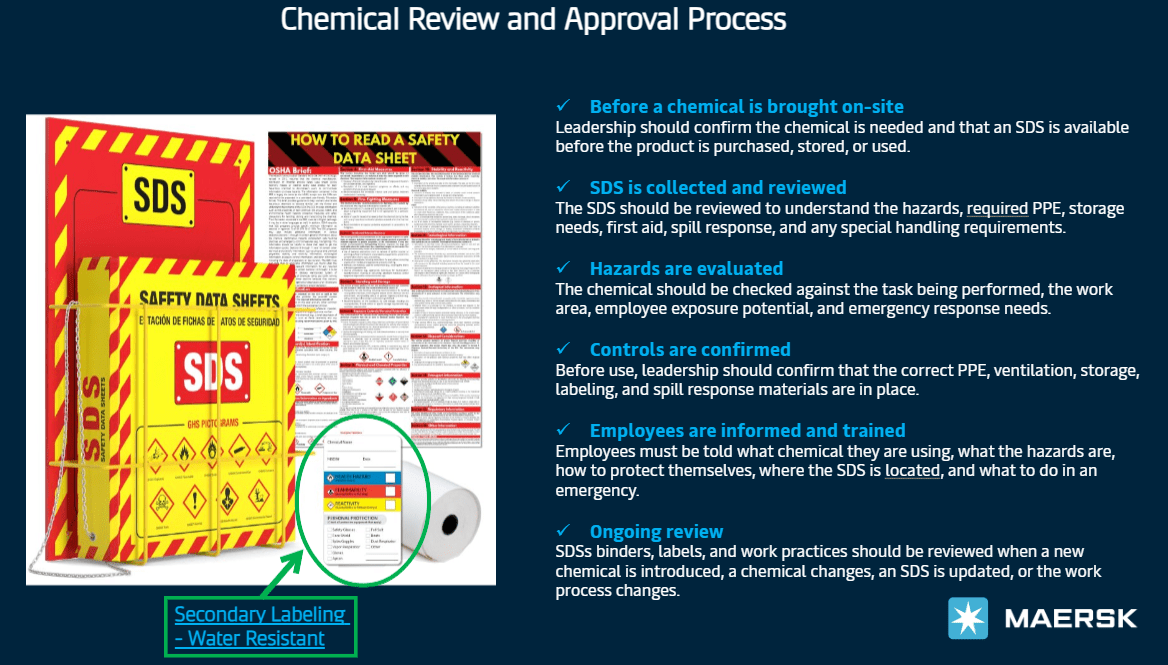
Before a new chemical is introduced to the facility, leadership shall ensure this document is available and reviewed
What is: The SDS (Safety Data Sheets).
400
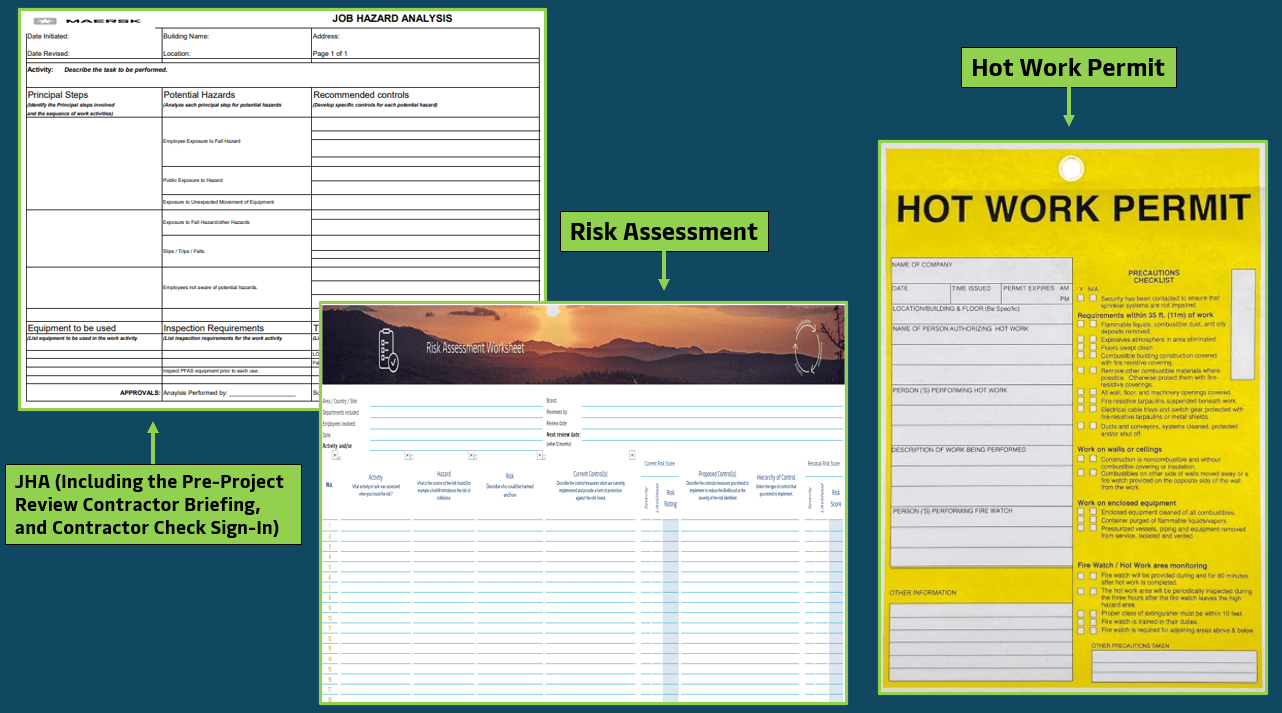
What items are required to be completed, and in the area, prior to starting any Hot Work Task?
What is: JHA (Job Hazard Analysis), Risk Assessment, PPE requirements, Fire Prevention Materials (such as properly rated fire extinguishers and/or fire blanket), Fire Watcher, and Hot Work Permit
400
Bonus - GHS/SDS, Chemical Safety:
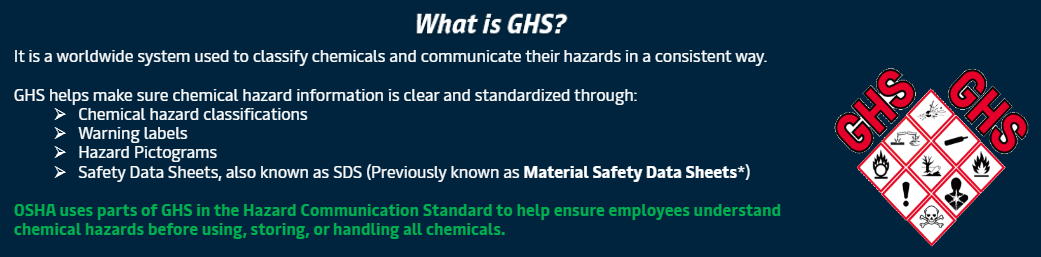
What do the letters GHS stand for?
What is: A Global Harmonized System (This is a globally recognized safety standard across the world)
500
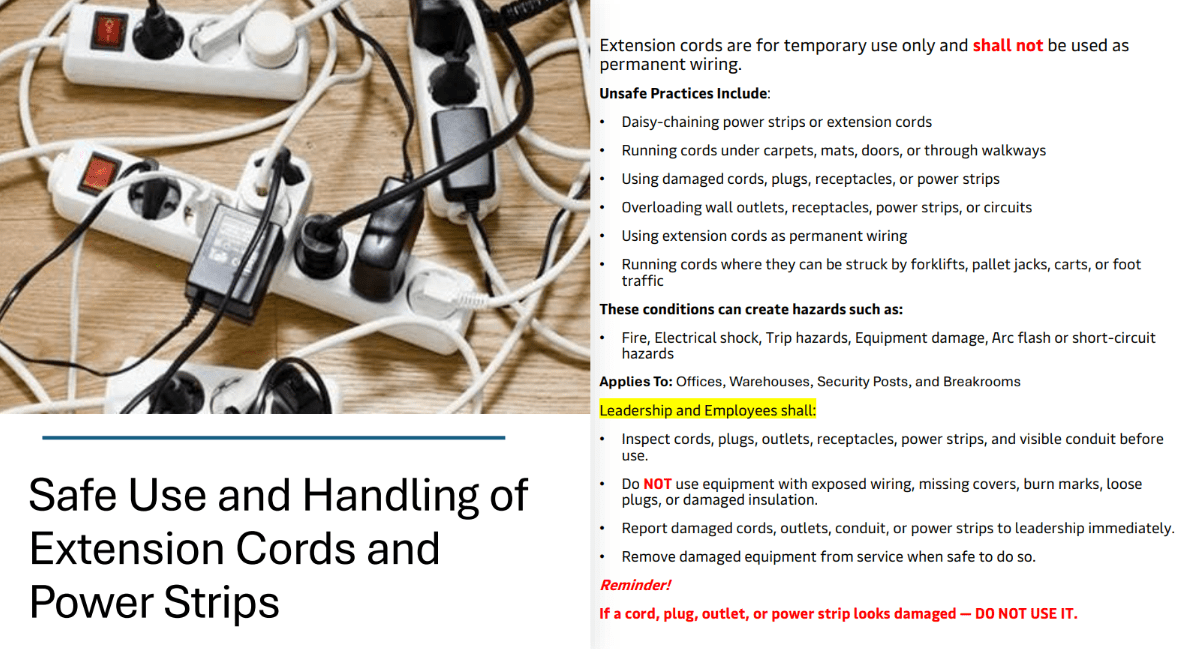
What is the unsafe practice called when multiple power strips and extension cords are plugged into one another?
What is: Daisy Chaining
500
How often shall leadership review the SDS binder?
What is: Leadership must review the SDS binder at a minimum of once a month, and whenever a new chemical is introduced, removed, changed, or needed for training.
500
After the hot work is completed, how long do we keep the hot work permit?
What is: A minimum of 1 year (Shall be filed in a document folder or binder on-site)