Trauma Mapping
Archetypes
Shame Cycle
Variety
Fun Fun Fun
100
What is the purpose of trauma mapping?
To identify how past experiences continue to influence current emotions, beliefs, behaviors, and relationships.
100
What is an archetype?
An archetype is a universally recognizable
symbol, pattern, or character type that recurs
across literature, myths, art, and psychology. It
represents a fundamental, primal idea that is
part of the collective unconscious of all people.
Archetypes can manifest in characters, plots,
themes, or symbols that convey deep, shared
meanings, often transcending cultures and
time periods.
100
What is shame?
Shame—the belief that there is something wrong with who you are, not just what you did.
100
What is the difference between a trigger and a stressor?
A stressor causes stress in the present, while a trigger activates an emotional response connected to a past experience.
100
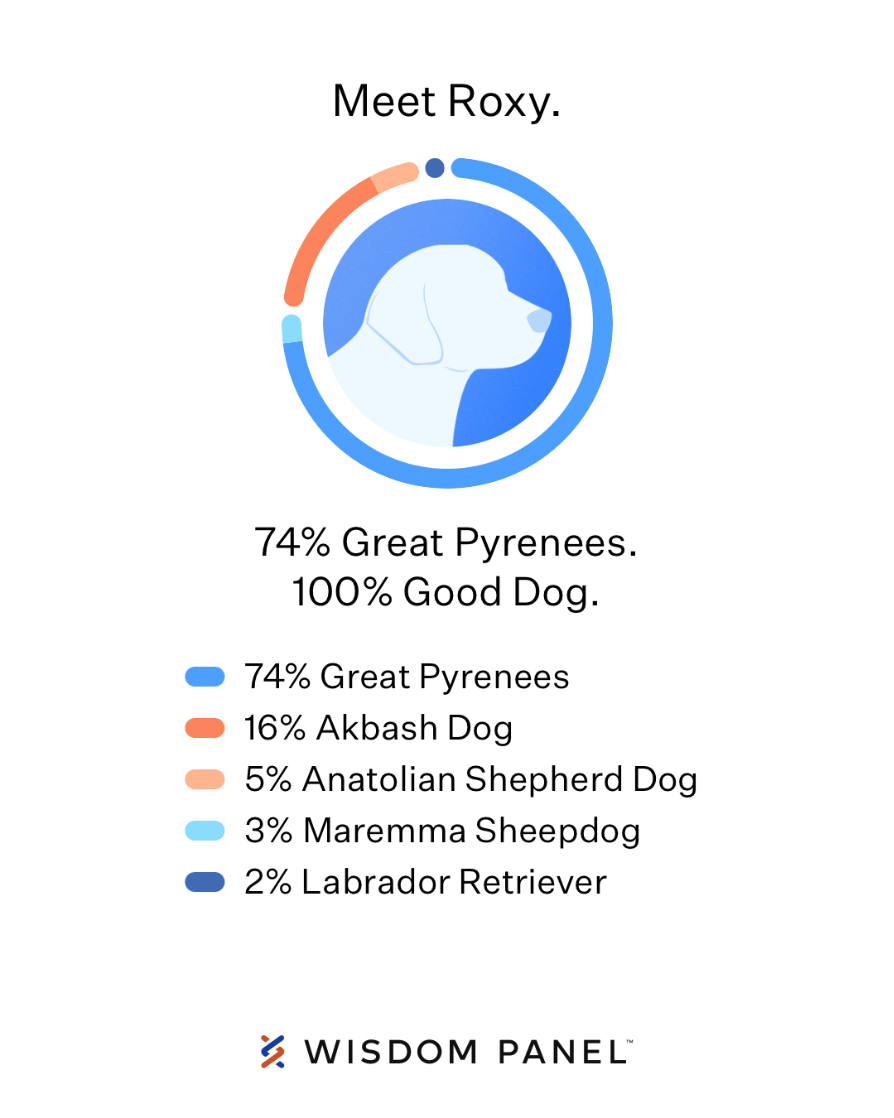
How old is Roxy?
5 1/2
200
Trauma mapping is about proving that everything wrong in your life is caused by trauma.
False. Trauma mapping is about understanding connections, not assigning blame. It helps explain patterns so they can be changed.
200
Give three examples of an archetype.
- The Hero
- The Shadow
- The Trickster
- The Innocent
- The Lover
- The Rebel
- The Princess
- The Lover
- The Hero
- The Caregiver
- The Explorer
- The Damsel in Distress
200
What is one of the most effective ways to begin breaking the shame cycle?
Naming the shame, practicing self-compassion, and sharing authentically with safe people.
200
What part of the brain is responsible for the fight, flight, freeze, and fawn response?
The amygdala.
200
How many siblings do I have?
Two!
300
What are core beliefs?
A core belief is a deeply embedded, foundational assumption about yourself, other people, and the world.
300
How does an archetype relate to mental health?
Archetypes are helpful for mental health because they offer a structured way to understand and address the complexities of our inner worlds. By recognizing and working with archetypes, individuals can gain greater self-awareness, develop healthier coping mechanisms, and achieve personal growth.
300
What are three common behaviors people use to cope with shame?
Hiding, people-pleasing, perfectionism, avoidance, anger, substance use, or self-criticism.
300
What is one example of a cognitive distortion?
Catastrophizing, black-and-white thinking, mind reading, fortune telling, or overgeneralization.
300
What university did I go to for my freshman year of college?
University of Washington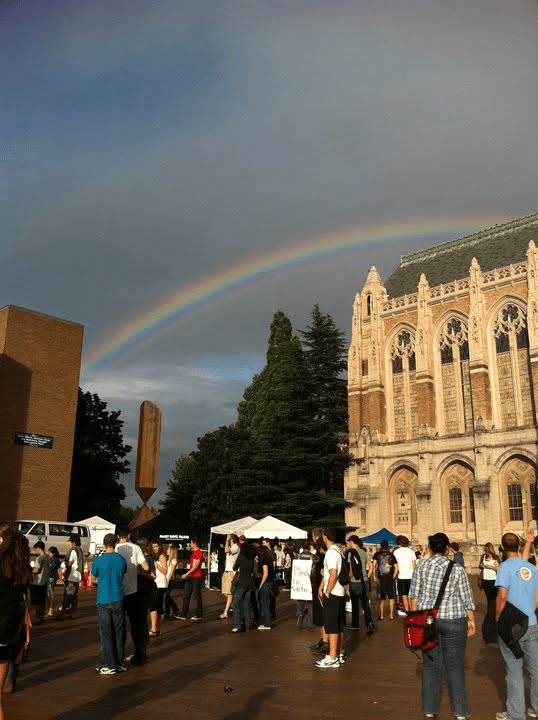
400
What are examples of trauma triggers that might be included on a trauma map?
Specific people, situations, emotions, smells, sounds, places, or experiences that activate a trauma response.
400
What does the shadow archetype represent?
The Shadow archetype represents the parts of ourselves that we repress or deny—our darker impulses, fears, and insecurities. By acknowledging and integrating these shadow aspects, individuals can reduce internal conflict and negative
emotions like shame and guilt.
400
What is the difference between shame and guilt?
Shame:
- Focused on the self
- Attacks core Identity
- Leads to feeling Intrinsically flawed
Guilt:
- Focused on the behavior
- Focused on the wrongdoing of the action
- Adaptive - helps us engage In pro-social skills like apologizing and redirecting behavior next time
400
What are the three main categories of parts in IFS?
Managers, firefighters, and exiles.
400
Besides Madi and Sam, which employees have been at Emerge the longest?
Olivia, Delanee and Dre.
500
How can trauma mapping help someone better understand their emotional reactions?
It can reveal how current reactions may be connected to unresolved experiences from the past rather than only the present situation.
500
Give an example in a movie/book of "The Shadow"
Voldemort in Harry Potter, Darth Vader in Star Wars, Sauron in The Lord of the Rings. Kayla.
500
Name the parts of the shame cycle.
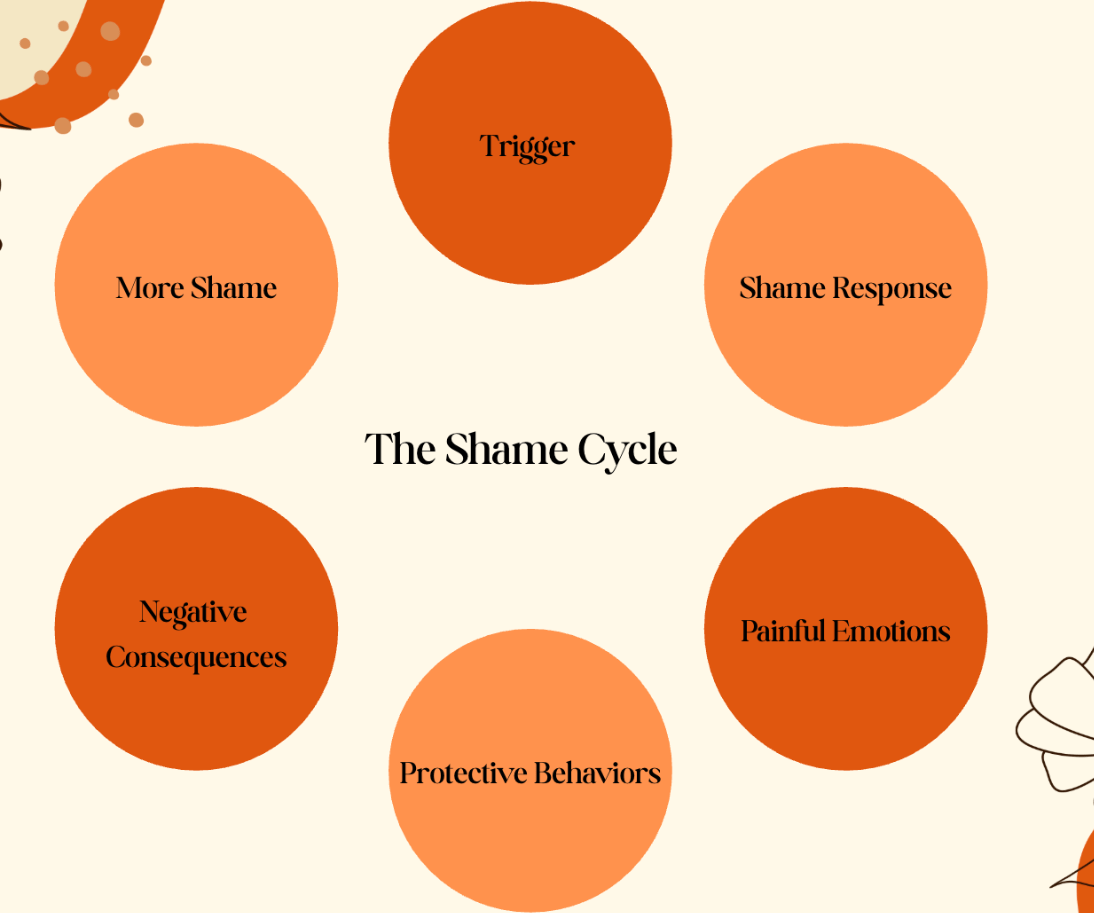
500
What are the four main skill modules in DBT?
Mindfulness, Distress Tolerance, Emotion Regulation, and Interpersonal Effectiveness.
500
What were three of the breeds on Roxy's DNA results?
Bonus points to name all five!