Basic Biology
Biochemistry
Bioenergy
Cell Transport
100
A type of cell with an organized nucleus.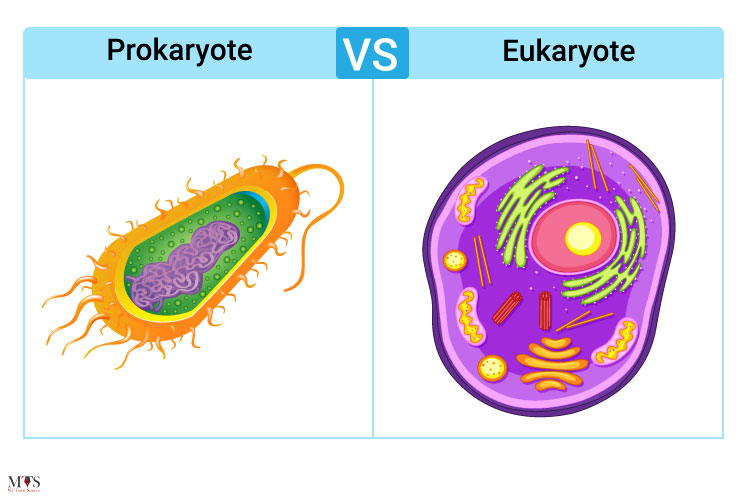
Eukaryote
100
The name of a monomer that joins together to make polysaccharides like sucrose.
Monosaccharide (or glucose).
100
Process in which light is used to combine CO2 and H2O to make glucose.
Photosynthesis.
100
Process in which molecules move from an area of high concentration to an area of low concentration.

Passive transport.
200
The layer that surrounds a cell and creates a boundary.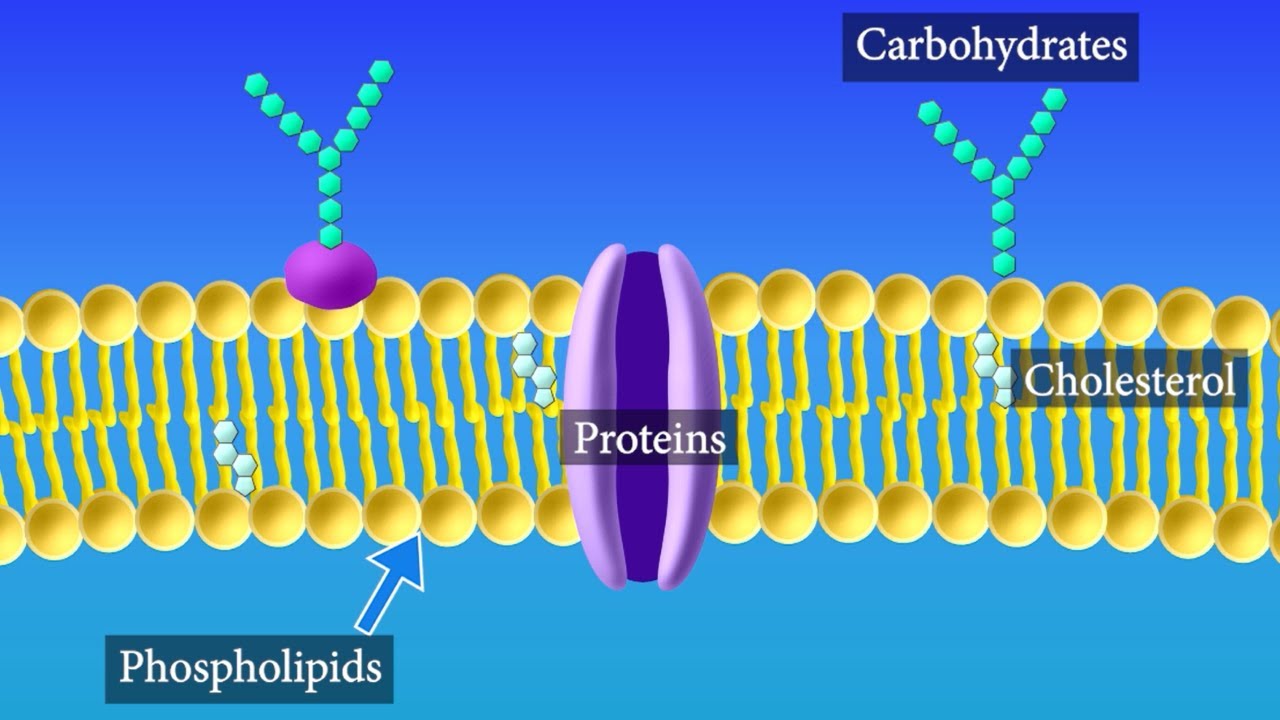
Plasma (cell) membrane
200
Biological protein catalysts that speed up reactions are called:

Enzymes
200
Process in which cells break down glucose to create lots of ATP while releasing CO2 and H2O.
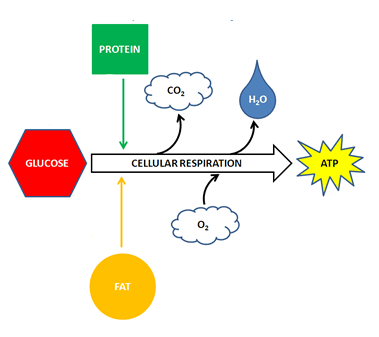
Respiration
200
The cell barrier that includes the "fluid mosaic model" and is highly selective about what passes through:
Plasma (cell) membrane.
300
The plant organelle that conducts photosynthesis.
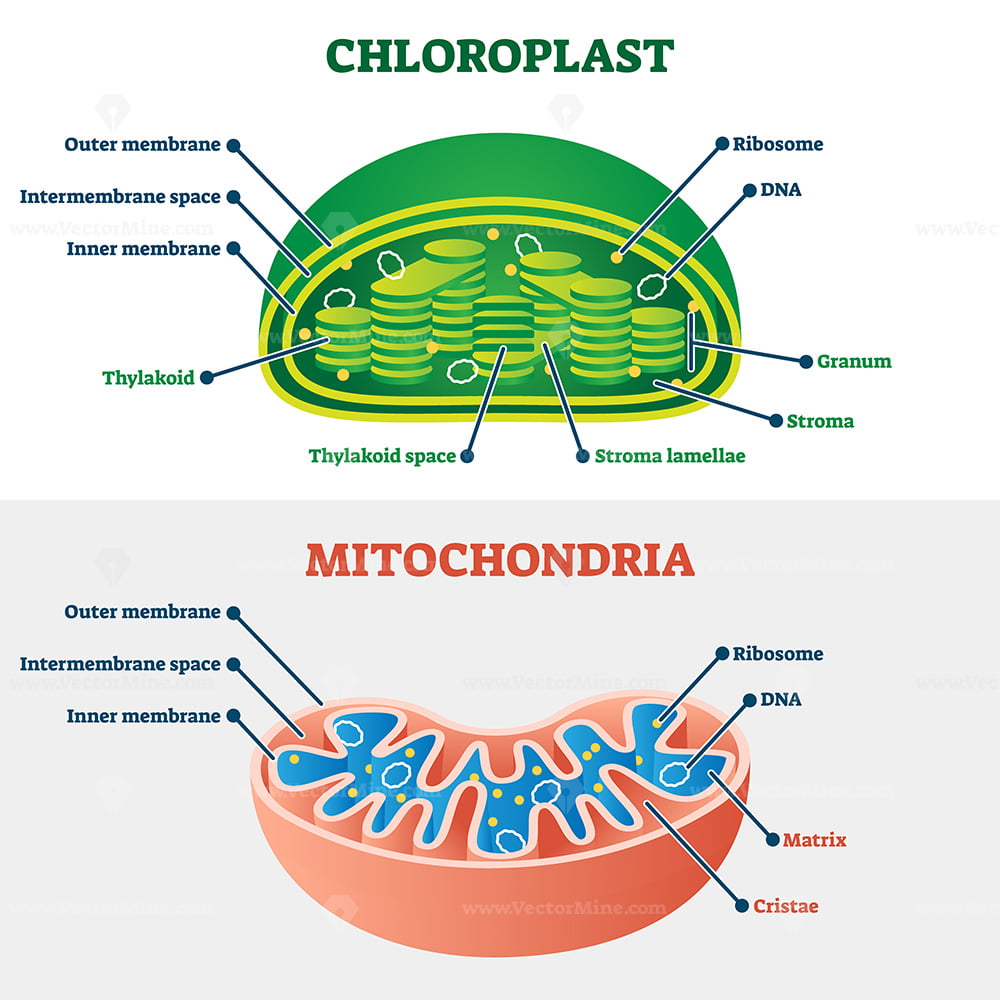
Chloroplasts
300
A bio-chemical that has the formula CnH2nOn and is made in photosynthesis.
Glucose. C6H12O6
300
Process in which glucose is broken down in the presence of oxygen to create CO2, H2O, and 36 ATP.
Respiration
300
A form of cellular transport that moves AGAINST the concentration gradient and requires ATP.
Active transport.
400
Organelle in both prokaryotes and eukaryotes that is the site of protein synthesis.
Ribosome
400
Biomolecule made of long chain of amino acids joined together by peptide bonds.
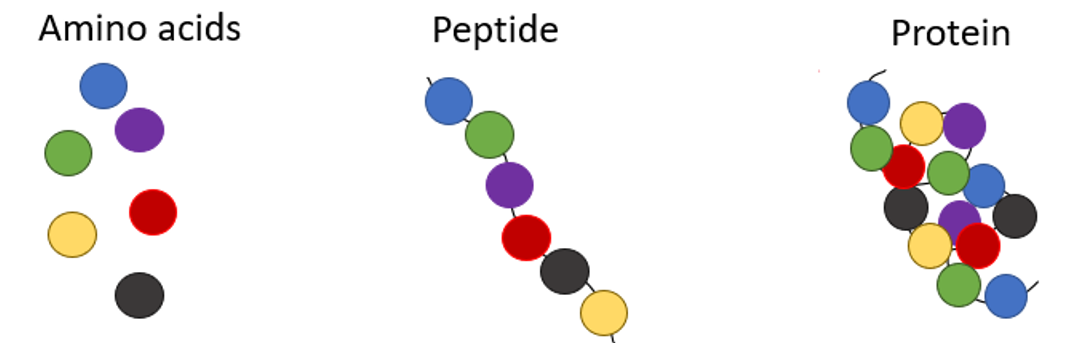
Protein.
400
For eukaryotes, photosynthesis take place in which organelle.
Chloroplast.
400
A type of biomolecule found on the plasma membrane that helps move items across a membrane in facilitated diffusion: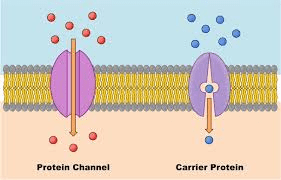
Protein.
500
Nucelic acid found in the nucleus of a eukaryotic cell.
DNA.
500
Daily Double:
The 4 types of organic macromolecules are called
proteins, carbohydrates, nucleic acids, lipids
500
A form of passive transport that is assisted by proteins in the plasma membrane.
Facilitated diffusion
500
The diffusion of water across a membrane is known as:
Osmosis.