DNA/Cell Division
Protein Synthesis
Genetics
Evolution
Ecology
100
Cellular reproduction with 5 phases that results in identical diploid daughter cells.
Mitosis
100
A type of organic macromolecule that can be an enzyme or part of the plasma membrane.
Protein.
100
Traits partially BLENDED during a cross:
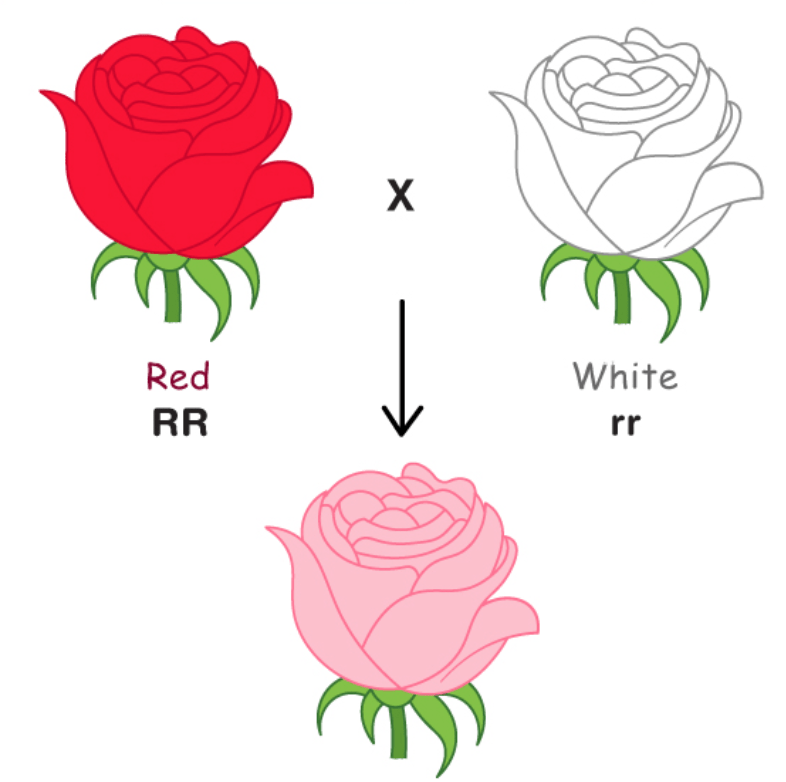
Incomplete dominance
100
Remnant, impression, or trace of an animal or plant of a past geologic age that has been preserved in Earth’s crust.
Fossil
100
Organisms make their own food using sunlight or chemical energy.
Producer
200
A section of a chromosome that controls a particular trait.
Gene
200
One of two steps during protein synthesis in which mRNA codons are used to assemble long chains of amino acids on the ribosomes.
Translation
200
The genetic sequence of an organism.
Genotype
200
Anatomical structures that show similar evolutionary history:

Homologous
200
Organisms that must get their energy from other organisms.
Consumers
300
Double helix strand of nucleic acid found in the nucleus of the cell.
DNA
300
Name of nucleic acid that transfers amino acids to the ribosome for translation into proteins.
tRNA
300
The characteristic that results in partial expression ALONGSIDE another trait:
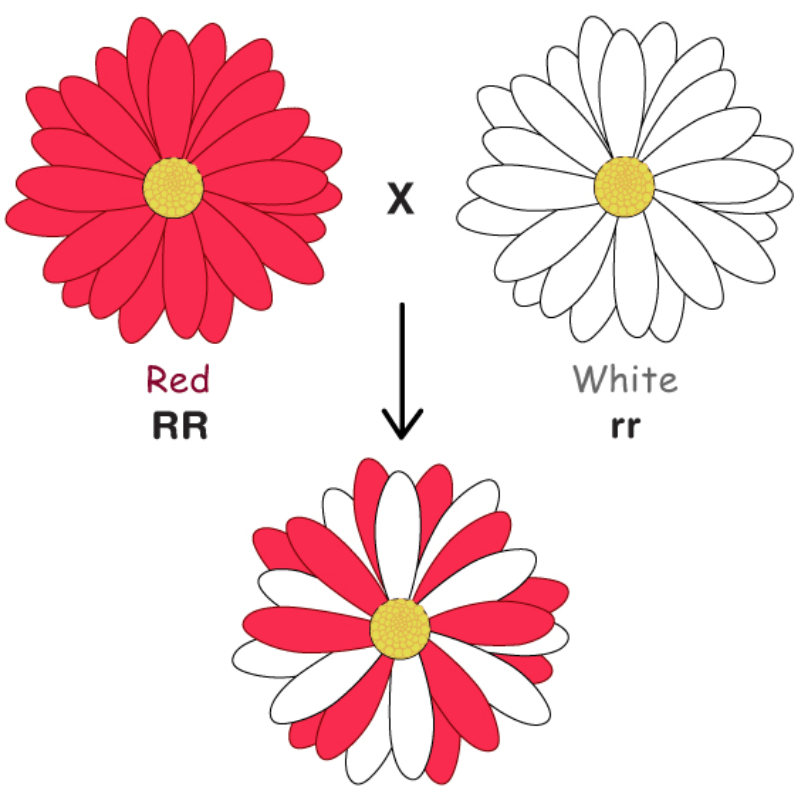
Co-dominance.
300
Comparative study of organisms from early stages to adult.
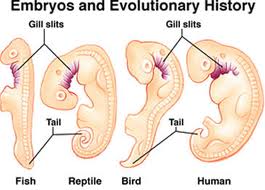
Embryology
300
Factors that refer to all living organisms within an ecosystem, including plants, animals, and microorganisms.
Biotic
400
Single-stranded nucleic acid that has A, U, G and C as its nitrogen bases.
RNA
400
* DAILY DOUBLE*
One of two steps in protein synthesis in which DNA's genetic sequence is copied to make a strand of mRNA.
Transcription
400
The physical appearance of an organism.
Phenotype
400
Evolutionary principle that emphasizes the advantage of a trait and its increased expression over time.
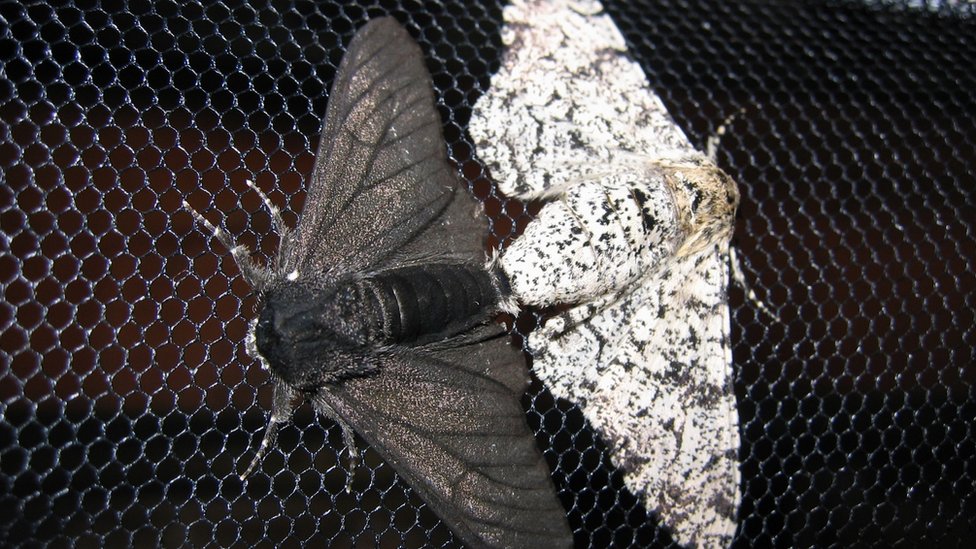
Natural selection
400
*DAILY DOUBLE *
Factors encompass all nonliving elements that influence ecosystems, such as landforms, water, air, sunlight, and climate
Abiotic
500
Cellular reproduction that results in 4 haploid daughter cells, each with half of the genetic information of the parent cell.
Meiosis
500
A type of mutation that occurs when a single nitrogen base is missing or replaced and can result in an altered protein.
Gene mutation.
500
The three types of gene mutations that involves the addition, deletion, or swapping of a single nucleic acid.
Missense, nonsense, silent.
500
Process in which a preferred gene is inserted into a plasmid DNA ring in order to make a desired protein.
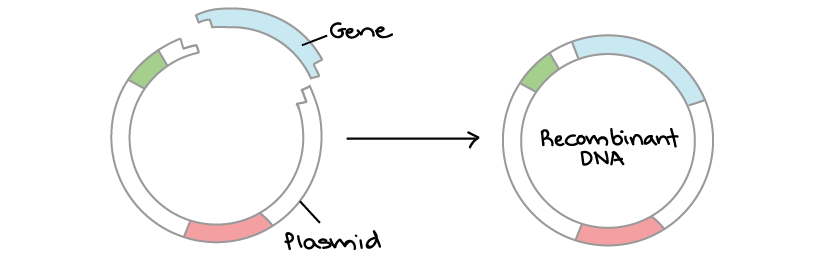
Genetic engineering (or recombinant DNA).
500
A factor is anything that constrains a population's size and slows or stops it from growing such as food, mates, and competition with other organisms for resources
Limiting