Joints
Directional Terminology
Skeleton
Scientific Method
Miscellaneous
100
Two or more bones intersect/meet at this point.
What are joints?
100
These terms are used to specify locations on the human body.
What are directional terms?
100
This is responsible for providing structure and form to the human body.
What is the skeleton?
100
A logical and objective way to figure out solutions to problems.
What is the scientific method?
100
Items and piece of content gathered together from various sources.
What is miscellaneous?
200
This joint moves across ONLY one axis and is responsible for flexion and extension.
What is the hinge joint?
200
The head sits on top of the neck.
What is superior to the neck?
200
Cartilaginous joints can be found in these 2 areas of skeleton.
What is in the ribs/ribcage and in the pelvic bone?
200
This is often the first step in the scientific method.
What is observation?
200
The movement of the back of one's foot towards one's head.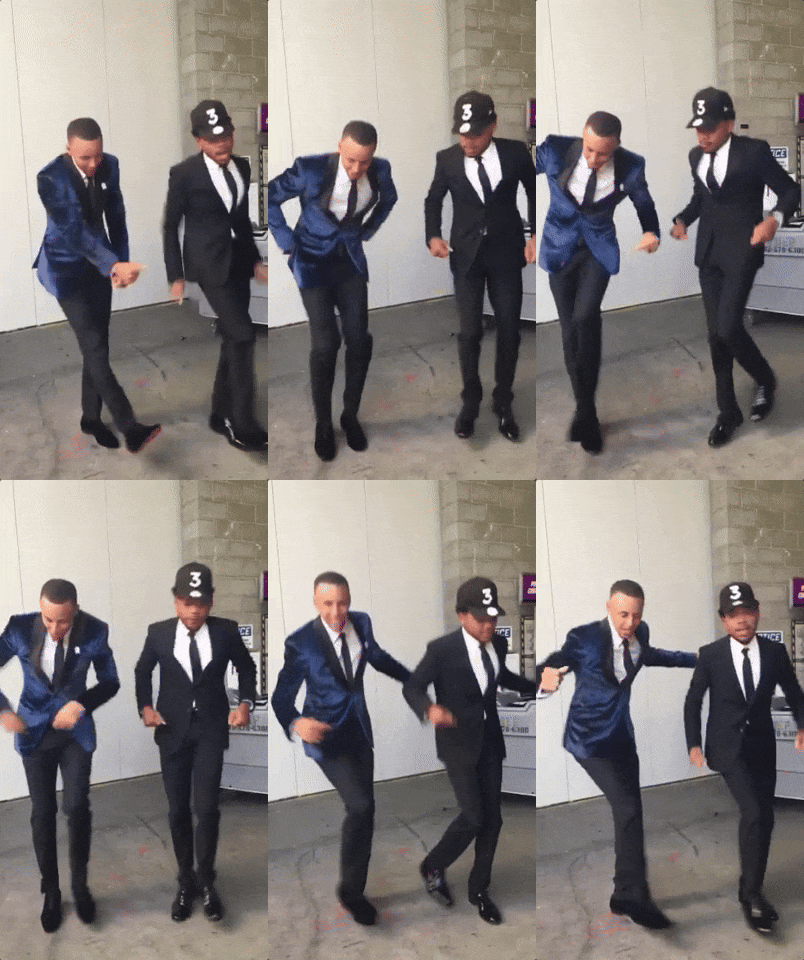
What is dorsiflexion?
*can you name and identify the other movements?*
300
This tissue connects bones to bones
What are ligaments?
300
The international anatomical position includes hands at the side and facing a direction.
**You MUST use the proper anatomical term.
What is towards the anterior?
300
Fibrous joints can be found in two locations.
What is in the different bones in the skull and in the base of teeth?
300
All descriptive data is classified as this.
What is qualitative data?
300
Both a gliding joint and hinge joint can be found in this single location of the body.
What is the ankle?
400
The 3 classes of joints that describe moveable, immoveable, and slightly moveable joints.
What are synovial, fibrous, and cartilaginous joints?
400
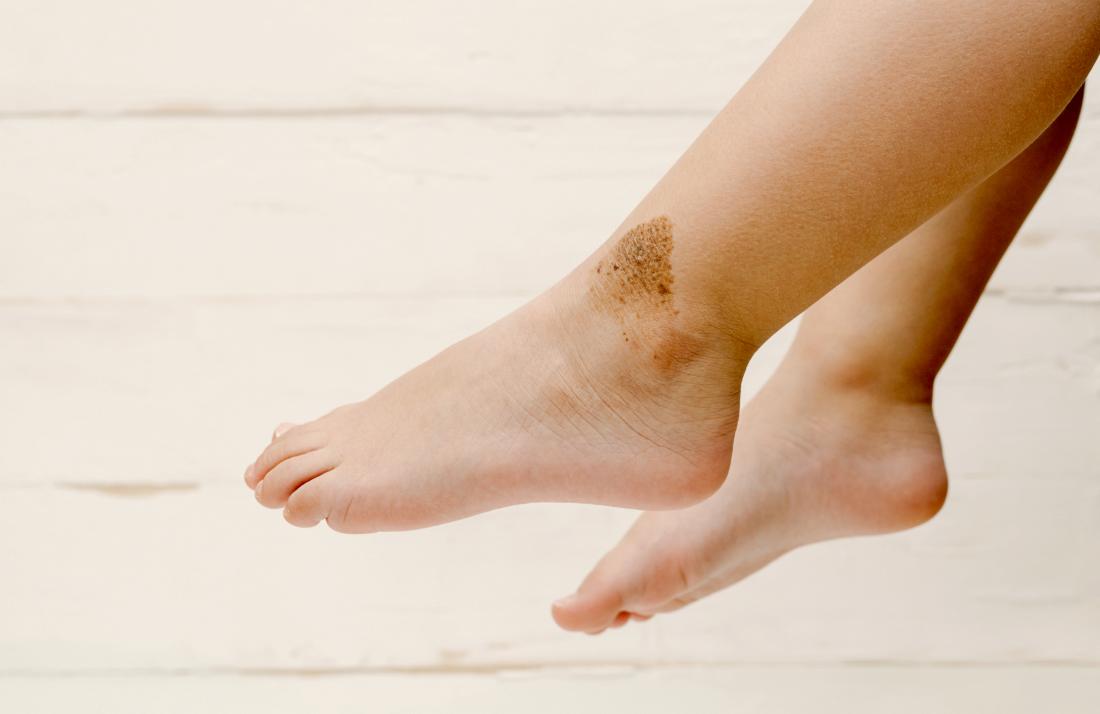
Describe the location of the birthmark using at least 3 directional terms.
What is left, lateral, anterior, superficial and proximal to the ankle, distal and inferior the left knee?
400
The average adult has a total of 206 of them throughout the body.
What are bones?
400
The measurable part of any experiment.
What is the dependent variable?
400
A movement resulting in limbs moving laterally away from the midline.
What is abduction?
500
This synovial joint allows rotation around a single axis.
What is the pivot joint?
500
This is used to identify points on the body much the same as a compass and legends are used on a map.
What is a point of reference?
500
This one organ is very slightly left, lateral, and deep in the ribcage.
What is the heart?
500
The last thing that should always be done in any scientific research.
What is share the final experimental results with the wider scientific community and peers?
500
This type of synovial joint is found in the base of the thumb.
What is a saddle joint?