verbes réfléchis : passé composé
verbes réfléchis : présent
y and en
Avoir mal à
électron libre (wild card)
100
What’s the order of words when putting a reflexive verb into the passé composé ? What do we need to remember about the spelling of the past participle?
Subject + reflexive pronoun + être helping verb + past participle
Because être is the helping verb, the past participle must agree with the subject in both gender and number. (Add an E for feminine subjects or an S for plural subjects)
100
 Write a phrase in the present tense using a reflexive verb that describes the picture you see. USE THE SUBJECT "NOUS" FOR YOUR PHRASE.
Nous nous entraînons.
100
Fill in the blank with the appropriate pronoun y or en which best answers the question.
"Tu manges dans ta chambre ?"
Je suis très énervé contre toi, donc je préfère ______ manger.
Je suis très énervé contre toi, donc je préfère y manger.
100
Write an answer to this question using the prompt provided for your response. BE PREPARED TO SPEAK OUT YOUR PHRASE.
Comment est-ce que tu te sens aujourd'hui? [good]
Je me sens bien aujourd'hui, merci.
100
Write a phrase that describes the image you see. BE PREPARED TO SPEAK OUT YOUR PHRASE.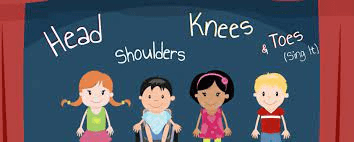
tête, épaules, genoux, pieds
(yeux, oreilles, la bouche et le nez...)
200
Correct the errors with this passé composé reflexive verb: “Elles te sont habillé en noir.”
Elles se sont habillées en noir
200
Write a phrase in the present tense using a reflexive verb that describes the picture you see. USE THE SUBJECT "VOUS " FOR YOUR PHRASE.
Vous vous sentez heureuse. Vous vous sentez heureux.
200
Fill in the blank with the appropriate pronoun y or en which best answers the question.
"Vous passez par la boulangerie en rentrant (on the way home) ?"
"Oui, [je / j'] _____ passe. Je vous rapporte quelque chose ?"
"Oui, j'y passe. Je vous rapporte quelque chose ?"
200
Write an answer to this question using the prompt provided for your response. BE PREPARED TO SPEAK OUT YOUR PHRASE.
Qu'est-ce que tu as ? [flu]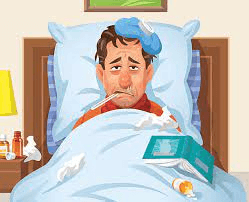
J'ai la grippe :(
200
Write a phrase that describes the image you see. BE PREPARED TO SPEAK OUT YOUR PHRASE.
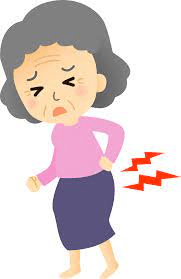
Elle a mal au dos. / Elle s'est fait mal au dos.
300
Correct the errors with this passé composé reflexive verb: “Il est se maquillées.”
Il s’est maquillé.
300
 Write a phrase in the present tense using a reflexive verb that describes the picture you see. USE THE SUBJECT "JE" FOR YOUR PHRASE.
Je me réveille.
300
Fill in the blank with the appropriate pronoun y or en which best answers the question. TRANSLATE YOUR RESPONSE.
"Nous pouvons acheter des biscuits, maman ?"
"Non, nous ne pouvons pas ______ acheter cette-fois, ma chérie."
"Non, nous ne pouvons pas en acheter cette-fois, ma chérie."
No, we can't buy any [of them] this time, my dear.
300
Write an answer to this question using the prompt provided for your response. BE PREPARED TO SPEAK OUT YOUR PHRASE.
Qu'est-ce qu'il y a ? [earache]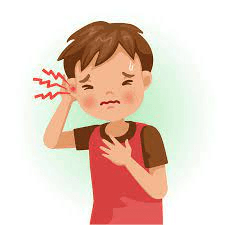
J'ai mal à l'oreile.
300
Write a phrase that describes the image you see. USE THE PASSE COMPOSE AND THE SUBJECT ELLE. BE PREPARED TO SPEAK OUT YOUR PHRASE.
Elle s'est brossée les dents.
400
Translate the following to English: “je ne me suis pas du tout amusé ; je me suis dépêché pour partir.”
I didn’t have fun at all; I hurried to leave.
400
Write a COMPLETE phrase in the present tense using a reflexive verb that describes the picture you see. USE THE SUBJECT "TU" IN YOUR PHRASE. 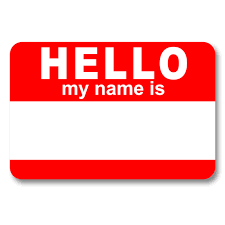
Tu t'appelles comment ?
Tu t'appelles (name; various responses).
400
Fill in the blank with the appropriate pronoun y or en which best answers the question. TRANSLATE YOUR RESPONSE.
"On parle des actualités (news) à l'école souvent ? "
"Oui, on ___ parle de temps en temps."
Oui, on en parle de temps en temps.
Yes, we talk about it*/them* sometimes /from time to time.
400
Write an answer to this question using the prompt provided for your response. BE PREPARED TO SPEAK OUT YOUR PHRASE.
Qu'est-ce que tu as ? [toothache]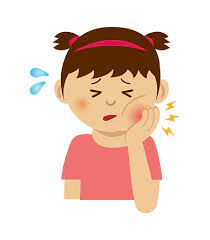
J'ai mal au dent.
J'ai mal aux dents.
400
Write a phrase that describes the image you see. USE THE PASSE COMPOSE AND THE SUBJECT JE. BE PREPARED TO SPEAK OUT YOUR PHRASE.
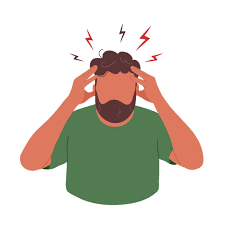
J'ai pris des pillules pour la douleur.
J'ai pris de l'aspirine pour le mal de tête.
500
Translate the following to French: “Did you wash your face or get dressed first this morning?”
Tu t’es lavée la figure ou tu t’es habillé d’abord ce matin ?
500
Write a COMPLETE phrase in the present tense using a reflexive verb that describes the picture you see. USE THE SUBJECT "ELLES" IN YOUR PHRASE.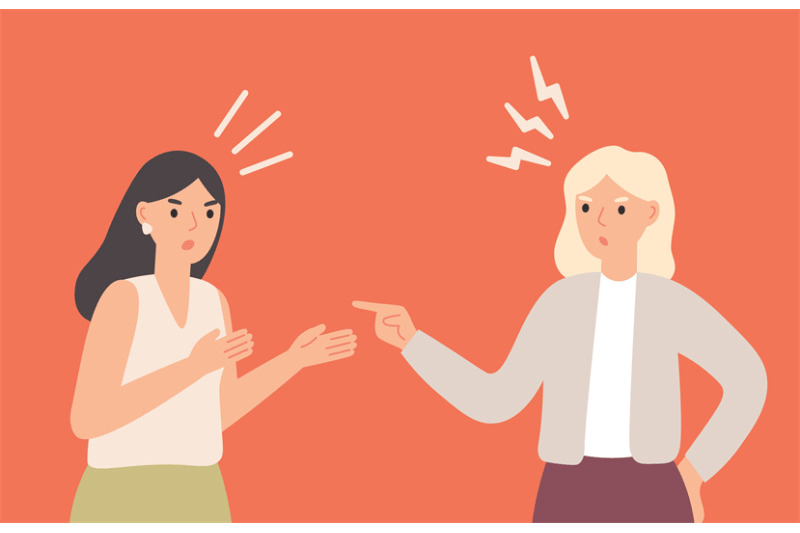
Elles se fâchent.
500
Fill in the blank with the appropriate pronoun y or en which best answers the question. TRANSLATE YOUR RESPONSE AND BE PREPARED TO SAY YOUR ANSWER.
"J'ai entendu qu'ils vont commander une tarte pour Thanksgiving.""Oui, ils vont ______ ______________ une."
Oui, ils vont en commander une.
Yes, they're going to order one.
500
Write an answer to this question using the prompt provided for your response. BE PREPARED TO SPEAK OUT YOUR PHRASE.
Qu'est-ce qu'il y a ? [nauseous / stomachache]
J'ai mal au ventre.
J'ai mal à l'estomac.
J'ai mal au cœur.
500
Write a phrase that describes the image you see. USE THE IMPARFAIT AND THE SUBJECT IL. BE PREPARED TO SPEAK OUT YOUR PHRASE.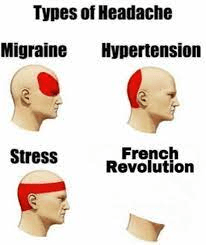
Il avait mal à la tête.