Cranial Nerves
Eye, Eyelid, and Lacrimal Apparatus
Anatomy of the Cranial Cavity
Orbit and Cavernous Sinus
Extraocular Muscles and Eye Movements
100
This is the only cranial nerve that arises from the cervical spinal cord rather than the brainstem.
What is the spinal accessory nerve (CN XI)?

100
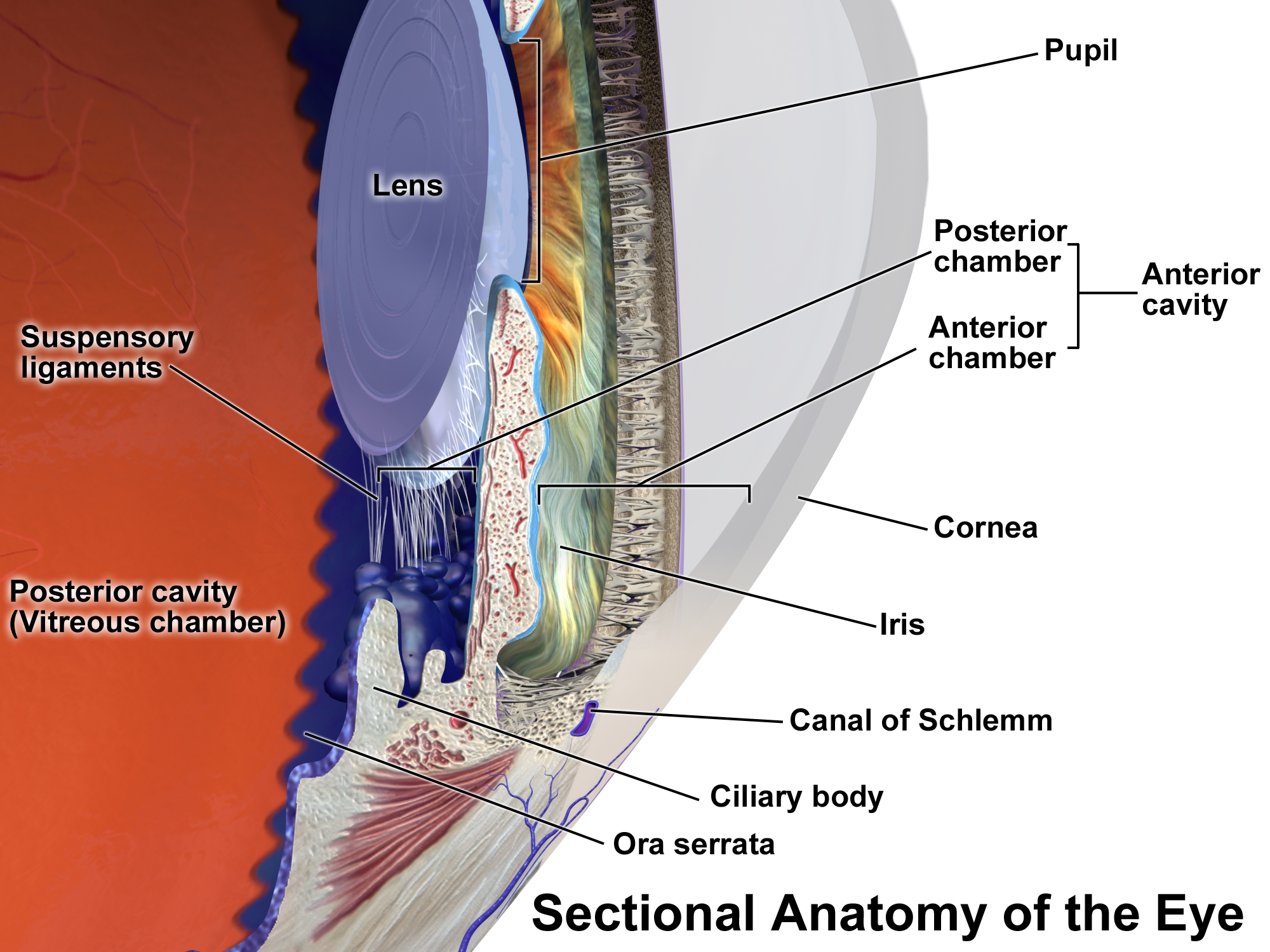
While this ring-like thickening includes vascular processes that secrete aqueous humor, its muscular component is responsible for lens accommodation. (two part answer)
What are the ciliary body and ciliary muscle?
100
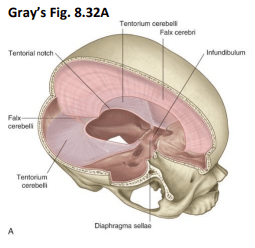
This sickle-shaped fold of dura mater projects into the longitudinal cerebral fissure between the right and left cerebral hemispheres.
What is the falx cerebri?
100
Venous blood from these two venous plexuses drains into Batson's plexus.
What are the pterygoid and basilar plexuses?
100
This is the only extraocular muscle that does not originate from the posterior apex of the orbit, instead arising from the anteromedial orbital floor.
What is the inferior oblique muscle?
Bonus Points: What innervates this muscle?
200
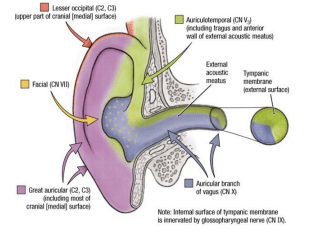
This cranial nerve provides sensory innervation to the mucosa of the middle ear and the internal surface of the tympanic membrane.
What is the glossopharyngeal nerve (CNIX)
Bonus Points: What is the specific branch?
200
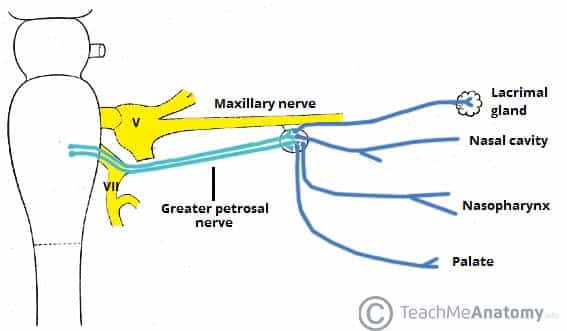
To innervate the lacrimal gland, parasympathetic fibers from the pterygopalatine ganglion arise from this branch of the trigeminal nerve.
What is CN V1 (Opthalmic)?
Bonus Points: What nerve branch of CN V1 is also involved with the pterygopalatine ganglion?
200
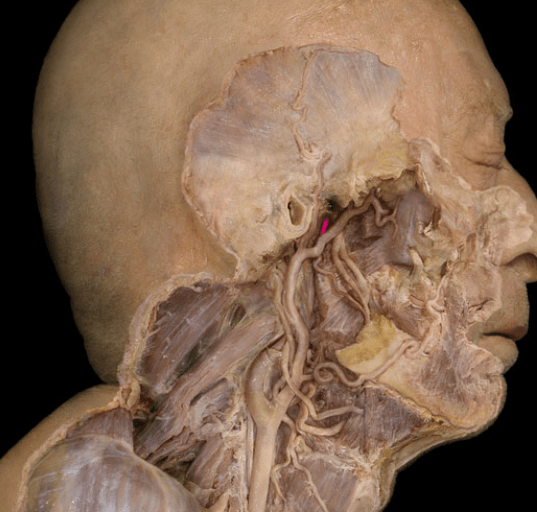
This specific artery, often torn during a fracture at the pterion, causes blood to accumulate in the epidural space.
What is the middle meningeal artery?
200
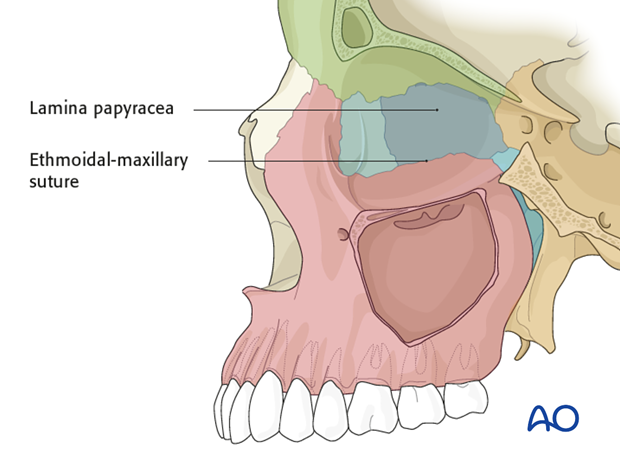
This "extraordinarily thin" portion of the ethmoid bone forms the medial wall of the orbit and is a common site for infection spread from the ethmoid sinuses.
What is the lamina papyracea (or orbital plate of the ethmoid bone)?
200
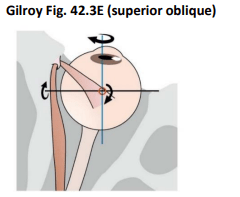
During an H-test, this specific muscle is being isolated and tested when the patient is asked to look down while the eye is in an adducted (medial) position.
What is the superior oblique muscle?
300
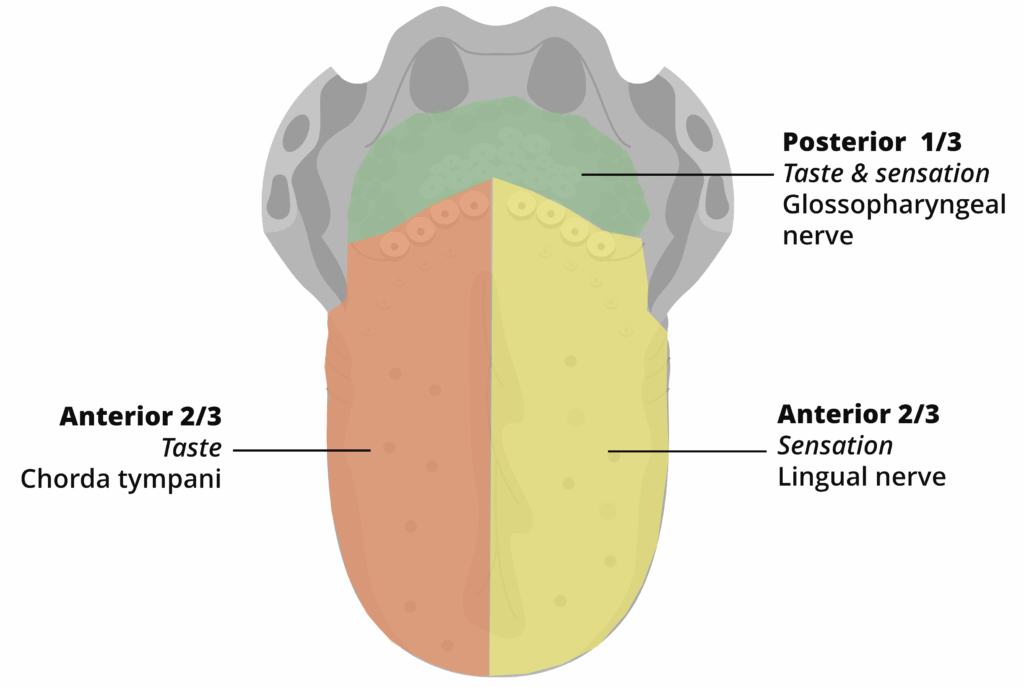
These cranial nerves/nerve branches provide taste sensation and general sensation to the anterior 2/3 of the tongue, respectively.
Taste sensation: Chorda tympani (CN VII)
General Sensation: Lingual nerve (CN V3 branch)
300
These lipid secretions from glands embedded in the tarsal plates reduce surface tension and prevent lacrimal fluid from spilling out of the open eye.
HARD QUESTION - DAILY DOUBLE
What is meibum (secreted by tarsal/Meibomian glands)?
300
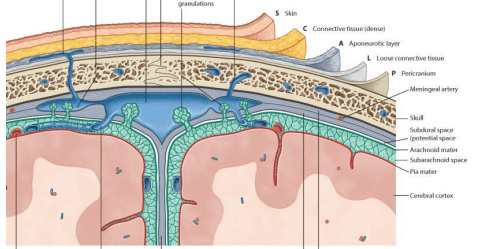
These thin-walled, valveless veins drain blood from the calvarial bone and communicate with both the scalp and dural venous sinuses.
What are diploic veins?
300
This major branch of the internal carotid artery enters the orbit through the optic canal, positioned inferior to the optic nerve.
What is the ophthalmic artery?
300
A "down and out" eye position, accompanied by a dilated pupil and ptosis, is the classic presentation for a palsy of this cranial nerve.
What is the oculomotor nerve (CN III)?
400
Unlike other nerves in the cavernous sinus, this nerve passes centrally through the sinus on the lateral surface of the internal carotid artery.
What is the abducens nerve (CN VI)?
400
The afferent limb of the corneal reflex is provided by this nerve, while the efferent limb is provided by the motor branch of the facial nerve.
What is the ophthalmic nerve (CN V1)?
400
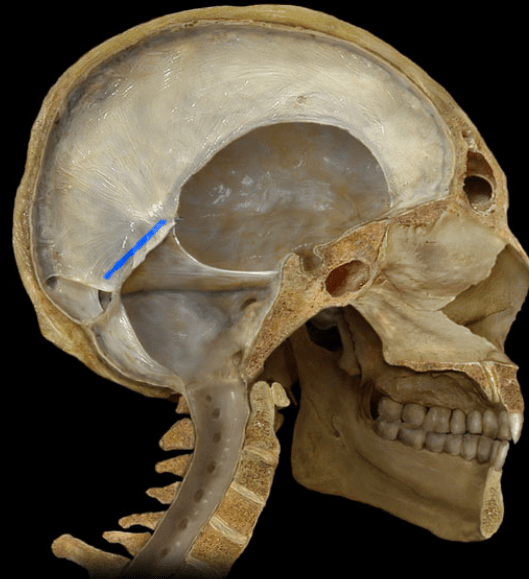
This single midline sinus is formed at the junction of the falx cerebri and the tentorium cerebelli.
What is the straight sinus?
400
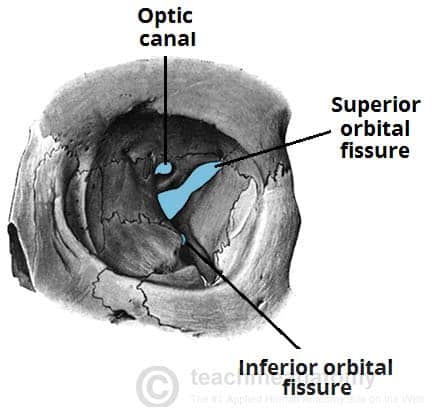
This bony fissure, continuous with the pterygopalatine fossa, transmits branches of the maxillary nerve (V2) into the orbit.
What is the inferior orbital fissure?
400
Because this muscle is oriented at 90 degrees to the horizontal axis when the eye is abducted, it is the primary elevator in that position.
What is the superior rectus muscle?
500
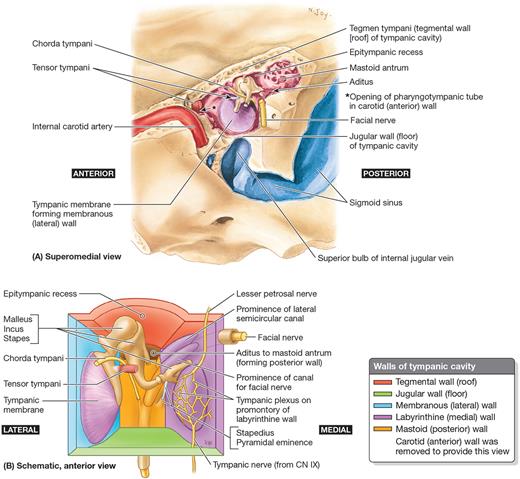
This nerve branch carries preganglionic parasympathetic fibers from the tympanic plexus to the otic ganglion to innervate the parotid gland. (Include the root CN and the branch)
What is the lesser petrosal nerve (CN IX)?
DOUBLE Bonus Points: What CN does the greater petrosal nerve arise from? What does it innervate?
500
Horner’s syndrome, characterized by ptosis, miosis, and anhidrosis, results from the loss of this type of autonomic innervation to the head.
What is sympathetic innervation?
500
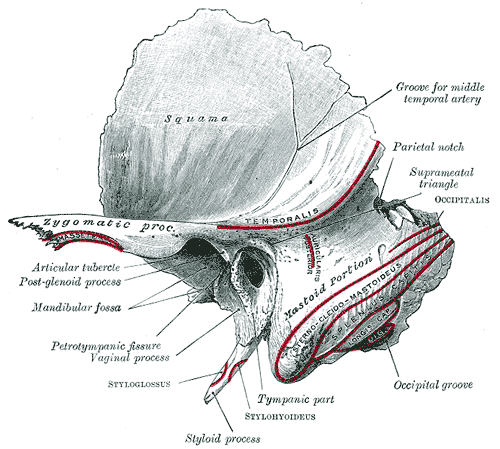
This rock-like portion of the temporal bone houses the organs of hearing and equilibrium, as well as the facial canal.
What is the petrous portion of the temporal bone?
500
Facial infections can spread to the cavernous sinus and cause life-threatening thrombosis because these veins are valveless and connect the face to the sinus.
What are emissary veins (specifically the ophthalmic veins)?
:background_color(FFFFFF):format(jpeg)/images/library/13637/RTCuQLwfur2nkhKDdoiYA_emissary_vein.png)
500
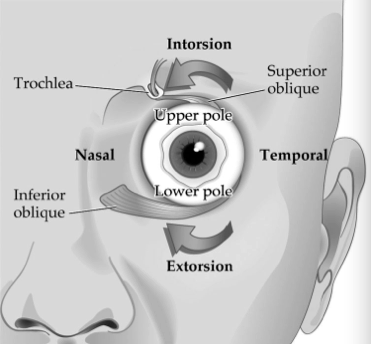
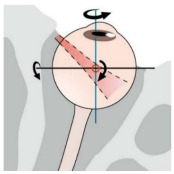
To stabilize the gaze when the head tilts, the eyes perform this type of rotation around the anteroposterior axis.
What is torsional rotation (or intorsion/extorsion)?