Lab Safety and PPE
Chemical Hygiene and Lab Plastic Recycling
Facilities and Standard Operating Procedures
Accidents and Emergencies
Specialized Safety
100
What should you do immediately if there is a major chemical spill or leakage in the lab, elevators, or stairwells?
Use your cell phone (911 or 402-472-2222), or an office phone (0 or 2-2222) to inform the emergency operator of the location of the spill
100
What are the best practices for safely handling waste in the lab?
Proper PPE and check labels or instructions before any disposal.
100
How to report building facilities emergencies?
The facilities service desk phone is 472-1550.
100
What is the first step to react to a fire alarm?
Shut down reactions, take coats, and evacuate to the Sheldon Parking Lots as quickly as possible.
100
EPA regulations of DCM, TCE, and phthalates in the Toxic Substances Control Act...
All these chemicals have been banned because of the high risk to human health.
200
What personal protective equipment (PPE) is required?
Lab goggles, close-toed shoes, pants or long skirts, gloves and lab coat
200
What are the designated signs of plastics that will go in the lab plastic recycling system? 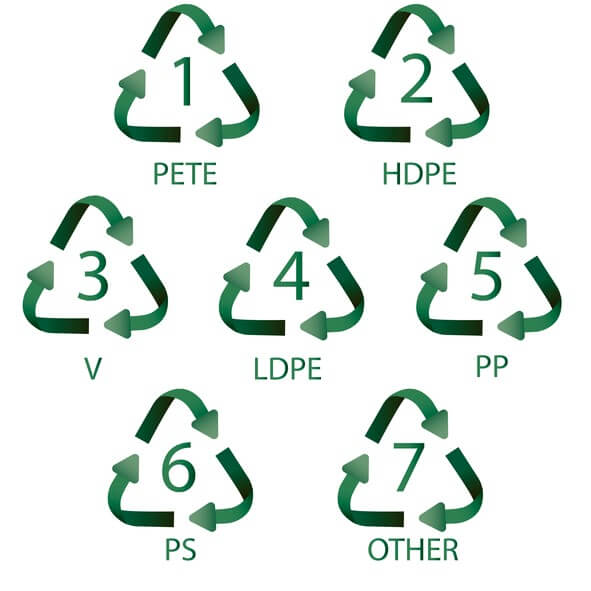
1, 2 and 5
200
What is the full form of HVAC?
(Heating, Ventilation, and Air Conditioning)
200
What is the major cause of multiple explosions at the UNL?
Mixing nitric or sulfuric acid with organic compounds.
200
How to discard 'Ethidium Bromide' after use?
Dump them in the specific container, label it properly, and contact EHS.
300
True or False: A laminar flow hood is normally used for hazardous chemical work.
False. Most work with hazardous materials should be done in a fume hood.
300
How to dispose of glass bottles greater than 2L?
Box and carry to dumpster.
300
What does 'OSHA' stand for?
Occupational Safety and Health Administration
300
What are the safety measures during the tornado warning?
Take an elevator or stairwell without any glass. Go to the basement of the building. Take shelter in areas without glass.
300
Caution about 'Unattended reactions' or 'Reaction running overnight or weekend'....
Please write on hood sash or paper about the reaction, your contact information and the nature of any hazardous chemicals.
400
What are the FIRST AID MEASURES for burns and splashes?
Flushed with water for 15 minutes.
400
Disposal of 'Contaminated Sharps'...
put in a plastic or cardboard box marked “Contaminated SHARPS.” For biohazardous sharps, the container should be autoclaved, put into a black plastic trash bag and taken to the dumpster.
400
According to UNL guidance, how often should emergency eyewash stations be operated and flushed?
At least once per week
400
Safety protocol during 'active shooter' emergencies....
RUN, FIGHT, HIDE
400

Which symbol is designated for the biohazardous waste disposal, and what is the specific protocol of disposal?

500
What are the 'RAMP' principles?
Recognize hazards, Assess the risks, Minimize the risk of hazard, Prepare for emergencies
500
How to handle broken 'mercury-containing' apparatus?
Broken mercury-containing apparatus should be placed in a zip-loc bag (or secondary container) for pickup by EHS.
500
What alternative cooling method is suggested to prevent potential water leaks?
Water chiller. The chiller controls the temperature of water or glycol mixtures to ensure they do not freeze, which could lead to pipe bursts and subsequent water damage.
500
If someone faints or gets hurt, the first step will be....
Clear the space, yell for help, immediately inform the manager or supervisor, and call 911 or UNL Police at 402-472-2222.
500
What are the specialized rules regarding the 'COLD ROOM'?
Maintain proper PPE, label all items with the PI's name, prohibit food/drink, forbid storing cardboard or dry ice, and prevent overcrowding to maintain airflow.