Anatomical Terms
All about Cortex
Lobes
Random
Circuits Act
100
This cardinal plane splits the body into left and right
Sagittal plane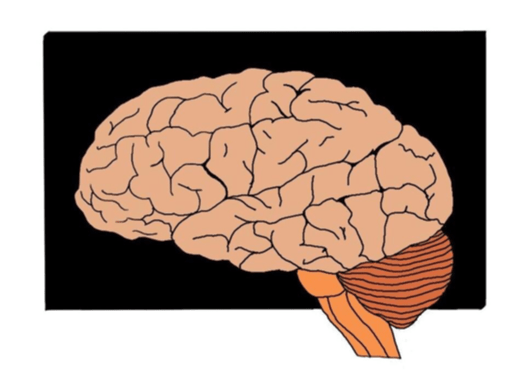
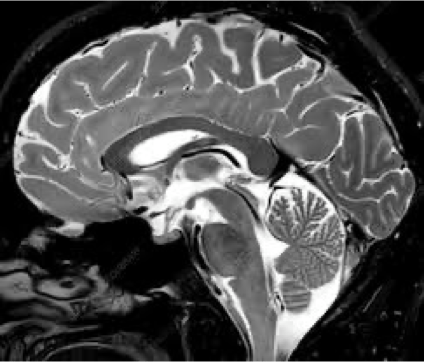
100
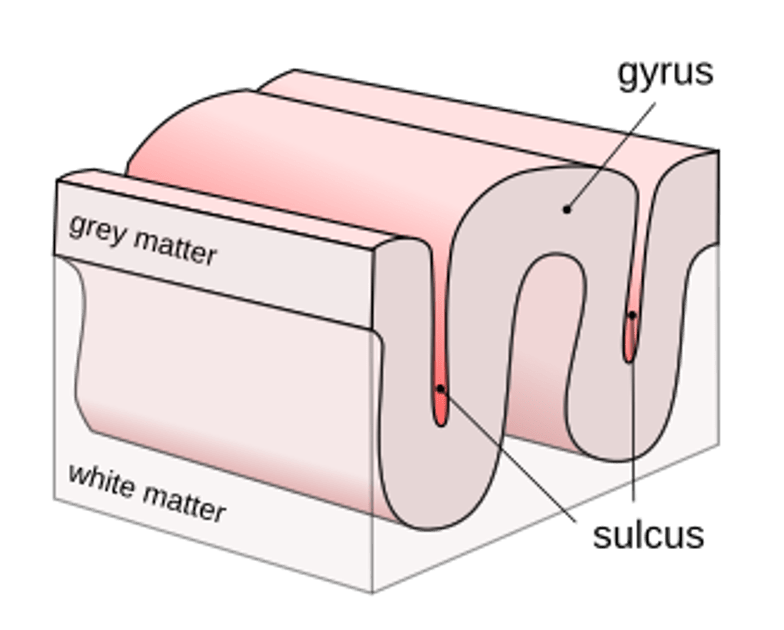
This term describes the top or highest point of a cortical fold
Gyrus
(l. Circle)
100
This is the largest lobe in the human brain
Frontal lobe
100
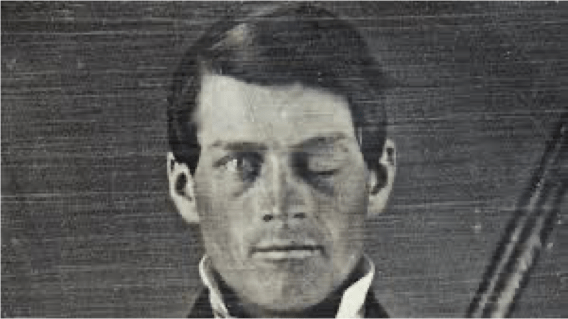
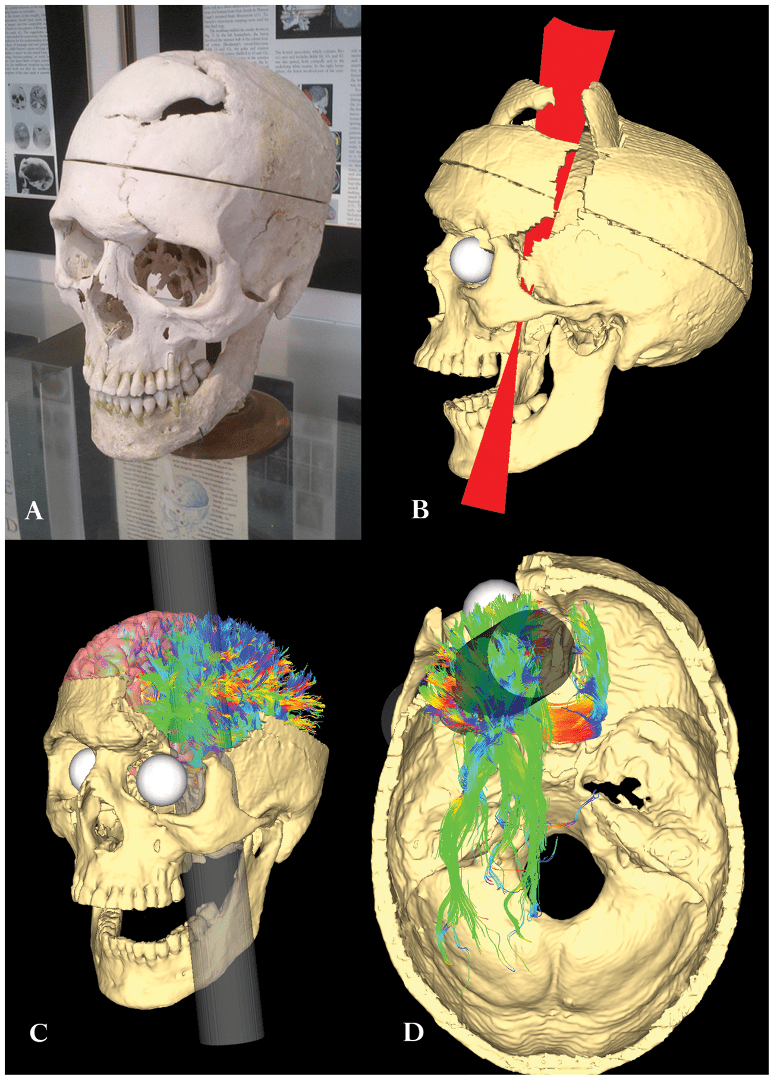
This man's accident is widely regarded as one of the foundational findings in cortical localization of function
Phineas Gage
100
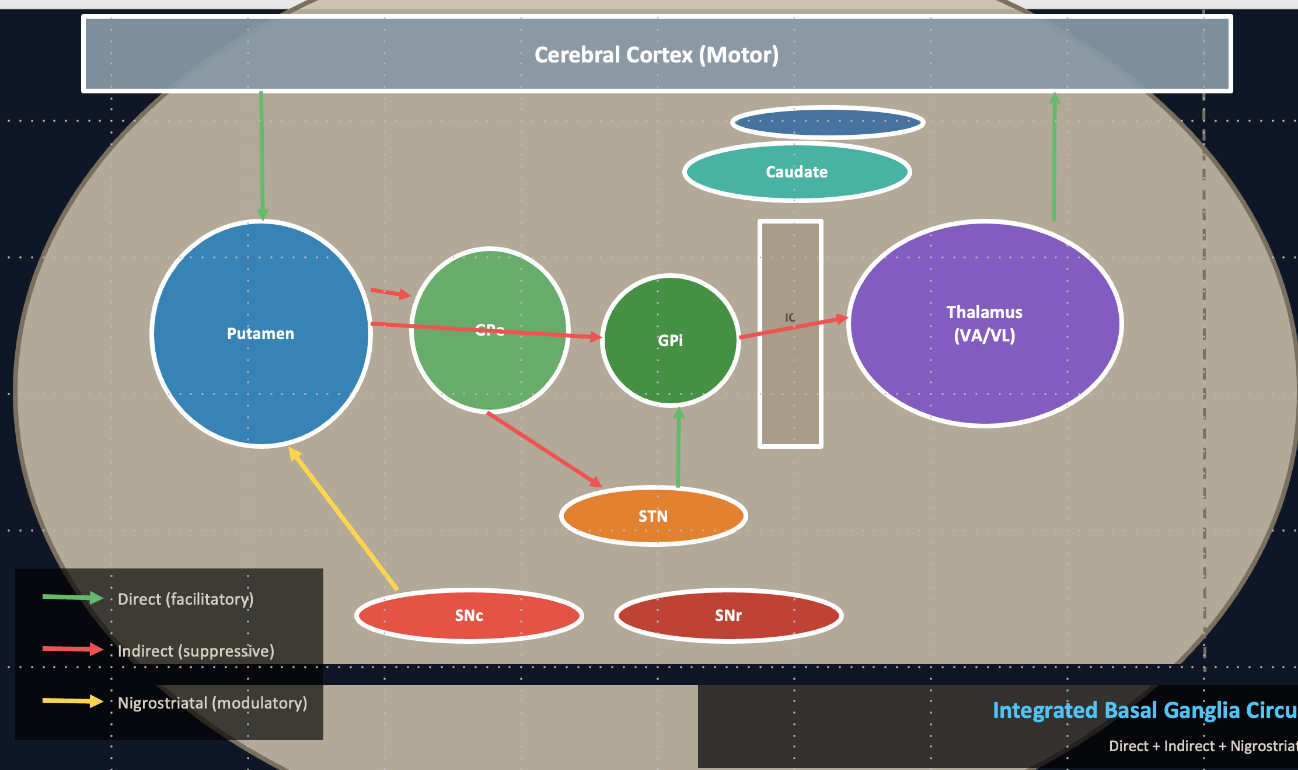
These two pathways make up the main functional circuits of the basal ganglia
Direct and indirect
200
This cardinal plane splits the brain into anterior and posterior
Coronal
(l. crown)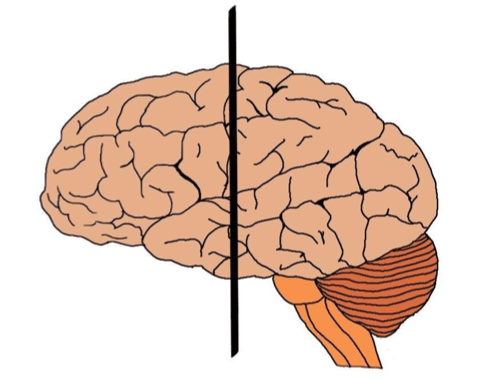

200
This term describes the large lateral split in the cortex between the frontal/parietal and temporal lobes
Lateral fissure/Sylvian fissure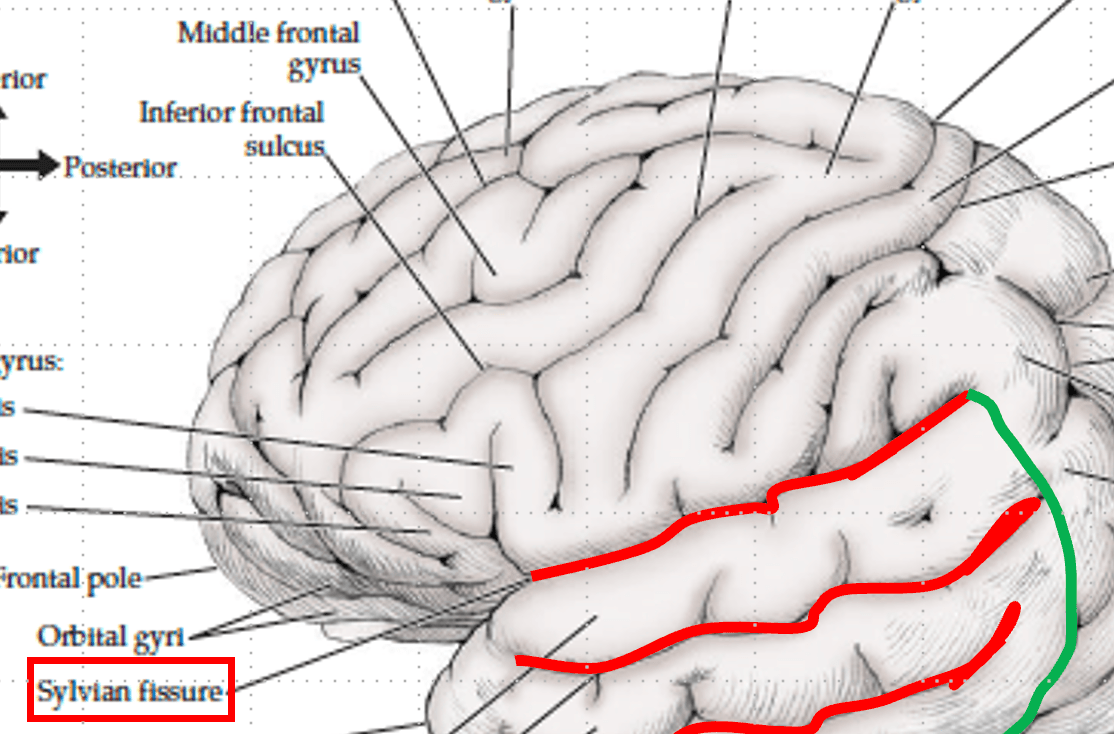
200
This lobe's primary function is vision
Occipital Lobe
200
This term describes a "little man", the cortical/subcortical bodily representation of functions
Homunculus
(l. little human)
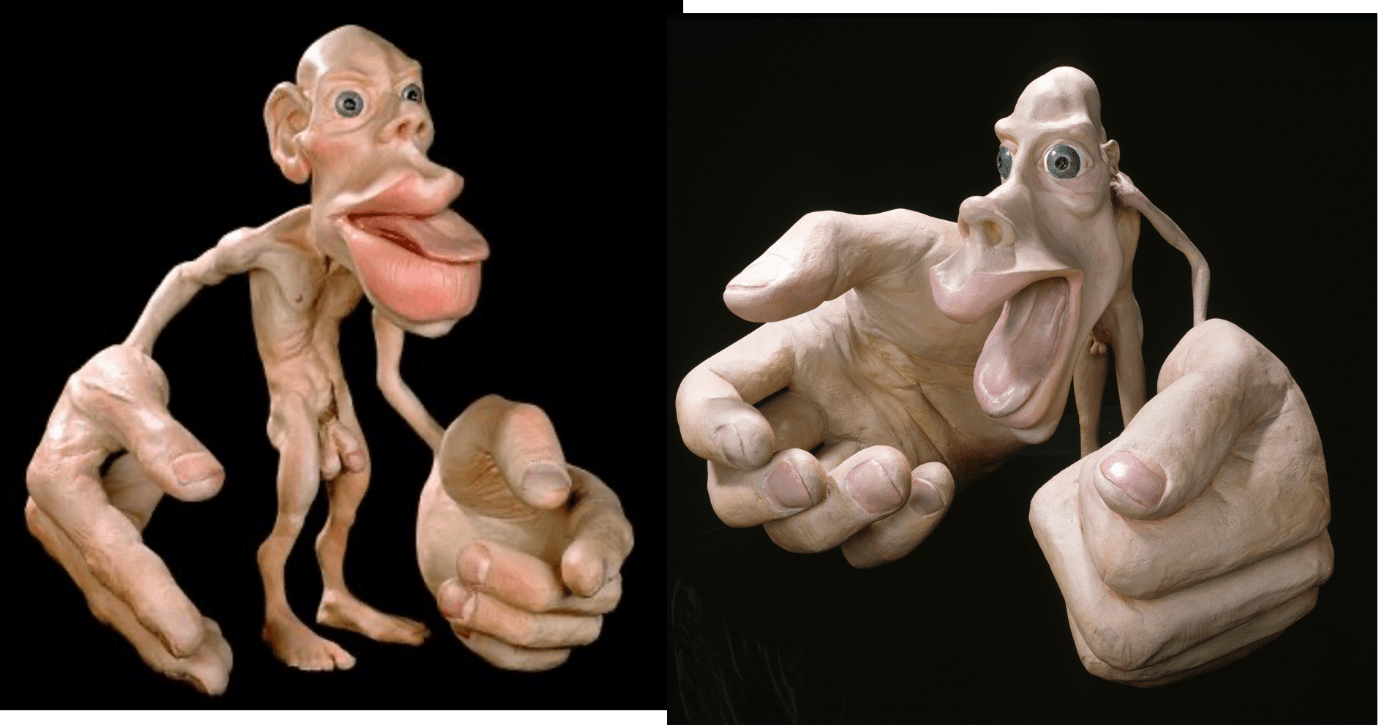
200
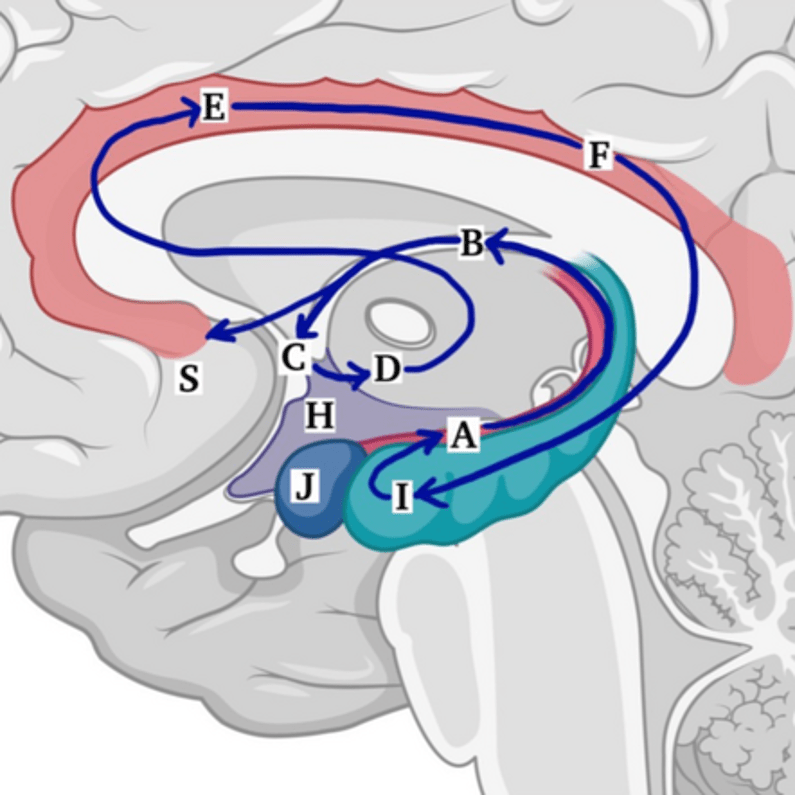
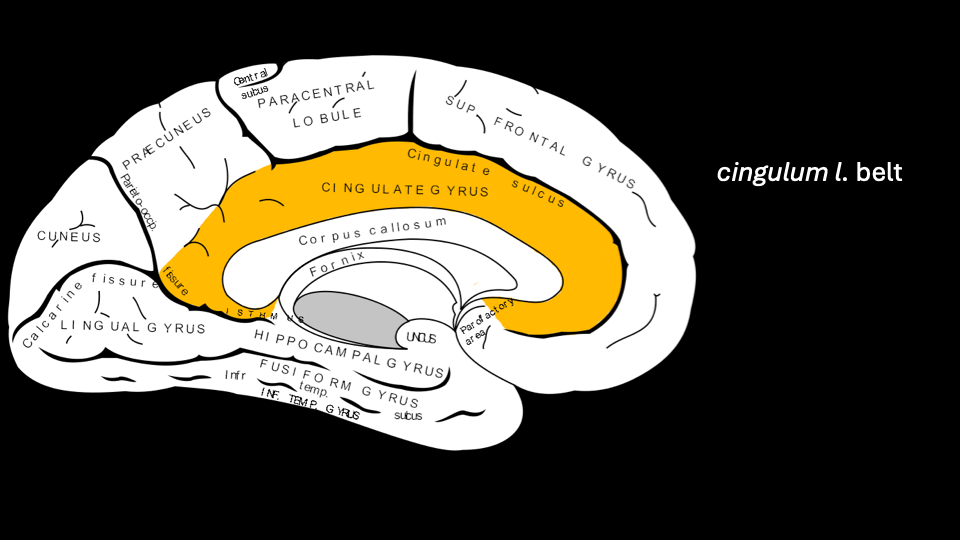
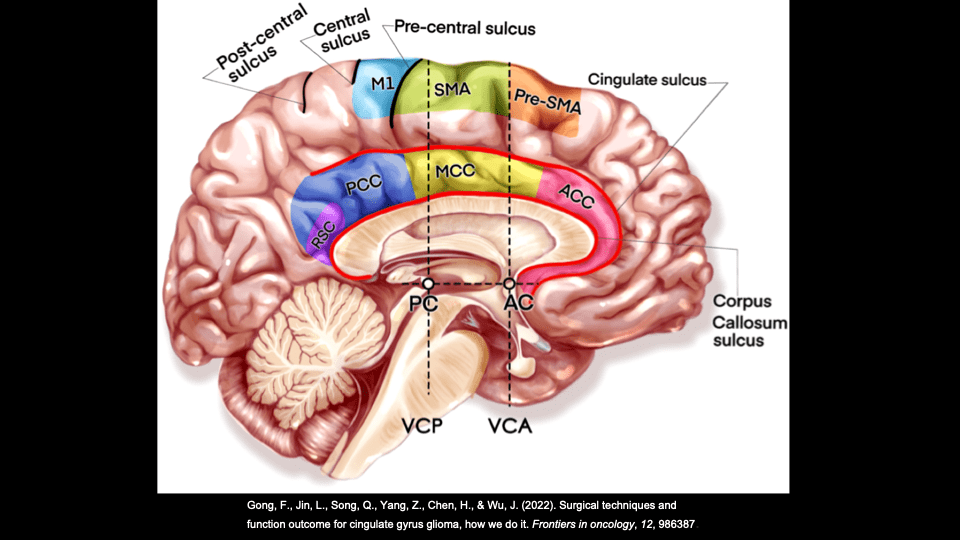
This midline gyrus is the neocortical hub of the Papez circuit
Cingulate gyrus
300
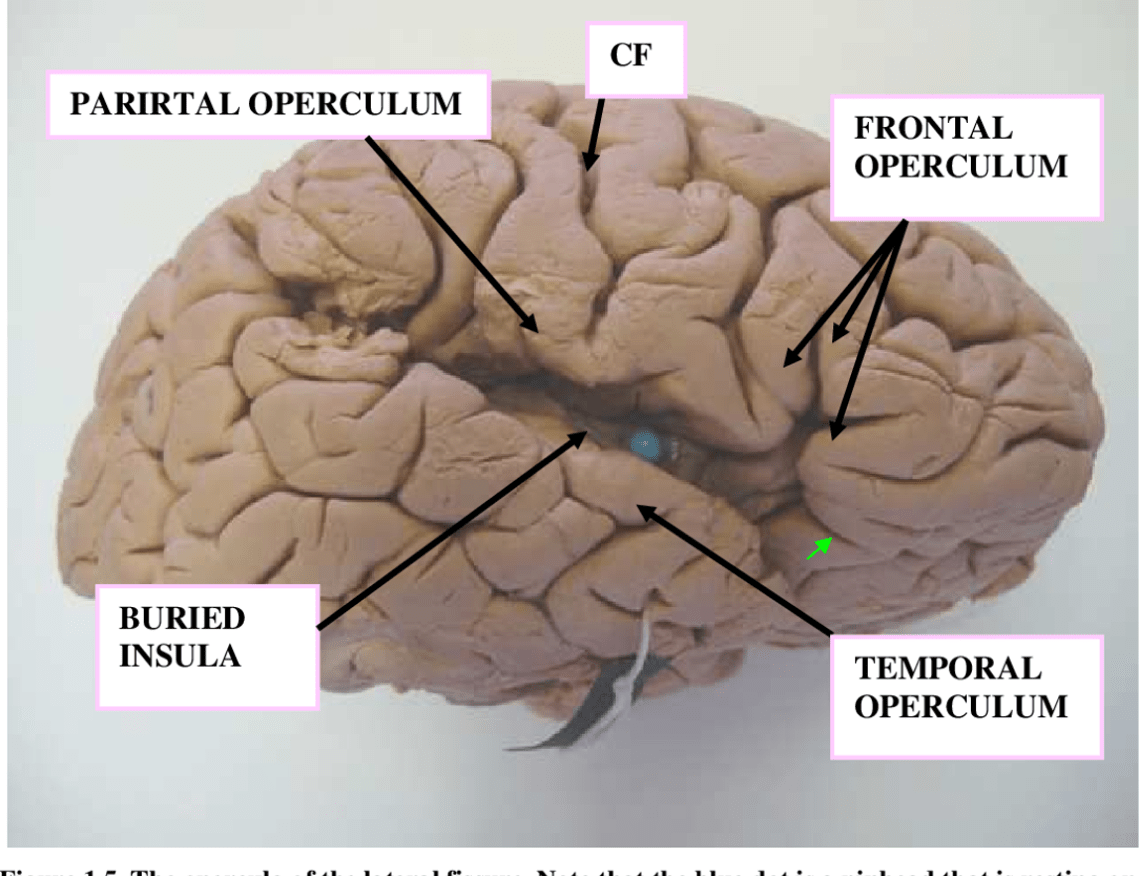
This term describes a covering, such as the gills of a fish
Operculum
(l. lid/covering)
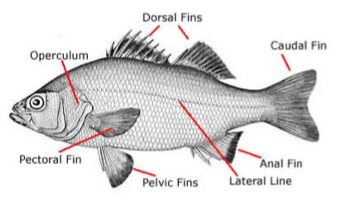
300
This term describes the 6-layered cortex comprising the majority of the cerebrum
Neocortex
(l. new bark)
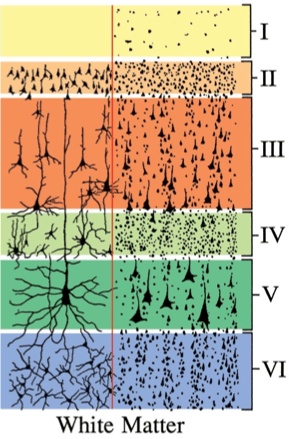
300
Provide the functional name for this highlighted anatomic structure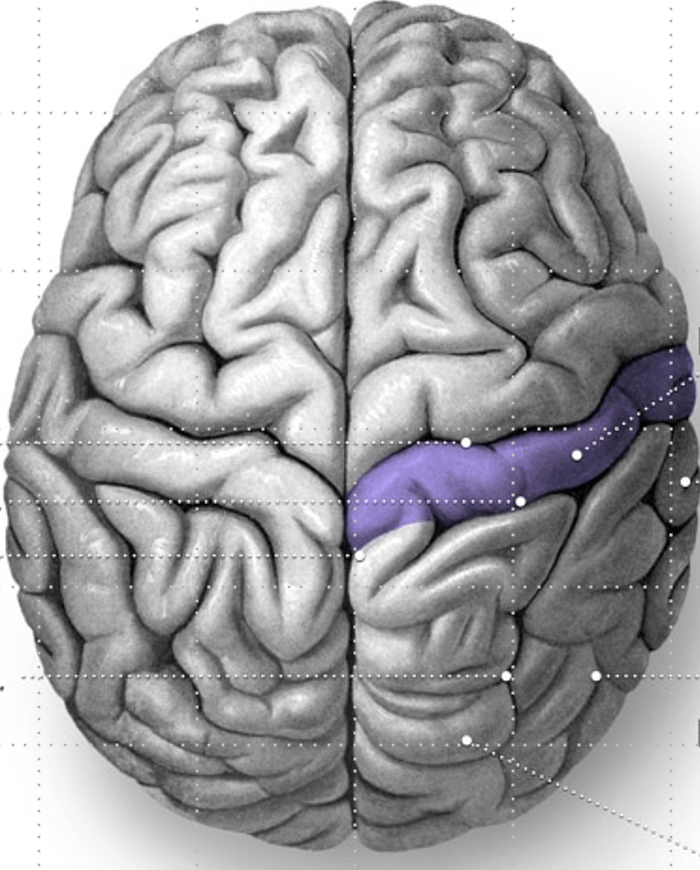
Primary somatosensory cortex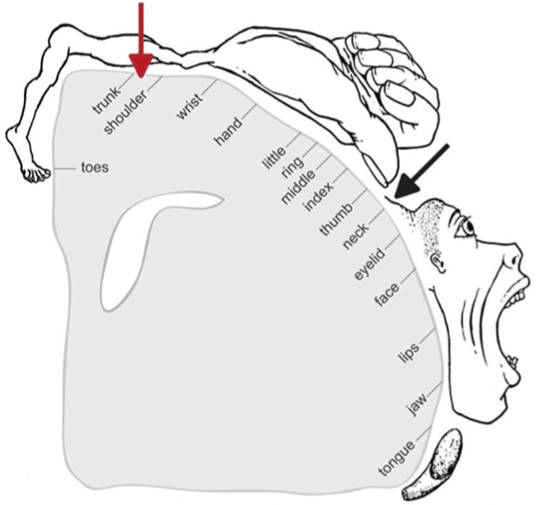
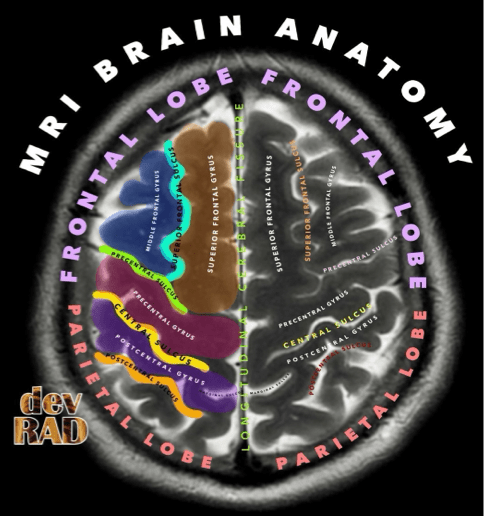
300
These drawings depicting the act of electrical stimulation for cortical localization are the handiwork of this American-Canadian surgeon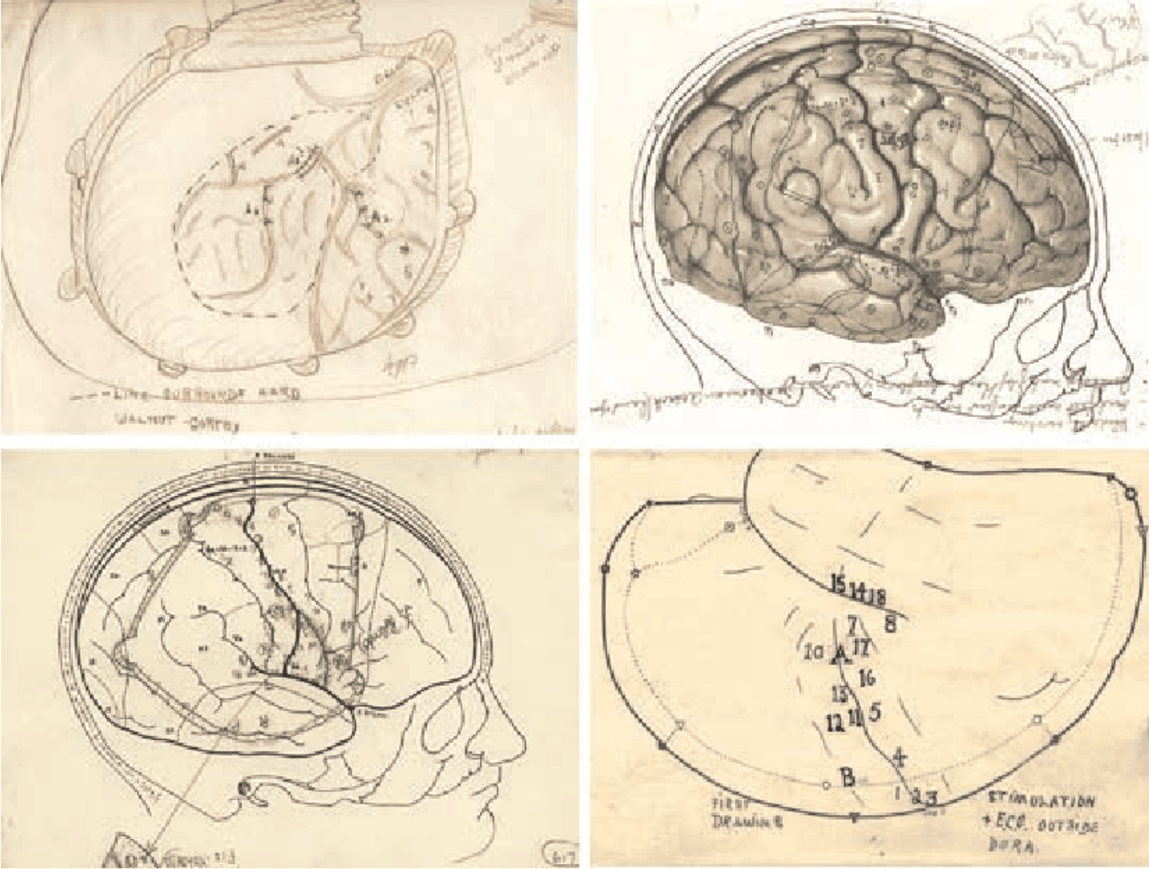
Wilder Penfield
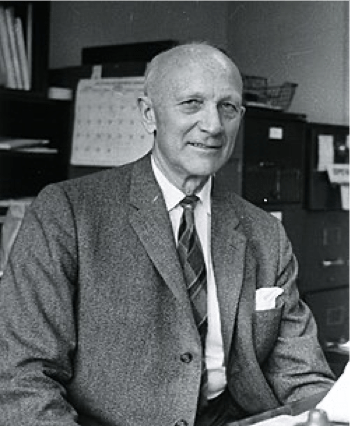
300
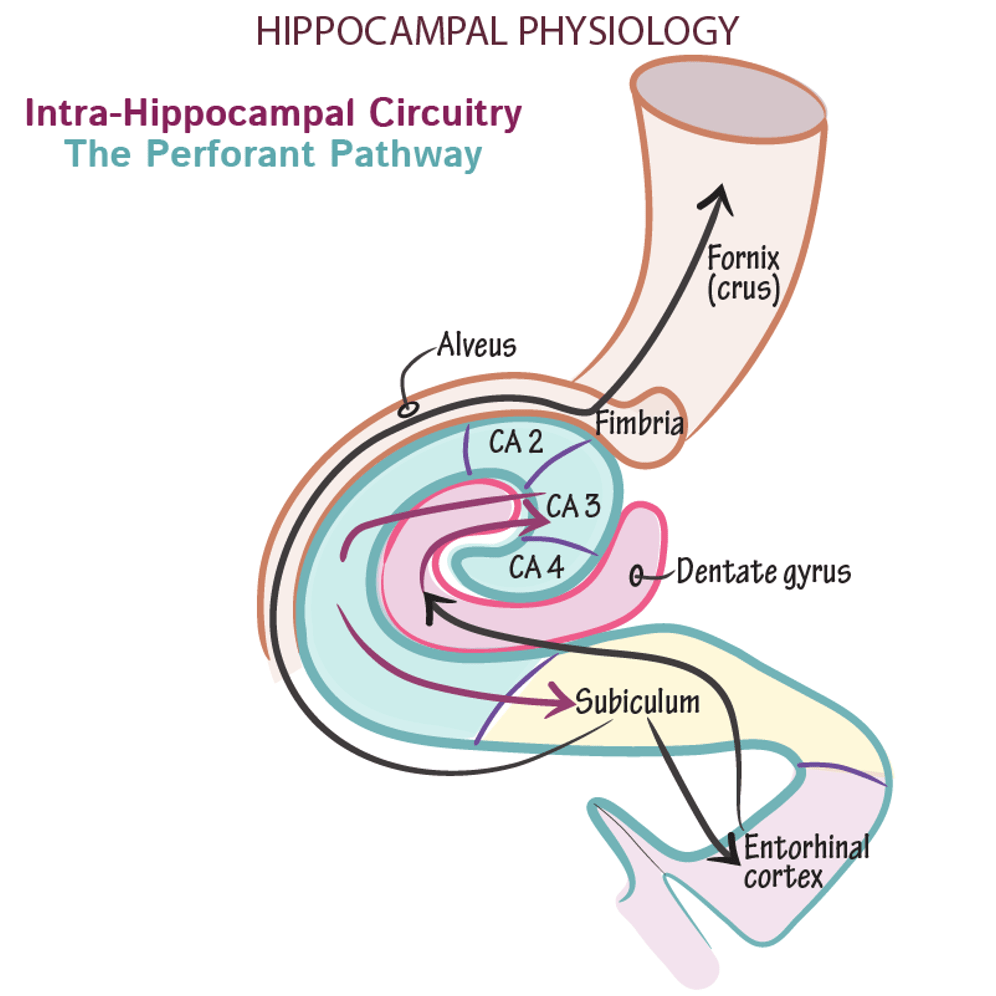
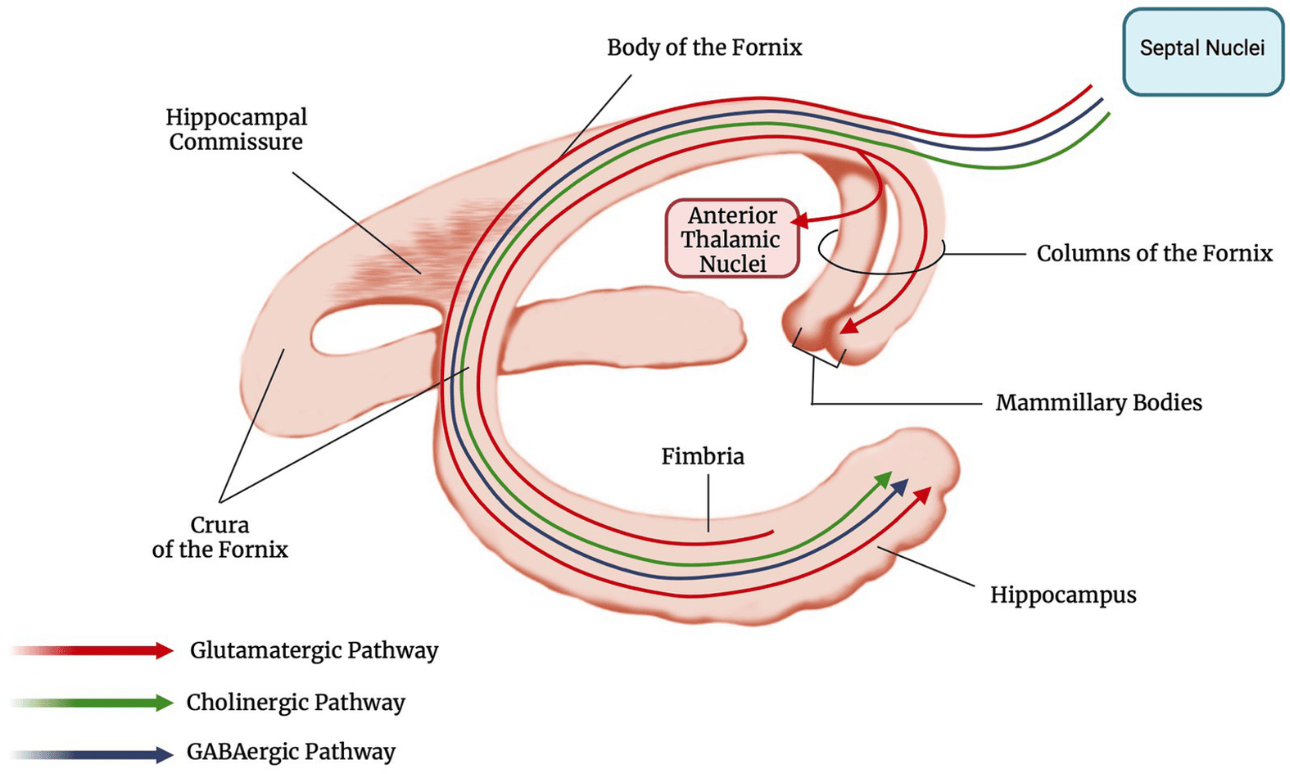
This "arched" structure is the subcortical white matter outflow from the hippocampus
Fornix
(l. arch)
400
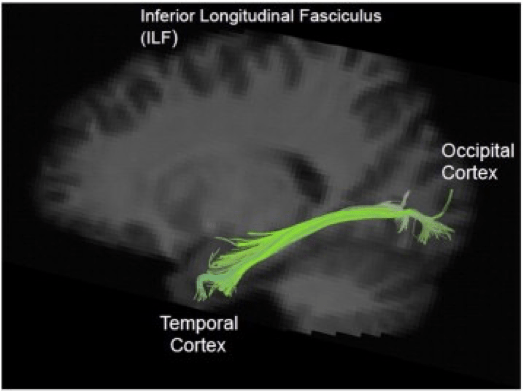
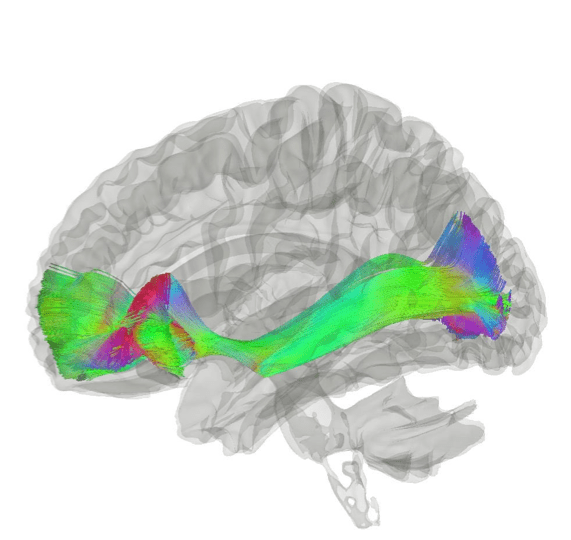
This term describes a small white matter bundle in the central nervous system
Fasciculus
(l. small bundle)
400
This "isolated" cortex shows diffuse connections to the ipsilateral hemisphere and is composed of "short" and "long" gyri
Insula/insular cortex
(l. island)
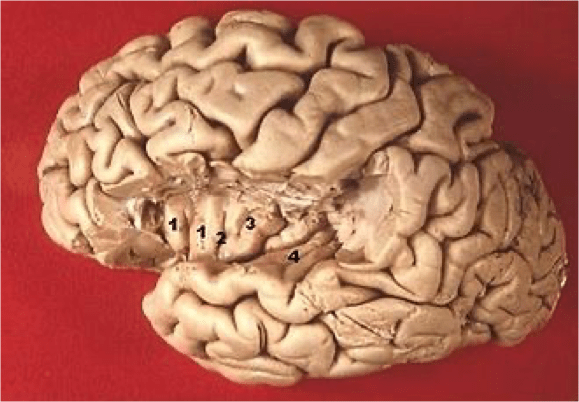
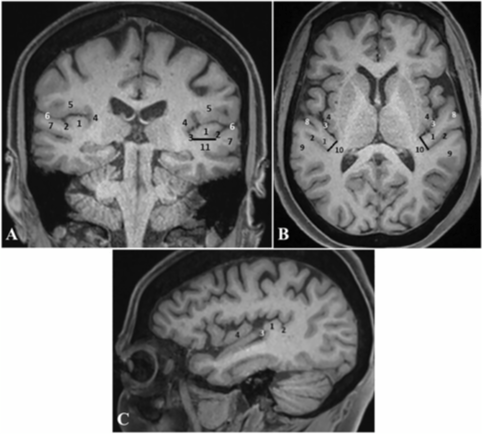
400
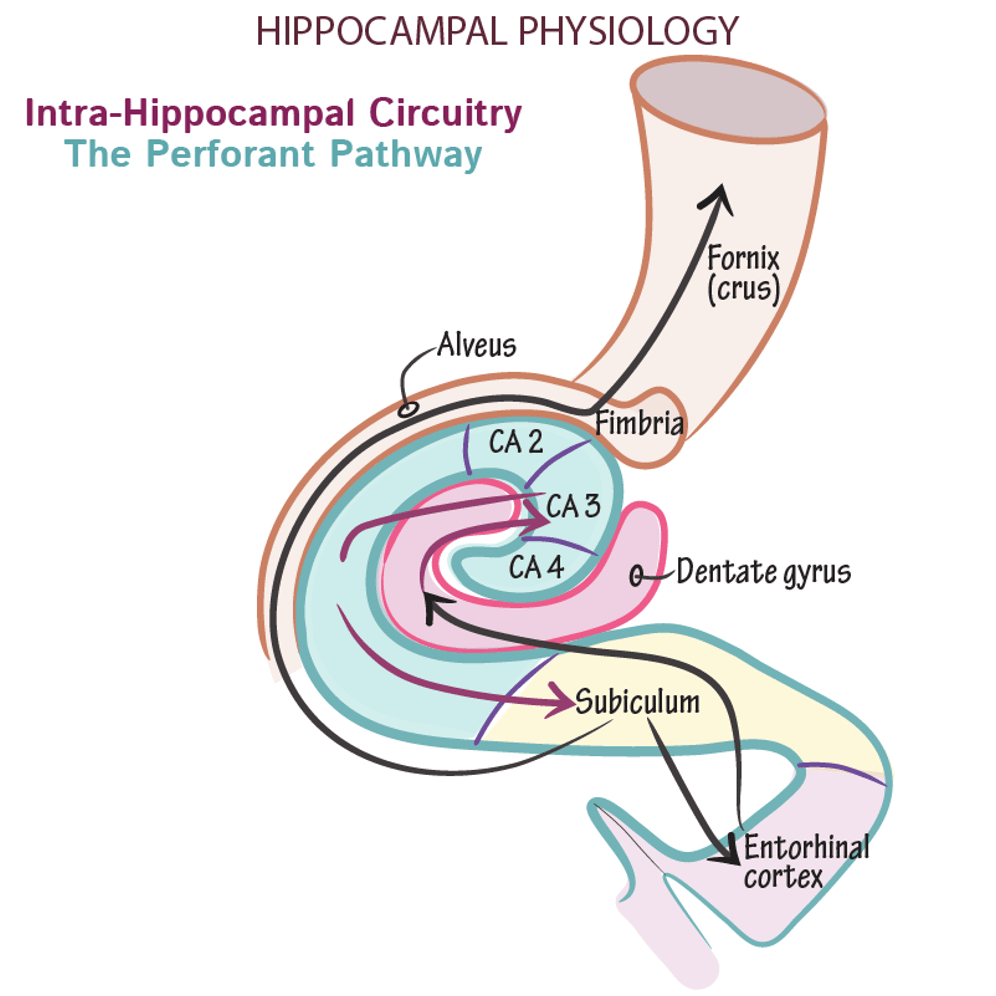
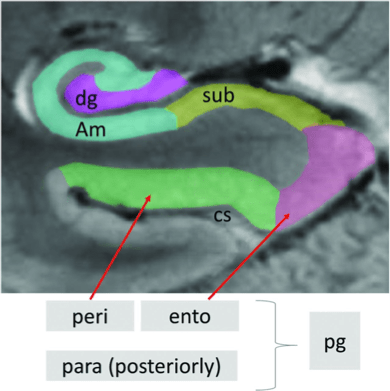
This hippocampal structure is named as the Egyptian god depicted here: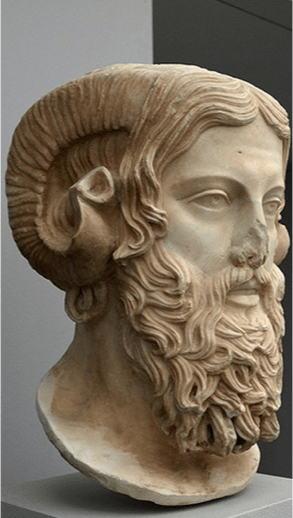
Ammon's Horn/Cornu Ammonis (CA)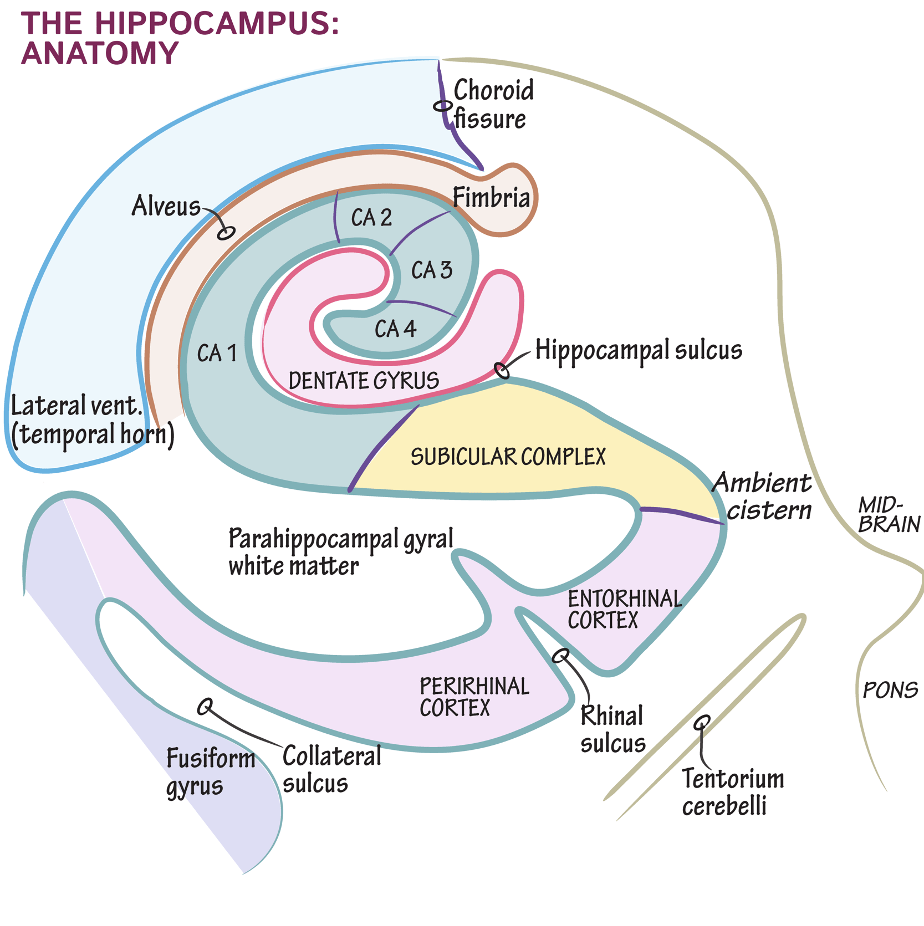
400
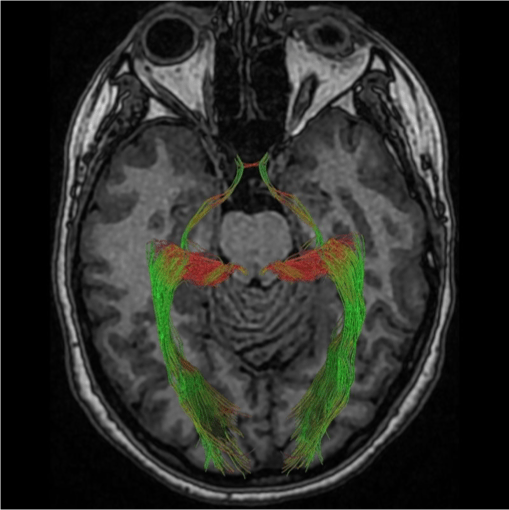
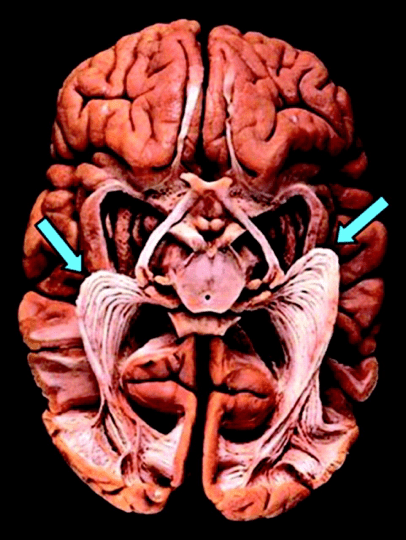
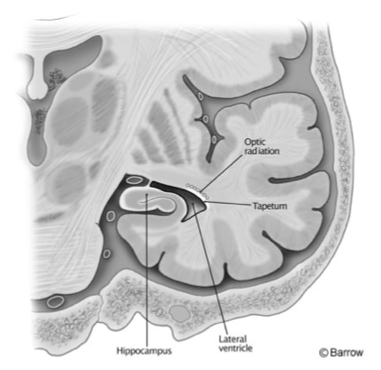
This specific white matter pathway is important to preserve during temporal lobectomy surgery to avoid a visual field deficit
Meyer Loop/anterior optic radiation/optic radiation
400
Hemiballism is caused by damage to this structure
Subthalamic nucleus (STN)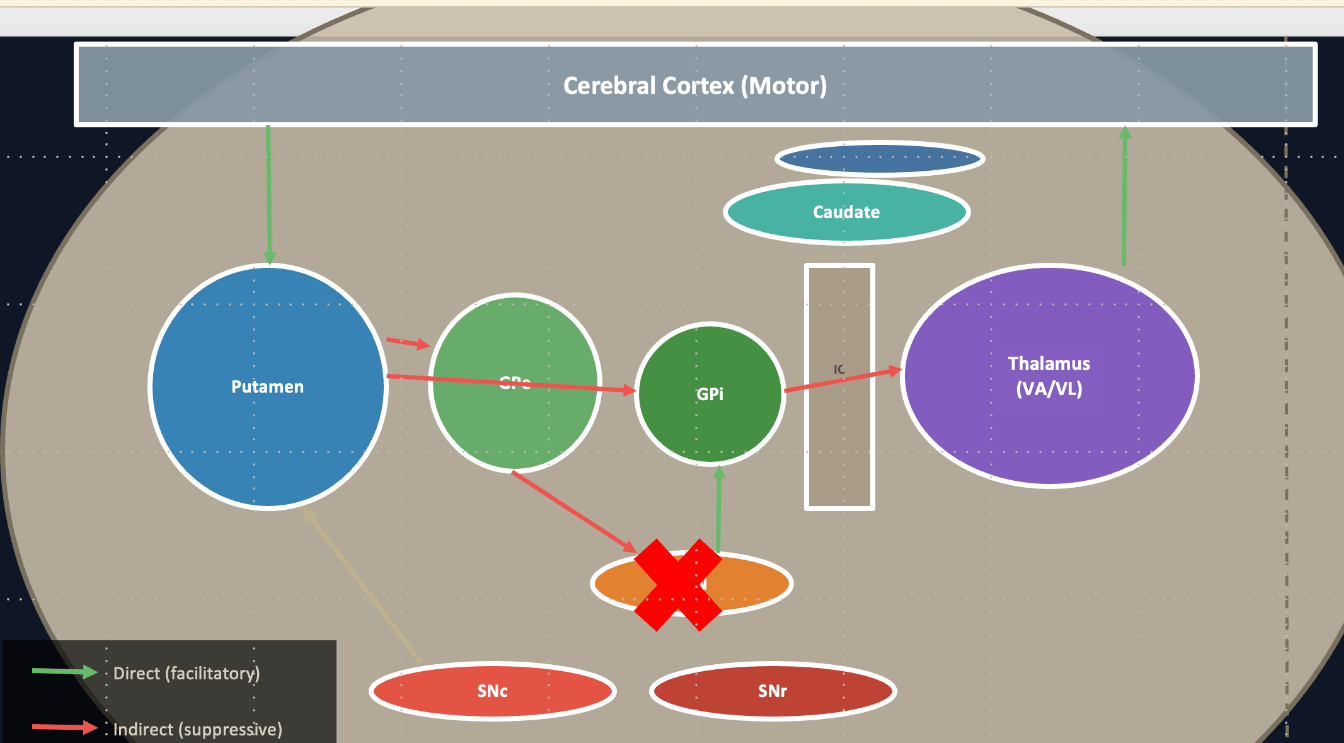
500
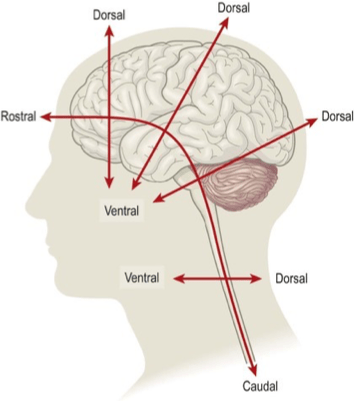
This structure during development is why the terms dorsal/superior and ventral/inferior are used interchangeably for the cerebrum
Mesenchephalic flexure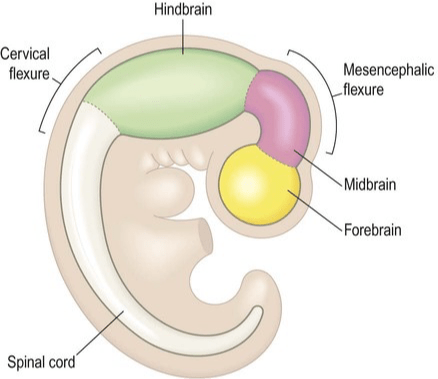
500
Perirhinal and entorhinal cortex are this special type of transition cortex
Mesocortex
(Meso- Gk. middle)
500
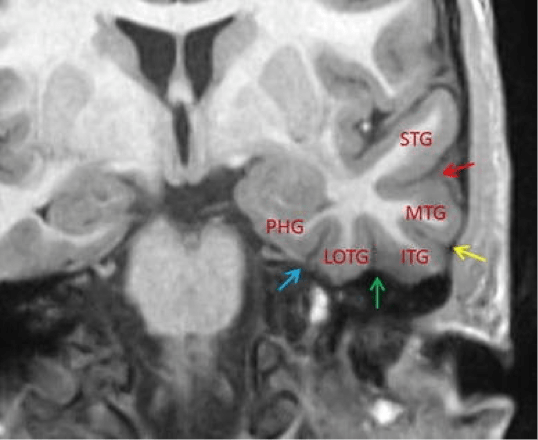
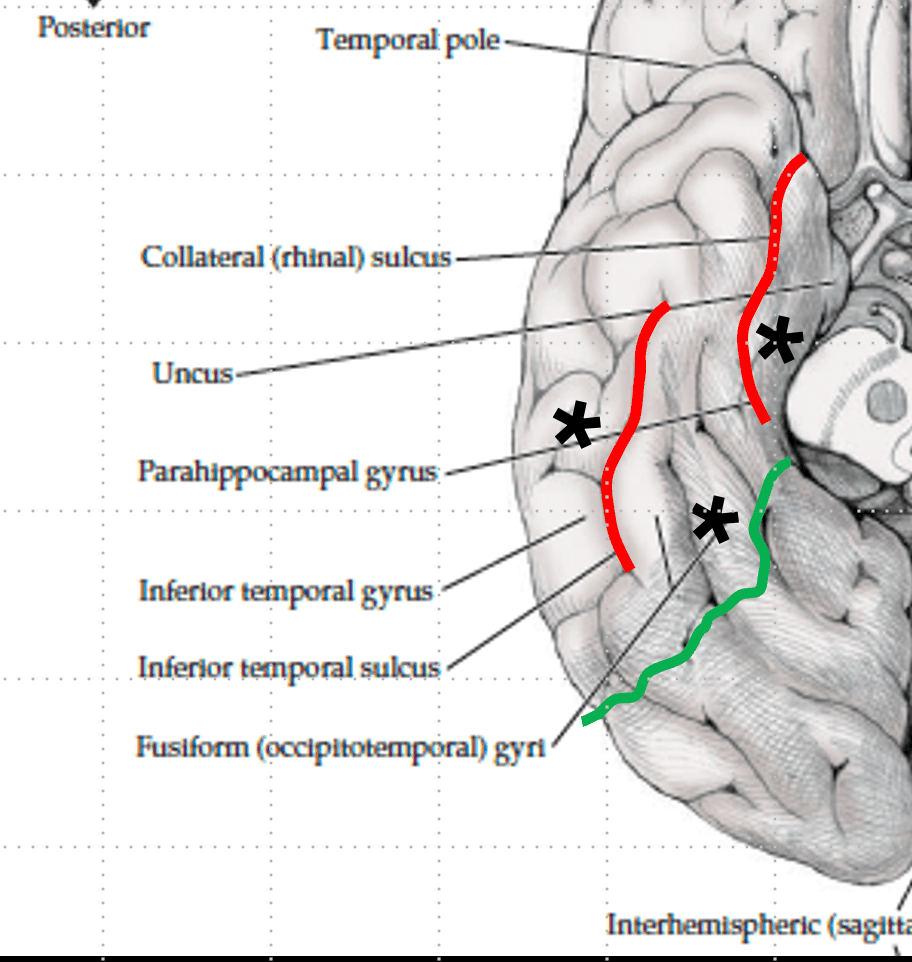
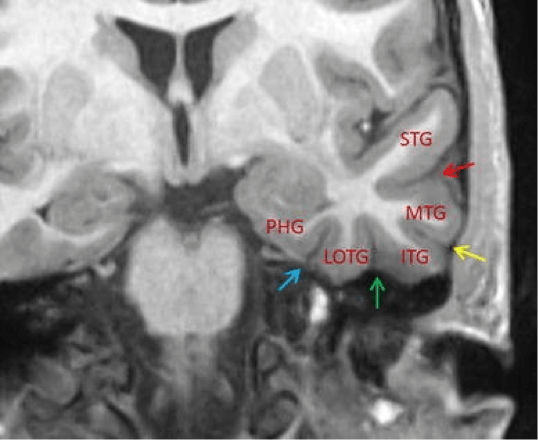
Name the 5 neocortical gyri of the temporal lobe
1. Superior temporal gyrus (STG)
2. Middle temporal gyrus (MTG)
3. Inferior temporal gyrus (ITP)
4. Fusiform/occipitotemporal gyri
5. Parahippocampal gyrus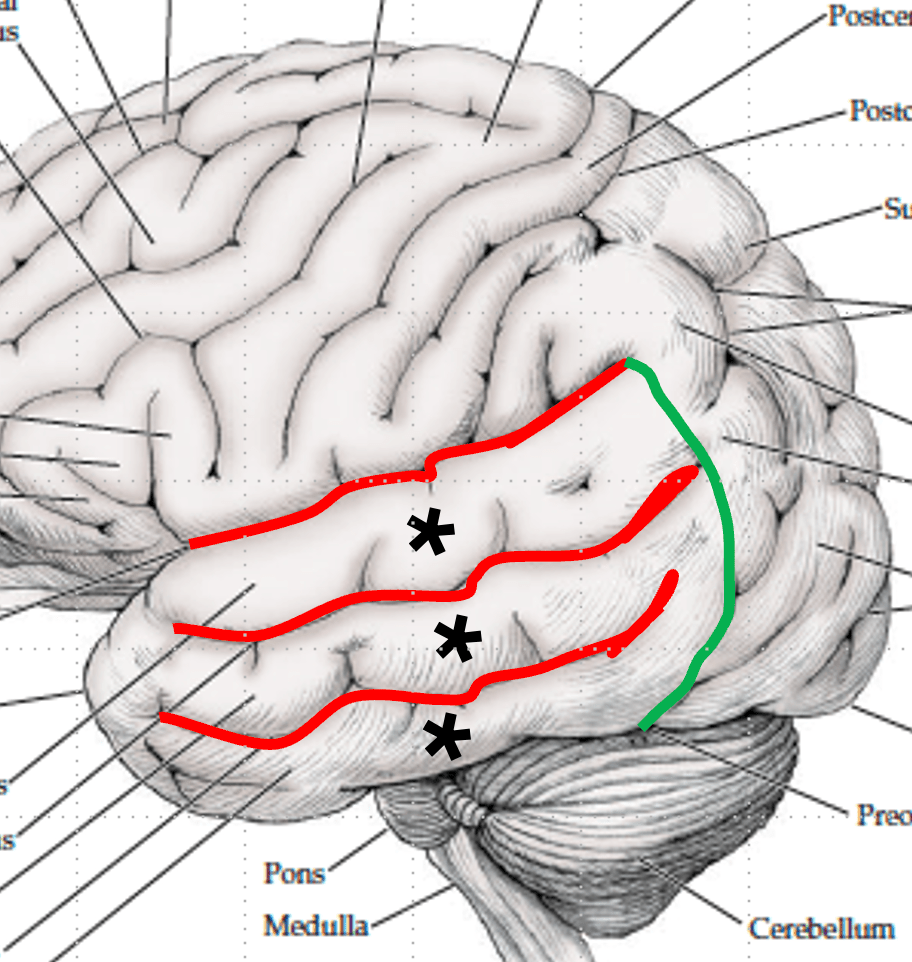
500
This clinical term describes a lack of awareness of one's condition, seen in lesions of the parietal lobe, Alzheimer disease, and some mental health disorders
Anosognosia
(Gk. a-"lack of", nosos-"disease", gnosis-"knowledge")
500
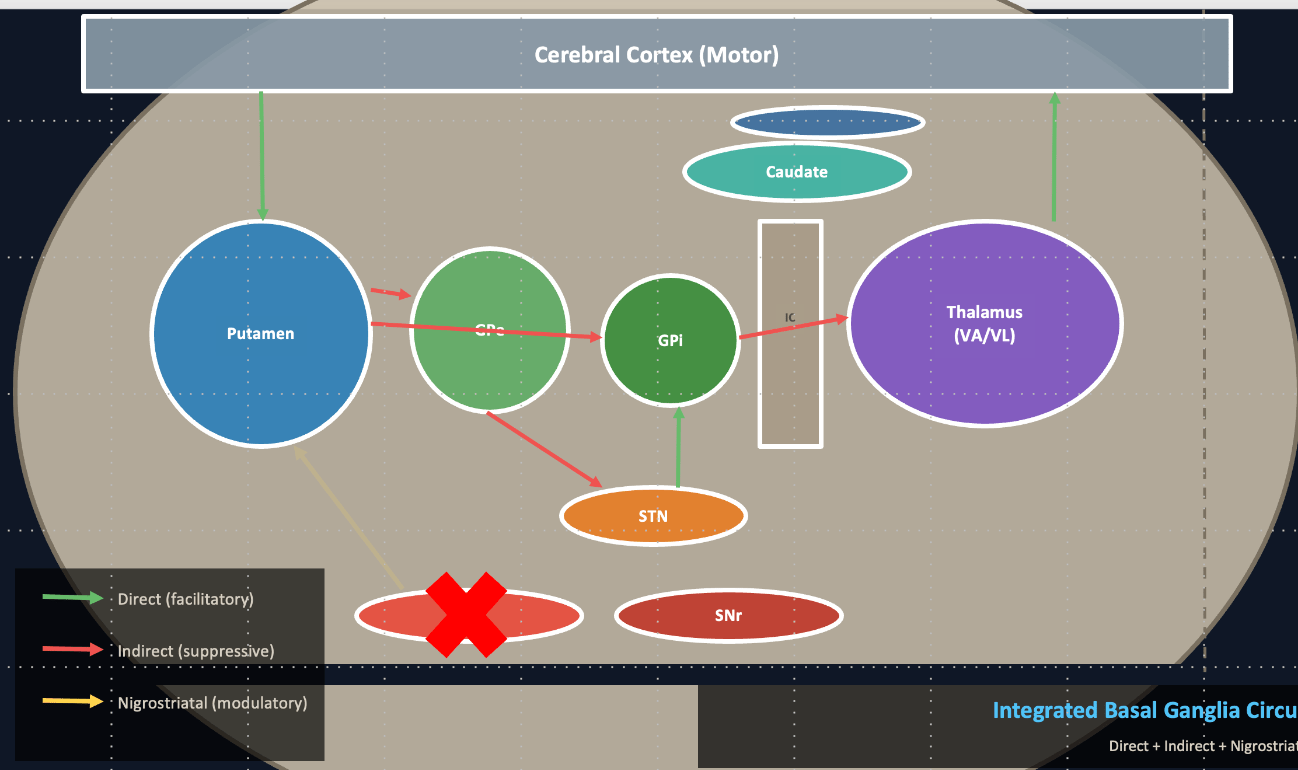
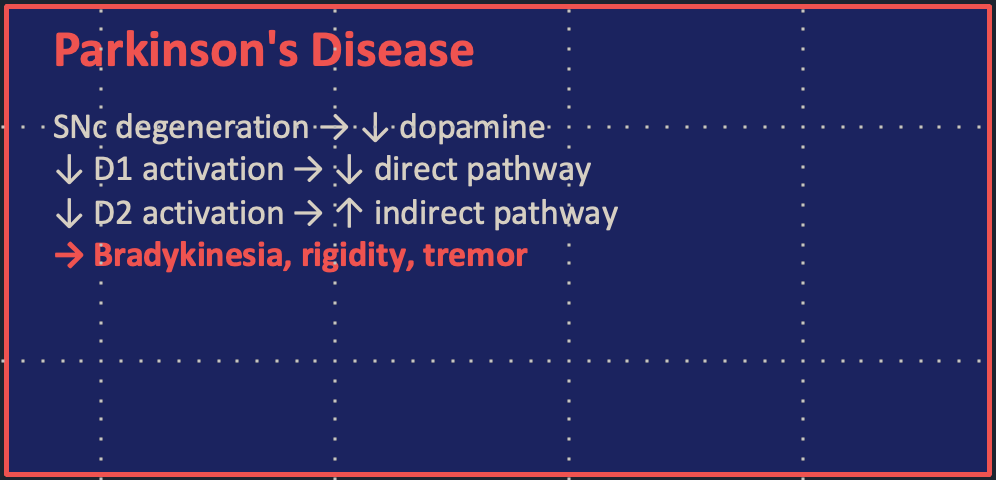
This pathway provides important modulatory input to the basal ganglia, and damage to this pathway results in Parkinson Disease
Nigrostriatal pathway