(Blank)
(Blank)
(Blank)
(Blank)
(Blank)
100
2. Membership in the house of representatives is based on
population
100
8. To ratify means to__________________________.
approve
100
9. What is a republic?
a country led by elected representatives
100
15. Which group casts votes to elect the president?
Electoral College
100
17. One weakness of the Articles of Confederation was that Congress could not___________________.
impose taxes
200
3. What was the greatest challenge of the Constitutional Convention?
how to balance the interests of large and small states
200
10. Why is James Madison known as the “Father of the Constitution?
He was well prepared to lead the discussion at the convention
200
5. What was the greatest concern of the opponents to the Constitution?
giving up state power to form a stronger Union
200
Which state—New York or North Carolina—would have more representatives if enslaved people were not counted? 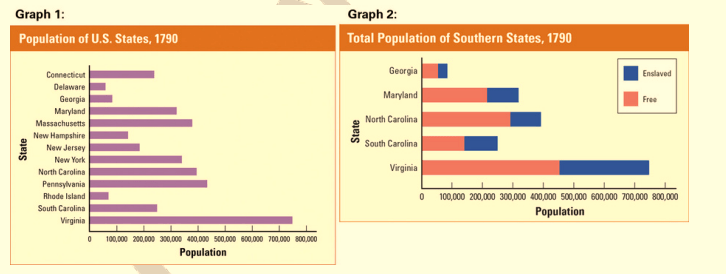
New York
200
1. What did federalists believe?
They supported the new constitution
300
4. Why is Shays’ Rebellion an important event in U.S. history?
It led to the Constitutional Convention
300
12. Following the American Revolution, what did Congress fear about a strong central government?
rights for which people fought would be lost
300
13. What was included in both the Virginia and New Jersey plan?
3 branches of government
300
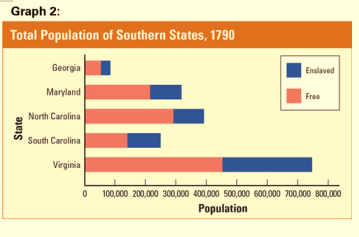 How would these states want enslaved people counted in Congress?
the same as any other person
300
7. Describe the federal system of government.
Power is shared by the national and state governments
400
16. What was the long-term effect of the Northwest Ordinance of 1787?
Territories eventually became states.
400
11. What land was affected by the Land Ordinance of 1785?
land bound by the Ohio and Mississippi rivers and the Great Lakes
400
14. What did the Great Compromise decide?
representation in Congress