Which is which
First Stop
Full Bars
Say More (or Less)
How do you find out
100
List three databases that exist OUTSIDE the library and that you probably searched in the last week. (Other than Google ...)
Amazon, Facebook, Keene State's website, airline websites, Netflix, and on and on ....
100
I need data charts on the number of people who use Facebook globally.
Statista
100
Name four common search limiters.
Publication date
Peer-reviewed
Publication type
Language
Document type
Subject
100
Create a search that combines two concepts.
concept B AND concept C
100
What are the library hours on Saturday?
Look on website homepage. Click on the hours listed in grey bar.
200
It's like the "Google for the Library"
Discovery/ Main search bar on the library website
200
I'm looking for information and critiques on Shel Silverstein and his works.
Gale Literature
200
What are the 3 Boolean operators? And what does each one do in my search?
AND = requires both/all terms (cat AND feline)
OR = requires either -or- term (cat OR dog)
NOT = eliminates sources with that term (NOT leopard)
200
"Help! My search for 'manatee' just produced 97,000 results."
List two open-ended questions that could help a student narrow their search.
Examples:
1) What do you want to learn about manatees?
2) What do you already know about manatees?
200
How many databases do you have for History?
Sort the Databases list by Subject: History
24
300
It is where to search for physical materials available in the Mason Library in a specific collection, like Children's Literature or Holocaust and Genocide Studies collection.
the "Classic Catalog"
300
A student is looking for information on "fracking" and says they need "both sides" of the argument. What database?
Opposing Viewpoints
300
command Google to give me only webpages from organizations/.org
site:org
300
Which of these will give me more quantity of results:
1. (heroin OR opiates) AND (addict* OR dependent) AND (mother OR womb OR gestation) AND (treatment OR therapy)
2. opiates AND (gestation OR womb)
2. opiates AND (gestation OR womb)
This will give more results because it requires less words to be included in the article. Any time you add more words with AND your results will be less.
If you don't get results, try using less words OR try searching with synonyms and OR
300
Do you have the Journal of Law & Education in full text?
Yes. Best way is to use Journal Search because it shows you the coverage. Discovery is also an option.
400
What database offers a REALLY AWESOME search visualization tool called "Topic Finder"? Hint: It's a good database to go to when students need to find a topic ;)
Gale in Context: Opposing Viewpoints
400
I'm looking for Clinical Trial research studies on female adolescents and ADHD.
PsycArticles provides peer-reviewed articles from journals published by the American Psychological Association (APA) and related organizations
PsycINFO is a broader database that provides abstracts and citations for a wider range of psychological literature, including journals, books, and dissertations
400
Explain the difference between searching in Google's search bar versus in a library database.
Google can handle natural language searching. Exp: "What poetry concepts are taught in elementary school?" Databases rely on keywords and boolean phrases.
Google is like a flea market - Databases are specialized department stores.
400
Clicking the "full-text" when searching in an Ebsco database means that I will not have access to...
articles that we have in other databases in full-text (like J-Stor)
400
Draw a picture of the icon that you can click on, in many databases to retrieve a citation for your source.
Double quotation mark (")
500
Which statement is true:
1) Academic Search Complete is an Ebsco database that has only peer-reviewed scholarly articles in it.
2) JStor is all full-text, all scholarly/academic sources (e.g. no magazines or newspaper articles).
2. JStor stands for Journal Storage and is one of the few databases that is 100% full-text and provides access to articles and pamphlets from academic publishers.
500
A student needs information about the history of the Vikings. Hint: Academic Search Complete doesn't cover this topic well.
JStor is great for Historical Topics!
America History & Life is just America and Canada. And Historical Abstracts starts at 1450, too late for Vikings.
500
Which of these two searches will result in the most relevant results for a student studying cats used in therapy? Which will result in the most number of hits?
Search 1:
Line 1: Cat OR Feline
Line 2: AND Therapy OR Yoga
Search 2:
Line 1: Cat
Line 2: OR Feline
Line 3: AND therapy OR yoga
The 1st search will result in the most relevant because it is combining the ideas. The 2nd search will result in the most number of hits because you are searching for any article with the word "cat" in it, not necessarily connected to the idea of therapy or yoga.
500
Write a comprehensive search for: "I am looking for information on the health effects of teenage addiction to smoking and vaping, other than cancer."
health
teen OR adolescent
smoking OR vaping
NOT cancer
500
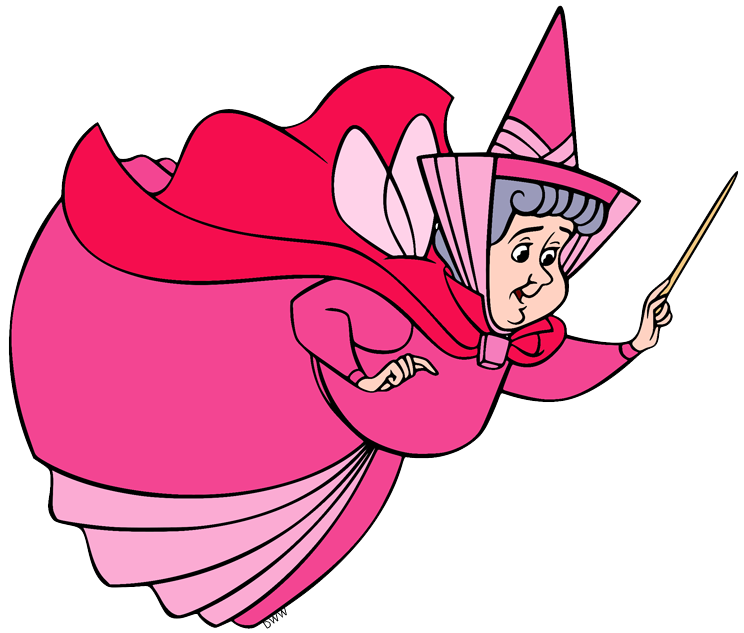
Every tutor and Center administrator has a cartoon character avatar that's been selected to represent them by their colleagues.
Who is Kate Tirabassi's character?
Fairy Godmother from Sleeping Beauty - Flora