Lab Skills
Biochemistry
Cells & Organelles
Photosynthesis & Respiration
Ecology
100
Basic unit of measurement we use for length.
mm or cm
100
Difference between organic and inorganic
Organic always contains carbon and usually hydrogen
Inorganic would contain no carbon
100
Name one difference between a plant cell and animal cell.
Answers vary
100
Describe the process of photosynthesis.
Plants take in CO2, H2O, and sunlight to create glucose and 02.
100
Identify the difference between a population and community.
Population is all the same organisms
Community is all the populations in an area
200
What is the length of this snail.
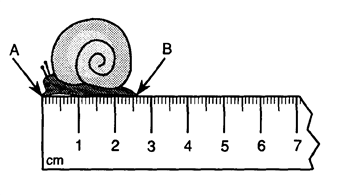
26 mm or 2.6 cm
200
List the 4 types of macromolecules
Carbs
Proteins
Lipids
Nucleic Acids
200
Identify each cell type and explain how you know.
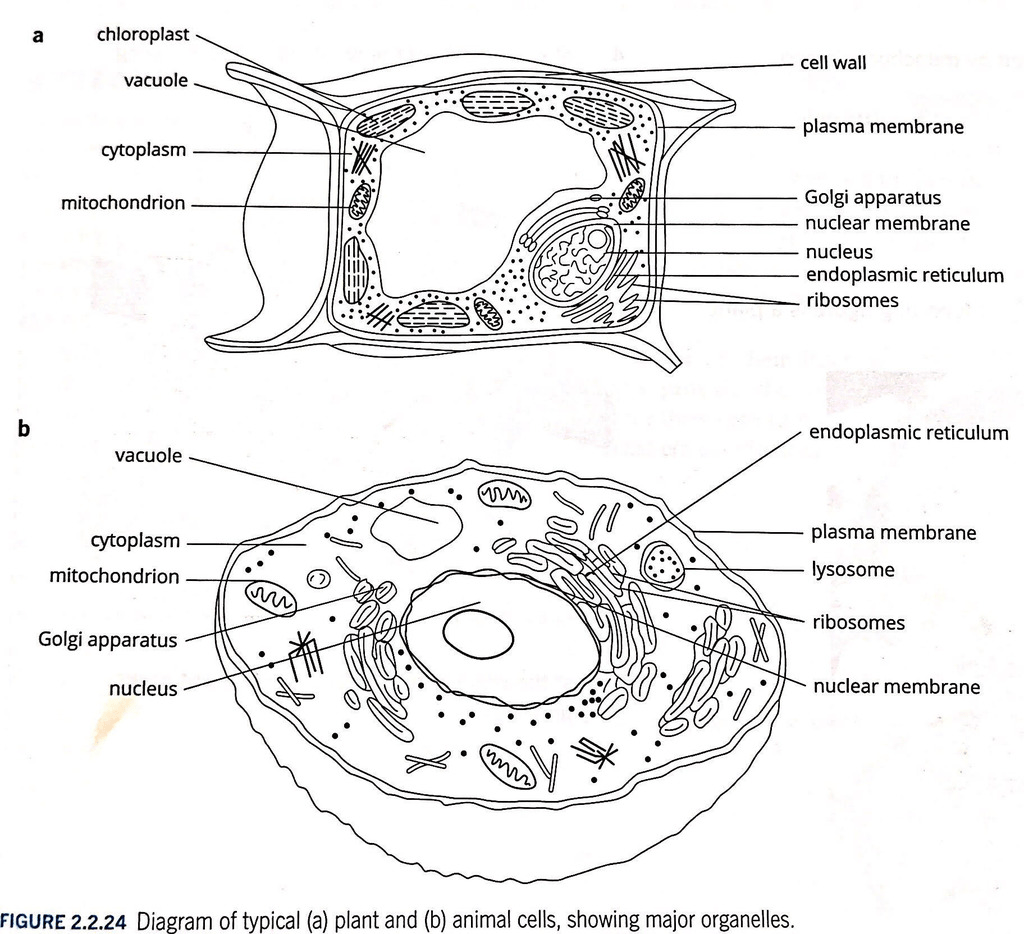
Top plant (has chloroplast and cell wall)
Bottom animal (rounder in shape; no chloroplast or cell wall)
200
Explain how cellular respiration is different from photosynthesis.
They are opposite reactions. Cellular respiration uses the outputs of photosynthesis and vice versa.
200
Describe the difference between biotic and abiotic and give me an example of 2 of them interacting together.
Biotic is living
Abiotic is nonliving
A fish taking in oxygen
A plant taking in carbon dioxide
300
Name each piece of glassware
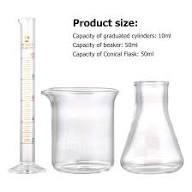
graduated cylinder, beaker, flask
300
Tell me the building blocks for each type of macromolecule.
Carbs - simple sugars (glucose)
Proteins - amino acids
Lipids - glycerol and fatty acids
Nucleic acids - nucleotides
300
Identify organelle B and describe it's function.
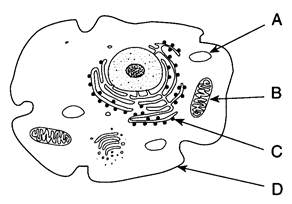
Mitochondria - powerhouse of the cell; carries out cellular respiration
300
Identify where in the cell each process takes place. (which organelle)
Chloroplast - photosynthesis
Mitochondria - respiration
300
Describe the difference between a food chain, food web, and energy pyramid
Food chain is a simple linear flow of relationships between just a few organisms, a food web shows the relationships of all the organisms in the ecosystem and an energy pyramid shows the flow of energy from bottom to top.
400
Tell me the volume of each graduated cylinder
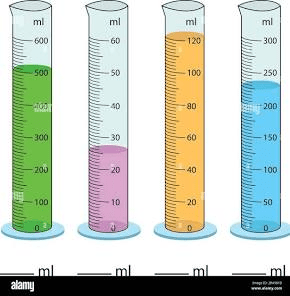
500 mL, 25 mL, 120 mL, 225 mL
400
What percent of the human body is composed of inorganic material?
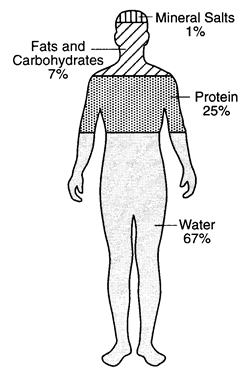
68%
400
Choose 2 organelles and identify each and explain how they work together. 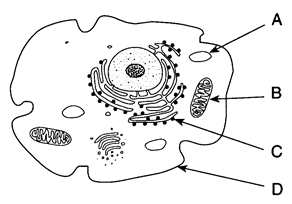
A - vacuole
B - mitochondria
C - ribosome
D - cell membrane
Answers will vary
400
Use the letters to tell me the formula for photosynthesis.
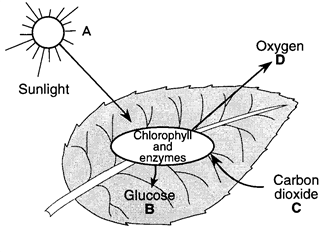
A + C --> B + D
400
Identify one of each:
Producer, primary consumer, secondary consumer, tertiary consumer.
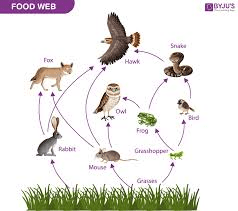
Producer: grasses
PC: grasshopper, mouse, rabbit
SC: owl, frog, bird, fox
TC: Hawk, snake
500
Name the parts of the microscope
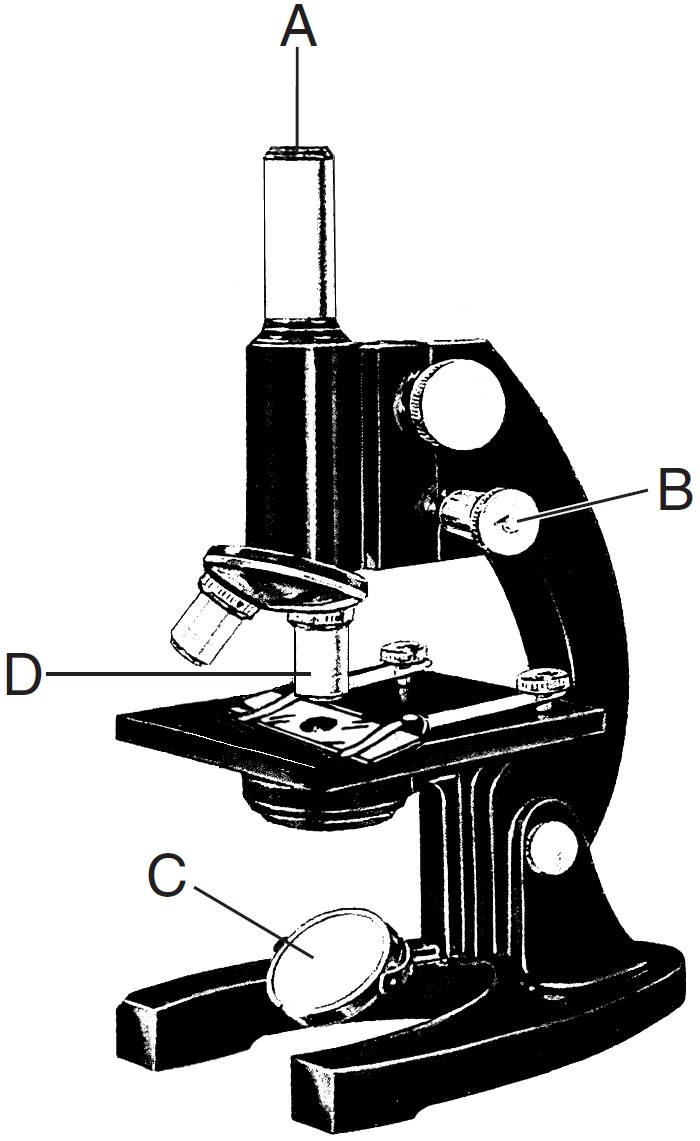
A - ocular lens
B - Fine adjustment
C - Mirror/Light Source
D - Objective lens
500
***Secret Question*** Experiment Design
Explain what is meant by a controlled experiment and list the steps of the scientific method.
Only one variable tested at a time to ensure validity. IV is the one changed and DV is what you measure. Control group is the normal group.
make an observation --> develop a hypothesis --> create an experiment --> conduct experiment and gather data --> analyze results --> state a conclusion --> repeat
500
Explain the difference between active and passive transport. Tell me what would happen when you place this cell in a salty solution and why. 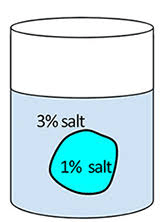
Passive transport - no energy; goes h-->l
Active transport - energy required; goes l-->h
If placed in a salty solution the cell would lose water causing it to shrivel up.
500
Describe the trend you see in the graph. List 2 other factors that can affect the rate of photosynthesis. 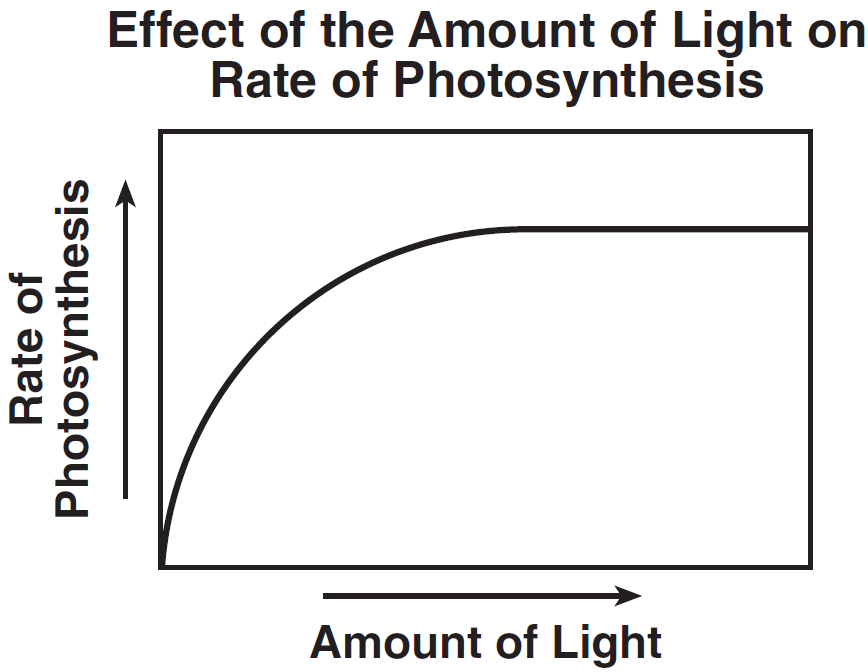
As amount of light increase the rate of photosynthesis increase and then levels off.
Amount of CO2, Amount of water, chlorophyll
500
Explain how 2 other organisms in this energy pyramid would be affected if the bunny population increased drastically.
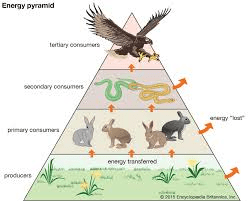
Answers vary: should talk about producers, secondary consumers, or competition between other primary consumers.