Plant Structures and Functions
Plant Adaptations
Animal Structures and Functions
Animal Adaptations
Senses and Information Processing
100
A body or plant part.
What is a structure?
100
Cacti have this thick layer to retain water in the dry heat of the desert.
What is a waxy coating?
100
An animal eats some grass. This structure helps the animal digest the grass.
What is the stomach?
100
This is an adaptation that helps an animal blend in with its environment, to catch prey or hide from predators.
What is camouflage?
100
A change in the environment.
What is a stimulus?
200
What something does, or its job.
What is a function?
200
Plants in the rainforest often grow this very large, broad, pointed-tip structure to catch as much sunlight as possible and let excess water run off.

What are large, pointed leaves?
200
A white-tail deer runs from a predator and takes deep breathes. This structure helps the deer breathe and receive oxygen from the air.
What are lungs?
200
This is a behavioral adaptation where an animal sleeps for several weeks or months at a time during the winter.
What is hibernation?
200
How an animal reacts.
What is a response?
300
This structure collects water and nutrients from the soil.
What are roots?
300
Cacti have these to protect the plant from predators who may want to eat it.
What are spines?
300
This structure pulls on bones to make movement happen.
What are muscles?
300
This kind of adaptation comes from an animals memories or experiences, and affects how an animal decides to respond to stimuli.
What is learned behavior?
300
Automatic behaviors that do not need to be learned.
What is an instinct?
400
This structure is responsible for attracting pollinators and producing seeds for reproduction.
What is the flower?
400
Some plants have this taste to their leaves to prevent predators from eating it.
What are bitter-tasting leaves?
400
This structure absorbs more nutrients from food that the stomach did not.
What are intestines?
400
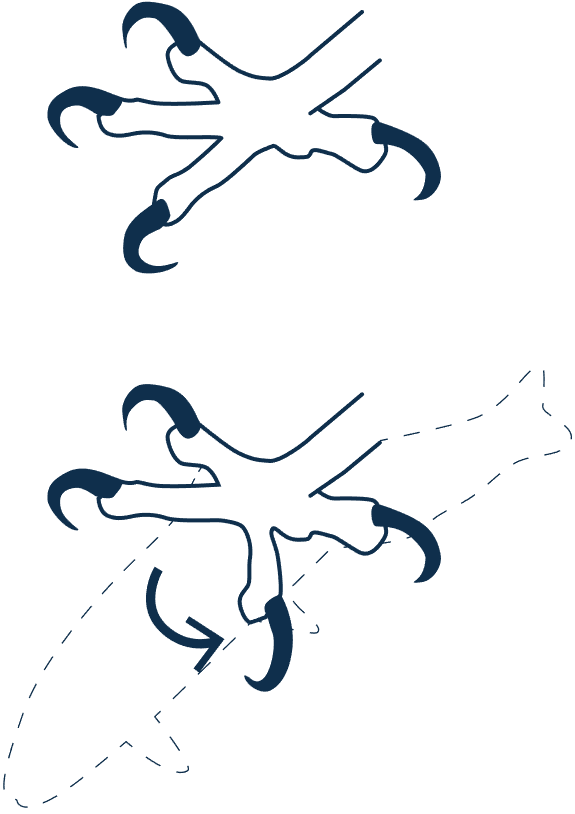
Birds that are carnivores have feet adapted for catching and holding prey. This type of claw helps meat-eating birds catch prey.
What are hooked claws?
400
A bear smells food from a camper's cooler. The bear remembers coolers having food in them before. The bear goes to the cooler and knocks it over, remembering how to open it like it had before. The bear is using its sense of _____, then its brain used its _______ to respond to the stimulus.
Smell, memory/experience
500
This is the process in which a plant turns water, air, sunlight (energy), and nutrients into food.
What is photosynthesis?
500
This is an adaptation of a plants' seeds that make the seeds very easy to spread, even in a gust of wind.
What are tiny, tiny seeds?
500
This structure is responsible for receiving and processing information.
What is the brain?
500
Many animals, like bats, use echolocation to move around or hunt for prey. Echolocation is an adaptation that relies on this sense.
What is hearing?
500
Two students are conducting an experiment. One student eats a piece of candy with her nose plugged. The other student eats the same piece of candy with his nose open. The first student could not taste the piece of candy, but the second student could taste it. This tells them that these two senses are closely related.
What is taste and smell?