1-800-OMAR
OB-GYN & Tonic
Lost in the Anterior Triangle
Stool Intentions
50 Shades of Erythema
100
Eating inadequately refrigerated fish such as mackerel & Mahi Mahi can lead to this toxidrome.
Scombroid poisoning / histamine toxicity
100
This condition usually presents with dysmenorrhea, dyspareunia, dyschezia, & dysuria, and rarely with catamenial hemoptysis.
Endometriosis
100
In Brown-Séquard syndrome, these functions are affected on the contralateral side of the hemisected spinal cord
loss of pain & temperature sensation
(ipsilateral loss of motor function, proprioception, & vibratory sensation)
100
This emergent surgical condition in pediatrics is best diagnosed by corkscrew sign on upper GI series & requires the Ladd procedure for definitive management.
Midgut volvulus
(bowel fails to rotate counterclockwise during embryonic development)
100
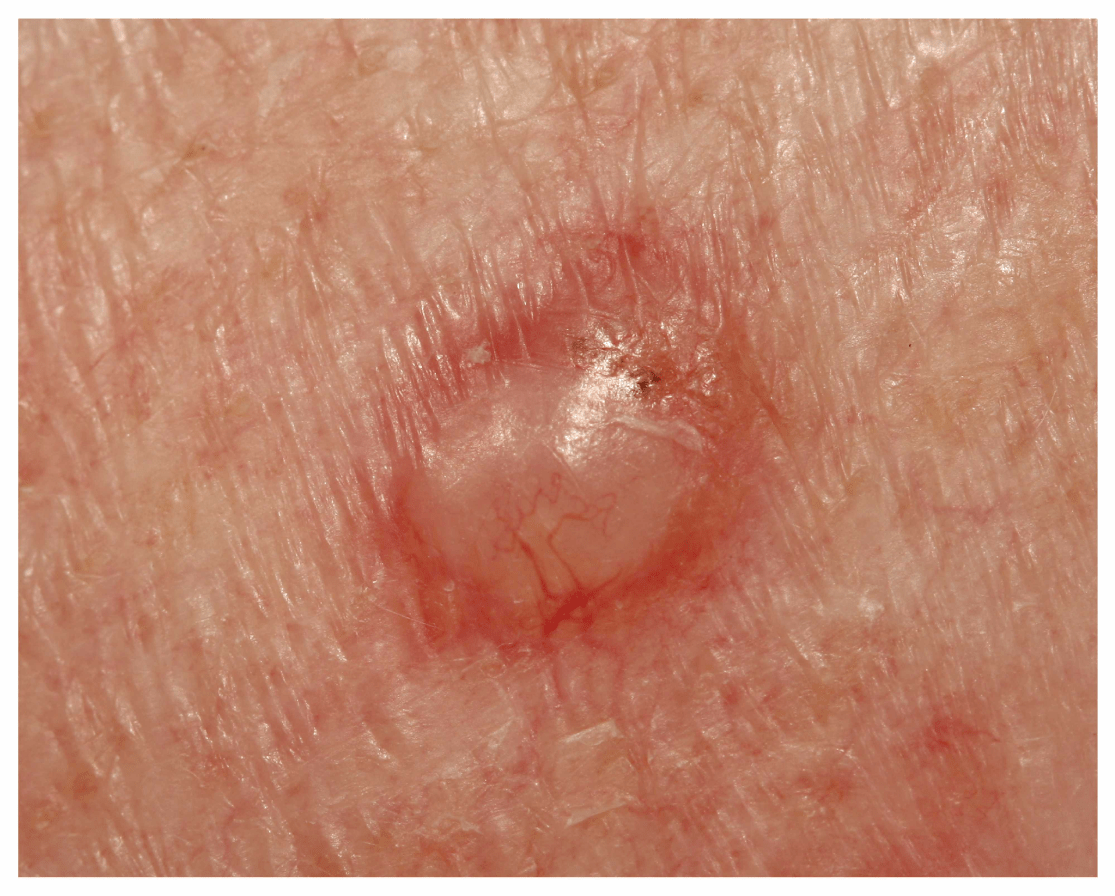
This diagnosis may also appear as a slightly scaly plaque on the trunk.
Basal cell (most common type of skin CA)
200
Opsiclonus is highly specific for this hyperthermic toxidrome.
Serotonin Syndrome
200
This is the 1st-line treatment for vaginitis with copious frothy green vaginal discharge, inflamed vaginal walls, & cervix with punctate hemorrhages.
Metronidazole
(trichomonas vaginalis)
200
This is the most common zone for penetrating neck injuries, but also has the best prognosis due to its accessibility.
Zone 2 (cricoid cartilage to mandible)
200
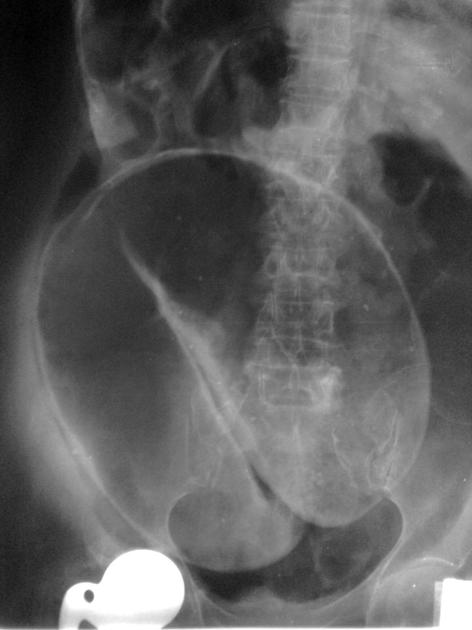
This treatment is indicated for an elderly person presenting with the triad of abdominal pain, distention, & constipation.
Flexible sigmoidoscopy
(sigmoid volvulus)
200
The most common bullous autoimmune disease, seen in older patients (formed by autoantibodies to basement membrane proteins)
Bullous pemphigoid w/ (-)Nikolsky
[contrast with Pemphigus vulgaris: +Nikolsky blisters caused by IgG autoantibodies to desmosomes]
300
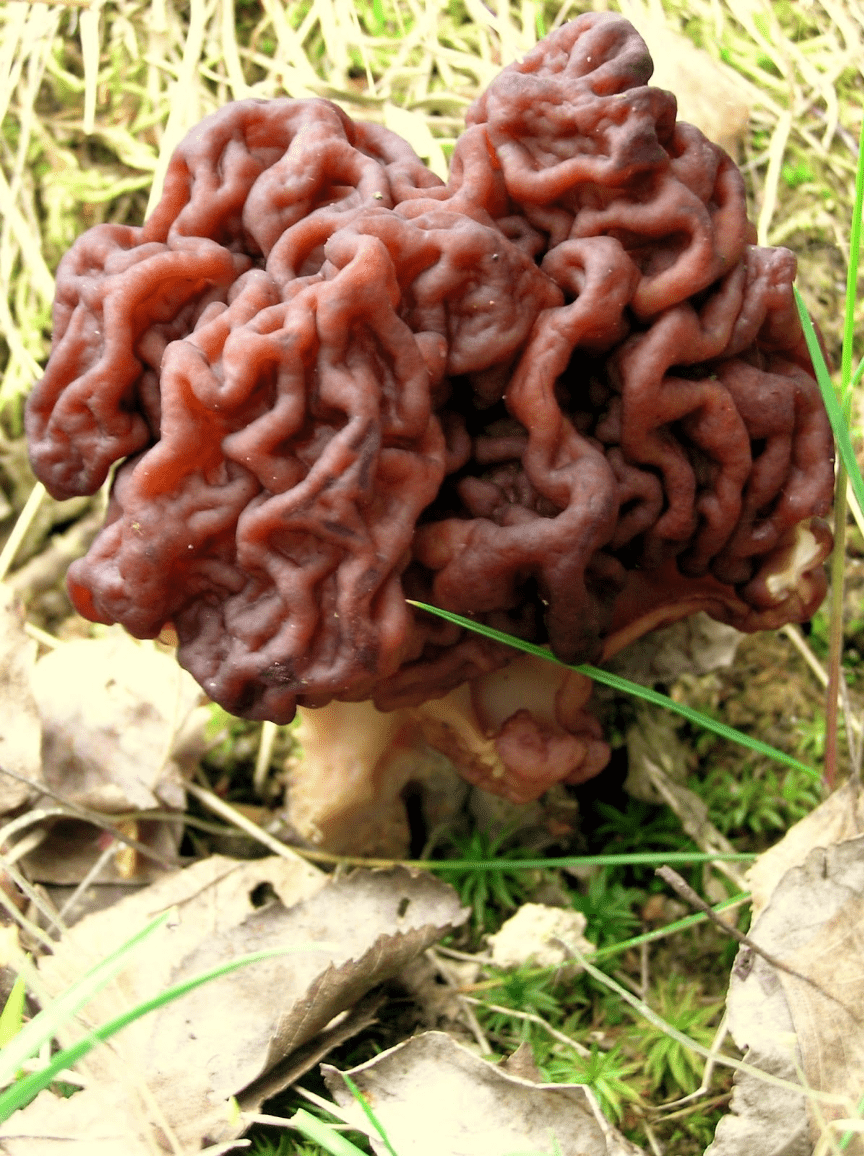
A man comes in with seizures after eating what he believed to be a true morel mushroom requires benzos and this antidote.
Pyridoxine (B6)
300
The greatest risk factor for an ectopic pregnancy.
Hx of PID
300
Patients with this traumatic condition present with decreased strength (and to a lesser degree, decreased pain & temperature sensation) affecting the upper extremities more than the lower extremities
Central Cord Syndrome
(usually hyperextension mechanism)
300
Preferred treatment for Clostridioides difficile infection.
Oral fidaxomicin or vancomycin
(fidaxomicin has slight advantage in reducing recurrence)
300
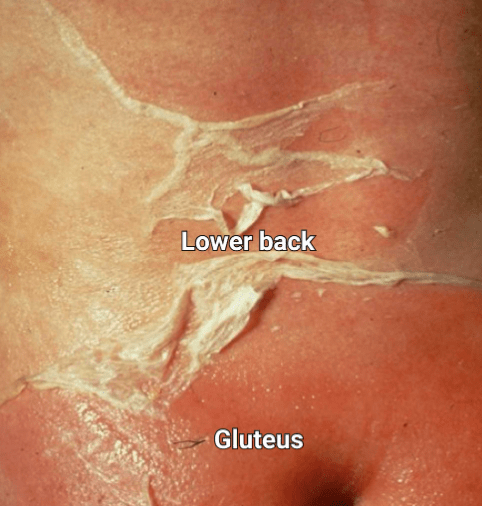
This presents acutely in young children, usually within 2 days & without oral mucosal involvement or shock.
Staphylococcal scalded skin syndrome
(Ritter disease)
400
This treatment can help a glass etcher presenting with acute chemical burns.
Calcium gluconate
(gel &/or intra-arterial)
400
An acceptable empiric IV abx regimen for tubo-ovarian abscess.
cefotetan/cefoxitin + doxycycline or CTX/doxy/Flagyl
(alt: Clinda/gent or Unasyn/Doxy)
Polymicrobial infection!
400
This test is essential for diagnosis of the autoimmune disease that presents with acute, symmetric, ascending paralysis with decreased/absent DTRs.
Lumbar Puncture
for Guillain-Barré syndrome
(albuminocytologic dissociation = elevated CSF protein & normal/mild pleocytosis)
400
An elderly patient with Pmhx CAD & A-fib p/w with severe abdominal pain but minimal tenderness, prompting you to order this imaging study.
CTA
(for mesenteric ischemia)
400
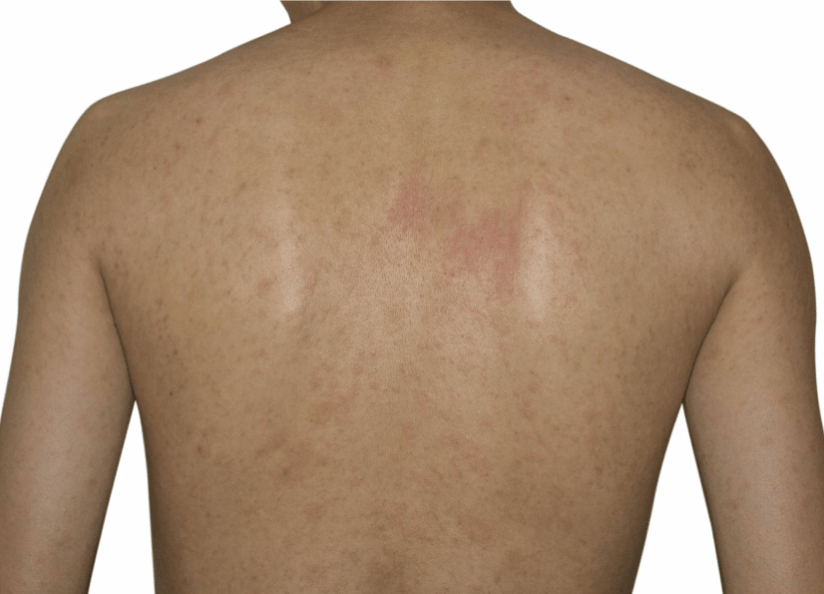
This pruritic papulosquamous rash often starts on one area of the trunk, then spreads outwardly over a few days before self-resolving over about a month.
Pityriasis rosea
(herald patch > centrifugal spread in a Christmas tree or fir tree distribution)
500

This baby develops encephalopathy, prompting sequential treatment with these 2 parenteral agents.
dimercaprol + CaNa2EDTA
(succimer is oral, for milder cases)
500
This is the first maneuver/position that should be attempted when shoulder dystocia is recognized during delivery.
McRoberts (maternal hip hyperflexion)
then suprapubic pressure
500
This condition presents with descending paralysis starting with cranial nerves without any sensory loss or pain and is reportable to the Health Department.
Botulism
500
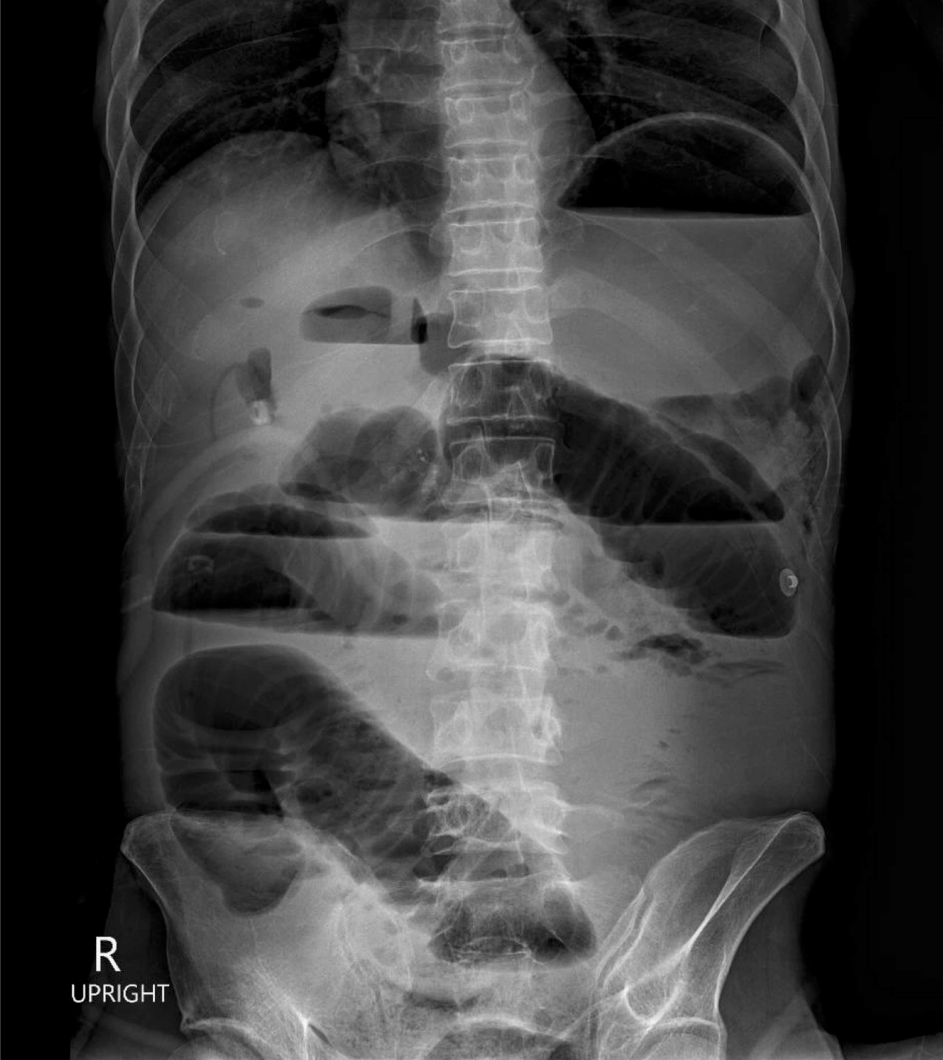
The most common etiology of the suspected diagnosis on this XR
Adhesions from previous surgeries
(>90% of SBOs result from adhesions, neoplasms, & hernias)
rare causes include radiation-induced strictures, IBD, gallstone ileus, intussusception, volvulus, foreign bodies, & congenital abnormalities)
500

This clinical Dx presents with GI symptoms, joint pain, rash without oral involvement. Platelet count is WNL.
IgA vasculitis
(formerly known as Henoch-Schönlein purpura)
Complications include arthritis, bowel ischemia, intussusception, nephrotic syndrome