A-C
C-F
G-I
I-R
R-Z Category
100
Author's build characterization by describing how characters: (there are 4)
- Speak
- Act
- Feel
- Experience Relationships
100
Texts that have facts that can be proven. Examples include biographies, news articles etc.
Nonfiction
100
A made up story.
Fiction
100
A feeling or emotional state that a piece of literature creates in the reader such as comedic, suspenseful, tragic, joyous, etc.
Mood
100
NAME THAT TEXT: Examples include
The Diary of Anne Frank - Anne Frank
A Midsummer Night's Dreams - William Shakespeare
Romeo and Juliet - William Shakespeare
Drama
200
Literary device that conveys certain ideas by saying just the opposite
Irony
200
NAME THAT FIGURATIVE LANGUAGE: "As American as apple pie"
Simile
200
NAME THAT FIGURATIVE ELEMENT: "Cameron's house is like a museum. It's very cold, and very beautiful, and you're not allowed to touch anything."
(Matthew Broderick as Ferris in Ferris Bueller's Day Off, 1986)
Analogy
200
When an author appeals to the 5 senses to describe something in a story to let the reader imagine and create an image.
Sensory Imagery
200
NAME THAT FIGURATIVE LANGUAGE: Love is a battlefield
Metaphor
300
Which type of irony?
Girl in a horror film hides in a closet where the killer just went (the audience knows the killer is there, but she does not).
Dramatic Irony
300
The type of irony where an author uses words that say one thing but the truth is the opposite (sarcasm)
Verbal Irony
300
NAME THAT LITERARY DEVICE: "Peter Piper picked a peck of pickled peppers"
Alliteration
300
NAME THAT LITERARY DEVICE: Flush, crackle, smack, bang, singing, ringing
Onomatopoeia
300
NAME THE LITERARY TERM: The way an author conveys his/her attitude about particular characters and subject matter. In poetry, it is called “voice.” It is the feeling the author brings to the piece or the attitude the author takes (towards the subject, audience, or character[s].
Tone
400
The use of one thing to represent another
Symbolism
400
A round character who changes or evolves over the course of the story.
Dynamic Character
400
NAME THAT LITERARY TERM: The moral of the tale of the tortoise and the hare is that, "Slow and steady wins the race."
Theme
400
NAME THE LITERARY TERM: 'Pink is what red looks like when it kicks off its shoes and lets its hair down. …Pink is as laid back as beige, but while beige is dull and bland, pink is laid back with attitude.'
Personification
400
A flat character who does not change or alter his personality over the course of a story.
Static Character
500
Name this Literary Device
Me, I'm out that Bed-Stuy,home of that boy Biggie
Now I live on Billboard
and I brought my boys with me
Say whaddup to Ty-Ty,
still sippin' Mai Tai's
Sittn' courtside, Knicks and Nets give me high five
Allusion
500
NAME THE LITERARY TERM: In many medieval literature pieces, a raven, a wolf, eagle or vulture appear and because these creatures scavenge bodies of fallen warriors, they allow the reader to predict a battle is about to begin.
Foreshadowing
500
The difference between poetry and prose.
Poetry : Verse written to inspire thoughts and feelings usually using rhyme and rhythm
Prose: Writing organized into sentences and paragraphs.
500
What is this an example of? 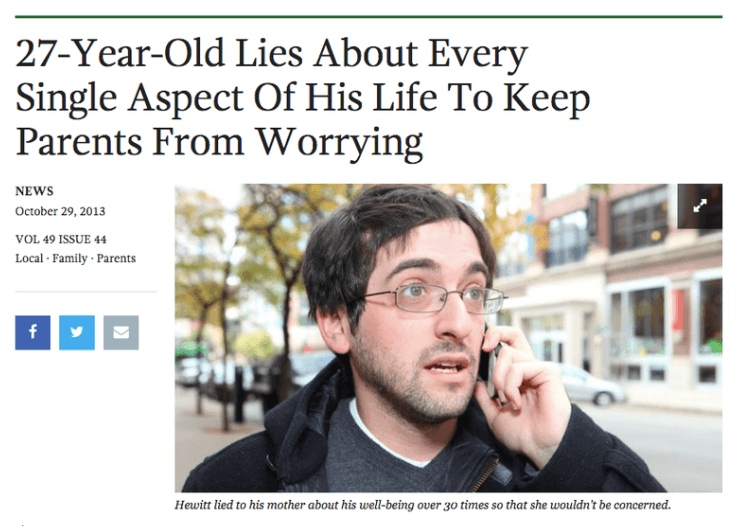
Satire
500
NAME THAT TYPE OF IRONY:
A fire station burns down.
A marriage counselor files for divorce.
Situational Irony