Octopus
Positive Psychology Exercises
Cognitive Distortions
General Coping Skills
Attribution Theory
100
What is the plural of Octopus?
Octopuses
100
Acts of Kindness
What it is: Intentionally doing kind acts for others (e.g., complimenting someone, helping a neighbor).
Why are preforming acts of kindness good for mental health?
Why it helps: Builds social connections and fosters positive emotions.
100
Fortune Telling or Future Tripping?
Fortune Telling - Assuming you know something bad will happen before it does.
100
Why is exercise an effective coping skill?
Forces you to take space to regulate your emotions behavior tackling problems
Releases endorphins which calm the body, maintain positive mood,
Helps with self-esteem
Prevents illness a disease later in life
100
Attribution: Is Jamie just overly emotional, or is something about weddings causing this?
Scenario: Jamie cries at a wedding.
Consensus: High → Several guests are crying during the vows.
Distinctiveness: High → Jamie rarely cries in other situations.
Consistency: High → Jamie tears up at weddings every time.
Answer: External (the wedding / emotional ceremony).
200
How many limbs does an octopus have?
An octopus does have eight limbs. But technically, they're known as arms, not tentacles.
Some scientists refer to octopuses not having eight legs, but six “arms” and two “legs,”
200
Gratitude (Often via Journaling)
What it is: Writing down things you're thankful for each day.
Why is practicing gratitude important for mental health?
Why it helps: Increases mindfulness/self-awareness, appreciation and shifts focus away from negative thoughts.
200
What are “Should” Statements?
Telling yourself things must be a certain way and feeling bad when they aren't.
200
Name two healthy coping skills and two unhealthy coping skills (defense mechanisms).
Healthy: Seeking to respond not react
deep breathing/grounding, talking problem out, journaling, exercise/sleep hygiene, therapy, medication, practice naming feelings, practice assertive communication and boundary setting
Unhealthy: Often comes with Cognitive Distortions
Denial, minimizing, mind reading, labeling, deflecting, aggressive communication (threats, hostility, acting out revenge)
200
Attribution: Was it the specific waiter or was it Riley?
Scenario: Riley snaps at a waiter during dinner.
Consensus: Low → No one else is upset with the waiter.
Distinctiveness: Low → Riley often snaps at customer service workers.
Consistency: High → Riley reacts this way frequently.
Answer: Internal (Riley’s temperament / irritability).
300
What can the mimicking octopus mimic?
Fish, Coral, Sand, Rocks, patterns such as stripes or spots, and other animals.
300
Three Good Things
What it is: At the end of each day, write down (or tell someone/yourself) three things that went well and why.
What does this exercise helps with?
Encourages reflection on positive experiences and builds optimism, self-esteem and gratitude
300
Thinking everything is either perfect or a total failure, with no in-between is called this
All or Nothing or Black and White thinking
Understanding OCD:
300
This is the specific person, place, or thing that may cause your symptoms of mental health issues to increase.
Trigger
300
Attribution: Is Jordan just an anxious person overall?
Scenario: Jordan freezes during a public speaking event.
Consensus: High → Several presenters seem visibly nervous.
Distinctiveness: High → Jordan is confident in small groups.
Consistency: High → Jordan always gets nervous during large presentations.
Answer: External (large public speaking situations trigger anxiety).
400
What is this?
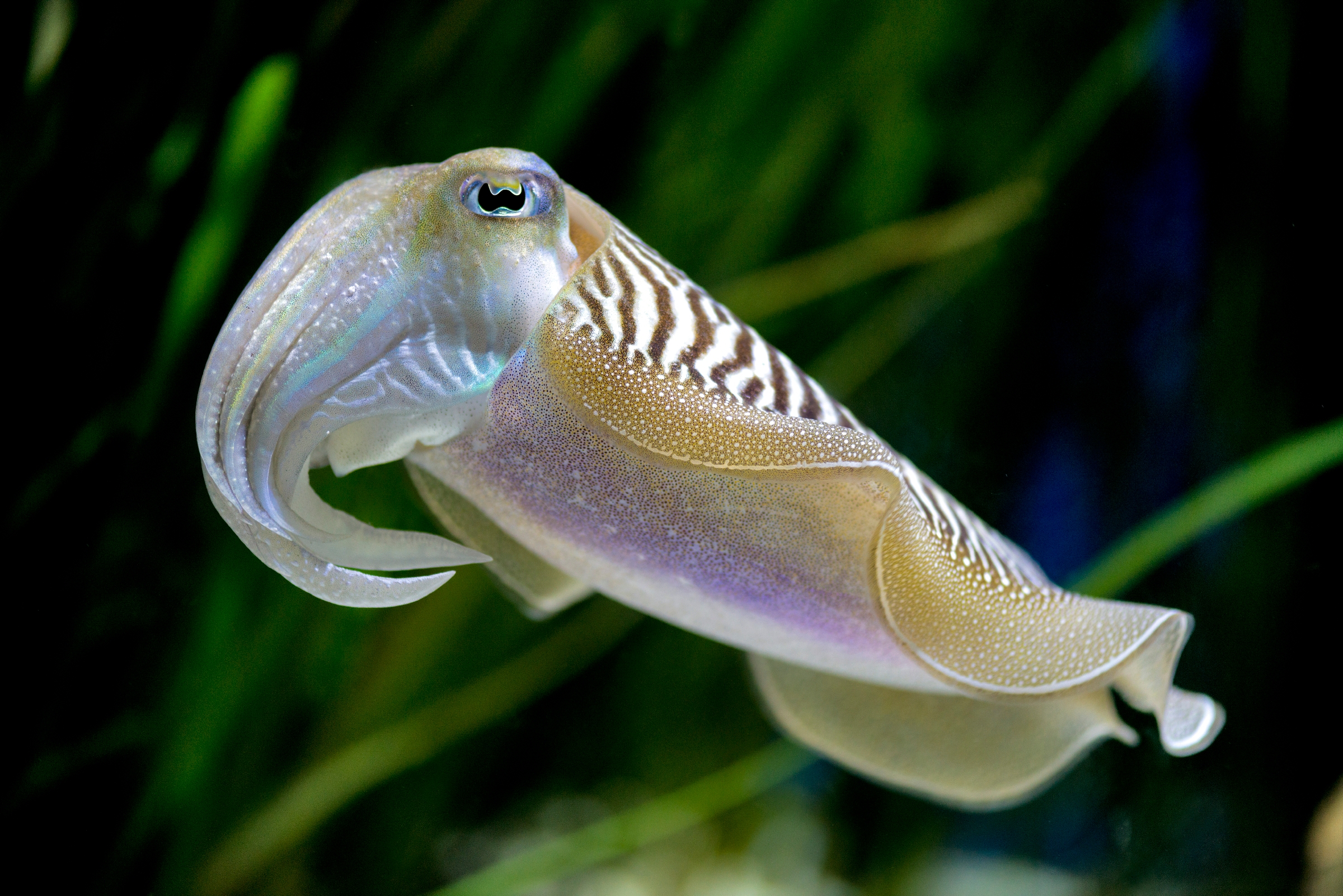
400
Mindfulness Meditation
What it is: Practicing awareness of the present moment without judgment.
How does meditation help with mental health?
Why it helps: Reduces stress and increases emotional regulation, gives more access to controlling our body
400
What is Emotional Reasoning?
Emotional Reasoning - Believing something must be true just because you feel it.
400
This is the practice of being present in the moment while calmly acknowledging one's thoughts and feelings.
What is mindfulness/self-awareness
400
Attribution: Why is Maria falling asleep?
Scenario: Maria falls asleep during an important work presentation.
Consensus: Low → No one else is falling asleep.
Distinctiveness: High → Maria has never fallen asleep during other meetings.
Consistency: Low → This is the first time it has happened.
External/Circumstantial (Maybe Maria didn’t sleep well last night or is unwell today).
500
Do you think most they have long life spans or short lifespans?
The average octopus has a short lifespan, usually 1 to 2 years, though it varies by species, with some smaller ones living less than a year and larger ones like the Giant Pacific Octopus living 3-5 years
500
Positive Relationships
What it is: Investing time in building and strengthening supportive relationships.
Why it helps: Social support is one of the strongest predictors of happiness.
Everyone on your team must answer:
1. How are you developing positive relationships?
2. Are you meeting new people or possibly spending less time with certain people?
500
Blaming yourself for things outside your control—or taking things personally is called?
500
Name two factors that contribute to your ability to manage stress.
Quality of relationships
Your outlook on life
Emotional intelligence
Genetics/ brain chemistry
500
Attribution: Is it the job causing the lateness, or is this a pattern?
Scenario: Taylor is late to work every day this week.
Consensus: Low → Other coworkers arrive on time.
Distinctiveness: Low → Taylor is late to social events and appointments too.
Consistency: High → This happens regularly.
Answer: Internal (Taylor’s habits / time management).