Reactions & Catalysts
Chemistry in Everyday life
Metals, Nonmetals, and Misc.
Periodic Table & Chemical Properties
Combine the Elements
100
A substance that speeds up a chemical reaction is called a:
A. Fat
B. Catalyst
C. Base
D. Protein
Catalyst
100
A process of burning that releases large amounts of heat is:
A. Vulcanization
B. Combustion
C. Polymerization
D. Hydration
Combustion
100
Which of the following is a characteristic of metals?
A. Brittle, dull, poor conductors
B. Shiny, malleable, good conductors of electricity
C. Gaseous at room temperature
D. Always radioactive
Shiny, malleable, good conductors of electricity
100
The elements in the first column of the periodic table are:
A. Noble gases
B. Alkali metals
C. Transition metals
D. Hydrates
Alkali metals
100
H₂ + O →
H₂O
200
A reaction in which the products have a higher temperature than the reactants is:
A. Endothermic
B. Exothermic
C. Acidic
D. Catalyzed
Exothermic
200
A natural polymer found in plants is:
A. Cellulose
B. Latex
C. Petroleum
D. Salt
Cellulose
200
Which of the following is a characteristic of nonmetals?
A. Shiny and malleable
B. Good conductors of heat
C. Dull and brittle
D. Always magnetic
Dull and brittle
200
The elements in the center of the periodic table are:
A. Alkali metals
B. Transition metals
C. Noble gases
D. Alkali earth metals
Transition metals
200
C + O₂ →
CO₂
300
A reaction in which the products have a lower temperature than the reactants is:
A. Exothermic
B. Endothermic
C. Basic
D. Enzymatic
Endothermic
300
A long flexible chain of molecules is a:
A. Polymer
B. Base
C. Catalyst
D. Salt
Polymer
300
Which statement best describes a chemical reaction in a typical classroom experiment?
A. Atoms disappear and new ones form
B. Atoms rearrange to form new substances
C. Molecules melt into atoms
D. Energy is never involved
Atoms rearrange to form new substances
300
Temperature increases the __________ of a chemical reaction.
A. Reaction rate
B. Atomic mass
C. Proton count
D. Density
Reaction rate
300
Na + Cl → _
NaCl
400
A catalyst that increases the rate of digestion is a(n):
A. Enzyme
B. Salt
C. Carbohydrate
D. Fat
Enzyme
400
The process that makes rubber strong and flexible is:
A. Combustion
B. Vulcanization
C. Polymerization
D. Hydration
Vulcanization
400
Draw a picture of a food chain on the board
(not a food web or food pyramid)
Grass - Grasshopper- Frog- Snake- Hawk
400
Which bond forms from sharing electrons?
Covalent
400
Mg + O →
MgO
500
When an acid and a base combine, they form a(n):
A. Protein
B. Salt
C. Catalyst
D. Carbohydrate
Salt
500
What synthetic rubber is made from:
A. Petroleum
B. Latex
C. Cellulose
D. Combustion
Petroleum
500
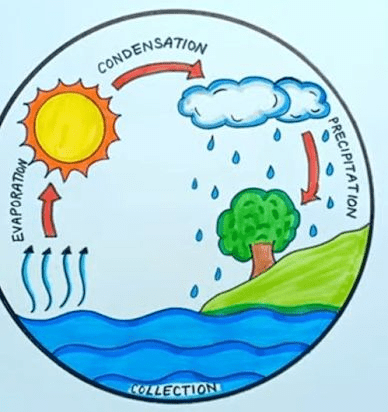
Draw a picture of the water cycle on the board. Label evaporation, condensation and precipation
500
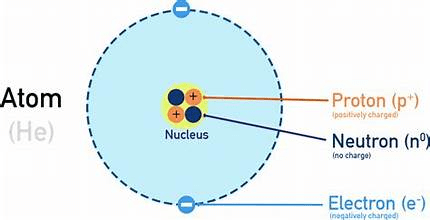
Draw a model of one atom of the element helium. Remember to draw the correct number of protons and neutrons in the nucleus. Then draw the electron energy fields and how many electrons are in those fields. Here is the information you need in order to do that.
Key Facts About Helium:
Atomic Number: 2
Symbol: He
Atomic Mass: 4.00260 u
Electron Configuration: 1s2
500
Al + Al →
Al₂