Screening & DX
Bundles
Assess & Treat
OB Considerations
Discharge Education
100
The definition of maternal sepsis.
What is a life-threatening condition defined as organ dysfunction resulting from infection during pregnancy, childbirth, post-abortion, or postpartum period.
*HFH Policy
100
Prior to the start of antibiotic on a suspected sepsis patient what lab test should be performed?
What is Blood Cultures?
*From CMQCC
100
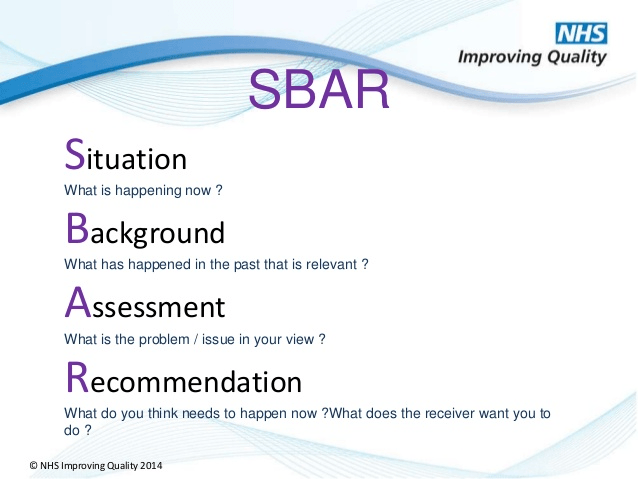
Communication tool to convey pertinent information to the team.
What is SBAR?
100
Leading causes of maternal sepsis in the antepartum period.
What is septic Ab, Chorioamnionitis/intraamniotic infection, pneumonia/influenza, pyelonephritis, appendicitis?
CMQCC
100
Leading cause of sepsispPost discharge from the hospital.
What is Pneumonia/influenza, pyelonephritis, wound infection, mastitis, cholecystitis?
CMQCC
200
General warning signs of sepsis
What is profound fatigue, dizziness, fever/chills, SOB, chest pain, increased or unusual abdominal pain, Redness/puss like drainage from the incision site, foul smelling discharge, decreased milk supply or feeling of impending doom (I think I might Die)?
200
Using the Sepsis order set; Antibiotics should be administered within what time frame of maternal sepsis diagnosis?
What is 1 hour?
*From HFH policy - Clinical team will discuss and initiate IVF bolus and antibiotics per clinical situation. Antibiotics and IVF bolus are recommended to be initiated within 1 hour of positive sepsis screening.
200
·Acute respiratory failure as evidenced by acute need for invasive or non-invasive mechanical ventilation, OR
·PaO2/FiO2 < 300
·Persistent hypotension after fluid administration:
-SBP < 85 mm Hg, OR MAP < 65 mm Hg, OR
o> 40 mm Hg decrease in SBP
-UO < 0.5mL/kg/hour (for 2 hours)
-Agitation, confusion, unresponsiveess
What is criteria for end organ injury?
*CMQCC
200
Criteria you may consider for transferring a patient to a higher level of care.
What is hypotension (MAP <65 mmHG) despite fluid resuscitation, need for vasopressors, persistent hypoxia (SpO2 <92% on room air), altered mental status?
*CMQCC
200
Survivors of Sepsis may have long term life impacts. These may include.
What are nightmares, panic attacks, overall weakness, muscle & joint pain, difficulty concentrating, PTSD, Depression and anxiety?
300
The diagnosis of sepsis in pregnancy may be difficult d/t which physiological changes during pregnancy?
What are increased HR, decreased BP, increased WBC, increased lactic acid levels in labor.
Singer (2016)
*This is why MCH has their own sepsis criteria. When the MCH sepsis criteria are met, please pay close attention to next steps and so many deaths r/t sepsis are preventable by early detection and treatment.
300
The maternal sepsis screening assessment is found in ____________ flowsheet(s) in Epic.
What is the OB Triage/Labor and the OB PCS Body System flowsheets?
300
IV fluids should be increased at what rate for patient suspected of having sepsis.
What is 30ml/kg within 3 hours of diagnosis?
*CMQCC and HFH policy
300
Name at lease 3 signs of acute end organ dysfunction.
- Lactic acid > 2mmol/L
- Serum creatinine > 1.2mg/dl
- Platelet count < 100,000
- Bilirubin > 2mg/dl
- INR > 1.5mg or PTT> 60 without medication
- Urine output < 0.5ml/kg/hr for 2 consecutive hours
- Systolic Blood pressure decreased > 40mmHg from baseline
- Systolic blood pressure < 85mmHg or mean arterial pressure <65mmHg
- Increased Oxygen to maintain Saturation > 93%
- *HFH policy
300
Postpartum Depression, Anxiety and PTSD are major complications of sepsis survivors. These are some of the things we can do for these patients upon discharge?
What is perform a comprehensive PPD screen prior to discharge, debrief with your patient about what happened, POST referral, support groups, review with them the postpartum warnings signs that is in the discharge booklets, and notify the provider.
400
- Temperature ≥38°C (100.4°F) or < 36°C (96.8°F)
- Pulse > 110 beats/min
- Respiratory Rate >24 breaths/min
- White Blood Cell (WBC) Count < 4,000 cells/ul or >15,000 cells/ul or Bands > 10%
What is Systemic Inflammatory Response Syndrome (SIRS)?
*From HFH policy
400
In the policy, if the patient has a suspected or confirmed infection identified in section I
AND
2 variables are present in Section II, the Suspected Sepsis BPA will fire and the nurse should _______ __________.
What is initiate the nurse driven sepsis protocol and complete severe sepsis screening in Section III.
*From HFH policy
400
A laboring patient's vital signs are 84/42, map of 60, HR of 126, temp 100.4. You suspect sepsis. An order is written for fluid resuscitation. Her Weight is 225 lbs. (102 kg). Based on protocol and your assessment how much fluid should this patient receive?
What is 3060 ml of cytstalliod fluid? (LR or normal saline)
30ml/kg
*HFH policy and CMQCC
400
The expected normal lactic acid value of a non-laboring, non-pregnant patient.
What is <2 mmol/L?
Labor can be associated with high levels of lactic acid in the absence of serious infection likely due to anaerobic metabolism during prolonged physical exertion.
400
List at least 3 other times to complete maternal sepsis screening.
- Every 12 hours
- While in active labor and/or with rupture of membranes complete every 2 hours
- On transfer from one unit to another
- Within 2 hours of discharge
- With worsening condition
- *HFH guidelines
500
- Persistent hypotension (systolic BP < 85 mmHg or mean arterial pressure < 65 mmHg) that does not respond to adequate fluid resuscitation.
What is septic shock?
500
While in active labor and/or with rupture of membranes complete Maternal Sepsis Screening every ____ hours.
What is two?
500
The acronym TIME stands for what in respect to sepsis?

500
Proper lactic acid draws are essential for accurate results. The correct process includes the following:
What is to avoid prolonged tourniquet use, lactic acid to be the first tube drawn when multiple vials are drawn, place immediately on ice, short transport time to the lab and test performed with 20-30 minutes of draw.
500
Sepsis alliance on pregnancy and childbirth