Vocabulary
Vocabulary 2
Atoms, Elements, Bonds
Mixed Bag
Mixed Bag 2
100
The amount of matter or substance that makes up an object.
What is mass?
100
How close together the molecules of a substance are.
What is density?
100
The number of different elements in one molecule of H2O.
What is 2?
100
This is an example of a molecular compound because...
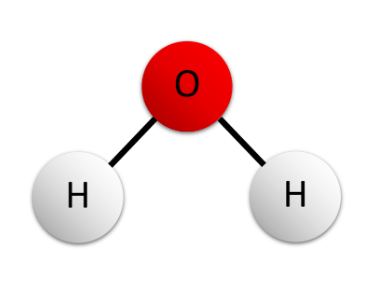
What is: two different types of elements are joined together?
100
The equation for density.
What is D = m / v?
200
The amount of space the object takes up.
What is volume?
200
An atom that exists naturally in Earth that serves as a building block for all matter.
What is an element?
200
The number of atoms in one molecule of chlorine.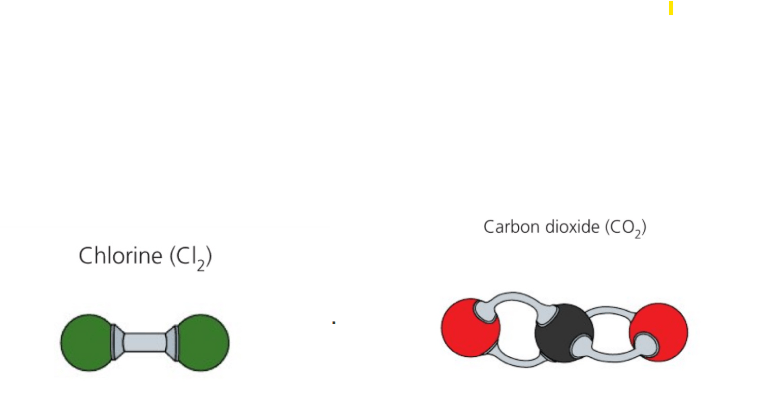
What is two?
200
Which illustration shows a gas?
A B C
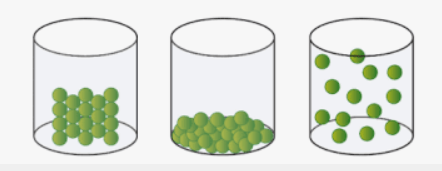
What is C?
200
A student places a solid ice cube into a closed container and it melts, forming liquid water. What will happen to the mass of the liquid water?
What is the mass will not change?
300
The smallest unit of matter than cannot be broken down by ordinary chemical reactions.
What is an atom?
300
A force of attraction that holds 2 atoms together.
What is a chemical bond?
300
Which illustration show a substance with a high density?
A B
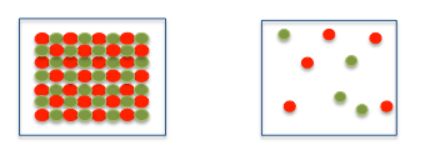
What is illustration A?
300
Name 3 signs that a chemical reaction has occurred.
What are:
Possible responses include:
production of a gas, production of light, production of a solid (precipitate), production or absorption of thermal energy, color change, change in odor, change in density, change in reactivity.
300
This law states that the same amount of matter exists before and after a physical or chemical change- none is created or destroyed.
What is the Law of Conservation of Matter?
400
The metric unit for mass.
What is grams?
400
Made up one or more atoms of only one type of element.
What is a molecule of an element?
400
In the illustration, how many elements are in one molecule of carbon dioxide?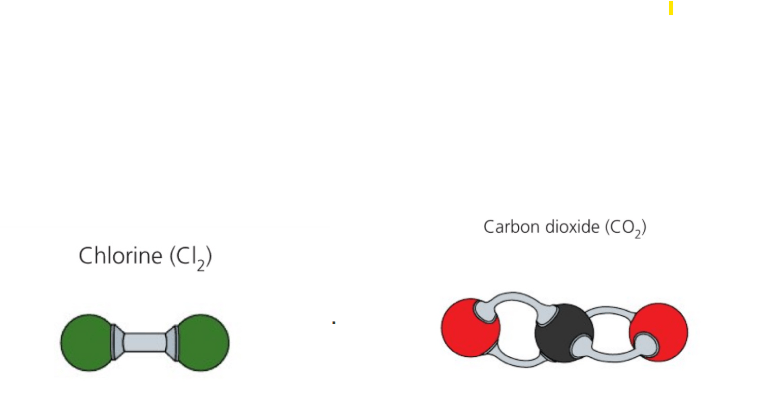
What is 2?
400
3 examples of characteristic properties (a physical or chemical property that is unique to a particular substance; can be used to identify a substance).
What are:
Possible responses include:
melting point, density, boiling point, solubility, magnetism, conductivity
400
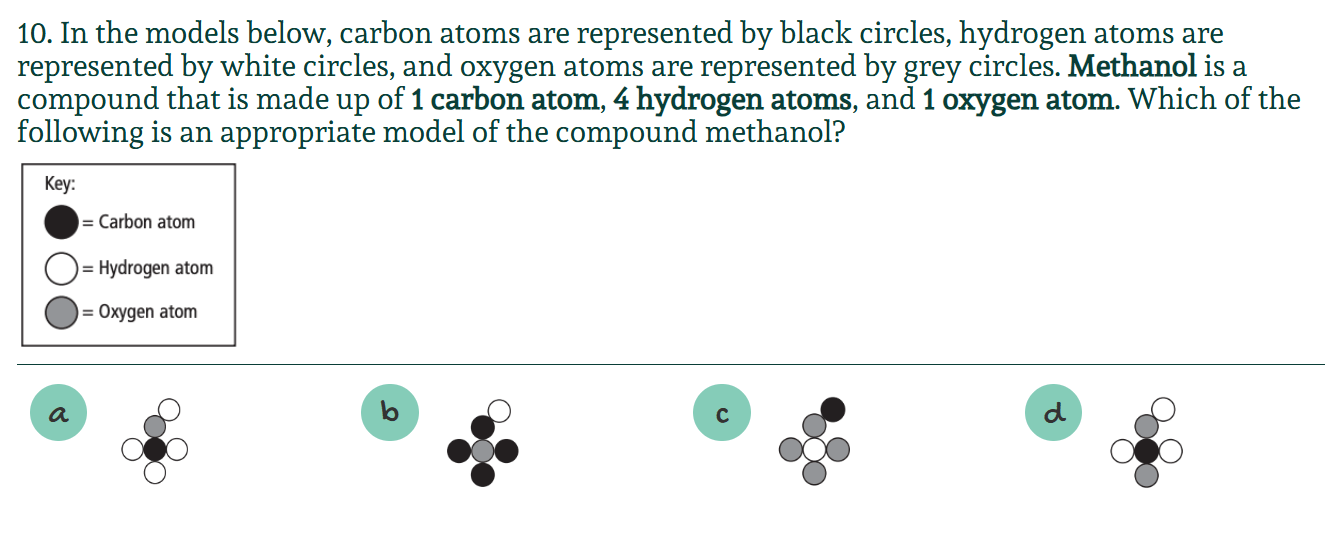
What is A?
500
A process in which one or more substances are converted into one or more NEW substances.
What is a chemical reaction?
500
Made up of TWO OR MORE types of atoms (elements) that are bonded together.
What is a molecular compound?
500
In the illustration, the number of bonds in one molecule of carbon dioxide.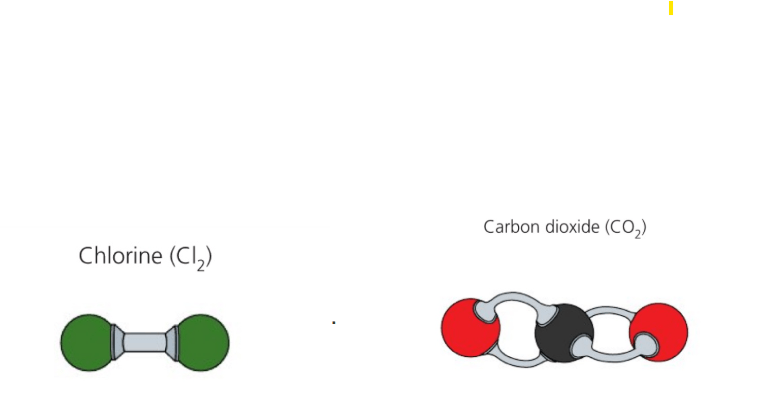
What is 4?
500
The illustration that correctly shows the molecules changing from ICE to WATER.
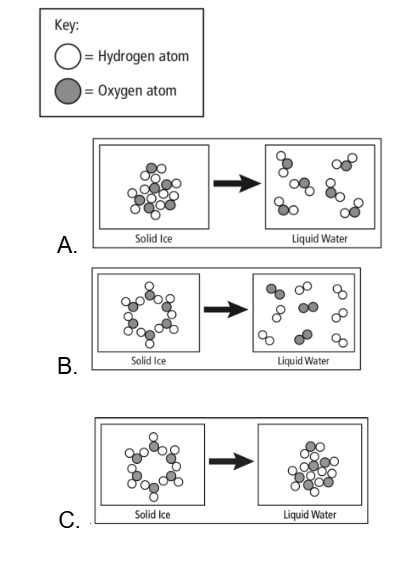
What is A?
500
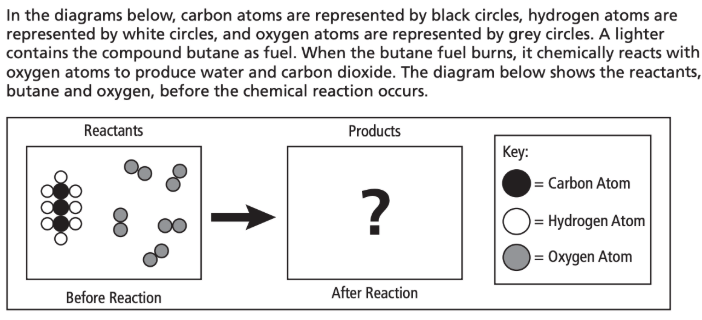
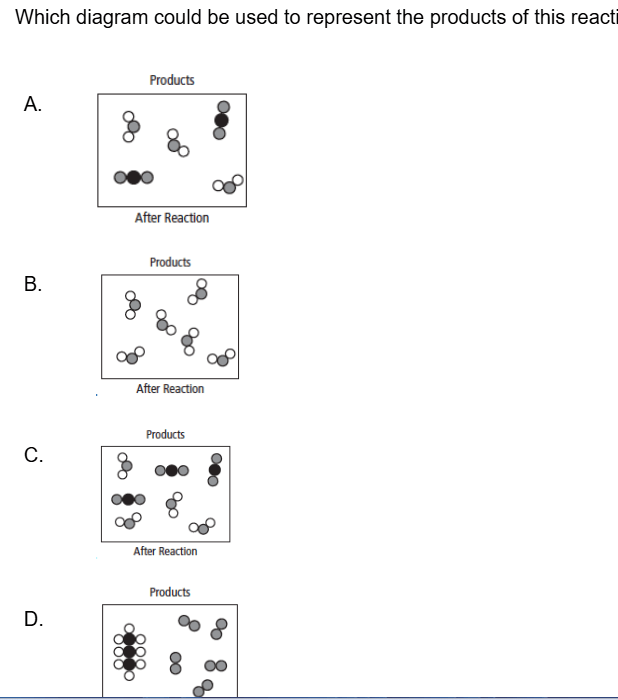
What is C?