Wine
Europe
Museums
Trains
Tourism
100
What are some popular types of wine? Do you have a favorite?
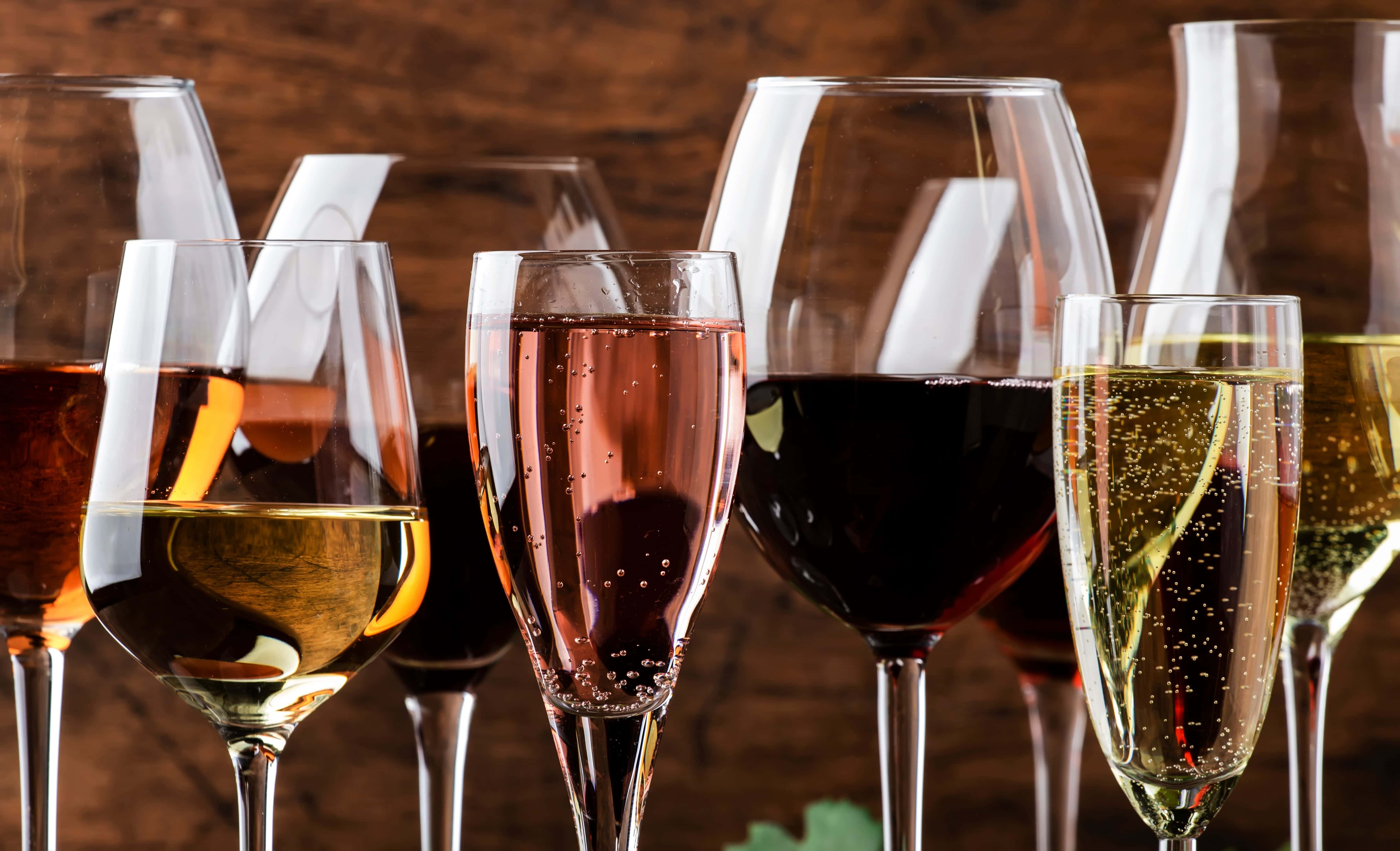
The most popular wine types are categorized by color and style, ranging from bold, tannin-rich reds to crisp whites and sparkling favorites. The seven major categories include red, white, rosé, sparkling, dessert, fortified, and orange wine.
100
What countries make up Europe? Which ones have you been to?
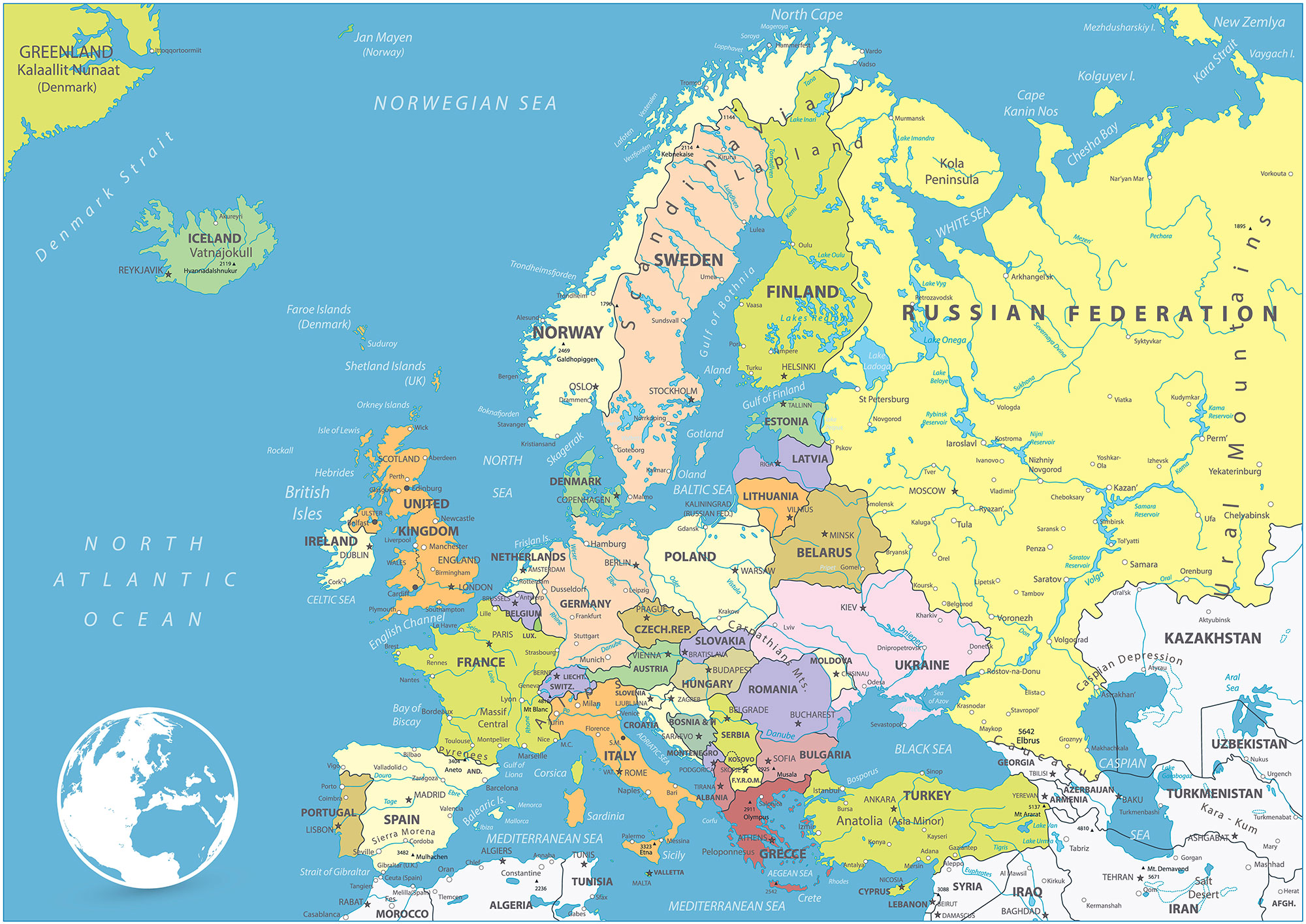
Some well known countries in Europe are France, Germany, UK, Italy, Spain, Netherlands, Russia, Denmark, Finland, Greece and Ukraine.
Europe consists of 44 sovereign countries according to the United Nations geoscheme, stretching from the Atlantic Ocean to the Ural Mountains.
100
What are some famous museums in the world? Which have you been to?
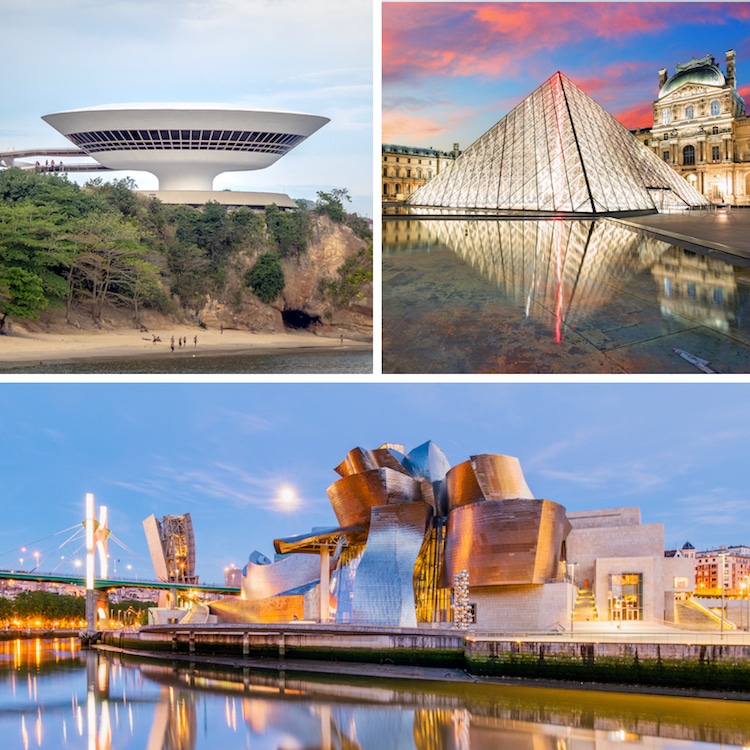
The world's most famous museums are monumental cultural institutions offering a journey through human history, art, and science. The "Big Four"—The Louvre, the British Museum, the Metropolitan Museum of Art, and the State Hermitage—are globally renowned for their unmatched scale, architectural significance, and priceless collections.
100
What are most trains used for now that they don't transport passengers as much?

Transporting cargo
Freight railroads are responsible for moving the highest volume of cargo than any other mode of transportation, yet they rank among the lowest in transportation-related greenhouse gas emissions. The Association of American Railroads estimates that if 10% of freight delivery by truck were moved to train delivery, greenhouse gas emissions would shrink by roughly 20 million tons per year.
100
What are the names of the 7 continents? Which have you visited?
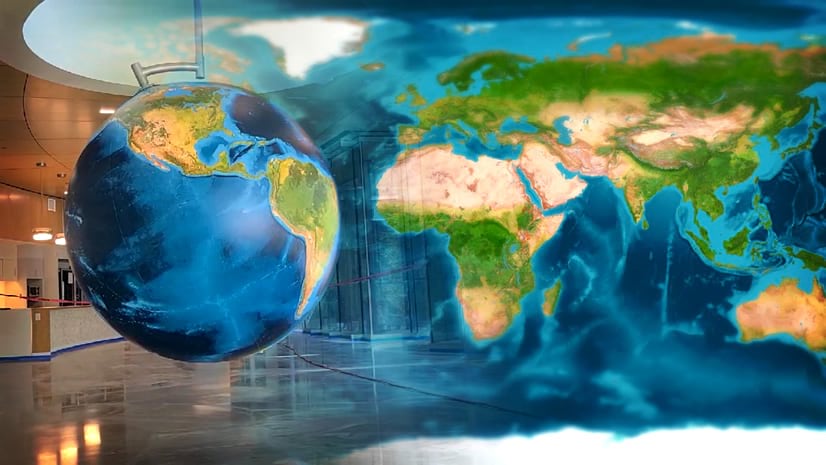
Earth is traditionally divided into seven distinct continents: Asia, Africa, North America, South America, Antarctica, Europe, and Australia (often called Oceania).
Before the separated continents, Pangaea was a massive supercontinent that existed approximately 335 to 175 million years ago, bringing almost all of Earth's landmasses together into a single, contiguous C-shaped landmass. Surrounded by a global superocean called Panthalassa, it eventually broke apart, forming the modern continents and oceans we know today.
200
True or False: It takes about 5 pounds of grapes to make a bottle of wine.
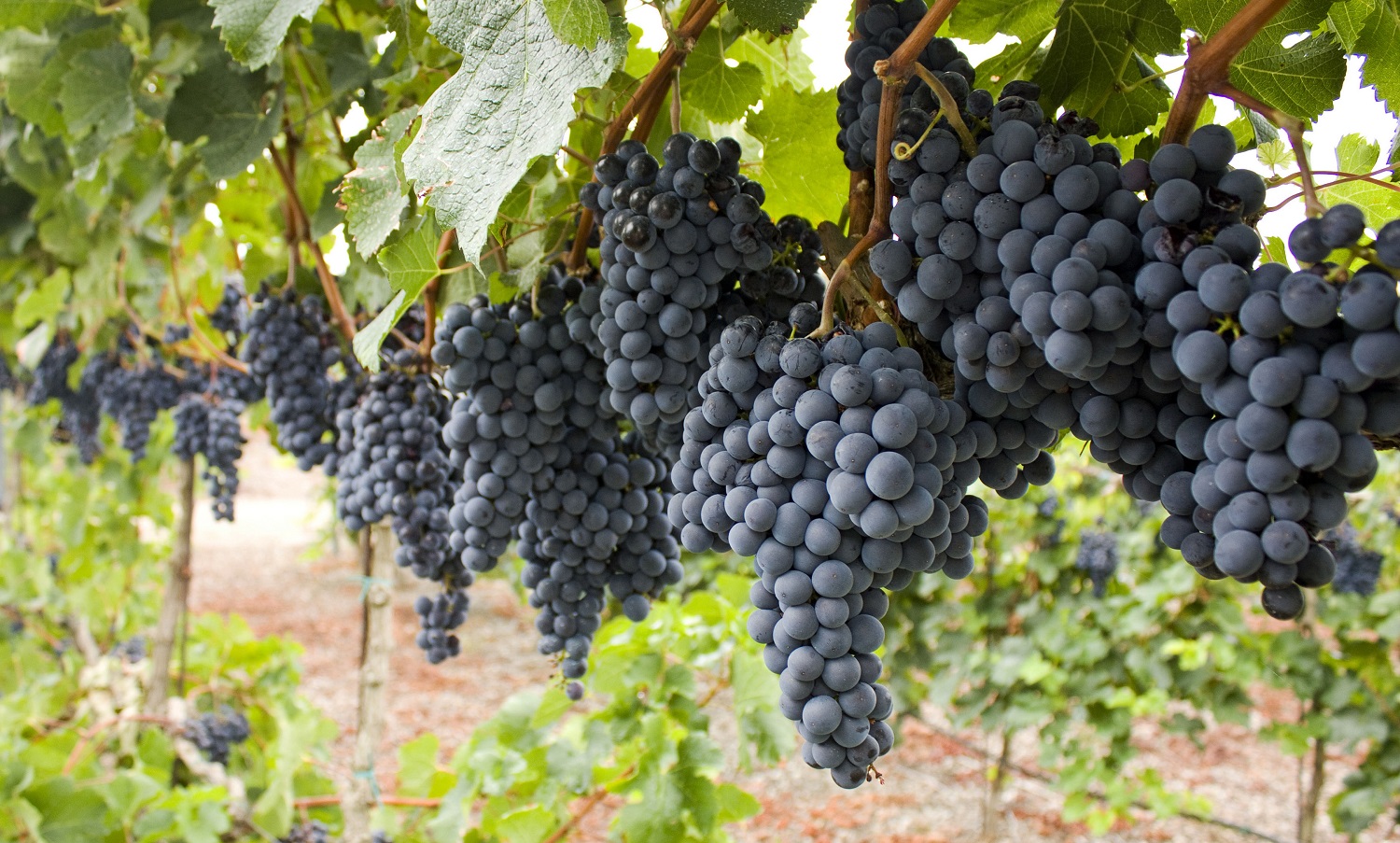
False, it takes 2.5 pounds.
Yes, it takes about 2.5 to 3 pounds of grapes to produce a single standard 750 ml bottle of wine. This translates to roughly 400 to 800 individual grapes, depending on the berry size, variety, and the amount of juice extracted.
200
True or False: Iceland does not have mosquitoes.
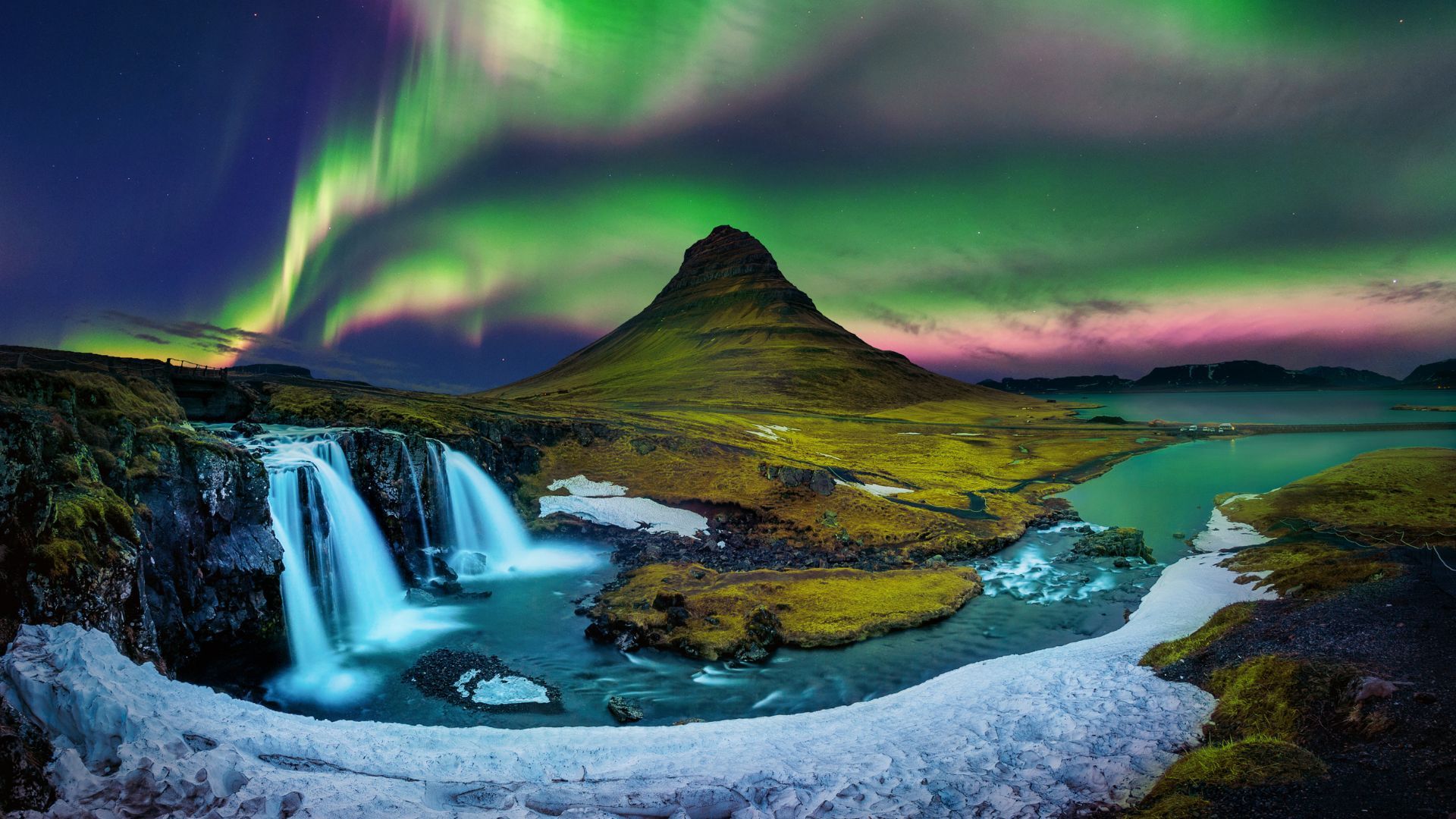
True!
For centuries, Iceland was famously one of the only places on Earth—along with Antarctica—entirely free of mosquitoes. This was primarily because its chaotic weather causes bodies of water to freeze and thaw multiple times a winter, which disrupts the mosquito's life cycle.
200
True or False: The oldest pieces of art are displayed in museums.
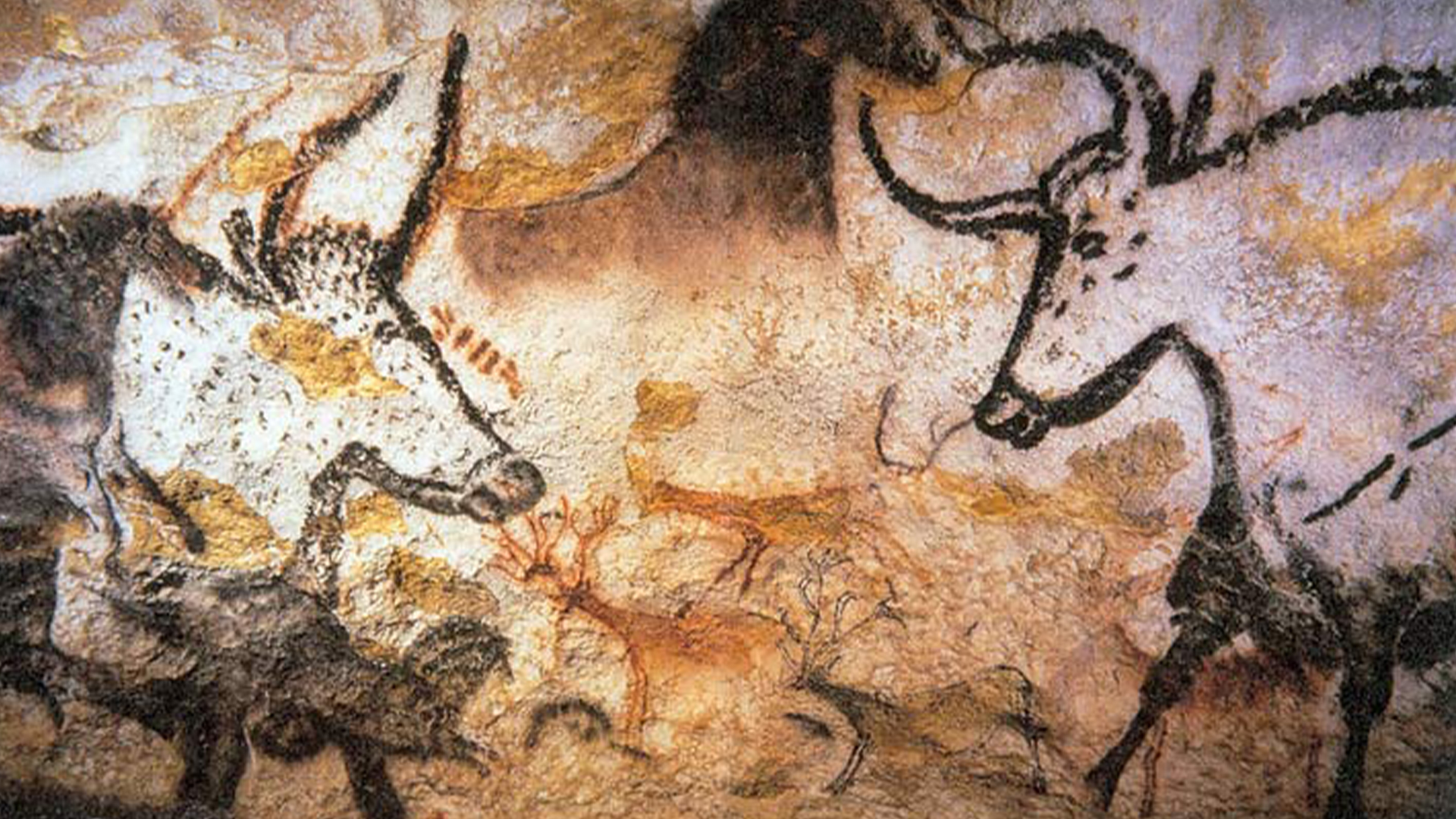
False!
Some of the oldest artwork in history are cave paintings which are permanently fixed to cave walls or archaeological sites. The oldest undisputed works of prehistoric art in a museum are the Venus of Hohle Fels and the Lion Man of Hohlenstein-Stadel. Both are carved from mammoth ivory, date back approximately 35,000 to 40,000 years during the Upper Paleolithic era, and are displayed at the Museum Ulm in Germany. There are older painted or engraved artifacts in existence, such as the 45,500-year-old warty pig cave paintings in Indonesia and ancient modified shells dating back half a million years.
200
True or False: When you add up all of the train tracks on Earth, you can travel to the moon and back.
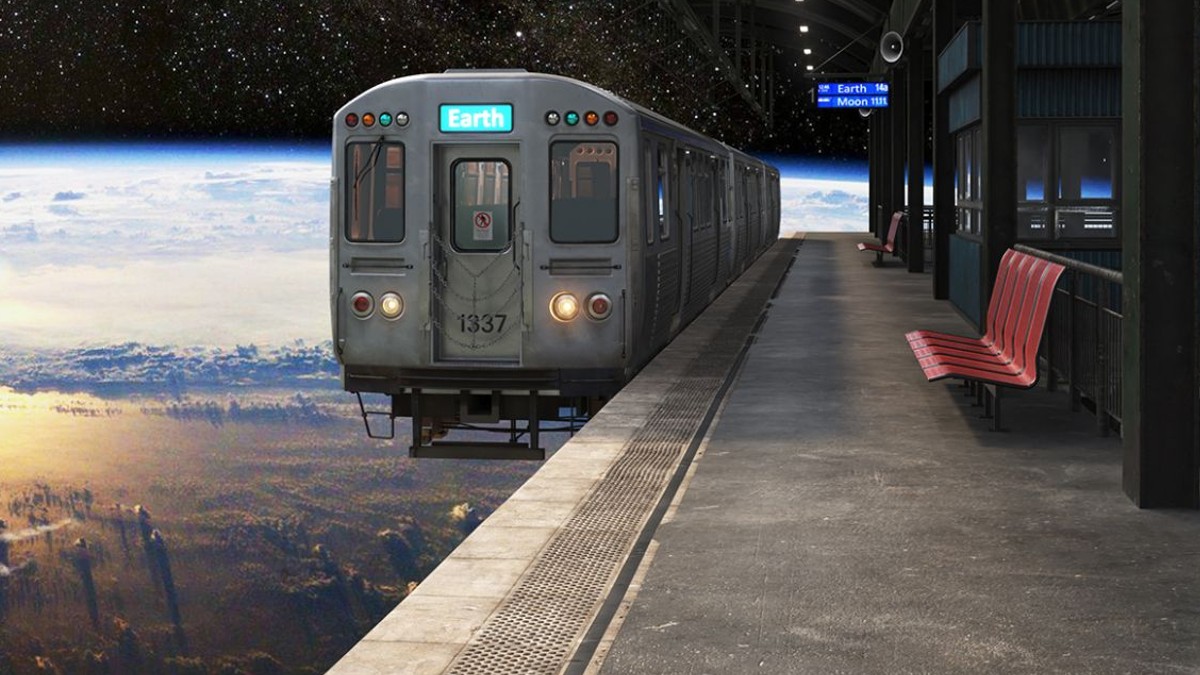
True!
There are roughly 807,800 miles of train tracks across the Earth. The moon is 238,850 miles away. If you laid all the tracks on a path to outer space, you’d be able to complete a round trip to the moon and back once, back to the moon, and about a third of the way back.
200
True or False: About 10% of flights are delayed per day.

False, it's 20%!
Averaging about 20% to 25% of flights delayed daily is a recognized baseline for U.S. air travel. On any given day, thousands of flights fail to arrive on schedule. Navigating these odds effectively requires understanding airline performance metrics, delay hotspots, and smart booking strategies.
300
How should wine be stored?
a. In a cool, dark location
b. In a warm, bright location to prevent mold
c. Near vibrations (stairs, elevator) to prevent sediment build up
d. In the refrigerator to prevent spoiling
a. In a cool, dark location
Storing wine in a cool, dark place prevents premature aging and spoilage. Heat accelerates chemical reactions and oxidation, ruining flavors, while UV rays damage delicate aromatics. Maintaining stable, cool conditions ensures the wine evolves gracefully.
300
What is the oldest country in Europe?
a. France
b. Bulgaria
c. San Marino
d. Portugal
c. San Marino
San Marino is officially recognized as the world's oldest surviving sovereign state and the oldest constitutional republic. It traces its official founding back to September 3, 301 CE, when Saint Marinus, a Christian stonemason fleeing religious persecution, established a monastic community on Monte Titano. The mountainous microstate remained fiercely isolated and independent throughout major European conflicts, including the rise of the Roman Empire, the Middle Ages, and the unification of Italy.
300
Which continent has the most museums?
a. Africa
b. Asia
c. North America
d. Europe
a. North America
The U.S. alone has more than 33,000, making it the country with the highest number of museums worldwide. Europe is home to roughly 34,000 to 40,000 museums. Europe boasts a much higher density of museums per million inhabitants than any other continent. Germany leads the continent with over 6,200 institutions. Asia features over 10,000 museums. Countries like Japan and China contain the vast majority of these. and South America, Africa, & Oceania combine for the remainder of the roughly 104,000 museums worldwide.
300
Between which decades was it considered to be the "Golden Age of Railroads"?
a. 1650 - 1700
b. 1820 - 1860
c. 1880 - 1920
d. 1990 - 2020
c. 1880 - 1920
The "Golden Age of Railroading" generally refers to the late 19th and early 20th centuries (c. 1880–1920s), when railroads held a near-monopoly on intercity transportation. During this period, the U.S. rail network peaked at over 254,000 miles, connecting frontier outposts, fueling the industrial revolution, and transforming how Americans traveled and traded.
300
What is the most popular month to travel?
a. December
b. November
c. May
d. August
d. August
August is indeed one of the most popular months for travel, driven by summer vacations and the last chance to get away before the academic year starts. Because of the intense demand, popular destinations (like Europe or U.S. National Parks) are extremely crowded and expensive. The last two weeks of August are a great "shoulder season" sweet spot. Many schools begin the new term, causing crowds to thin out and travel prices to drop.
400
What country produces the most wine in the world?

Italy produces the most wine globally, generating roughly 45 to 50 million hectoliters annually. This accounts for nearly a fifth of the world's total wine output.
The top three global wine producers rank as follows: Italy: ~45–47.4 million hectoliters, France: ~35–42 million hectoliters and Spain: ~30–33 million hectoliters.
400
What began in Ancient Greece over 2,700 years ago?

The Olympics!
The ancient Olympic Games were a major athletic and religious festival held every four years at the Sanctuary of Zeus in Olympia, Greece. Spanning from 776 BCE to 393 CE, the games featured competing male athletes from various city-states who used a "sacred truce" to travel safely to the event.
400
Besides paintings, what other types of art are displayed in museums?

Museums display a vast variety of art that spans across thousands of years and various global cultures. The most common forms include two-dimensional visual arts (paintings, drawings, and photographs), three-dimensional pieces (sculptures and installations), and decorative/applied arts (ceramics, metalwork, and textiles).
400
What are the three primary ways trains and railroads communicate between themselves and passersby?
Train whistles, railroad signals and railroad signs.
Train whistles make patterns of long and short whistles that alert railroad workers of oncoming traffic or some other code. Rail traffic signals are a complex combination of semaphores, colors, and their positions that alert the train engineer how to proceed. Railroad signs are signals or signs posted at railroad crossings that help trains communicate with cars and pedestrians.
400
How many Wonders of the World are there? Can you name them all?
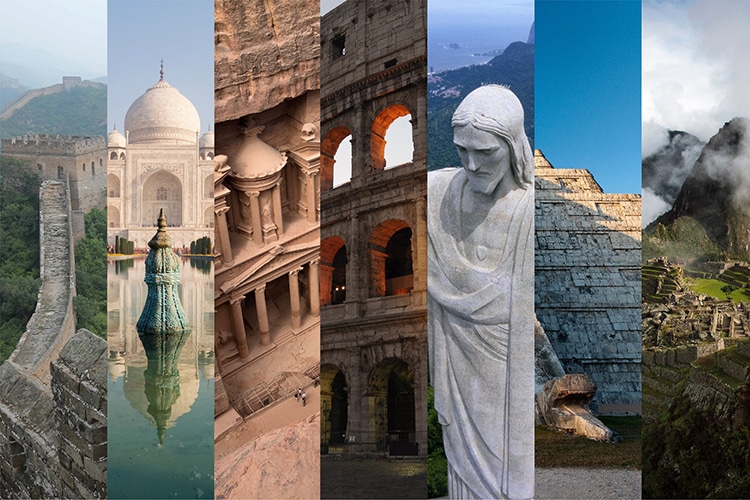
The iconic New Seven Wonders of the World is a globally beloved list of cultural and engineering marvels chosen by millions of voters in 2007. The list spans four continents, showcasing humanity's architectural ambition and history.
They are The Great Wall of China, Petra in Jordan, Christ the Redeemer in Brazil, Machu Picchu in Peru, Chichén Itzá in Mexico, the Colosseum in Italy, the Taj Mahal in India. The Great Pyramid of Giza in Egypt is cited as the only surviving structure of the original seven wonders of the world.
500
What does the vintage of the wine refer to?
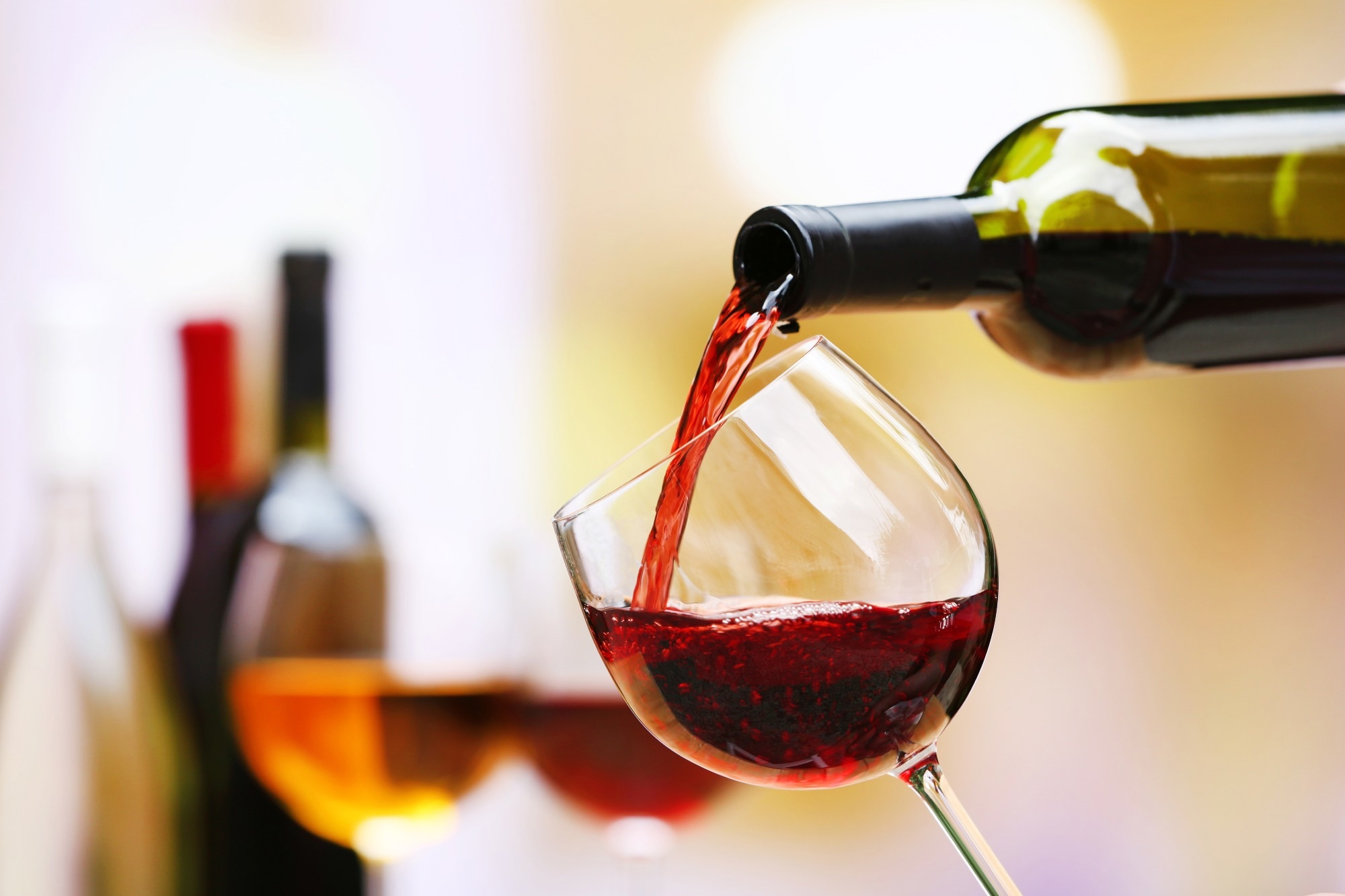
Bonus: Do all wines get better with age?
The vintage of a wine refers to the specific year in which the grapes were harvested and the wine was made.
Printed clearly on the bottle's label, this year acts as a "time capsule," offering a snapshot of that specific season's weather, climate, and soil conditions. Only about 1% to 5% of all wines are meant to be aged long-term. The vast majority are crafted to be consumed fresh and vibrant within 1 to 5 years of release.
500
There are more than 200 languages spoken in Europe, what are some of them?
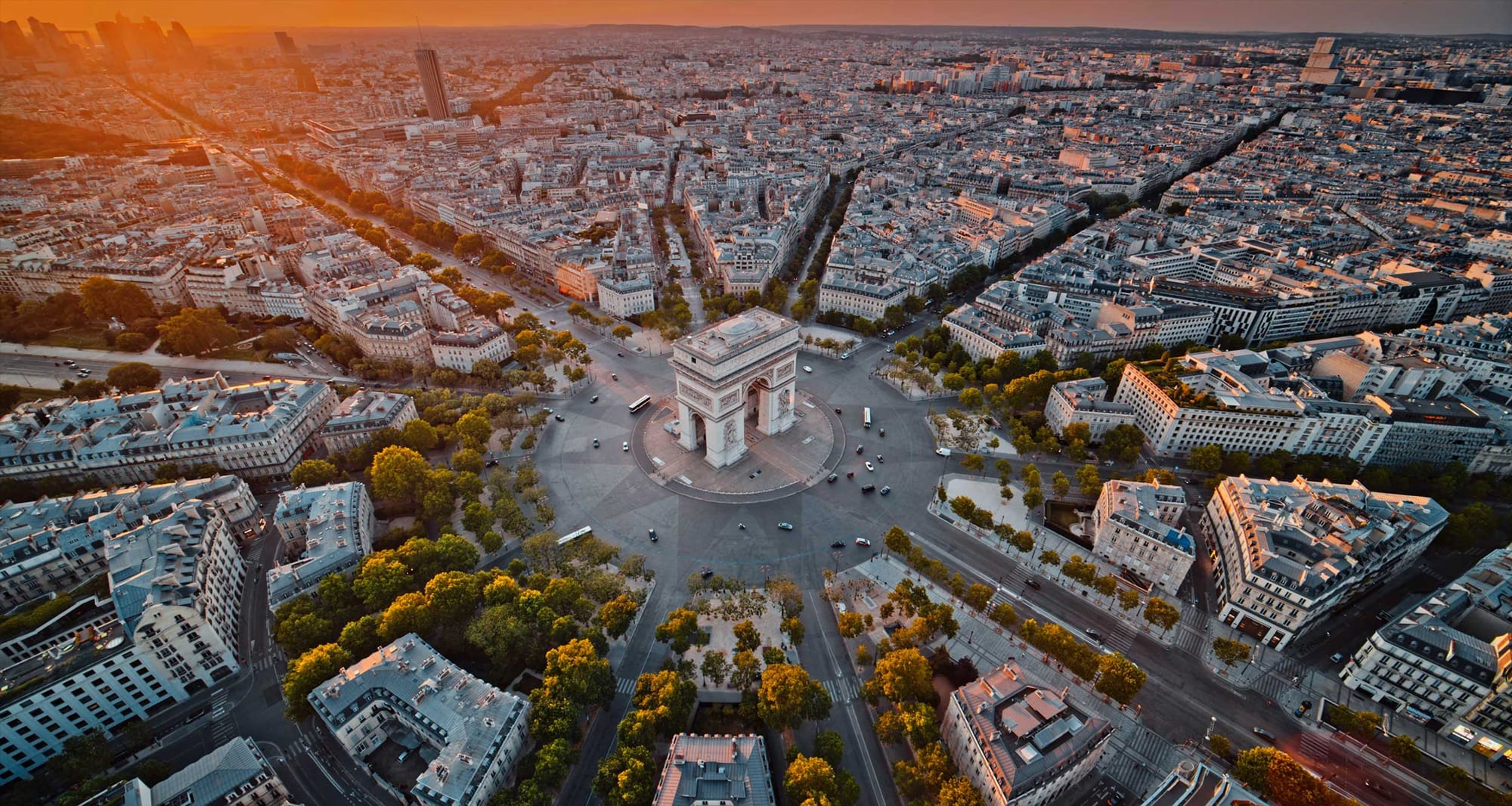
English is the most widely used common language in Europe for communication and business, although Russian has the highest number of native speakers (approx. 100–140 million). Other major languages, by native speakers, include German, French, Italian, and Spanish. English is the most common second language, spoken by roughly 35.5% of the population.
500
Which museums are these famous paintings located in?
1. Mona Lisa
2. The Starry Night
3. Girl With A Pearl Earring
4. The Birth of Venus
1. The Louvre (Paris, France)
2. MoMA (New York City, New York)
3. The Mauritshuis (The Hague, Netherlands)
4. The Uffizi Gallery (Florence, Italy)
500
The rail industry is credited with establishing what markers throughout different zones in the United States to keep on schedule?
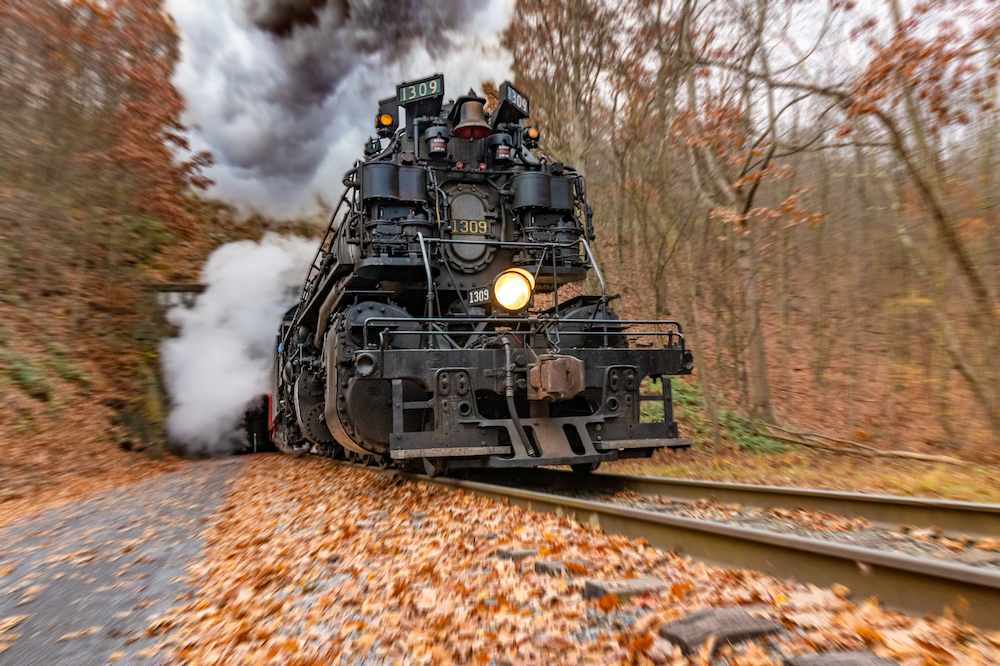
Time Zones
Back in the 1880s when rail travel was picking up momentum, most US towns had their own way of keeping time. Typically this was based on “high-noon,” or when the sun reached the highest point in the sky. While this system was generally favored, it led to some problems with scheduling train departures and arrival times. Since each town had a slightly different “high-noon,” times could differ from even neighboring cities and towns. In response, the major US railways met to create a standardized system. They split the country into 5 time zones: Eastern, Central, Mountain, Pacific, and Intercontinental (known today as “Atlantic”).
500
Where are the following landmarks located?
1. Eiffel Tower
2. Golden Gate Bridge
3. The Great Sphinx
4. Taj Mahal
5. Moai Statues
1. Paris, France
2. San Francisco, California
3. Giza Plateau, Egypt
4. Agra, India
5. Easter Island, Chile