Sensory Function
Kidney Function
Fluids/Electrolytes
Mobility
Musculoskeletal
100
Which finding indicates retinal detachment and requires immediate intervention?
Sudden flashes of light and a curtain-like shadow over the visual field.
100
A client with acute kidney injury has the following labs:
Potassium 6.2 mEq/L
Creatinine 3.1 mg/dL
BUN 48 mg/dL
What is the priority action?
Place the client on cardiac monitoring and notify the provider.
100
A client receiving loop diuretics reports weakness and palpitations. Which electrolyte imbalance should the nurse suspect first?
Hypokalemia
100
A 68-year-old client with osteoarthritis of the knees reports stiffness and pain, especially in the mornings, making it difficult to walk. What are the top two interventions the nurse can suggest to the client for symptom management?
Taking prescribed analgesics 30-60 mins before activity and applying warmth/heat to affected joints.
100
A client arrives after slipping on ice. The assessment reveals that the leg is swollen and deformed, the client reports pain with movement, and the injury occurred after the leg twisted during the fall. The nurse identifies that this is what kind of fracture?
Spiral fracture
200
A client reports a gradual loss of central vision and straight lines appearing wavy. Which disorder is most likely?
Age-related macular degeneration (AMD)
200
A client reports sudden, severe flank pain that radiates to the groin, nausea, and frequent urination. The client also notes blood in the urine. Based on these manifestations, which condition should the nurse suspect?
Renal calculi (kidney stones)
200
A client with hypokalemia (K⁺ 2.9 mEq/L) is prescribed IV potassium chloride. The client reports muscle weakness and palpitations. What actions should the nurse take to safely administer potassium (3)?
Administer potassium diluted in IV fluid using a controlled IV pump, never as a rapid IV push, and monitor cardiac rhythm throughout the infusion.
200
A nurse is assisting a client with a left-sided stroke to ambulate using a cane. Where should the cane be placed?
On the right side
200
A client is in skeletal traction for a femur fracture. During your assessment, you notice that one of the traction weights is resting on the floor. What is the priority nursing action?
The nurse should adjust the weight so it hangs freely and ensure pulleys and ropes are unobstructed.
300
A client with glaucoma is prescribed eye drops. Which action indicates proper administration technique (3)?
Have the client look up, pull the lower eyelid down, and then instill the eye drop
300
A client with chronic kidney disease is receiving hemodialysis. During treatment, the client develops headache, confusion, and nausea. What complication should the nurse suspect?
Dialysis disequilibrium syndrome
300
A client with COPD has the following ABG results:
pH 7.36, PaCO₂ 55 mmHg, HCO₃⁻ 32 mEq/L
The client is alert, reports mild shortness of breath, and oxygen saturation is 87% on room air. Which nursing intervention is most appropriate?
Administer low-flow oxygen (1–2 L/min via nasal cannula) and continue monitoring respiratory status and ABGs.
300
Which assessment finding suggests early deep vein thrombosis in an immobile client?
Unilateral calf swelling with warmth and tenderness
300
A nurse is caring for a client who is 24 hours post–surgical repair of a femur fracture following a motor vehicle crash. During the assessment, the nurse notes the client suddenly becomes restless and reports shortness of breath. The client’s oxygen saturation has dropped to 88% on room air. The nurse also observes small red spots on the client’s upper chest. What is the client experiencing?
Fat embolism
400
A client reports episodes of vertigo that last several hours, tinnitus in the left ear, and feeling of fullness or pressure in the ear. The client also reports nausea and unsteady gait during the episodes. Based on these findings, which condition should the nurse suspect, and what is the priority nursing intervention during an acute episode?
Meniere’s disease; Keep the client safe from falls by assisting with mobility and instructing the client to remain in bed during acute vertigo attacks.
400
A client with end-stage renal disease is receiving peritoneal dialysis at home. During a routine assessment, the nurse notes that the drainage fluid is cloudy and the client reports abdominal discomfort and low-grade fever. What condition should the nurse suspect?
Peritonitis
400
A nurse notes peaked T waves, widening QRS complexes, and muscle weakness in a client with kidney failure. What is occurring, and what treatment should the nurse anticipate first?
IV calcium gluconate to treat hyperkalemia
400
A client who has been immobile for several days develops tachycardia, chest pain, and shortness of breath when ambulating. Which complication should the nurse suspect first?
Pulmonary embolism
400
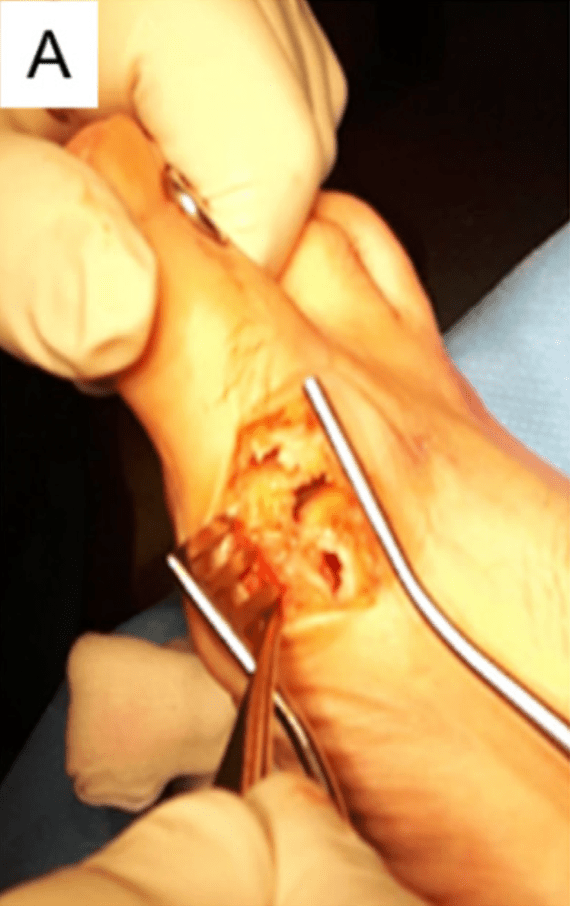
A nurse is caring for a client who has a chronic diabetic foot ulcer that has been present for several weeks. During assessment, the client reports increasing bone pain at the site. The wound appears deep, with drainage and surrounding redness, and the client has developed a low-grade fever. Laboratory results show an elevated white blood cell count and increased ESR.
Which condition should the nurse suspect the client is developing?
Osteomyelitis
500
A nurse in the emergency department is assessing a client who suddenly developed severe eye pain while watching television in a dark room. The client reports blurred vision and seeing rainbow-colored halos around lights. During the assessment, the client becomes nauseated and states the headache is worsening. What condition should the nurse suspect is occurring?
Closed-angle glaucoma (medical emergency!)
500
DAILY DOUBLE! This question is worth 2x points if answered correctly!
A client arrives at the emergency department after participating in an intense workout and reports severe muscle pain and weakness. The nurse observes the client’s urine is dark brown, and laboratory results show a markedly elevated creatine kinase (CK) level. Several hours later, the client’s urine output begins to decrease and serum creatinine is rising.
The nurse should recognize that this client is developing acute kidney injury related to which type of cause?
Intrarenal acute kidney injury caused by rhabdomyolysis.
500
A client presents with severe diarrhea for 3 days. ABG results show:
pH 7.31, PaCO₂ 35 mmHg, HCO₃⁻ 18 mEq/L
The client reports weakness and lightheadedness. Which acid-base imbalance should the nurse identify, and what are the priority treatments (3)?
Metabolic acidosis; treat by addressing the underlying cause (diarrhea), correcting fluid and electrolyte imbalances, and monitoring ABGs.
500
A nurse evaluates a postoperative orthopedic client reporting severe leg pain, paresthesia, and tightness around the surgical site. Pulses are present but weak. What is the suspected condition and priority nursing action?
Notify the provider immediately for suspected compartment syndrome.
500
Describe the correct technique of cleaning pins for a client in skeletal traction.
Clean each pin site with sterile saline (or as prescribed), using a separate sterile swab for each pin, moving from the pin outward in a circular motion, dry the area thoroughly, and monitor for signs of infection.