Medieval
Gothic
Italian Renaissance
Northern Renaissance
Baroque
100
This late style leads directly to the Gothic period and means literally "in the manner of the Romans".
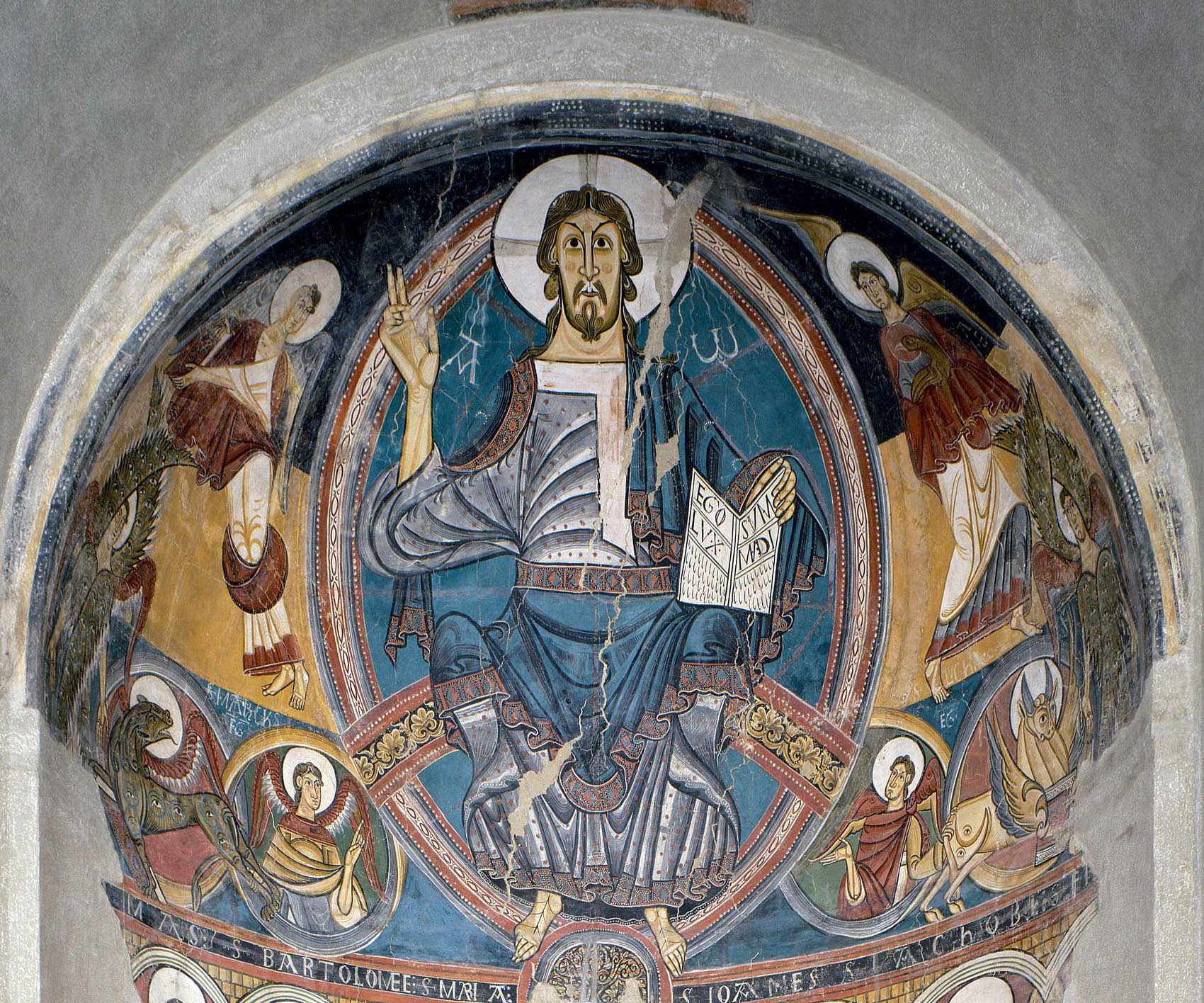
Romanesque
100
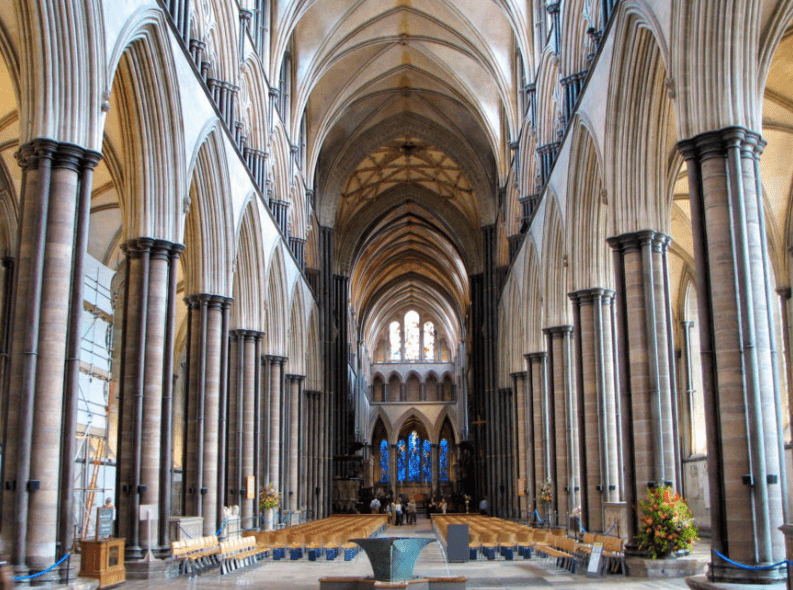
From roughly 1000 to 1400, these ornate churches were built using complex and daring designs that define the period.
Cathedrals
100
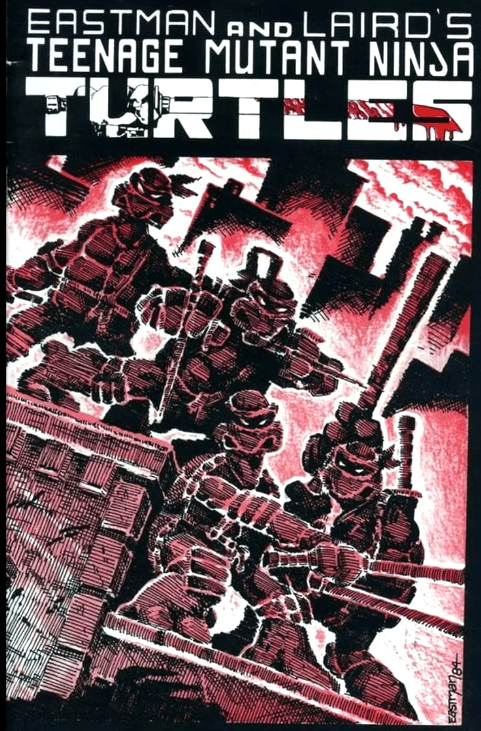
The four great masters of the Italian Renaissance as defined by 1980s comic book creators Eastman and Laird.
Raphael, Leonardo, Donatello and Michelangelo
100
A popular work of art developed during this time period that sits at the center of Christian devotional worship.
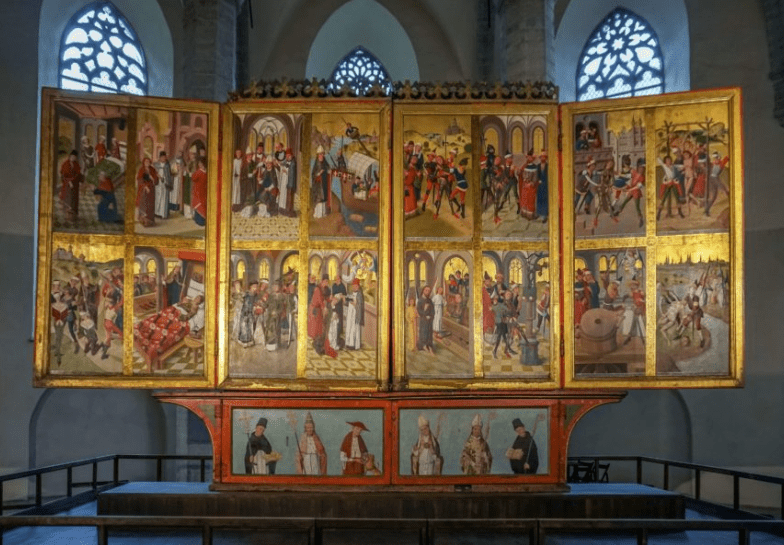
Altarpiece
100
Italian painter known for his use of common folk cast as figures from the Gospels.
Caravaggio
200
French king and later Holy Roman Emperor who presided over the Carolingian Renaissance.
Charlemagne

200
The defining element of the period is this type of architectural form.
Pointed or Gothic arch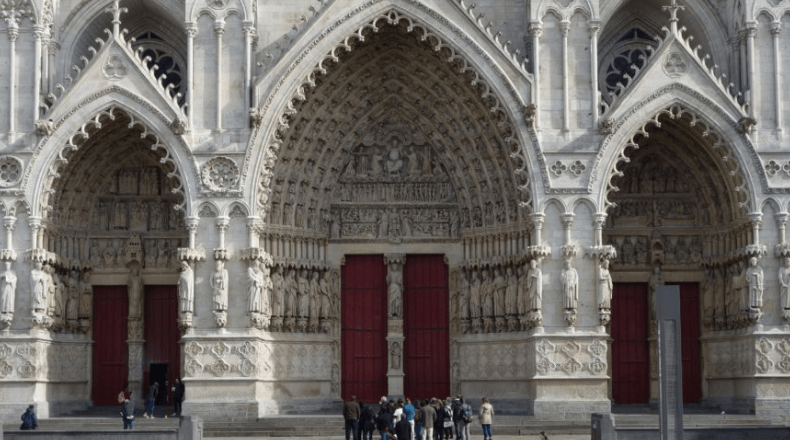
200
This artist created large tempera paintings that recalled secular iconography from the earlier Greek and Roman periods.
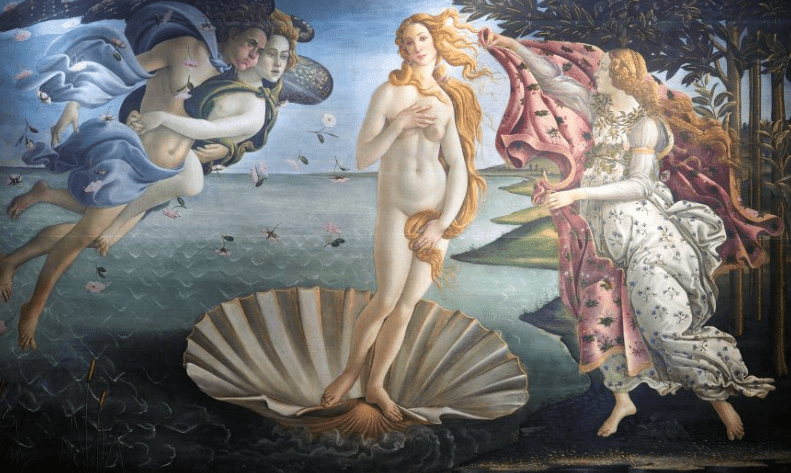
Botticelli
200
This Dutch painter is often credited with "the invention of oil paint".
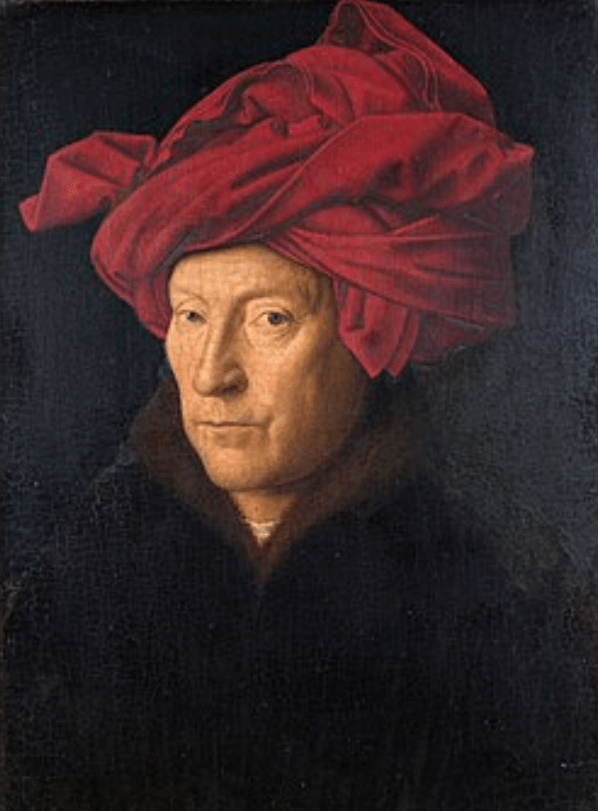
Jan van Eyck
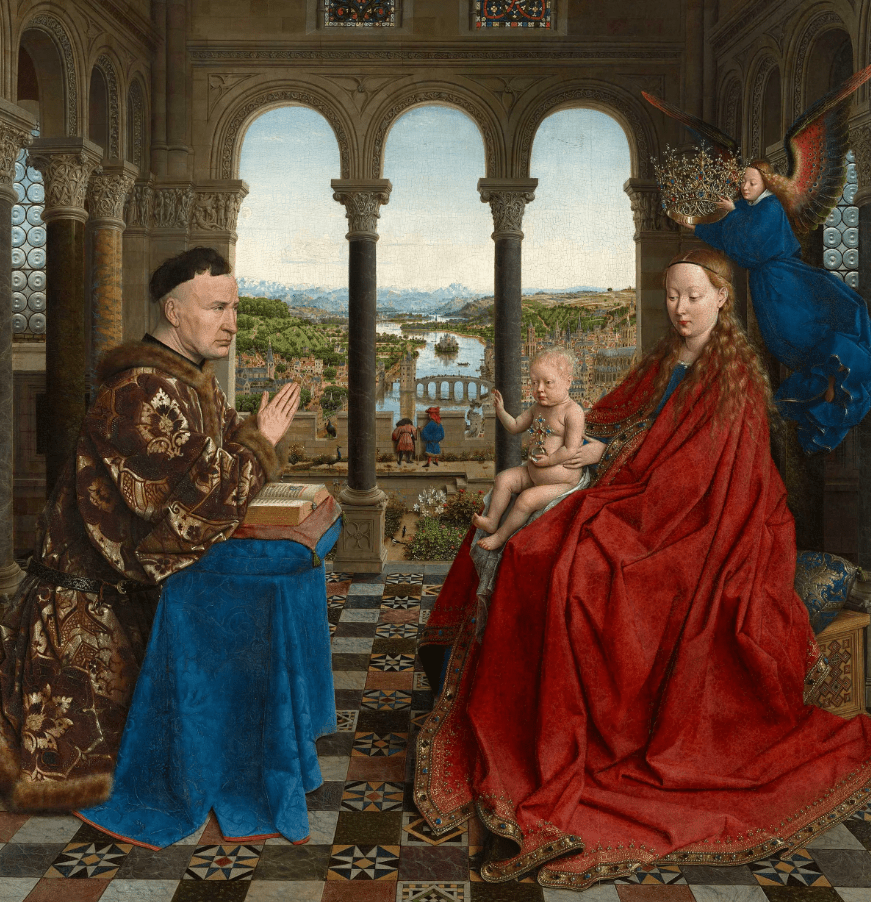
200
Baroque art served as the visual engine of this cultural period of upheaval.
The Counter-Reformation
300
Books that contained artistic decorations of letter forms, ornate borders and illustrations of the Gospels.

Illuminated Manuscripts
300
This historic pandemic shook European society to its core and contributed to the arrival of the Renaissance.
The Black Death (Bubonic Plague)
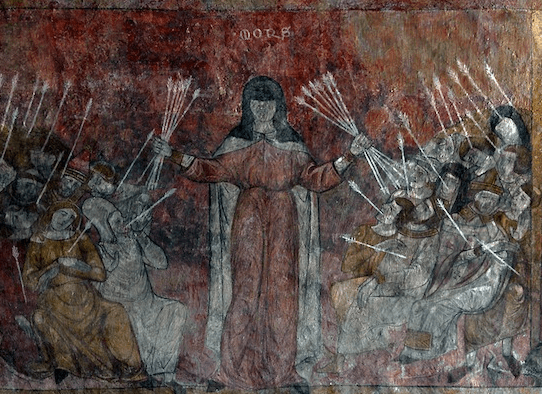
300
The Italian Renaissance started in this city and it is often referred to as the "heart" of that art historical style.
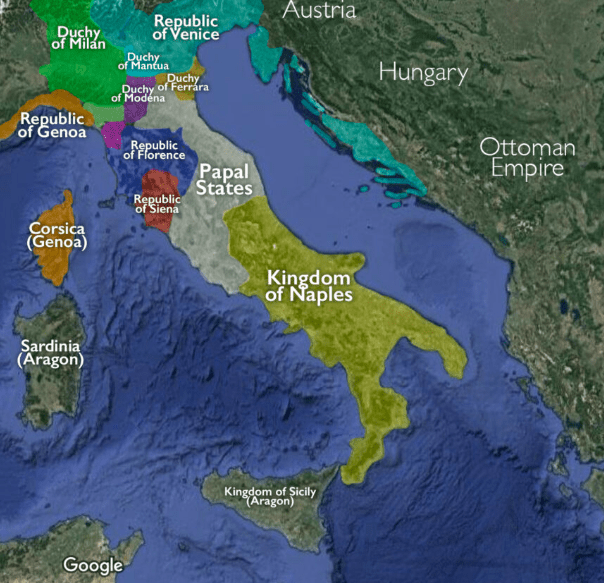
Florence
300
Known for his landscapes and peasant scenes, this Dutch painter was a formative influence on Dutch Golden Age painting.
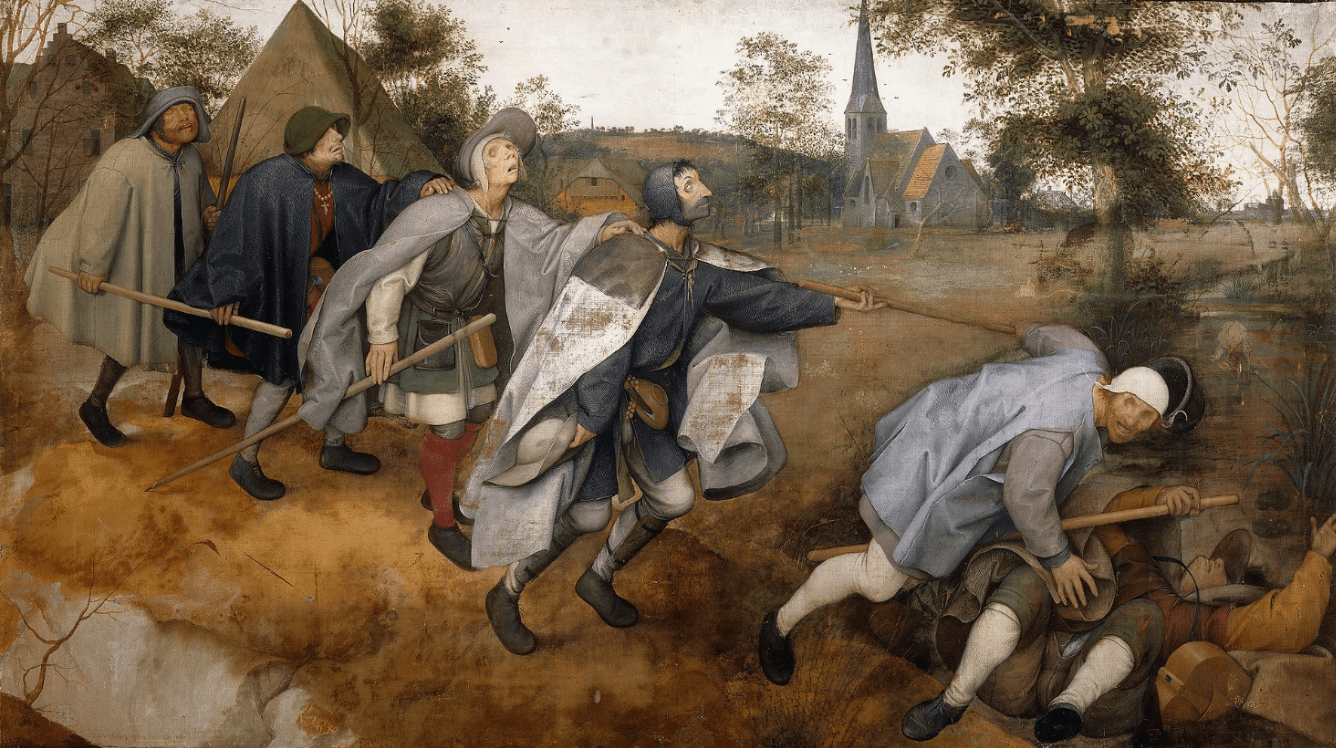
Bruegel the Elder
300
Flemish artist and diplomat whose robust figures now use his name as a colorful descriptor.
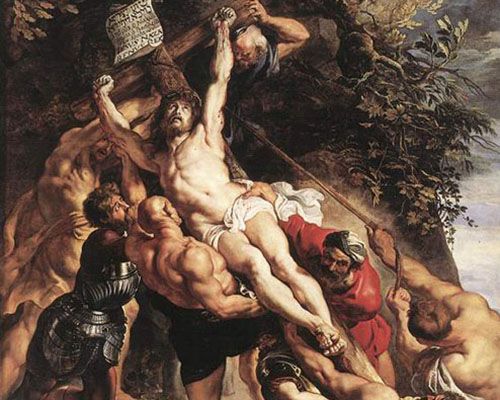
Rubens
400
Before the arrival of paper in the 12th century, scribes utilized this material made from the skins of calves, goats and sheep.

Parchment
400
The more common name for the Cathedral Church of the Blessed Virgin Mary.
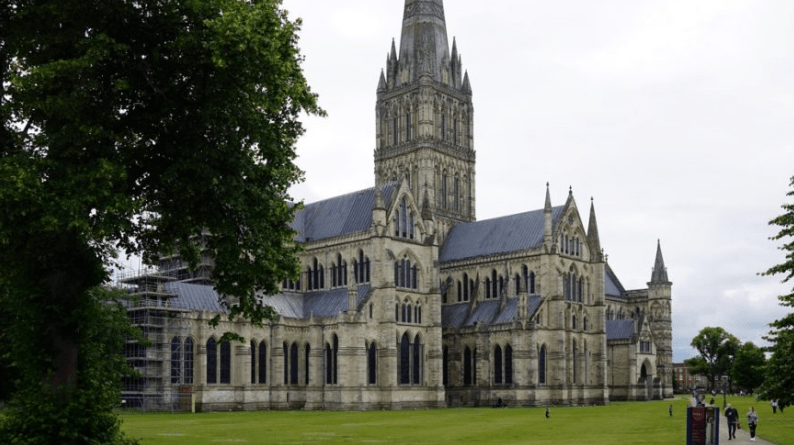
Salisbury Cathedral
400
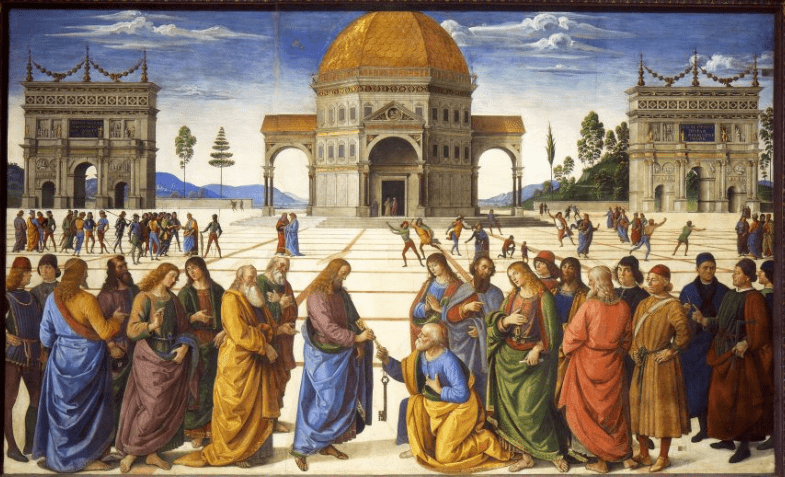
Philosophy of the era rooted in the writings of ancient Greek and Latin authors that praised mankind's capacity to achieve greatness through knowledge and free will.
Humanism
400
Dutch painter know for his elaborate and imaginative depictions of Christian subject matter, hugely influential figure for many of the styles of the 20th century.
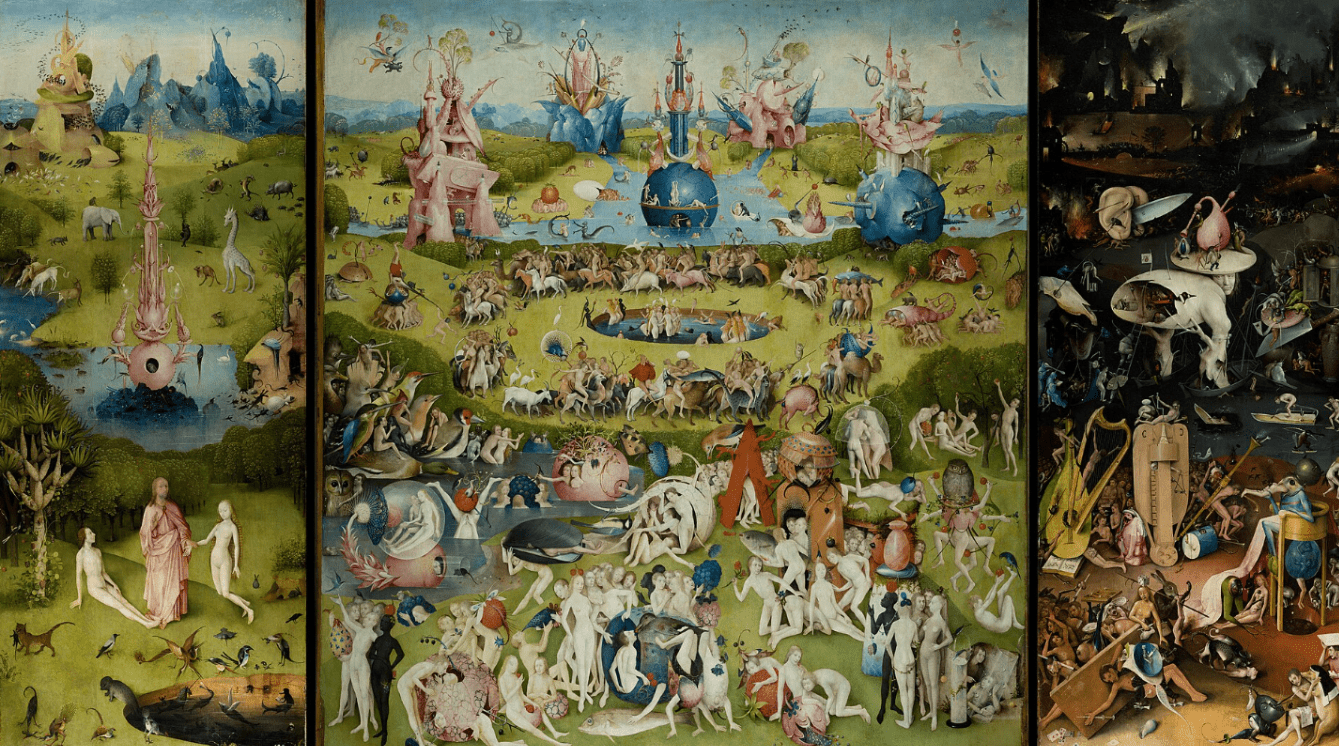
Bosch
400
Italian sculptor whose energetic works become the defining element of Baroque Rome.
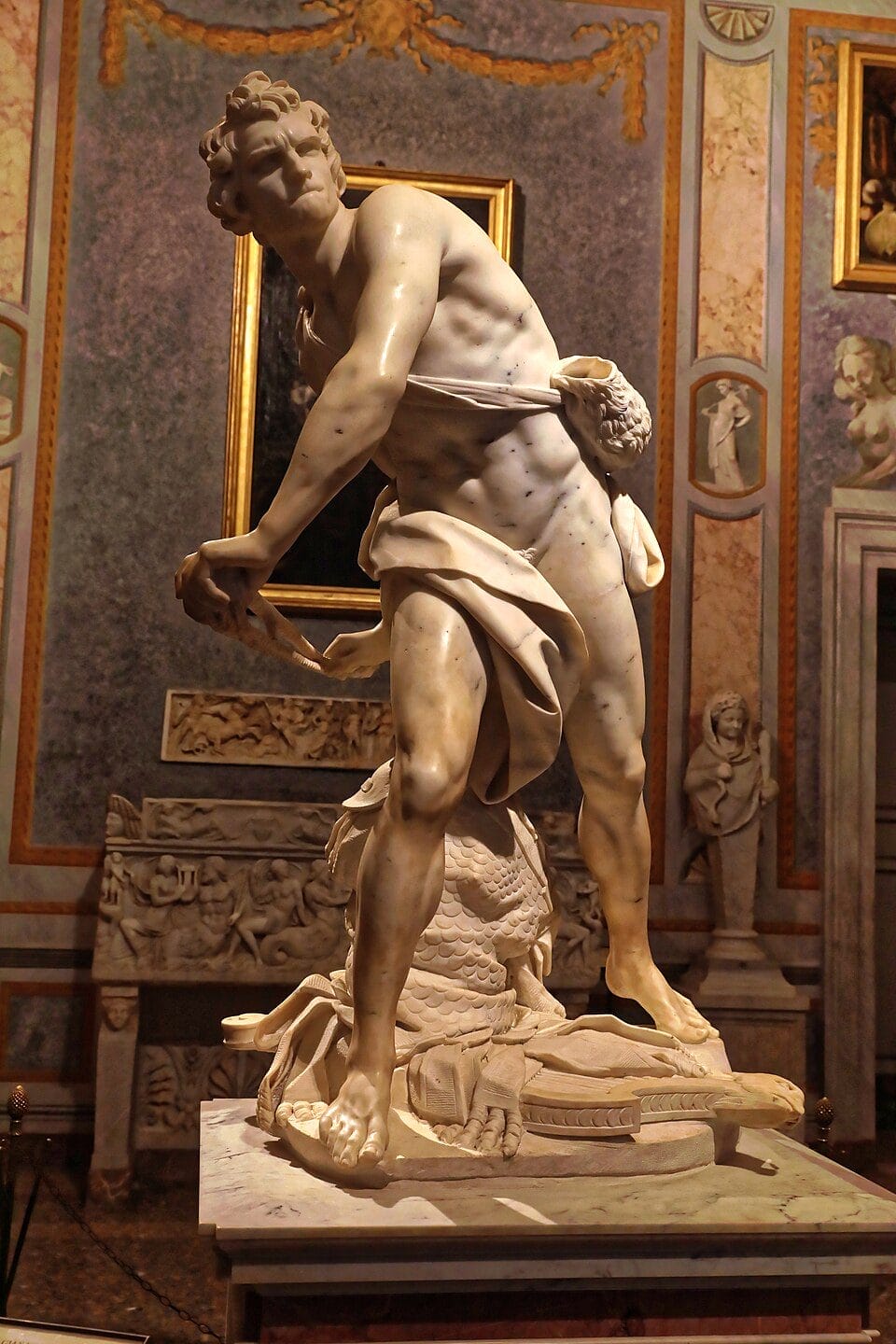
Bernini

500
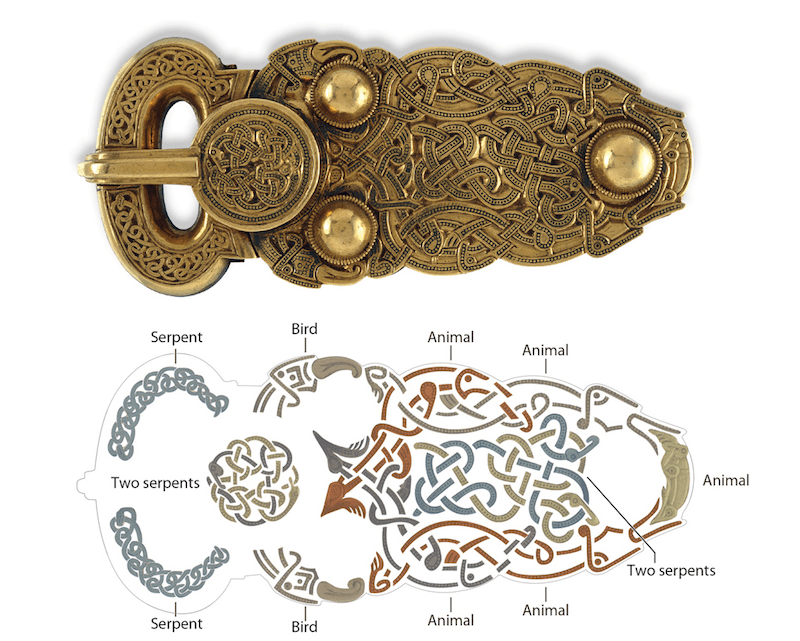
Still popular today, this predominantly Northern European style utilizes interconnecting swirls and exaggerated birds, serpents and other natural creatures.
Animal Style
500
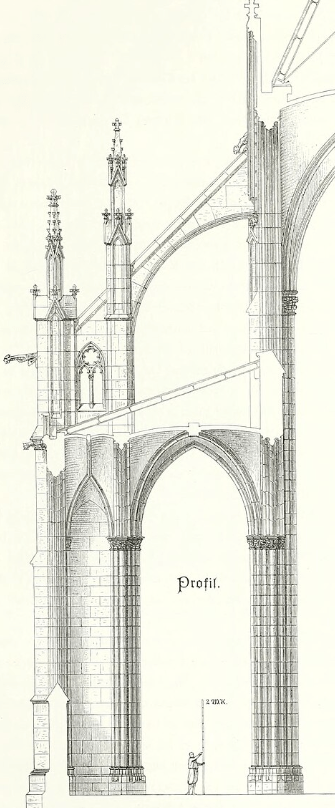
These supports came into use during the Gothic period and are ramping arches that transmit the weight of the walls and roof without contacting the wall at ground level.
Flying Buttresses
500
The first great Renaissance sculptor, his David is often compared to the more well-known marble sculpture of the same subject created later by Michelangelo.
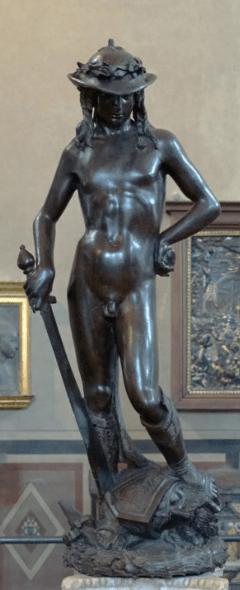
Donatello
500
This German artist is best known for his vast body of intricately detailed engravings and paintings.
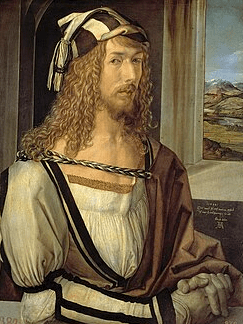
Albrecht Dürer
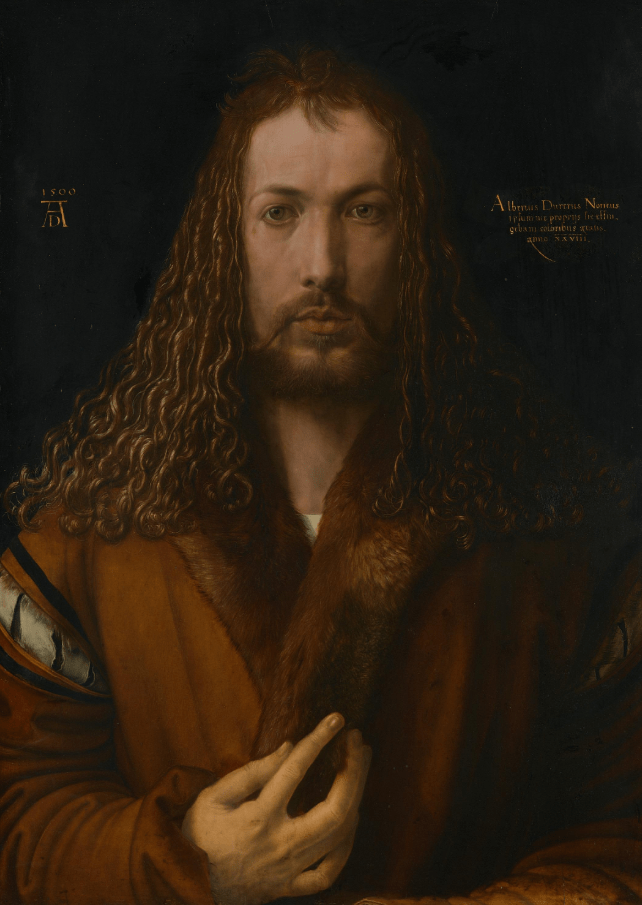
500
The brief, transitional style that bridges the Renaissance style with the Baroque.

Mannerism