Cells and characteristics of life
Body systems
Plant Reproduction
Photosynthesis and cellular respiration
Food Chains and Webs
100
What do cells do for the body?
Cells are the tiny building blocks that make up your entire body.
They keep you alive by: helping you grow, bringing in nutrients, making energy, carrying oxygen, and, fighting off germs.
100
The lungs, nose, and trachea are part of which organ system?
Respiratory system
100
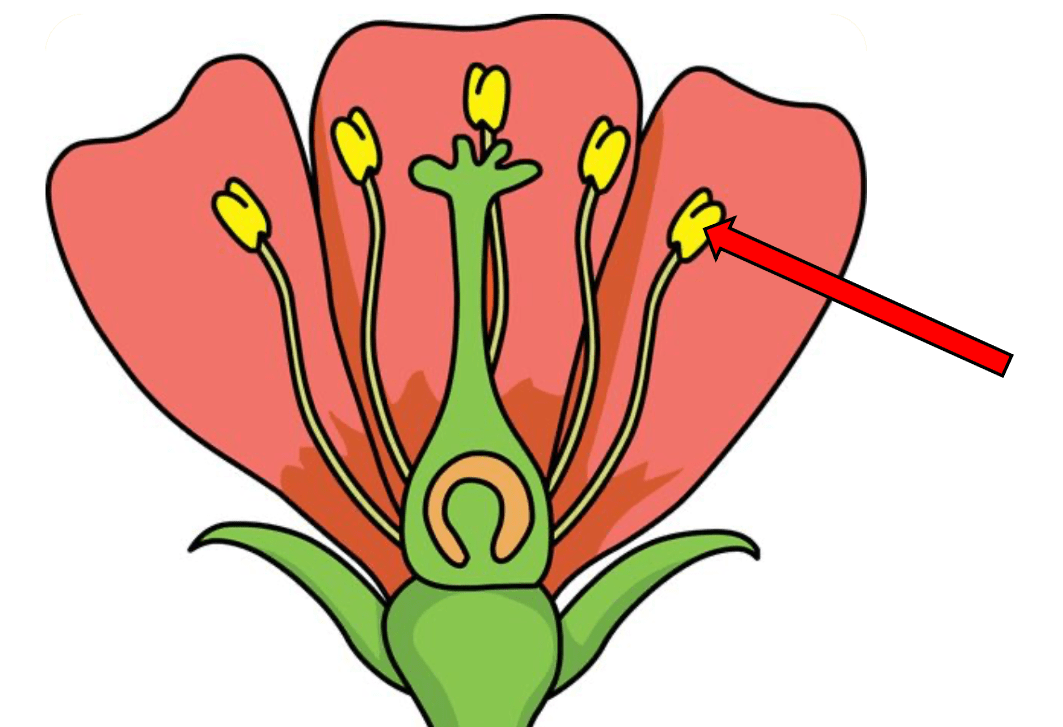 What part is the arrow pointing to? Is it a male or female part?
Anther, it is a male part
100
What gas do plants release or put out?
Oxygen
100
in a food chain, the flow of energy is represented by what symbol?
Arrows
200
What is the cell membrane? What does it do for the cell
The cell membrane is the thin, flexible “skin” around the outside of a cell. It protects the cell and holds everything inside. It also controls what goes in and out—like a security guard.
200
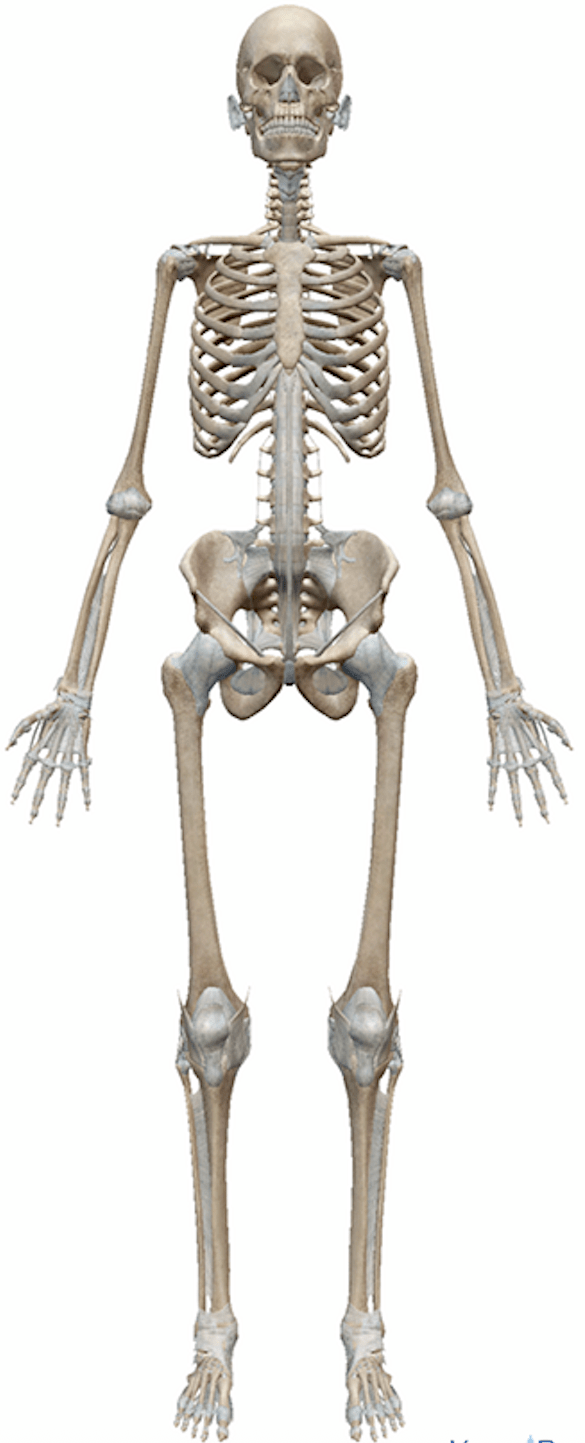
What body system does this belong to?
Skeletal system
200
What is the main difference between asexual and sexual reproduction?
Sexual reproduction requires a mix of male and female gametes, while asexual reproduction does NOT use gametes
200
What is photosynthesis?
The process by which plants make their own food using sunlight, water, and carbon dioxide.
200
How are food chains and food webs different
Food chain = single pathway of energy flow between organisms in an ecosystem
Food web = multiple paths of energy flow connected to show all interactions in an ecosystem
300
What organelle is called the "brain" or "control center" of the cell?
The nucleus
300
What body system is responsible for moving waste, gases, and other items all over the body (like a highway)?
Circulatory system
300
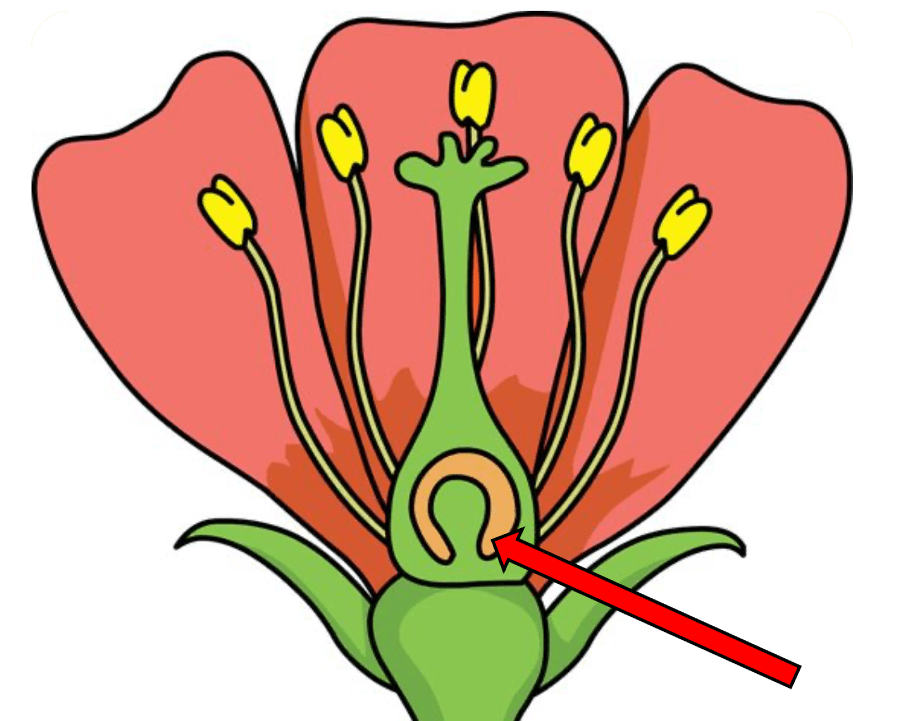 What part of the flower is the arrow pointing to? Is this a male or female part?
Ovary, this is a female part
300
What is cellular respiration?
Process plants and animals use to turn food (glucose) into energy (ATP).
300

What trophic level is the vulture on?
tertiary consumer
400
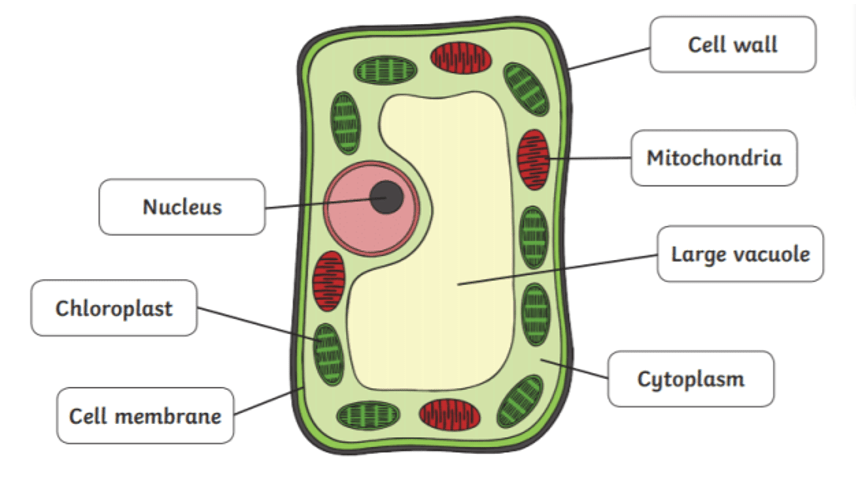
This cell belongs to what kind gf organism? How do you know?
This belongs to a plant
This cell has chloroplasts and a cell wall, and only plant cells have this.
400
Explain how the nervous system helps you respond to stimuli such as a your hand touching a hot pot.
You nervous system uses reflexes to respond to danger, if your hand touches a hot pot, the hot pot is a stimulus and your body reacts by pulling your hand away. This happened because sensory receptors in your hand pick up the stimulus, send information to your brain, and the brain reads the signal and senses danger and responds by telling your muscles to pull away your hand.
400
When a plant is fertilized. What does the egg become?What does the ovary become?
Egg = Seed
Ovary = Fruit
400
Write the equation for photosynthesis.
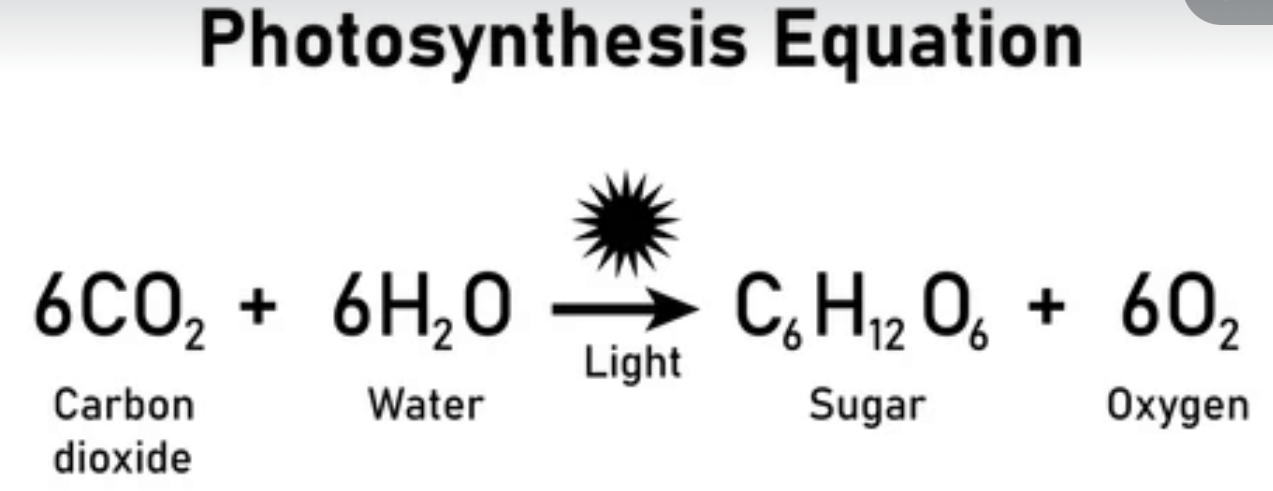
400
What is the 10% rule? Why does this happen
The 10% rule states that when one organism eats another, only 10% of energy is passed on. This happens because every living thing uses much of its energy to stay alive and this energy is used up and lost as heat, so only a little is transferred on to the predator that eats it.
500
Name and explain TWO characteristics of life that prove Noodle, our class pet, is alive.
Movement, Reproduction, Sensory response, Growth, Respiration, Excretion, Nutrition.
Noodles can move, reproduce, respond to stimuli around her, she grew from an egg, she can do cellular respiration for energy, she excretes waste from her body from her metabolism, and she eats to get energy and grow.
500
Name 2 body systems and explain how they work together to maintain homeostasis in the body.
Circulatory and respiratory- moves gases in and out of body (oxygen and CO2)
Excretory and circulatory - moves waste out of body and blood
Skeletal and muscular - muscles pull on bones to allow you to move
500
Explain the process of pollination. What parts of the flower are involved?
A pollinator, like a bee, will land on a flower and collect pollen from the anther of the flower. When the bee flies to another flower, it will transfer some of this pollen to the sticky part of the stigma. This will allow the pollen to travel down the pollen tube and into the ovary where it can fertilize the egg.
500
Explain how the specific reactants and products connect photosynthesis and cellular respiration
The reactants of cellular respiration ( Glucose and oxygen) come from photosynthesis as products. The products of cellular respiration (carbon dioxide and water) are used by plants are reactants in photosynthesis.
These processes form a cycle
500
Explain how animals such as angler fish and cave salamanders who live in complete darkness, need the sun to survive.
Animals that live in darkness still need energy to survive and all energy on Earth comes from the sun. These animals get energy from what they eat (smaller animals) and their prey gets energy from eating plants or algae. The plants get their energy by making food from sunlight, therefore, without sunlight these animals would not have a food chain and would not survive as the sun supplies the whole chain with the start of energy